Teppan Toyoshimake pairs teppanyaki steakhouse cooking with a sake program, smart casual dress, and street-scene or waterfront views for dinner.
Pearl is the En Primeur Club membership app — saves, bookings, and concierge access live there. Same editors, same standards.
- Address
- Japan, 〒542-0071 Osaka, Chuo Ward, Dotonbori, 1 Chome−10−7 ぼんちビル 2F
- Phone
- +81662130004
- Website
- toyoshimake.com
- Directions
- Get directions
 Saves & bookings on Pearl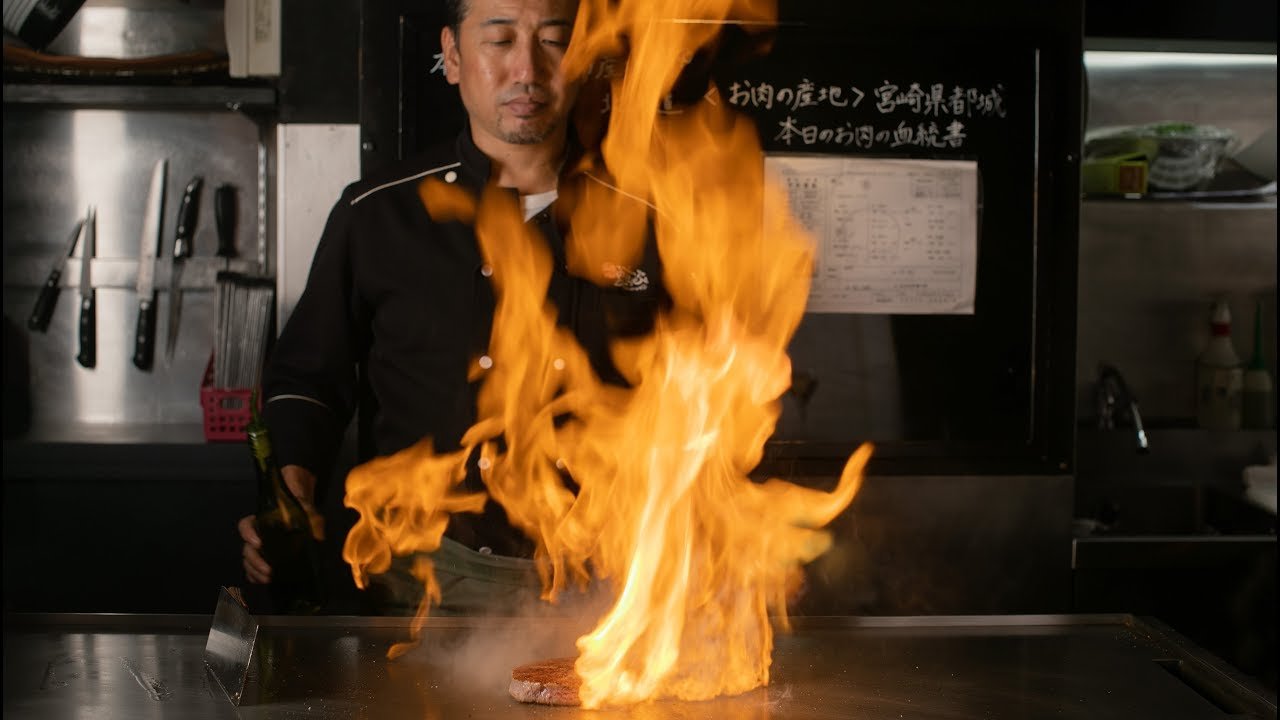
Teppanyaki in Dotonbori: What the Format Demands
Dotonbori's ground-level stretch is one of the loudest dining corridors in Japan, a place where neon signs compete with hawkers and the canal smell drifts in from the south. The second floor changes the equation. Up a flight of stairs, the teppanyaki format imposes its own order: a flat iron griddle as the centrepiece, the cook visible from every seat, the sequence of the meal determined by what the heat allows. Teppan Toyoshimake occupies this kind of position, a second-floor teppanyaki restaurant in Osaka's Dotonbori district.
Teppanyaki as a format is worth understanding on its own terms before any specific venue enters the picture. It is one of the few Japanese cooking styles in which the preparation is part of the dining event, not something that happens behind a closed kitchen door. The griddle's temperature, the sequencing of proteins and vegetables, the resting and slicing, all unfold in front of the guest. In Osaka, that transparency aligns with the city's broader hospitality character, a preference for directness and generosity over ceremony for its own sake. Kuidaore, the local idiom for eating oneself to ruin, implies appetite without pretension, and teppanyaki fits that register.
Dotonbori's Dining Tier and Where Teppanyaki Sits
Osaka's central dining scene has stratified considerably over the past decade. The Chuo Ward corridor running through Dotonbori and Namba holds everything from standing ramen counters to multi-Michelin kaiseki rooms. Teppanyaki occupies its own band within that range, distinct from the raw precision of sushi omakase and from the long-preparation logic of kaiseki. It competes, broadly, on the quality of its primary ingredient, typically Wagyu beef at the higher end, and on the skill with which the griddle is managed.
For the full picture of where Osaka's serious cooking concentrates, Osaka's dining options span neighbourhoods and formats. Within Chuo Ward specifically, a venue like HAJIME in Osaka anchors stronger examples from the price-and-recognition tier with three Michelin stars, while options like Ajihei Sonezaki and Ajikitcho Bunbuan demonstrate the depth of more traditional Japanese formats. Teppanyaki sits alongside rather than beneath these categories, addressing a different appetite and a different kind of evening.
The Teppan Experience: Sequence and Attention
What distinguishes a capable teppanyaki sitting from a perfunctory one is largely a question of heat management and pacing. The griddle needs to be hot enough to produce the right crust on protein without steaming it, and the cook needs to manage multiple components at different temperatures simultaneously, all while the guests are watching. There is no hiding mediocre technique behind a sauce made off-site or a broth that simmered overnight. The edit is live.
In this respect, Dotonbori's teppanyaki venues exist in a format that is self-policing. Guests see what they are getting. The quality of the Wagyu, the colour and char on the surface, the temperature at which the meat is served, these things are visible before the plate reaches the table. For visitors coming from kaiseki-heavy itineraries, the shift to teppanyaki is partly a shift from the abstract to the concrete.
Comparable venues elsewhere in Japan illustrate the range of approaches the format accommodates. Harutaka in Tokyo and Gion Sasaki in Kyoto represent the kind of precision-and-restraint model that shapes expectations at the summit of the market, while Goh in Fukuoka shows how Kyushu's ingredient culture inflects a different regional identity. Teppanyaki in Osaka draws on the city's own ingredient supply, including Matsusaka and Kobe beef from nearby prefectures, and the format's openness makes provenance claims easier to verify than in kitchen-concealed formats.
The Beverage Question at a Teppan Counter
Teppanyaki venues generally lean toward Japanese whisky highballs, cold draft beer, sake, and, at some higher-end rooms, a concise wine list. The format has a longer association with Japanese whisky highballs, cold draft beer, and sake than with wine, partly because the griddle smoke and the immediate, hot-plate presentation do not invite long-contemplative pours in the way a kaiseki sequence might. That said, higher-end teppanyaki rooms in Japan have increasingly adopted wine programs, with selections weighted toward red Burgundy and Bordeaux, which have the structure to work alongside Wagyu fat. The broader pattern, though, is that any serious teppanyaki room in Osaka targeting an international clientele has been pushed toward beverage programs that include at least a working wine selection. Venues at the price points where Wagyu quality is the draw tend to address this, because the alternative, a strong beef course without a suitable pairing option, leaves revenue on the table and guest satisfaction short.
For comparison on how Japanese fine dining addresses wine in different formats, Osaka's French-influenced rooms often build wine integration into the concept. Az shows how the contemporary Osaka dining scene frames beverage as part of the editorial identity rather than an afterthought. Internationally, the sommelier-led beverage architecture at Atomix in New York City and the cellar depth at Le Bernardin in New York City set a comparative reference for what wine programs can achieve in a tasting-menu format. Teppanyaki operates under different constraints but is not exempt from guest expectations shaped by experiences like these.
Planning a Visit
Teppan Toyoshimake is located at Japan, 〒542-0071 Osaka, Chuo Ward, Dotonbori, 1 Chome−10−7 ぼんちビル 2F, within walking distance of Namba Station on the Osaka Metro Midosuji Line. Dotonbori is walkable from multiple transit points, and the density of the neighbourhood means orientation is direct once on the ground. Its hours run Monday through Sunday from 5 to 10 PM, reservations are recommended, and the price is about $80 per person. For a district this active, arriving without a booking carries real risk of finding the room full. For additional Osaka context and peer venues across formats, see the full Osaka Shi restaurants guide, which covers options from standing counters to rooms with sustained Michelin recognition, including Ajikitcho Bunbuan and Ajihei Sonezaki for traditional Japanese formats, and akordu in Nara for those extending the itinerary beyond Osaka city limits.
Standing Among Peers
Comparable venues nearby, for context on price, style, and recognition.
| Venue | Cuisine | Price | Notes |
|---|---|---|---|
| Teppan ToyoshimakeThis venue — the venue you are viewing | Teppanyaki Steakhouse | $$$ | Not listed |
| Utsutsuyo | Seasonal Japanese Izakaya with Sake Pairings | $$$ | Chūō |
| Hachi | Binchōtan-Grilled Japanese Fine Dining | $$$ | Tennōji |
| Unagi Nishihara | Kanto-Style Unagi (Eel) | $$$ | Chūō |
| Shugetsu | Okonomiyaki Teppanyaki | $$$ | Higashiyodogawa |
| 割鮮 入たに | Naniwa Kappo | $$$ | Kita |
Continue exploring
More in Osaka
Restaurants in Osaka
Browse all →




Bars in Osaka
Browse all →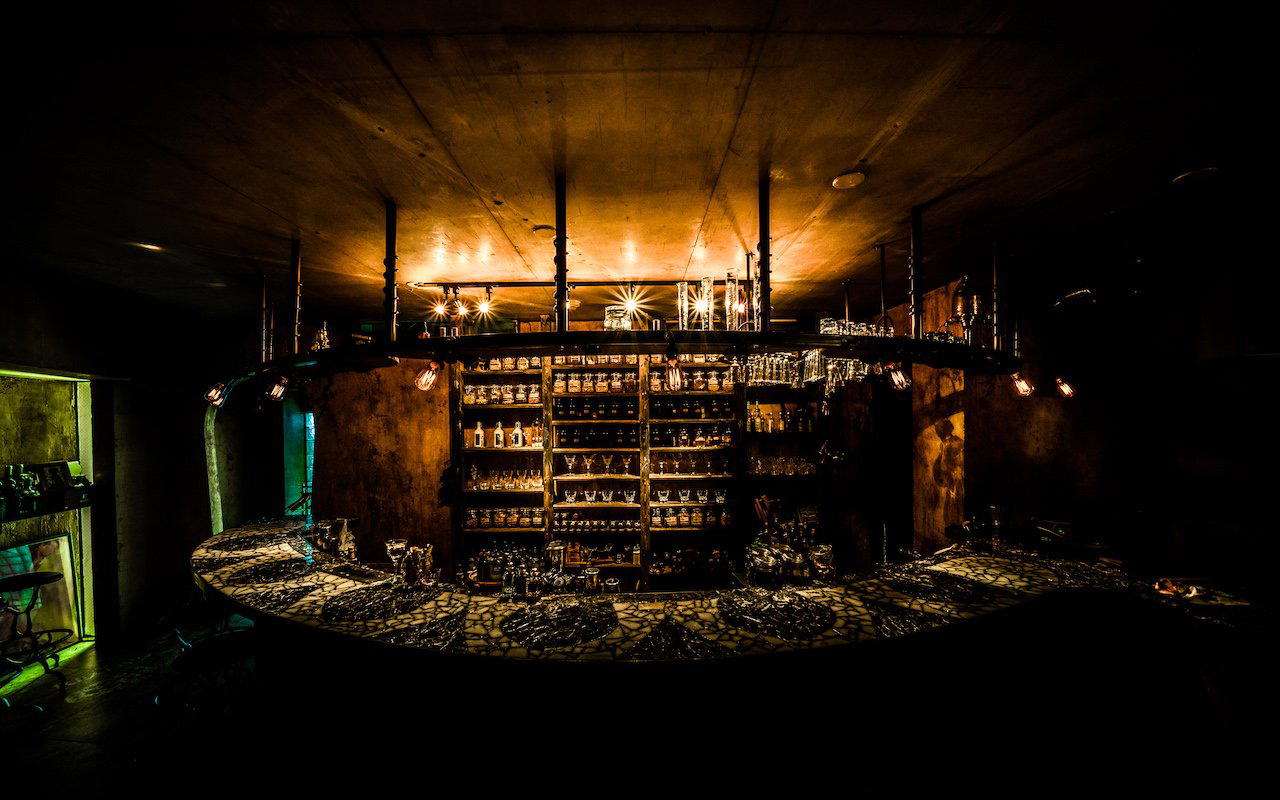
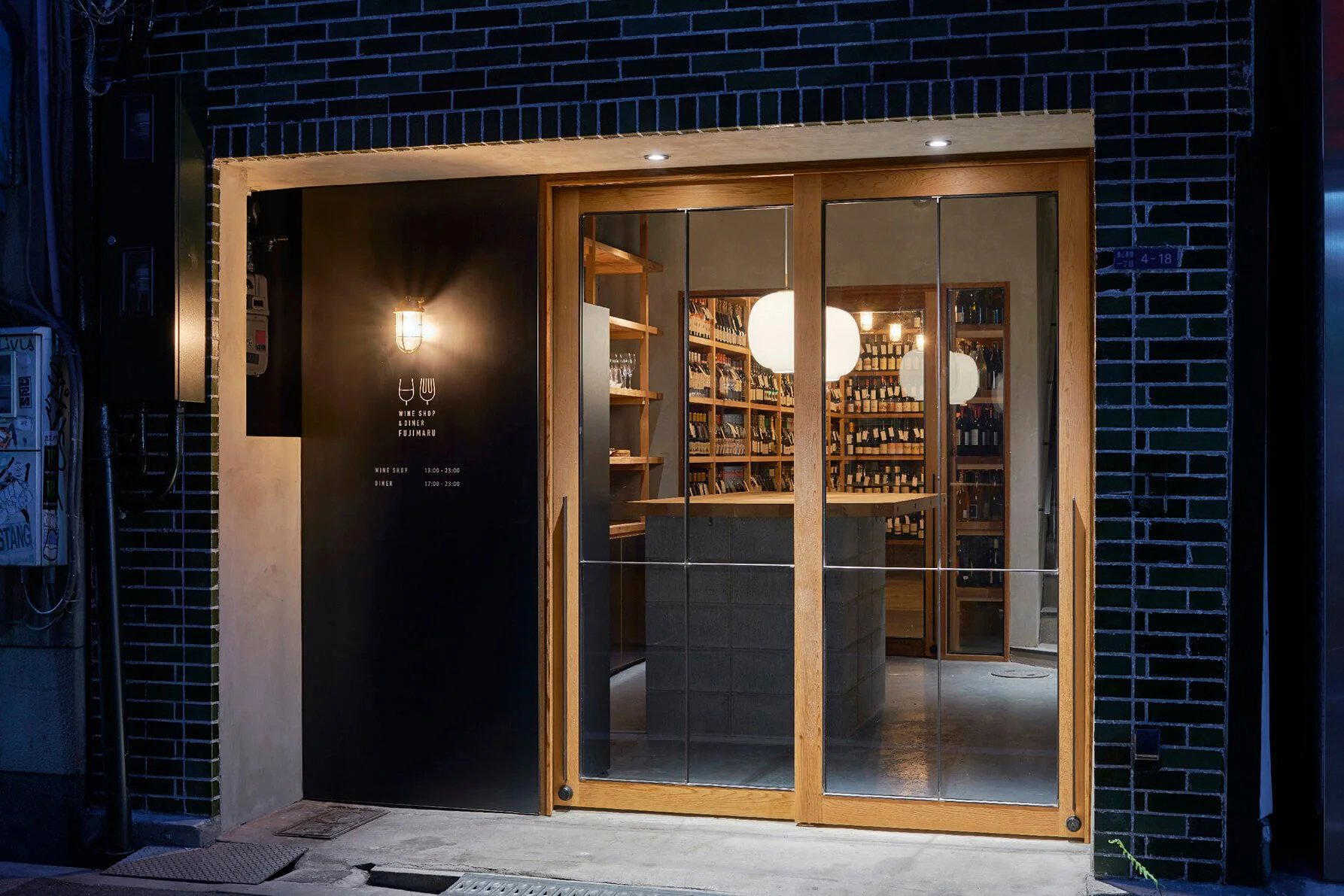
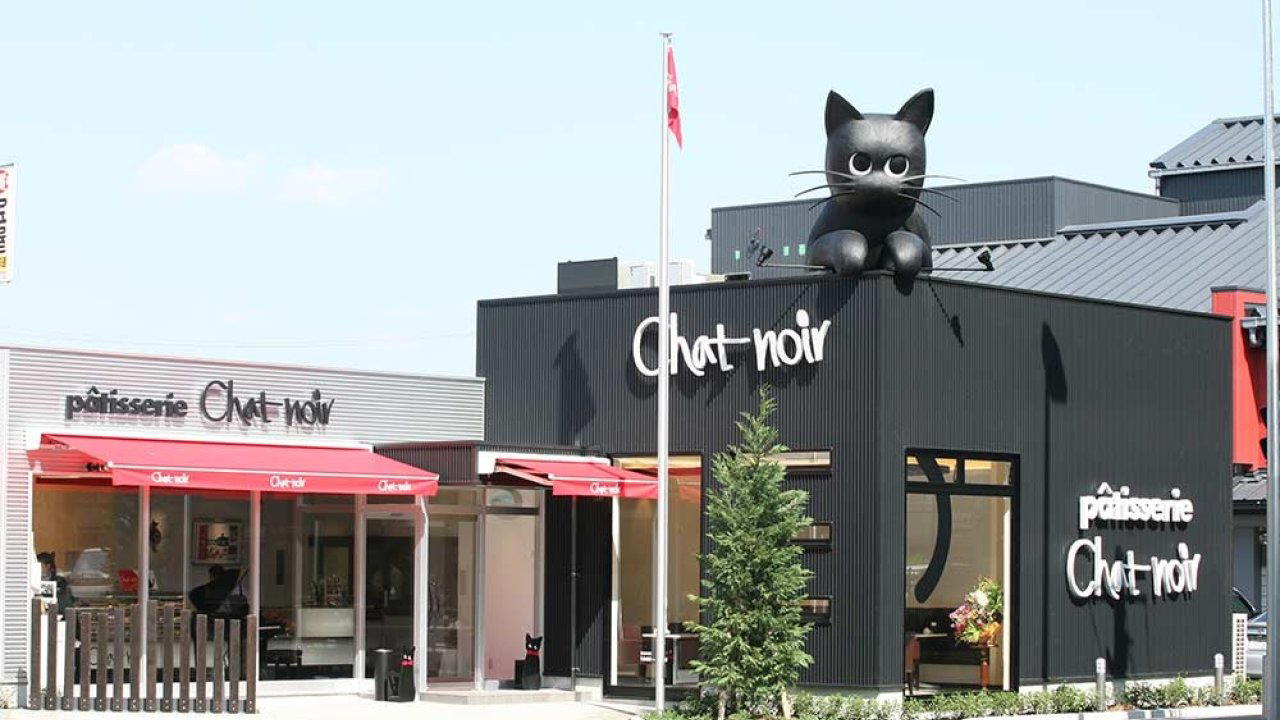


Hotels in Osaka
Browse all →




Wineries in Osaka
Browse all →
At a Glance
- Intimate
- Lively
- Cozy
- Date Night
- Special Occasion
- Family
- Open Kitchen
- Sake Program
- Street Scene
- Waterfront
Current opening hours
- Monday
- 5–10 PM
- Tuesday
- 5–10 PM
- Wednesday
- 5–10 PM
- Thursday
- 5–10 PM
- Friday
- 5–10 PM
- Saturday
- 5–10 PM
- Sunday
- 5–10 PM
Hours can change for holidays and private events. Last verified .
Warm, cozy atmosphere with large windows offering Dotonbori night views and an intimate, fun vibe.