


Michelin Plate · Star Wine List · Wine Spectator Best of Award of Excellence
Our verdict
Taipei's first restaurant to introduce professional sommelier service, Paris 1930 de Hideki Takayama holds a Michelin star and occupies a distinct position in the city's French Contemporary tier. Chef Takayama's menu weaves Taiwanese tea into classical French technique, from sauces to amuse-bouches, while a wine list of 2,020 bottles anchored in Burgundy, Bordeaux, and Champagne completes the offer. Dinner runs Wednesday through Sunday; weekend lunches open a second entry point.

Pearl is the En Primeur Club membership app — saves, bookings, and concierge access live there. Same editors, same standards.
- Address
- 10491, Taiwan, Taipei City, Zhongshan District, Section 2, Minquan E Rd, 41號2樓
- Phone
- +886 2 2597 1234
- Hours
- Mon–Tue ClosedWed–Fri 5:30–10:30 PMSat–Sun 11:30 AM–3:30 PM, 6–10:30 PM
- Directions
- Get directions
- Booking
- Book on the venue's website
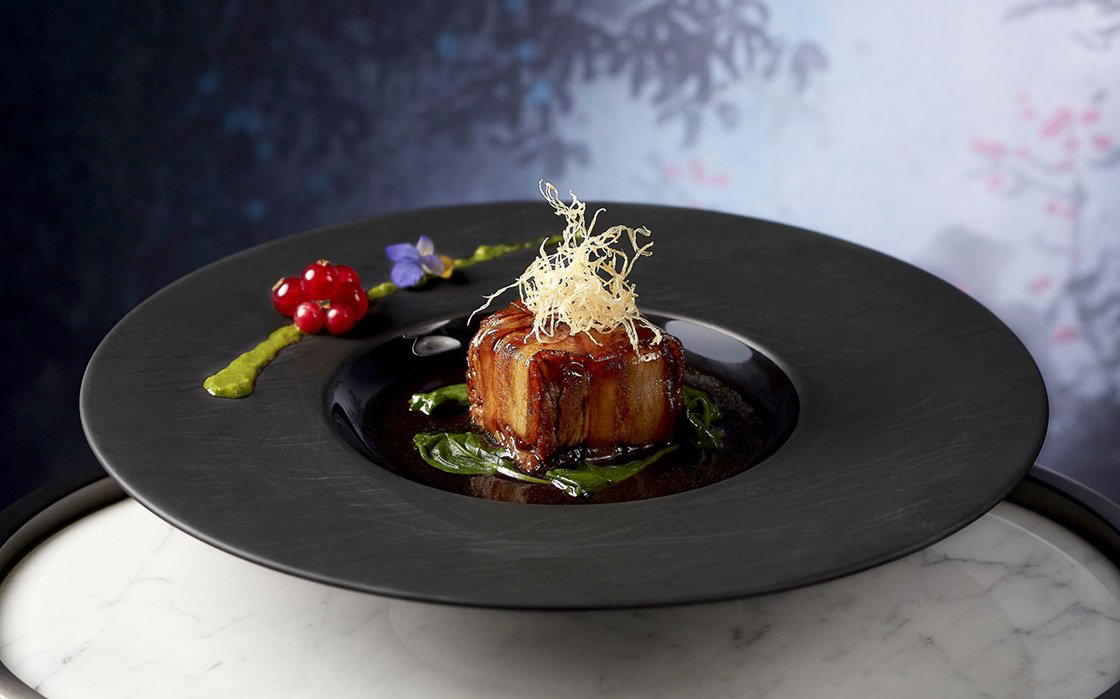
The menu
What to order
- Grilled Iberico Pork
- King Prawn
- Seasonal Vegetables with Sushi Rice
- La Legend
A Room That Has Earned Its Regulars
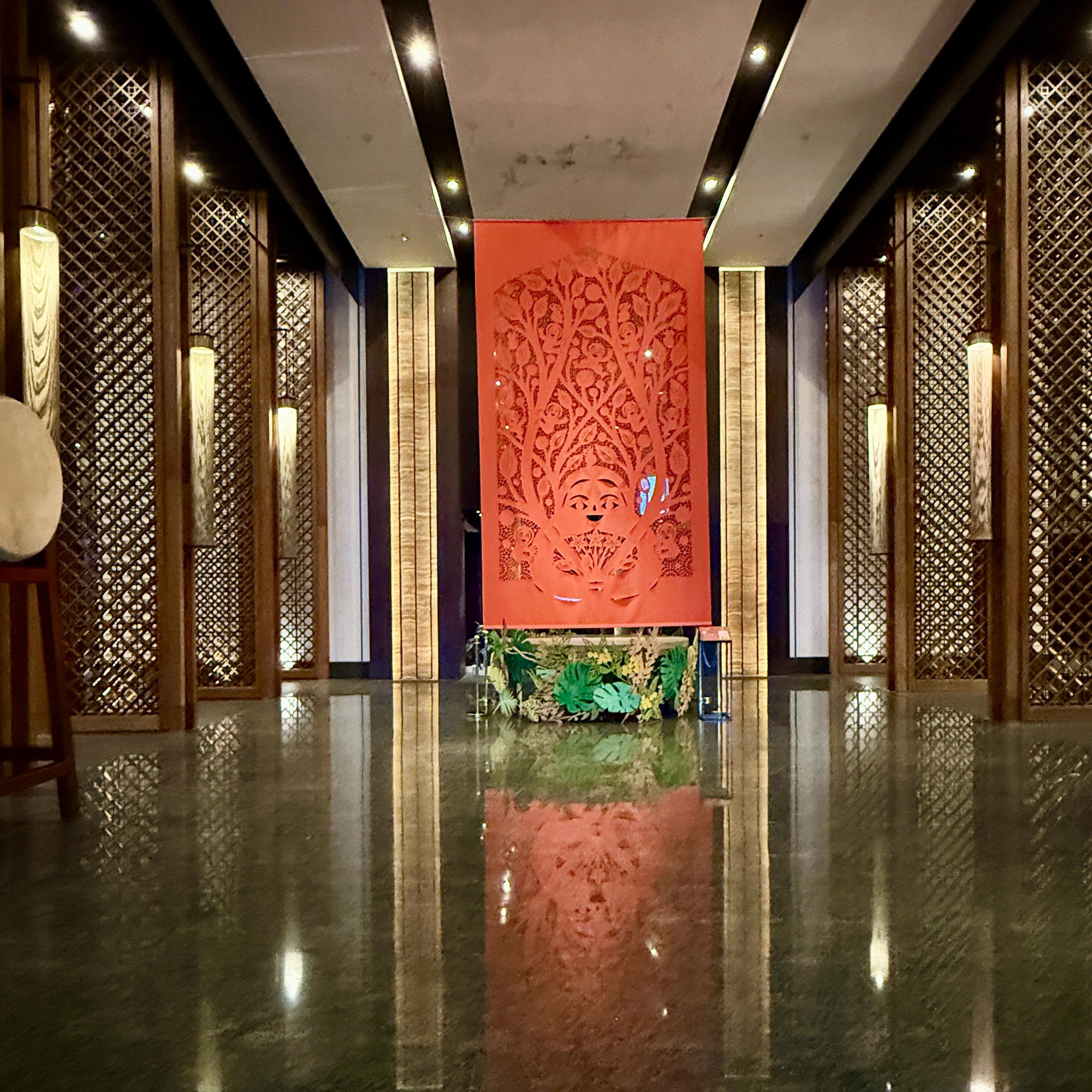
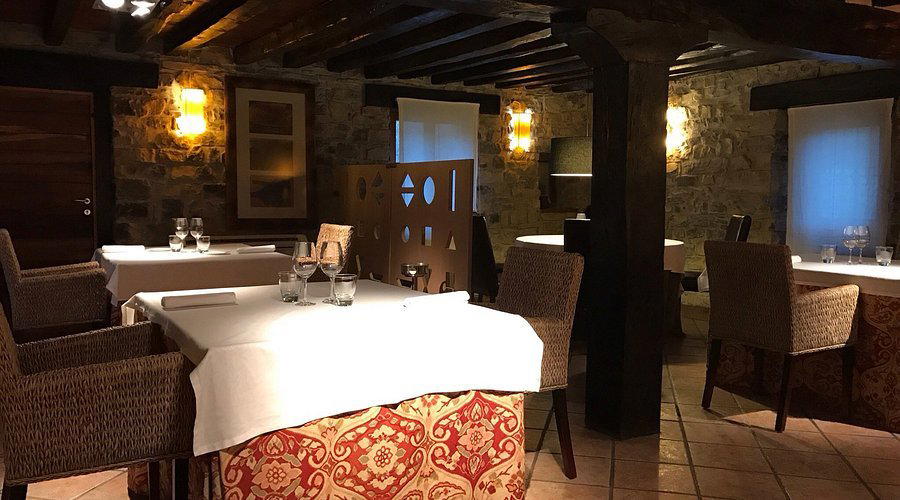
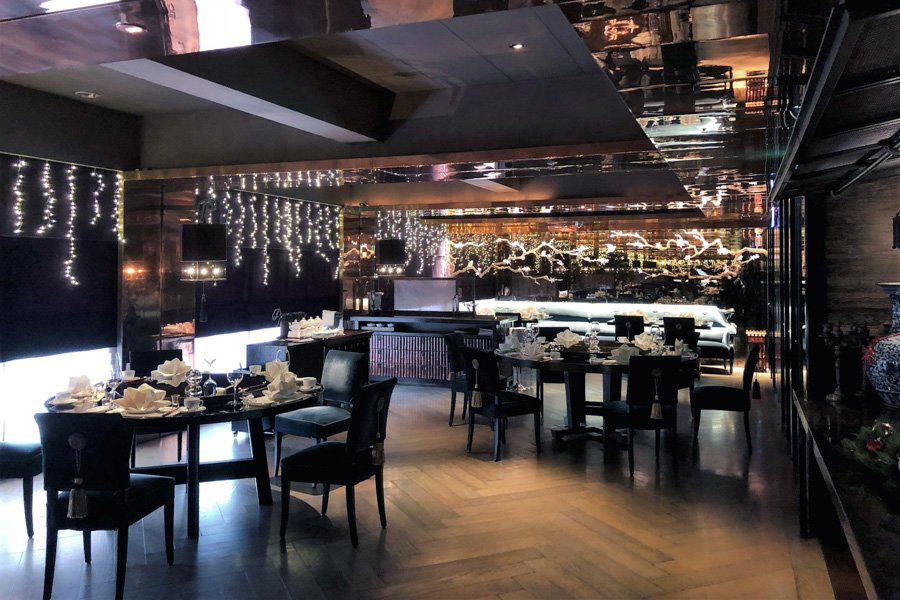
The second-floor dining room on Minquan East Road does not announce itself loudly from the street. That restraint carries inside: a spare, considered interior where the décor reads as background rather than spectacle, leaving the table as the focal point. For the guests who return here season after season, that quietness is precisely the point. Taipei's premium French dining tier has grown considerably over the past decade, with venues including de nuit and 16 by Flo staking out their own positions in the French Contemporary category. Paris 1930 de Hideki Takayama sits within that tier but carries a longer institutional memory than most.
Its regulars know the history. When Paris 1930 first opened, it introduced professional sommelier service to Taiwan, a structural change to how fine dining operated on the island rather than a minor amenity. That precedent still shapes the room's character. A returning guest notices that the wine conversation happens at the table with trained intent, not as an afterthought. Sommelier Candice Lin Jou-Chen oversees a list of 2,020 bottles with particular depth in Burgundy, Bordeaux, and Champagne, priced at a level where many options exceed the $100-per-bottle threshold. The corkage fee, set at $60, positions the room as one where serious bottle-holders can bring their own without the policy working against them.
What Keeps the Regulars Coming Back
In French Contemporary dining across Asia, the template question is always the same: how much does the local context genuinely inflect the French base, and where does that inflection feel earned rather than decorative? At Paris 1930, the answer runs through tea. Chef Hideki Takayama incorporates Taiwanese teas into the cooking at multiple points in the meal, not as a single signature gesture but as a recurring structural element: sauces, amuse-bouches, dinner rolls, and in the preparation of seasonal vegetables with sushi rice. This signals a kitchen philosophy that treats local ingredient culture as material rather than garnish.
That approach places the restaurant in an interesting position relative to its peers. Venues like Cha Cha Thé Cuisine and Clover operate with their own frameworks for handling the dialogue between Taiwanese ingredient culture and European technique. At Paris 1930, the tea integration functions as the kitchen's most consistent editorial statement, threading through courses in ways that reward guests who pay attention across a full meal rather than isolating a single showpiece dish. Regulars report that the experience shifts noticeably with the seasons, as the specific teas and the vegetables they accompany change with what is available locally.
Across Taiwan's broader restaurant scene, the Michelin framework has been running since 2018 and has consistently surfaced restaurants where technique and local identity intersect. JL Studio in Taichung and GEN in Kaohsiung represent analogous ambitions in different cities and cuisines. Paris 1930's one-star recognition in the 2024 guide places it in confirmed company at the island's formal dining level.
The Wine Program as a Draw in Its Own Right
The wine list at Paris 1930 functions as a destination proposition for a subset of the regular clientele. With 430 selections across a 2,020-bottle inventory, and strength concentrated in France's most reference-point regions, the list operates at a scale that few comparable rooms in Taipei match. For guests arriving specifically to work through the Burgundy section alongside Takayama's cooking, the French-Japanese structure of the menu creates natural pairing logic: the tea-inflected sauces and the use of sushi rice as a supporting element in vegetable preparations sit with certain Burgundy whites in ways that merit advance thought.
General Manager Newman Yen and the front-of-house team operate within the framework set by owner Johnny Chow, who has built Paris 1930 under The L... group structure. The result is a room where service formality is present but not stiff, an equilibrium that suits the loyal clientele who use the restaurant for anniversaries and long-form business dinners as much as for casual exploration of the list.
Amber in Hong Kong, Odette in Singapore, and Robuchon au Dôme in Macau represent the upper bracket of the French-in-Asia category, each with distinct structural identities. Paris 1930 holds its position through institutional longevity and through a wine program that punches at a level most one-star rooms in Southeast Asia do not attempt.
Seasonal Timing and the Shape of the Week
The operational calendar runs Wednesday through Sunday for dinner, with the kitchen opening 5:30 PM and service extending to 10:30 PM. Weekend lunches, available Saturday and Sunday from 11:30 AM to 3:30 PM, represent the more accessible entry point in terms of scheduling, and regulars who prefer a longer, unhurried table sometimes favour Saturday lunch specifically because the room does not carry the density of a full Friday dinner service. Monday and Tuesday closures are absolute.
The seasonal character of the menu means that timing a visit around Taiwan's tea harvest cycles adds a layer of intent. Spring and winter teas carry different profiles, and the kitchen's use of tea as a recurring ingredient means those shifts register across multiple courses. For a first visit, the dinner format gives the most complete picture of the kitchen's range; for returning guests, the weekend lunch offers a different pacing without sacrificing access to the full wine program.
Taipei's Zhongshan District, where the restaurant sits, concentrates a significant share of the city's formal dining options, running from the A at the upper register through to mid-tier neighbourhood tables. The district's dining character skews toward longer, more considered meals rather than high-volume turnover, which aligns with what Paris 1930 offers. For guests building a broader Taipei itinerary, our full Taipei restaurants guide maps the city's current dining range, and our full Taipei hotels guide covers proximity and accommodation options across price tiers.
For those extending a Taiwan trip beyond Taipei, the island's dining range now covers significant ground: A Cun Beef Soup in Tainan and Akame in Wutai Township represent the island's capacity for precision at the opposite end of the formality register. Volando Urai Spring Spa and Resort in Wulai District offers a retreat option within reach of the capital. Taipei's bar and wine scene, covered in our full Taipei bars guide and our full Taipei wineries guide, rounds out the city picture. Experiential programming is listed in our full Taipei experiences guide.
Know Before You Go
- Address: 2F, No. 41, Section 2, Minquan East Road, Zhongshan District, Taipei
- Dinner hours: Wednesday to Friday, 5:30 PM to 10:30 PM; Saturday and Sunday, 6:00 PM to 10:30 PM
- Lunch hours: Saturday and Sunday, 11:30 AM to 3:30 PM
- Closed: Monday and Tuesday
- Price range: $$$$ (cuisine); $$$ (wine list, with many bottles above $100)
- Wine list: 430 selections, 2,020-bottle inventory; Burgundy, Bordeaux, and Champagne strengths
- Corkage: $60
- Awards: Michelin One Star (2024); pioneer of professional sommelier service in Taiwan
- Sommelier: Candice Lin Jou-Chen
- General Manager: Newman Yen
Frequently asked questions
How much does it cost to eat at Paris 1930 de Hideki Takayama?
Pricing at Paris 1930 de Hideki Takayama is listed as $$$$.
Does Paris 1930 de Hideki Takayama have a Michelin star or similar recognition?
Paris 1930 de Hideki Takayama has received recognition including: A pioneer in the restaurant industry in Taiwan, the legendary Paris 1930 was the first venue to offer a professional sommelier service to its guests. Paris 1930 is a French restaurant managed by The L...; WINE: Wine Strengths: Burgundy, Bor….
What's the signature dish at Paris 1930 de Hideki Takayama?
No single preparation has been formally designated, but the kitchen's most discussed dish involves seasonal vegetables with sushi rice, a construction that threads chef Takayama's French-Japanese perspective through locally sourced Taiwanese tea incorporated into the preparation. That tea influence also appears in sauces, amuse-bouches, and dinner rolls, making it the thread that runs across the menu rather than one isolated plate.
What days is Paris 1930 de Hideki Takayama closed?
Hours at Paris 1930 de Hideki Takayama: Monday closed Tuesday closed Wednesday 5:30 PM-10:30 PM Thursday 5:30 PM-10:30 PM Friday 5:30 PM-10:30 PM Saturday 11:30 AM-3:30 PM 6 PM-10:30 PM Sunday 11:30 AM-3:30 PM 6 PM-10:30 PM.
How do I find Paris 1930 de Hideki Takayama?
Paris 1930 de Hideki Takayama is located at 10491, Taiwan, Taipei City, Zhongshan District, Section 2, Minquan E Rd, 41號2樓, Taipei.
What has Paris 1930 de Hideki Takayama built its reputation on?
Two pillars. Paris 1930 was the first restaurant in Taiwan to offer a professional sommelier service, a precedent that still shapes how the room operates — the wine program now runs to 430 selections and a 2,020-bottle inventory weighted toward Burgundy, Bordeaux, and Champagne. The second pillar is chef Hideki Takayama's French-Japanese cooking, which earned the restaurant a Michelin star in 2024 and draws a regular clientele that treats the wine list as part of the proposition, not an afterthought.
Comparable Options
| Venue | Cuisine | Price | Awards | Notes |
|---|---|---|---|---|
| Paris 1930 de Hideki TakayamaThis venue — the venue you are viewing | Contemporary French with Japanese and Taiwanese Influences | $200–300 | Michelin Plate · Star Wine List | Not listed |
| logy | Modern Japanese-Taiwanese Fusion Omakase | $100–150 | 2 Michelin Stars · World's 50 Best #22 | Modern European, Asian Contemporary |
| Le Palais | Fine Dining Cantonese | $150–200 | 3 Michelin Stars · La Liste Top Restaurants | Cantonese |
| Taïrroir | Taiwanese-French Fusion Fine Dining | $150–200 | 3 Michelin Stars · La Liste Top Restaurants | Taiwanese/French, Taiwanese contemporary |
| Mudan Tempura | Michelin-Starred Tempura | Not listed | 2 Michelin Stars · La Liste Top Restaurants | Tempura |
| de nuit | Contemporary French | $150–200 | 1 Michelin Star · Star Wine List | French Contemporary |
Recognition history
Dated appearances from independent guides and award organizations, with the underlying list record or original source where available.
Michelin Plate
Michelin
Star Wine List
Star Wine List
Wine Spectator Best of Award of Excellence
Wine Spectator
Full recognition history (6 entries)
Michelin 1 Star
Michelin
Wine Spectator Best of Award of Excellence
Wine Spectator
Michelin 1 Star
Michelin
Continue exploring
More in Taipei
Restaurants in Taipei
Browse all →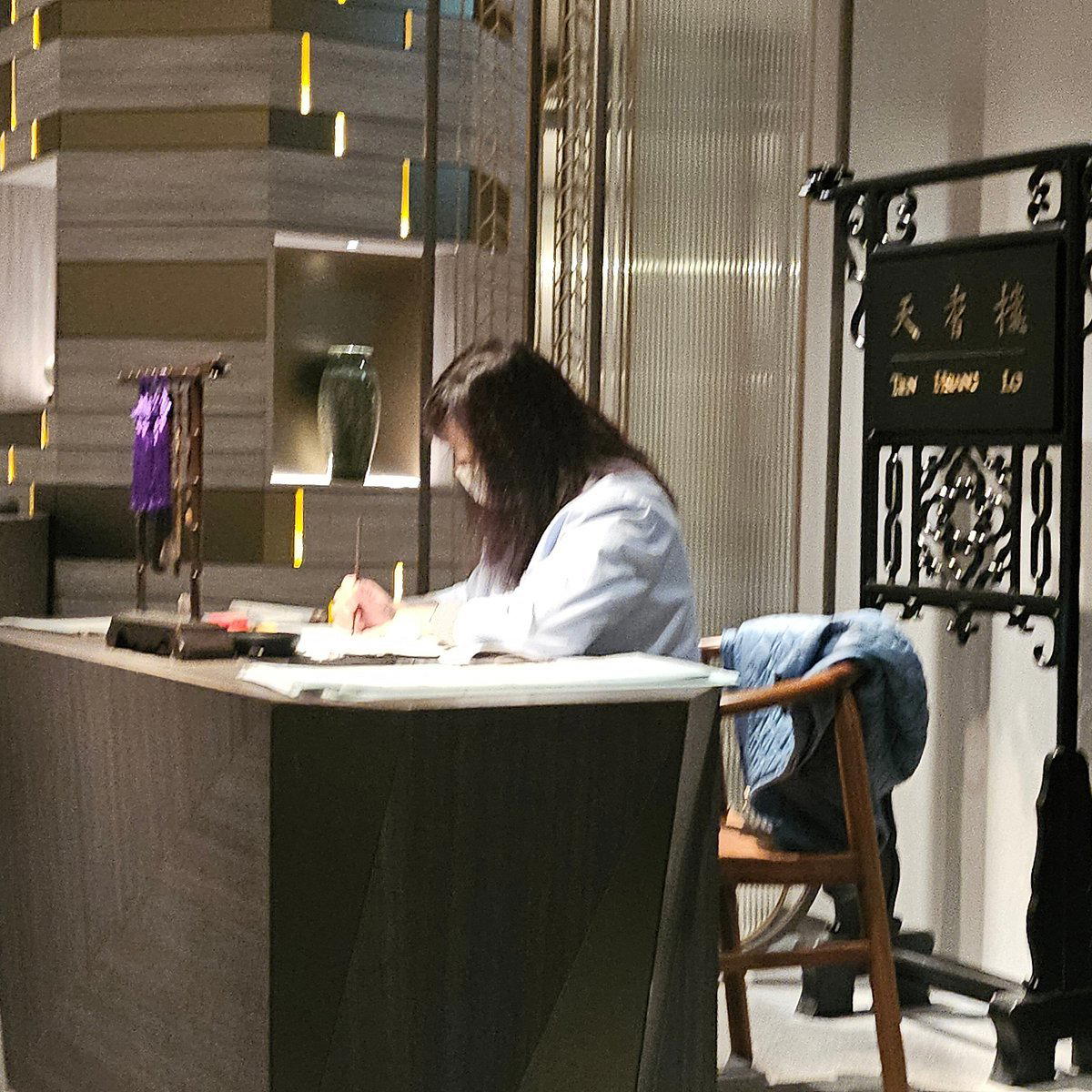
Bars in Taipei
Browse all →
Hotels in Taipei
Browse all →
Wineries in Taipei
Browse all →
Details
- Elegant
- Intimate
- Sophisticated
- Quiet
- Date Night
- Special Occasion
- Business Dinner
- Hotel Restaurant
- Private Dining
- Extensive Wine List
- Sommelier Led
- Tasting Menu
- Prix Fixe
- Wine
- Sake Program
- Vegetarian Friendly
Current opening hours
- Monday
- Closed
- Tuesday
- Closed
- Wednesday
- 5:30–10:30 PM
- Thursday
- 5:30–10:30 PM
- Friday
- 5:30–10:30 PM
- Saturday
- 11:30 AM–3:30 PM, 6–10:30 PM
- Sunday
- 11:30 AM–3:30 PM, 6–10:30 PM
Hours can change for holidays and private events. Last verified .
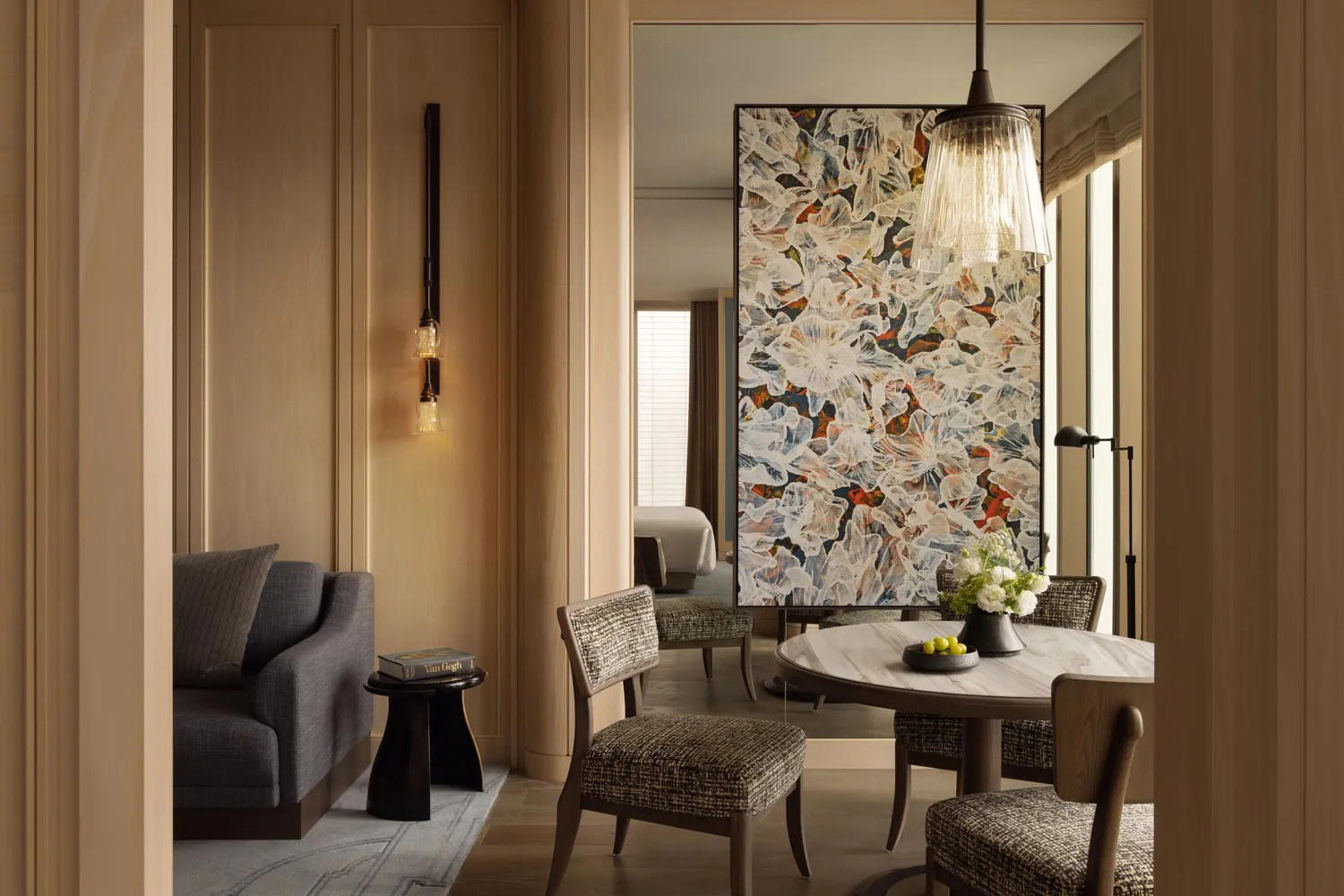
Pristine interior with understated elegance, soft lighting, and intimate seating that emphasizes the plates in a calm, refined atmosphere.