Our verdict
Shanghai Station sits on Calle de Arturo Soria in Madrid's Ciudad Lineal district, operating outside the city's saturated central dining corridor. The restaurant draws from Asian culinary traditions in a city where that category spans enormous ground, from fast-casual chains to the progressive Asian creativity that defines DiverXO. It merits attention from anyone tracking how Madrid's more residential neighbourhoods are quietly building serious dining options.

Pearl is the En Primeur Club membership app — saves, bookings, and concierge access live there. Same editors, same standards.
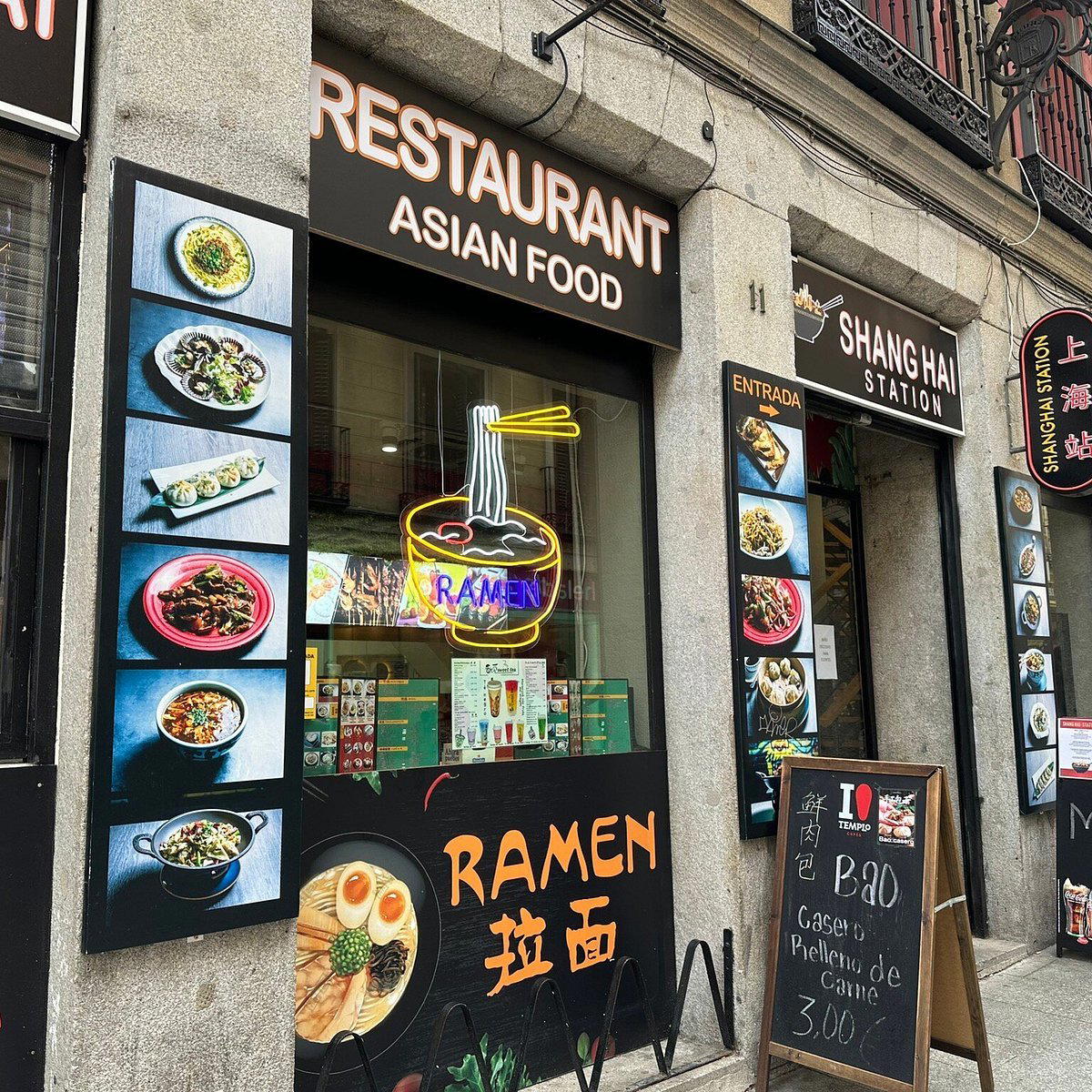
The menu
What to order
- Peking duck with rice
- Chashiu
- Dim sum
- Fried rice
- Lo mein
- Steamed fish
Outside the Centro: How Madrid's Residential Dining Scene Is Maturing
Madrid's dining conversation defaults to a tight cluster of postcodes: Salamanca, Chueca, Malasaña, the Gran Vía corridor. The city's Michelin-decorated establishments, from DiverXO to Coque and Deessa, operate in or close to those zones, reinforcing the idea that serious dining requires geography as a prerequisite. That assumption is increasingly worth questioning. Neighbourhood restaurants in districts like Ciudad Lineal are drawing a more local, less tourist-facing crowd, and the trade-off, lower rents, regulars who return weekly, and less pressure to perform for a critical audience, can produce a more honest dining experience. Shanghai Station, on Calle de Arturo Soria in the eastern stretch of Ciudad Lineal, sits in that context.
The address itself is instructive. Arturo Soria is a long, arterial street that defines one of Madrid's earliest planned urban expansions, a linear city project from the late 19th century that never quite reached its utopian ambitions but left behind wide pavements, residential calm, and a neighbourhood identity distinct from the historic centre. Dining on this axis tends to serve residents first and destination-seekers second. That shapes everything about how a restaurant like Shanghai Station functions day to day.
The Lunch and Dinner Divide in Asian Dining
Across European cities, Asian restaurants operating in residential or semi-commercial districts tend to calibrate their service around a pronounced lunch-dinner split. Midday service leans utilitarian: faster turnover, simplified menus, a clientele that includes office workers, local families, and habitual regulars who know the menu well enough to order without looking. The evening shifts register differently. Tables slow down, order more deliberately, and the kitchen often opens up to more complex preparations that would be operationally difficult at pace.
In Madrid specifically, this pattern is sharpened by the city's deeply embedded lunch culture. The two-hour midday meal remains structurally intact across much of the working population here in a way it has eroded in London or Paris. A well-run Asian restaurant with a serious midday offering, whether that means a fixed-price menu del día built around Asian technique or a streamlined à la carte that prices for accessibility, can do significant volume between 2pm and 4pm with a completely different atmosphere than the same room at 9:30pm on a Friday.
Shanghai Station's Arturo Soria location positions it to capture that lunch trade from the surrounding residential and commercial streets without competing directly against the high-visibility venues further west. The evening proposition, for those willing to travel east of the centre for it, tends to reward patience. Neighbourhood restaurants in this tier operate with fewer covers to impress and more of a relationship with their regulars, which typically means kitchen confidence rather than kitchen anxiety.
Where Shanghai Station Sits in Madrid's Asian Dining Range
Madrid's Asian dining category is unusually wide. At one end, DiverXO has spent years reframing what Asian-influenced cooking can be in a European context, with three Michelin stars and a price point that places it in competition with the most ambitious restaurants anywhere in Spain. That tier, which also connects to the work being done at Atomix in New York City or Le Bernardin in terms of formal ambition, represents one extreme.
At the other end, the city has a substantial base of casual Asian operations, many of which have improved considerably over the past decade as ingredient sourcing became easier and second-generation operators brought more technical depth to their kitchens. Shanghai Station occupies a neighbourhood position that sits between those poles: not a destination in the DiverXO sense, but not a place where you eat quickly and move on either. The surrounding competitive set includes the kind of mid-range Asian restaurant found across Madrid's outer districts, where consistency and value rather than spectacle are the operating currency.
For context on Spain's wider creative dining range, venues like El Celler de Can Roca in Girona, Arzak in San Sebastián, Mugaritz in Errenteria, and Azurmendi in Larrabetzu define the national benchmark in European-rooted creativity. Regional Spanish talent like Quique Dacosta in Dénia, Aponiente in El Puerto de Santa María, Martin Berasategui in Lasarte-Oria, Ricard Camarena in València, Cocina Hermanos Torres in Barcelona, and Atrio in Cáceres all contribute to a national dining culture that sets the standard any serious operator, regardless of cuisine type, must at least acknowledge. Within Madrid itself, DSTAgE and Paco Roncero represent the creative tier that takes its culinary references broadly, including from Asia, as raw material for contemporary Spanish expression.
Shanghai Station does not operate in that creative register. Its value is neighbourhood-scaled: reliability, proximity, a price point that allows repeat visits, and the specific mood of a restaurant that is not trying to impress anyone it does not already know.
Planning a Visit to Shanghai Station
Calle de Arturo Soria 51 is reachable by metro via the Arturo Soria station on Line 5, a direct connection from most central Madrid locations. The neighbourhood is pedestrian-friendly at street level and the address falls within a stretch of the street with regular foot traffic throughout the day. For visitors staying in central Madrid, the journey takes around 20 minutes from the Salamanca district by metro. The practical case for going at lunch rather than dinner is partly about timing, Madrid's evening meal service rarely begins before 9pm, which makes a midday visit the more comfortable entry point for those not yet adjusted to local rhythms. For broader planning across the city's restaurant options, the EP Club Madrid restaurants guide maps the full range from neighbourhood dining to Michelin-decorated tasting menus.
Contact details and current hours were not available at time of publication.
Quick reference: Shanghai Station, C. de Arturo Soria, 51, Ciudad Lineal, Madrid. Metro: Arturo Soria (Line 5).
Frequently asked questions
Where is Shanghai Station in Madrid?
Shanghai Station is located at C. de Arturo Soria, 51, Cdad. Lineal, 28027 Madrid, Spain, Madrid.
Is Shanghai Station in Ciudad Lineal easy to reach from central Madrid by public transport?
Shanghai Station is located at Calle de Arturo Soria 51 in Ciudad Lineal, directly served by Arturo Soria station on Metro Line 5. Line 5 connects through Alameda de Osuna, Ventas, and Callao, giving straightforward access from both the city centre and the airport corridor without requiring a transfer. Journey time from Callao is approximately 20 minutes.
What should I eat at Shanghai Station?
Asian restaurants operating in Madrid's residential districts at this tier typically anchor their offering around shared plates, noodle dishes, and rice-based preparations that skew toward lunch trade. Asking staff for the day's recommended dishes is the most reliable approach on arrival at Calle de Arturo Soria 51.
What's the best way to book Shanghai Station?
For a neighbourhood-tier Asian restaurant on the Arturo Soria axis in Madrid, walk-in availability at lunch is generally more accessible than at dinner, particularly on weekdays. Arriving slightly before service opens is the most dependable approach until direct contact details are verified.
What makes Shanghai Station worth seeking out?
Shanghai Station sits at Calle de Arturo Soria 51 in Ciudad Lineal, outside the saturated dining corridor of Salamanca, Chueca, and Malasaña where most of Madrid's reviewed Asian restaurants concentrate. That geography matters: neighbourhood Asian restaurants in residential Madrid districts tend to price for local regulars rather than tourists, which often means a more direct cost-to-plate ratio. It is also a five-minute walk from Arturo Soria station on Line 5, making it accessible from most central Madrid locations without a significant detour.
Is Shanghai Station good for vegetarians?
In Madrid's mid-range Asian restaurant category broadly, vegetable-forward dishes appear as a matter of course, though the depth of a dedicated vegetarian selection varies considerably by kitchen. Confirming options directly with the restaurant before visiting is advisable for anyone with strict dietary requirements.
What It’s Closest To
Comparable venues nearby, for context on price, style, and recognition.
| Venue | Cuisine | Price | Notes |
|---|---|---|---|
| Shanghai StationThis venue — the venue you are viewing | Authentic Chinese | $10–20 | Not listed |
| Nan Hotpot Madrid | Authentic Chinese Hotpot | $20–30 | Arapiles |
| X BOWL • Noodle House | Authentic Chinese Street Noodles | $30–50 | Palacio |
| Katupiri | Brazilian Pizzeria | $20–30 | Salvador |
| Arquibar Goya | Spanish Cafe-Bar with Brunch | $20–30 | Goya |
| Krathong Thai | Authentic Thai | $20–30 | Goya |
Continue exploring
More in Madrid
Restaurants in Madrid
All restaurants in Madrid →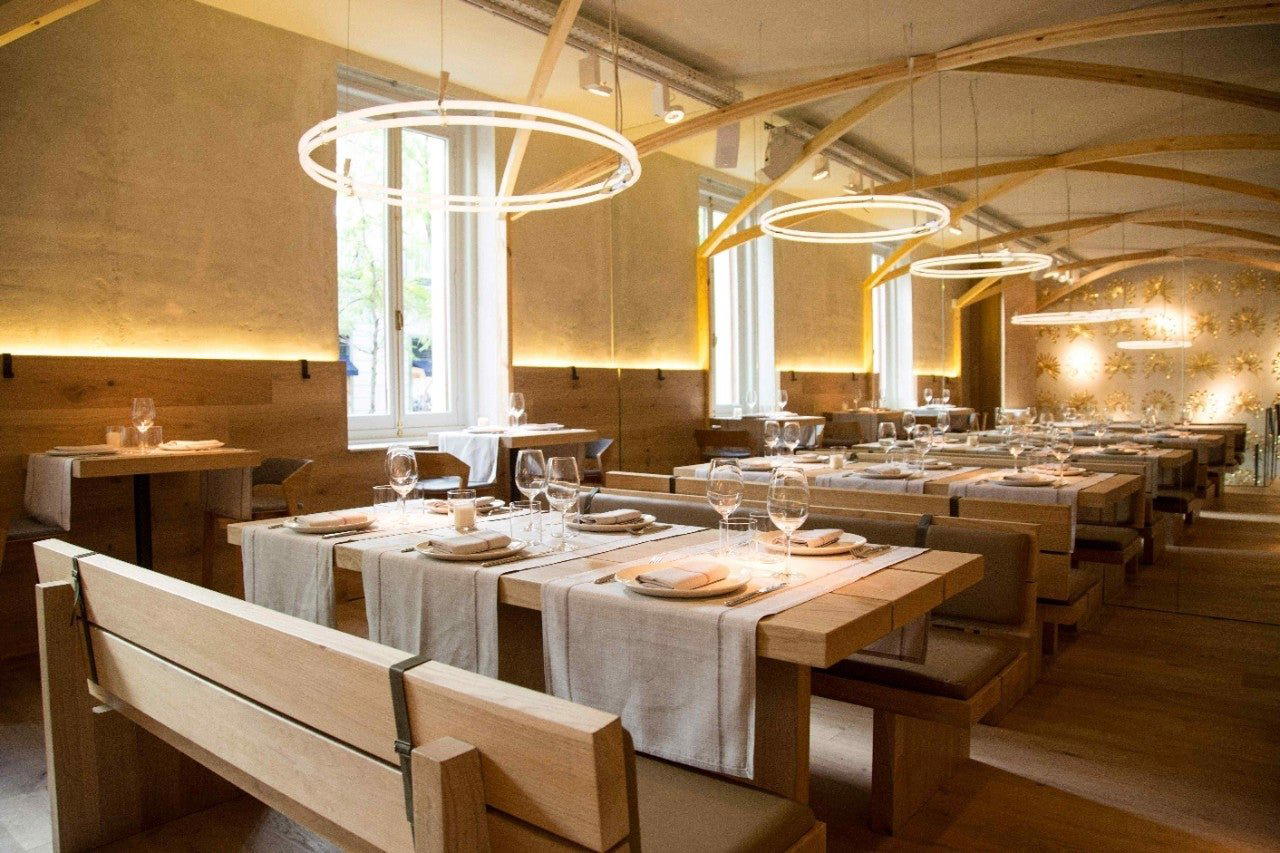
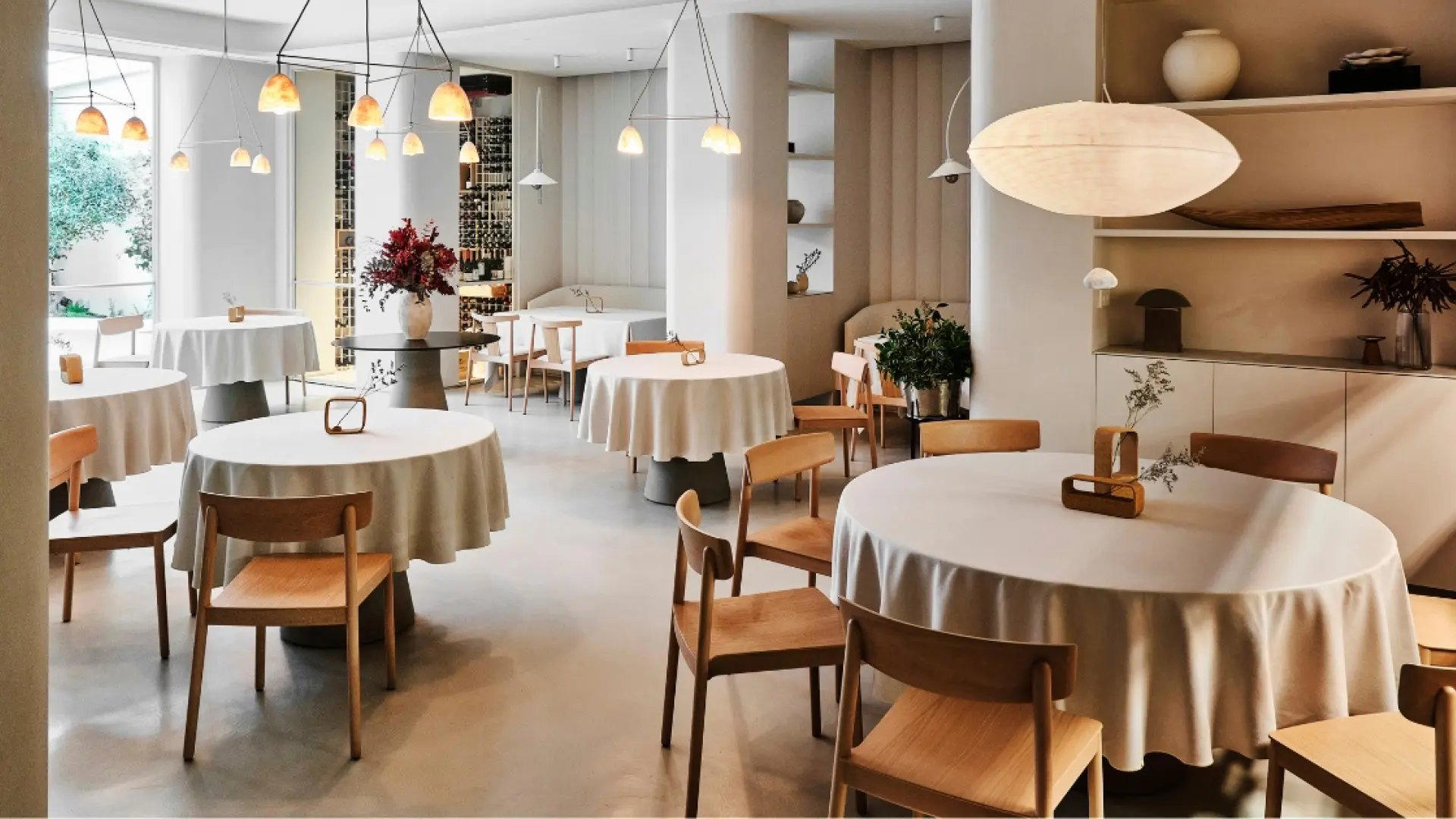
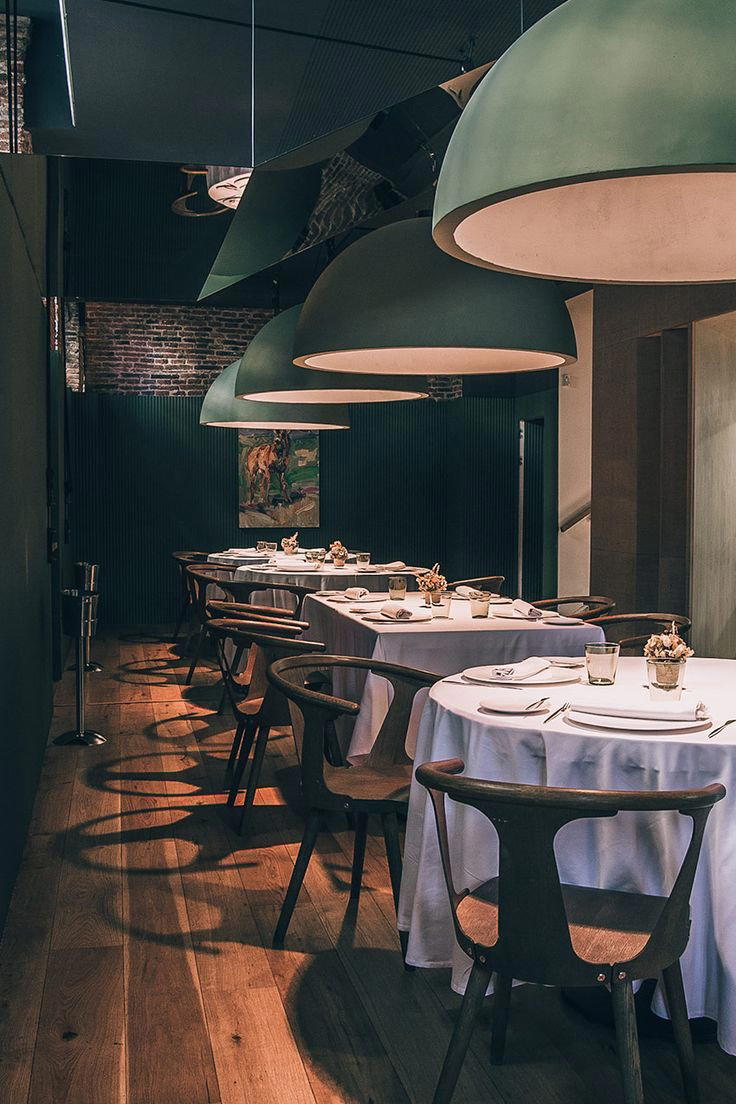
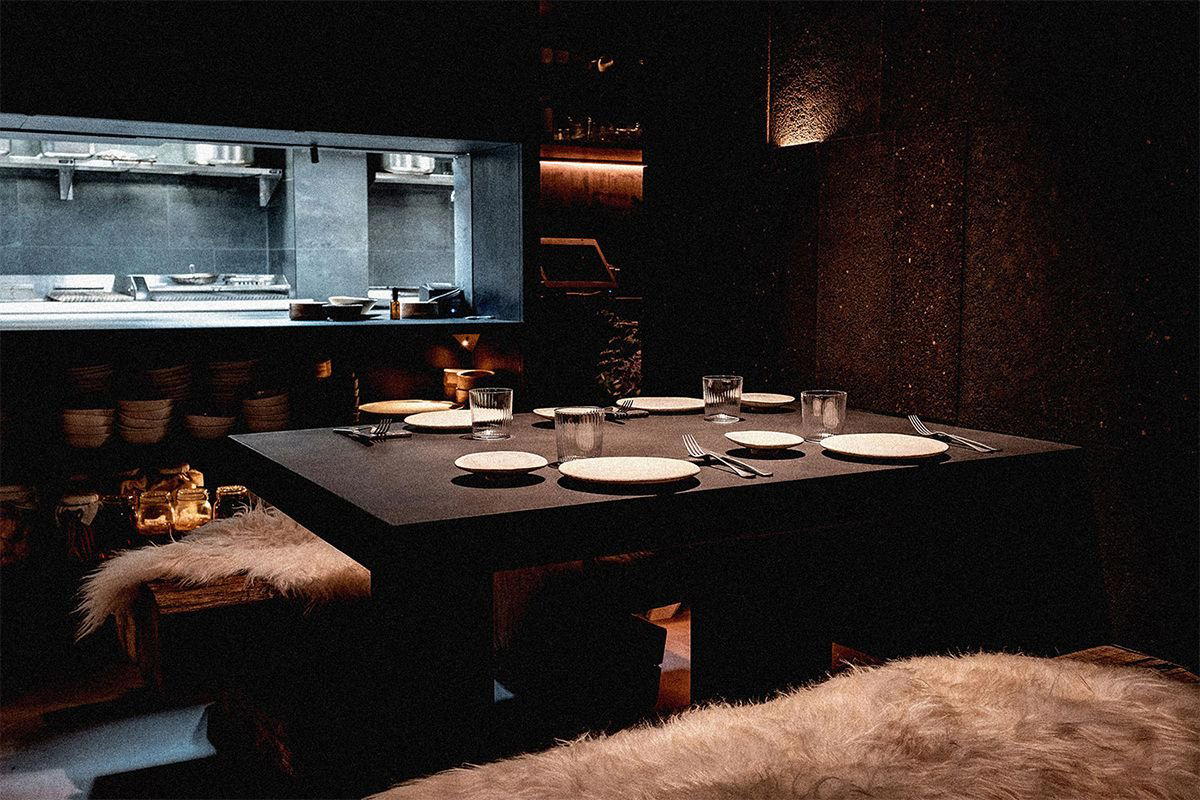
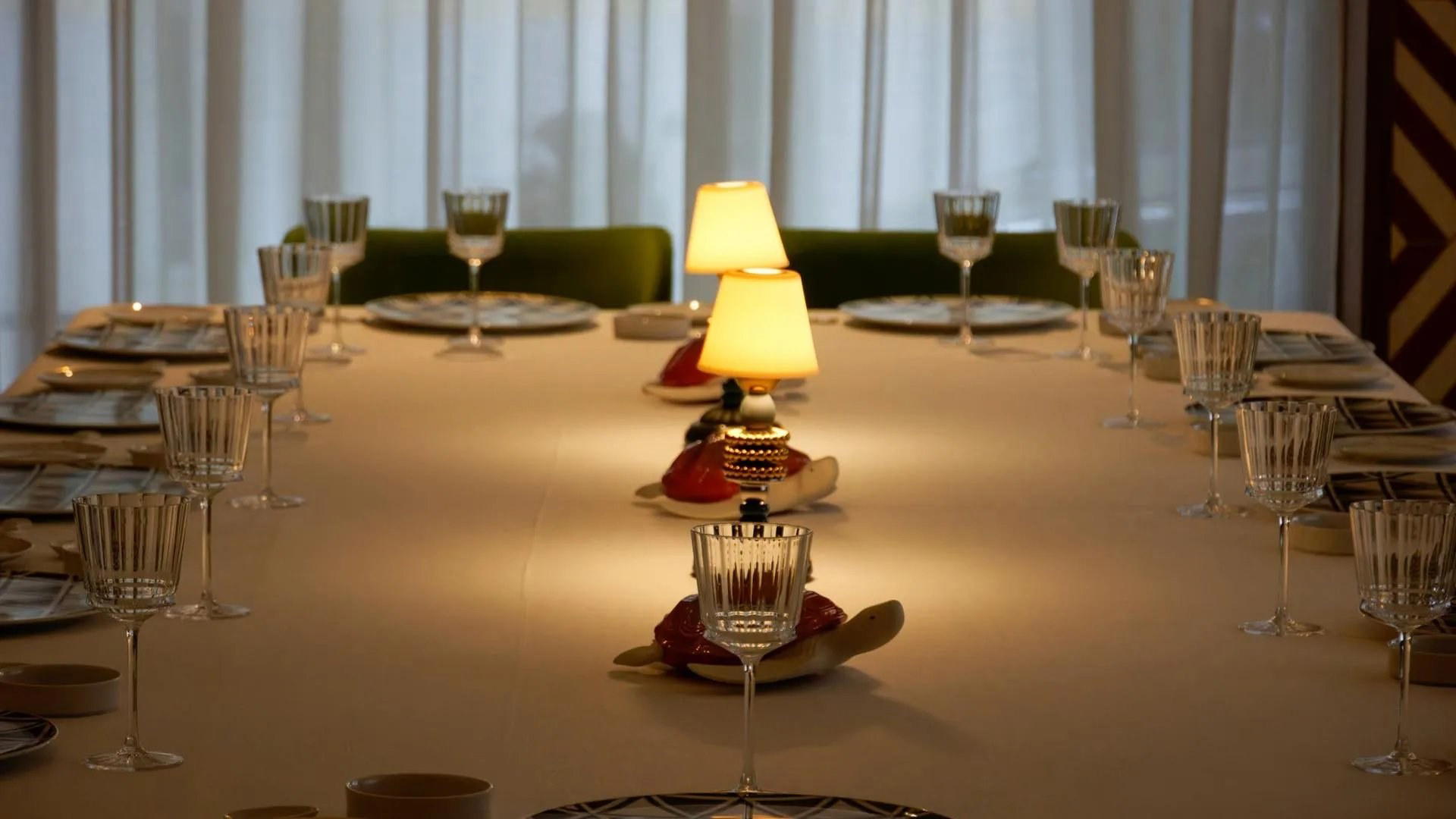
Bars in Madrid
All bars in Madrid →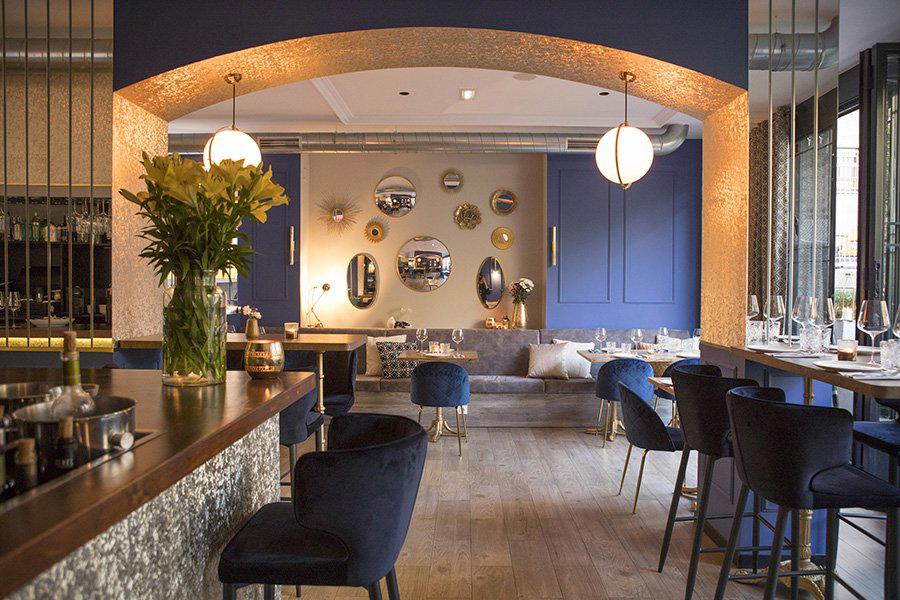
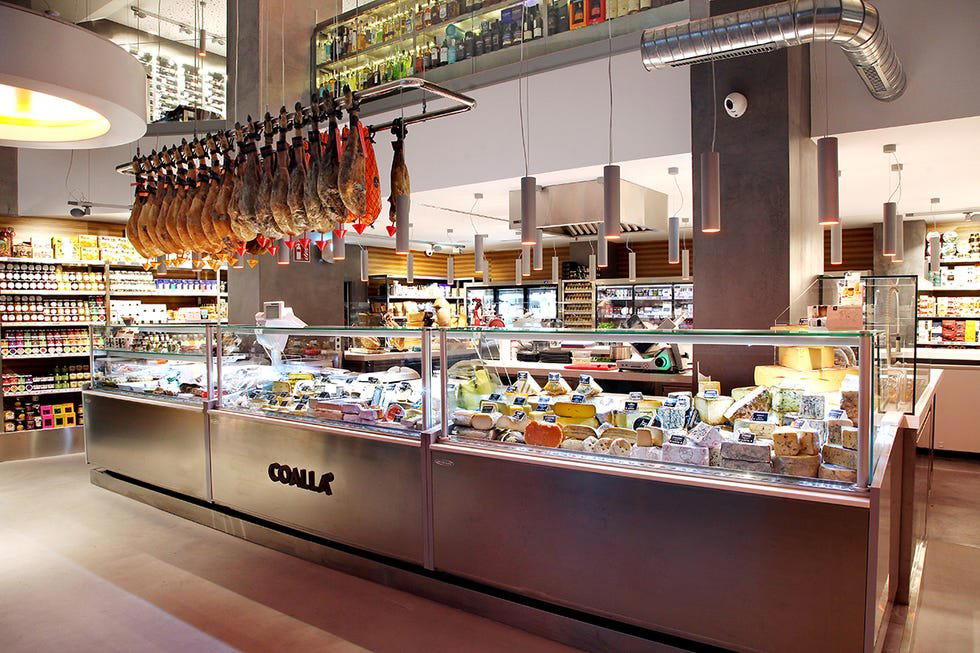


Details
- Lively
- Casual
- Casual Hangout
- Group Dining
- Family
- Standalone
- Beer Program
- A La Carte
- Family Style
- Beer
- Wine
- Vegetarian Friendly
Current opening hours
- Monday
- 12:30–4:30 PM, 8–11:30 PM
- Tuesday
- 12:30–4:30 PM, 8–11:30 PM
- Wednesday
- 12:30–4:30 PM, 8–11:30 PM
- Thursday
- 12:30–4:30 PM, 8–11:30 PM
- Friday
- 12:30–4:30 PM, 8–11:30 PM
- Saturday
- 12:30–4:30 PM, 8–11:30 PM
- Sunday
- 12:30–4:30 PM, 8–11:30 PM
Hours can change for holidays and private events. Last verified .
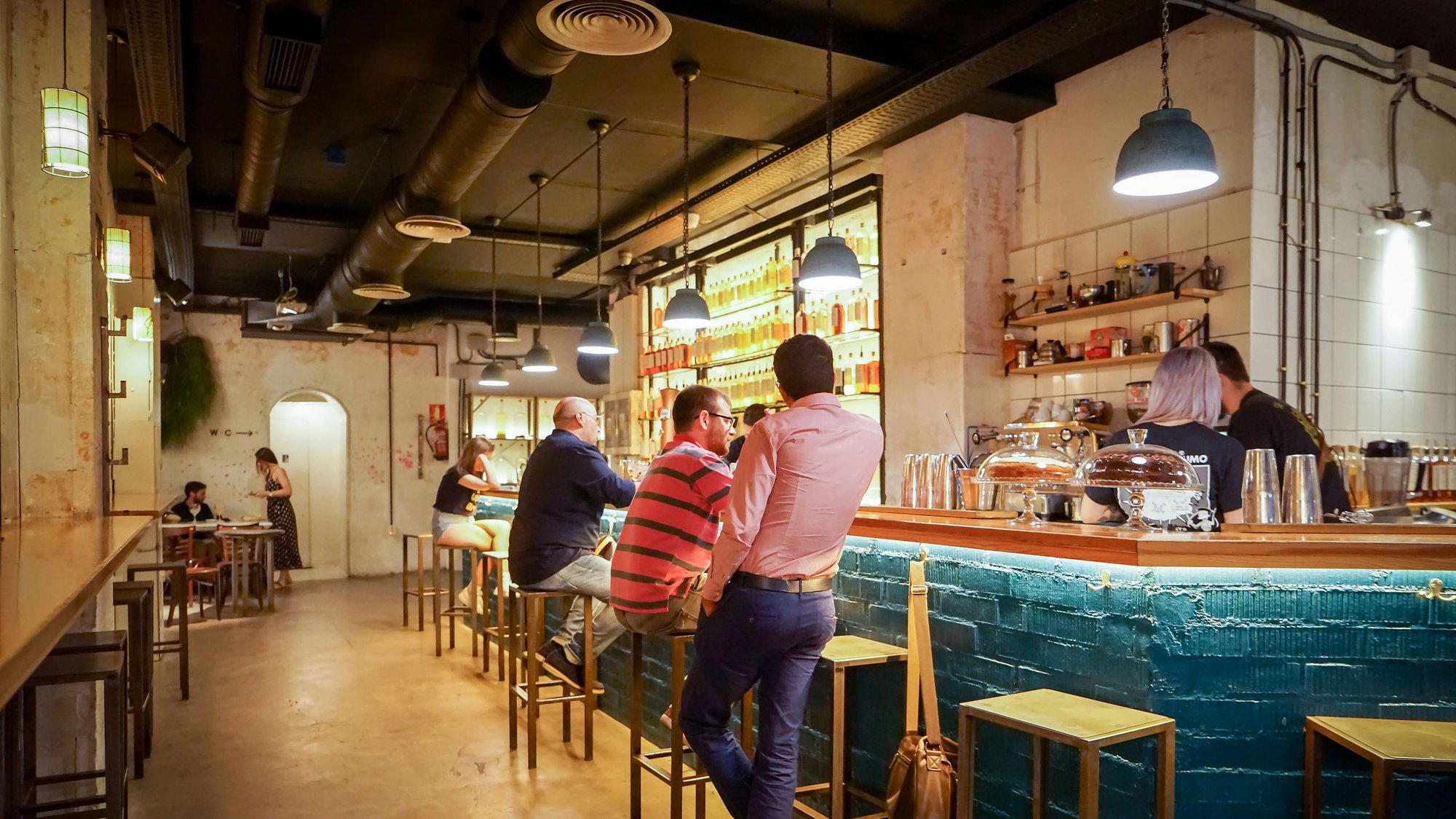
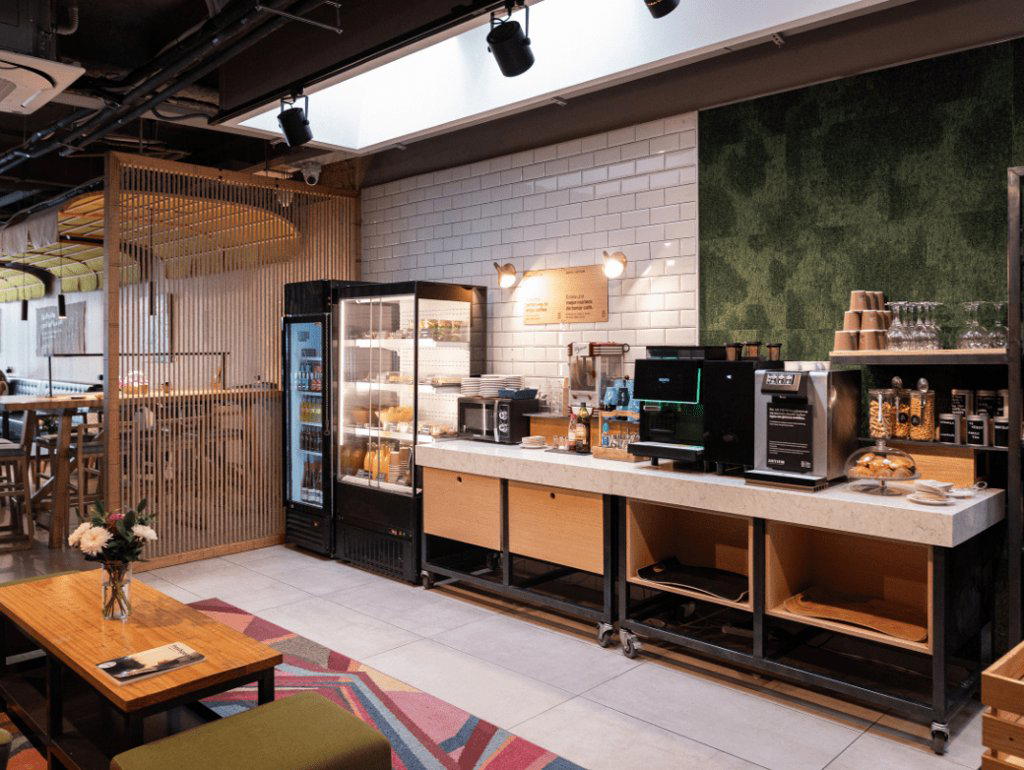
Casual and friendly dining environment with open, welcoming spaces and efficient service staff.