
Shake Kojima Honten puts Tokyo’s everyday fish-and-drink culture in a Suginami setting rather than the city’s polished central dining corridors. The draw is its salmon focus, Kushiro Port sourcing, compact 19-seat room, and Tabelog 100 Diner selection for 2026, with pricing in the JPY 2,000 to JPY 2,999 range.
Pearl is the En Primeur Club membership app — saves, bookings, and concierge access live there. Same editors, same standards.
- Address
- 東京都杉並区和泉1-3-15 めんそーれ大都市場内
- Phone
- +81362408409
- Website
- shake-kojima.com
 Saves & bookings on Pearl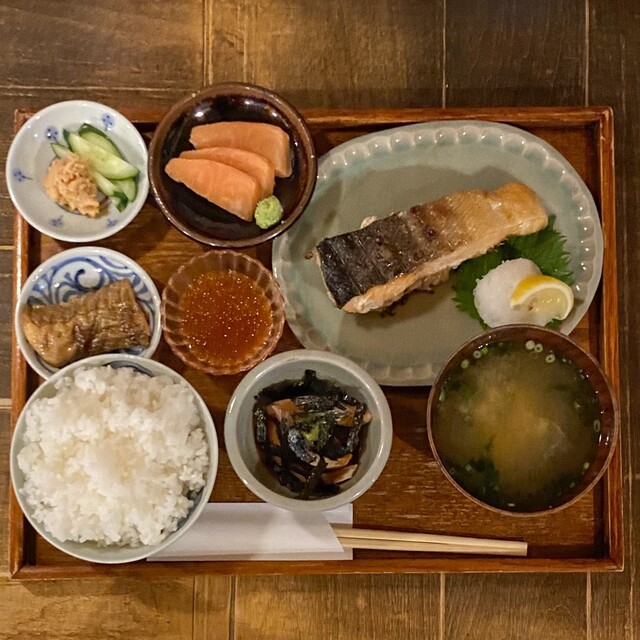
Approaching Daitabashi in Suginami shifts the mood of a Tokyo restaurant night. The city’s glossy dining districts give way to smaller streets, local shopping rhythms, and addresses that make sense to regulars before visitors. Shake Kojima Honten belongs to that Tokyo: compact, fish-led, and closer to the neighbourhood cafeteria-izakaya tradition than to tasting-menu theatre.
Tokyo’s casual dining culture is not a downgrade from its formal one, but a parallel system with its own signals: narrow specialisation, tight rooms, fair pricing, and drink lists built around what people order after work. A 2026 Tabelog 100 Diner selection places the restaurant in a national conversation about shokudo-style excellence, while the format stays grounded. Categorised across cafeteria, seafood, and izakaya, it says more about everyday Japanese eating than one cuisine label could.
Suginami fish culture, not central Tokyo ceremony
Travellers often overconcentrate on Ginza, Roppongi, and Shinjuku because they are legible: hotels, stations, English menus, and familiar prestige cues. Suginami asks for another read. Daitabashi sits west of the central dining circuit, where the reward is proportion rather than spectacle. Here, a fish specialist can work at neighbourhood scale and still draw national recognition, showing why Tokyo’s dining map is deeper than its luxury guidebook version.
The anchor is salmon, sourced directly from Kushiro Port in Hokkaido. That gives the place a sharper identity than “seafood izakaya.” Kushiro is one of eastern Hokkaido’s major fishing ports, and salmon carries particular cultural weight in Japan: breakfast fish, bento staple, sake pairing, grilled set-meal centrepiece, and izakaya comfort food. A restaurant organised around it works because Tokyo diners understand the category before a menu explains it.
At 19 seats, divided between counter and tables, the room sits at the low-capacity end of casual dining. It is neither banquet izakaya nor chef-counter shrine, but the middle space where neighbourhood restaurants prove discipline through repetition: sourcing, portioning, grilling, rice, sake, and pacing. In Tokyo, that middle space often gives visitors a sharper reading of local eating habits than another formal reservation.
For comparison, Tachiguisushi Sushikawa represents standing-sushi seafood, while Chukasoba KOTETSU shows how single-category ramen shops compete on focus. In that logic, Shake Kojima Honten uses fish, drink, and shokudo familiarity to occupy its own lane. Readers mapping the wider scene can place it alongside practical Tokyo food stops such as . 鮪と炭火焼き うお炭 秋葉原店, 12/10 Shinjuku ten, 124. KAGURAZAKA (Yakitori), 2D Cafe, and 3 Chome no Curry Ya San.
A casual price tier with award-level scrutiny
The editorial point is the gap between price and recognition. Dinner sits at JPY 2,000 to JPY 2,999, far from Tokyo’s luxury seafood counters. Yet the Tabelog 100 Diner 2026 selection, plus earlier selections in 2024 and 2021, signals sustained attention within the diner and set-meal category. This credibility differs from Michelin-starred gastronomy: it rewards consistency, category fit, and local conviction rather than rare ingredients under ceremonial conditions.
The drinks list reinforces the setting. Sake, shochu, and wine are all part of the programme, with particular attention to sake and shochu. That is typical of seafood-led izakaya dining, where the meal is not a course progression but a conversation between fish, rice, small plates, and alcohol. The point is not novelty, but fluency in a format Tokyo residents use constantly and visitors often understand too late.
Vegetarians should read the category carefully. This fish-focused cafeteria and izakaya format is built around seafood, with salmon sourcing central to its identity. Tokyo has strong plant-based dining, but this is not the natural address for a vegetarian-led meal unless suitable options are confirmed in advance. For category comparisons, kitchen and CURRY and BAKERY SASA show how lower-priced Tokyo venues can be equally specific in different ways, from curry to bakery culture.
Its child-friendly note also defines the genre. Many premium Tokyo counters are effectively adult spaces because of cost, pace, or etiquette. A compact neighbourhood seafood diner with children welcome belongs to a more flexible dining tradition. That does not mean careless casualness; it means socially local. With only 19 seats, groups should think small-party dining rather than long-table night.
How to place it in a Tokyo itinerary
This is a Suginami dinner, not a between-sights convenience meal. The nearest station is Daitabashi on the Keio Line, and the restaurant is a short walk away. It suits an evening built west of Shinjuku better than a tightly scheduled day on the city’s eastern side. The reward is a clearer look at Tokyo’s ordinary-but-serious dining layer, where a modest bill can still carry a recognised point of view.
Plan the wider itinerary by category rather than prestige. Pair this seafood shokudo-izakaya with a separate sushi night, a ramen lunch, a bakery stop, and a curry counter, and Tokyo reads as specialised micro-formats rather than a checklist of famous rooms. Sushi Nishizaki, where available in a traveller’s plan, belongs to another tier of sushi-focused decision-making; this address answers a different question: where does everyday fish dining become specific enough to travel for?
For wider planning, use Our full Tokyo restaurants guide for dining context, then cross-check the trip against Our full Tokyo hotels guide, Our full Tokyo bars guide, Our full Tokyo wineries guide, and Our full Tokyo experiences guide. Travellers extending the same everyday-food logic beyond Tokyo can compare regional casual formats at -Grilled beef Sukiyaki- KAMAKURA TANUKIAN 鎌倉 たぬき庵 in Kamakura.cafe in Osaka.know in Kumamoto, (Shoku) Vietnam in Kawasaki, [Curry Senmon Ten] Maruyama Kyoju. in Sapporo, and [ki:] in Kyoto. For Japanese drinking and rice-ball culture abroad, Jōdo Saké Bar in Los Angeles and Onigiri Time in Pasadena offer useful counterpoints.
Budget Reality Check
Side-by-side context: comparable cuisine and price.
| Venue | Cuisine | Price | Notes |
|---|---|---|---|
| Shake Kojima HontenThis venue — the venue you are viewing | Not listed | $$ | Not listed |
| Nihon Saisei Sakaba | Not listed | $$ | Shinjuku, Traditional Japanese Grilled Offal Izakaya |
| Yoshida Curry | Not listed | $$ | Suginami, Japanese curry & keema curry shop |
| Ebisu no Yasubee | Not listed | $$ | Shibuya, Kochi‑style gyoza izakaya |
| 甚六 | Shibuya, Shinjuku Private Room Izakaya | Not listed | Not listed |
| Yakitori Hachiman | Shinjuku, Traditional Yakitori Izakaya | $$ | Not listed |
Recognition history
Dated appearances from independent guides and award organizations, with the underlying list record or original source where available.
Tabelog 100 #60 · No. 60
Tabelog · Tabelog 100 - Diner - 2026













At a Glance
- Cozy
- Lively
- Classic
- Casual Hangout
- After Work
- Group Dining
- Solo
- Late Night
- Standalone
- Chefs Counter
- Beer Program
- Sake Program
- Local Sourcing
- Sustainable Seafood
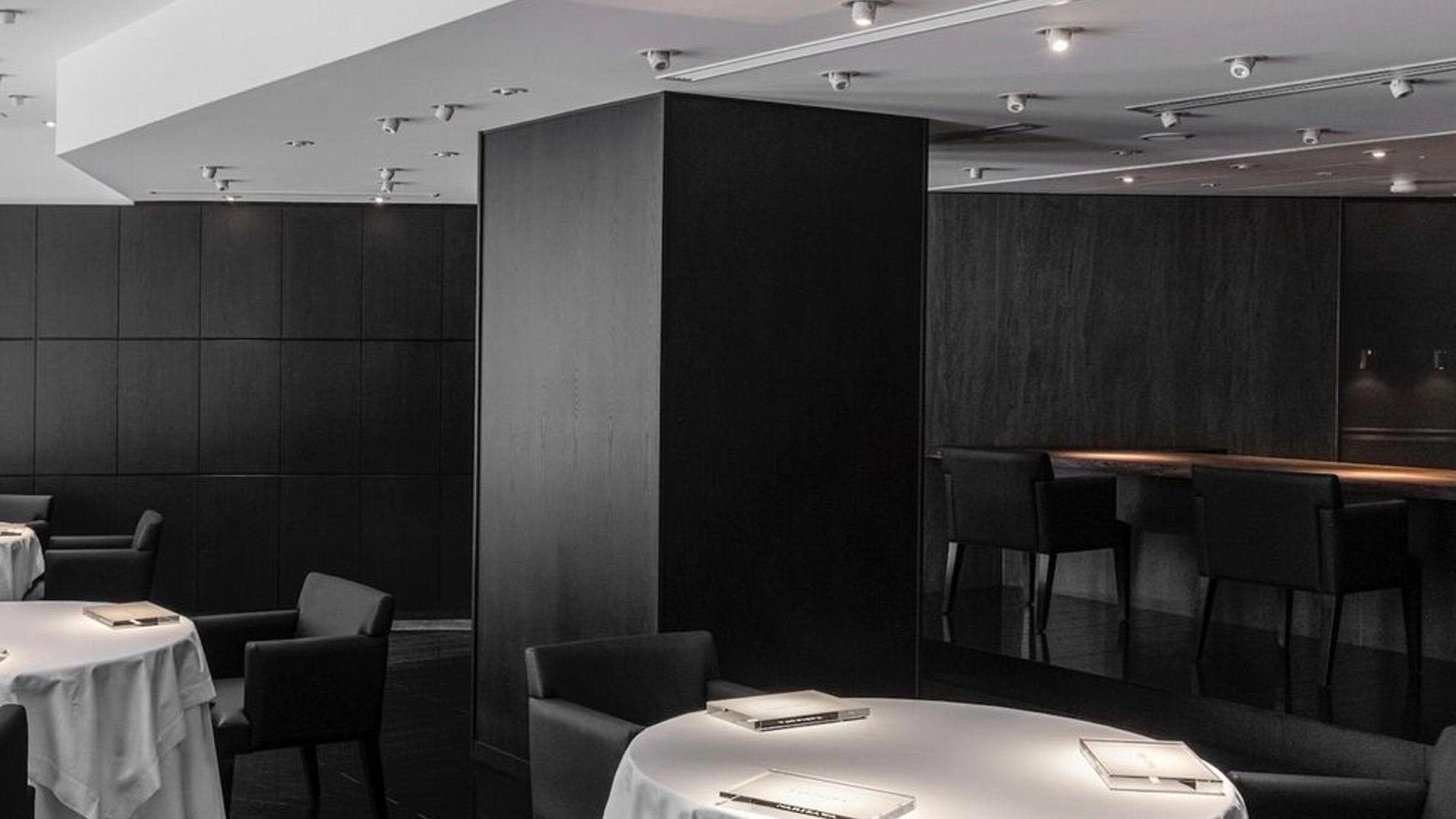
Casual, lively neighborhood diner-izakaya feel with a compact, no-frills interior focused on counter and table seating where the focus is firmly on salmon dishes rather than decor.