Serbish
Serbish occupies a quietly significant address on Ulitsa Pestelya in Saint Petersburg's historic centre, placing it within reach of the city's most considered dining neighbourhood. The restaurant draws on the Balkan culinary tradition that has found a foothold in Russian cities, offering a tasting progression that rewards patience and sequence. For those working through Saint Petersburg's mid-tier dining scene, it represents a distinct regional alternative to the prevailing European and neo-Russian formats.
Pearl is the En Primeur Club membership app — saves, bookings, and concierge access live there. Same editors, same standards.
- Address
- Ulitsa Pestelya, 8/36, St Petersburg, Russia, 191028
- Phone
- +78129043844
- Website
- serbish.ru
- Directions
- Get directions
 Saves & bookings on Pearl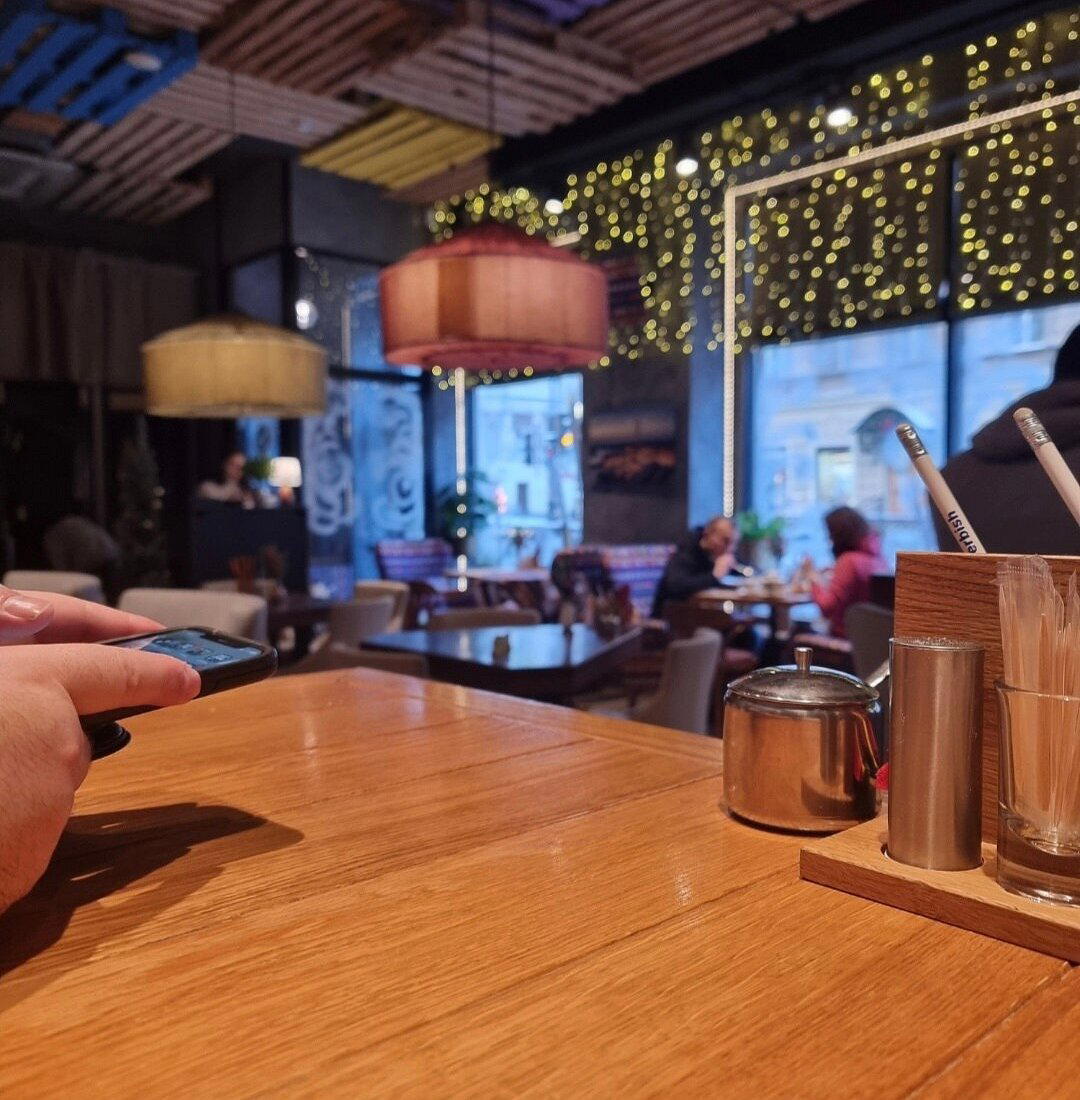
Where Pestelya Street Places You
Ulitsa Pestelya runs through one of Saint Petersburg's most architecturally layered quarters, connecting the area around the Summer Garden to the edges of Liteyny Prospekt. The street-level experience here is quieter than the Nevsky corridor, with fewer tourist-facing businesses and a higher concentration of residents-first venues. Arriving at number 8/36 puts you in a building typical of the district: pre-revolutionary proportions, a courtyard entrance, the kind of address that reads as established rather than conspicuous. In a city where restaurant addresses carry significant social coding, this one signals a neighbourhood-rooted intention rather than a destination-dining pitch.
Saint Petersburg's dining geography has stratified considerably in recent years. The premium tier, represented by addresses like 1913, Bellevue, and Astoria Cafe, occupies a different price and format bracket than the city's mid-range neighbourhood venues. Serbish sits outside both of those poles, in a tier defined more by culinary specificity than by ceremony or occasion-dining positioning.
The Balkan Thread in Russian Dining
Serbian and broader South Slavic cooking has established a modest but coherent presence in Russian cities over the past decade. The cuisine shares enough genetic material with Russian food traditions, preservation techniques, fermented dairy, slow-cooked meats, bread-centred hospitality, that it translates without friction, while still offering something architecturally different from the dominant formats. In Moscow, venues oriented around Eastern European and Balkan cooking have found sustained audiences; in Saint Petersburg, the proposition is rarer. Made in China in St. Petersburg demonstrates the city's appetite for non-Russian regional cuisines when executed with conviction, and Serbish operates in that same logic of deliberate specificity.
The comparison extends across Russia's restaurant cities. Dzhani Restorani in Nizhny Novgorod and Alanskaya Kukhnya in Krasnodar show how regional Caucasian and Central Asian cuisines have built loyal followings in provincial cities by anchoring to a clear culinary identity. The Balkan register at Serbish works similarly: it is not performing fusion or reinterpreting tradition through a contemporary fine-dining lens, but rather presenting a cuisine that is coherent on its own terms.
Reading the Meal in Sequence
Serbian cooking, at its most considered, is structured around progression in a way that doesn't always map to the French-derived multi-course template that dominates European restaurant culture. The meal tends to build from cold preparations and spreads through grilled and slow-cooked proteins, with accompaniments that shift in weight and temperature rather than following a strict starter-main-dessert arc. Ajvar, kajmak, and similar fermented or roasted condiments function as both opening notes and recurring counterweights, reappearing alongside heavier dishes to cut richness and re-establish the palate.
In venues applying this logic seriously, the sequencing matters as much as any individual dish. Atomix in New York City provides a useful reference point for how tasting progression can become the primary editorial frame of a meal, even when the cuisine is culturally distant. The underlying principle transfers: when the kitchen understands the architecture of its food tradition, the order of service is not arbitrary. At Serbish, the address and format suggest a more casual register than a tasting-menu operation, but the cuisine's inherent logic rewards diners who approach it sequentially rather than ordering at random.
The grilled meat formats central to Serbian cooking, ćevapi, pljeskavica, and similar preparations, function leading when they arrive after cold elements have done the work of preparation. A plate of mixed grill landing on an unprepared palate reads differently than the same plate arriving after spreads and bread have established the flavour register. This is cooking that has its own internal timing, and venues that understand it tend to guide rather than simply serve.
Placing Serbish Among Saint Petersburg's Regional Alternatives
Saint Petersburg has a longer tradition of absorbing European culinary influences than most Russian cities, partly by geography, partly by historical self-definition. The city's dining scene has always included a strand of European-adjacent cooking, Scandinavian, German, French, alongside the post-Soviet revival of Russian regional cuisine. The arrival of Balkan cooking as a serious category represents a slightly different movement: less about Western European prestige and more about South Slavic cultural proximity and shared food memory.
Within the Saint Petersburg mid-range, Serbish occupies a distinct lane. Venues like Blok and BeefZavod address different appetite categories, the former oriented around a more contemporary local register, the latter toward a meat-focused format with its own internal logic. Lev I Ptichka represents yet another variant. None of them offer what Serbish offers as a specifically Serbian culinary context, which gives the address a kind of category-of-one status within the city's neighbourhood dining tier, though not in a way that requires superlatives to establish, it simply occupies a position few other venues are contesting.
For context across the wider Russian dining geography, Twins Garden in Moscow sits at the premium, internationally recognised end of the Russian restaurant spectrum, while addresses like Kukhterin in Tomsk, Grisha in Omsk, Khmeli Suneli in Yekaterinburg, Konditerskaya "Kuzina" in Syktyvkar, and Burger Records in Novosibirsk illustrate the range of formats building credible local followings in cities beyond Moscow and Saint Petersburg. Serbish belongs to a similar logic of local specificity rather than cosmopolitan ambition. A reference like Le Bernardin in New York City marks the other end of the formality and recognition spectrum, and helps calibrate where neighbourhood-format venues like Serbish position relative to global fine-dining benchmarks: the comparison is instructive precisely because they are not competing.
Planning a Visit
The address on Ulitsa Pestelya is walkable from the Mayakovskaya and Chernyshevskaya metro stations, placing it within easy reach of the Fontanka embankment area. For a broader picture of what the city offers across formats and price tiers, our full Saint Petersburg restaurants guide maps the options with more editorial depth.
A Credentials Check
Comparable venues nearby, for context on price, style, and recognition.
| Venue | Cuisine | Price | Notes |
|---|---|---|---|
| SerbishThis venue — the venue you are viewing | Traditional Serbian & Dalmatian Grill | $$ | Not listed |
| Palmenya | Mediterranean Seafood | $$$ | City Center |
| Little Sicily | Authentic Sicilian Italian Pizzeria | $$ | City Center |
| 1913 | Classic Russian | $$ | City Center |
| Деда Хинкали на Финлядском | Traditional Georgian Khinkali House | $$ | Выборгский район |
| Social Club | Young Kitchen: Israeli Street Food & Franco-Italian Fusion | $$ | Rubinshtein Street |
Continue exploring
More in Saint Petersburg
Restaurants in Saint Petersburg
Browse all →
Bars in Saint Petersburg
Browse all →

Hotels in Saint Petersburg
Browse all →

At a Glance
- Cozy
- Rustic
- Classic
- Group Dining
- Casual Hangout
- After Work
- Private Dining
- Open Kitchen
- Beer Program
- Local Sourcing
Current opening hours
- Monday
- 12–11 PM
- Tuesday
- 12–11 PM
- Wednesday
- 12–11 PM
- Thursday
- 12–11 PM
- Friday
- 12 PM–12 AM
- Saturday
- 12 PM–12 AM
- Sunday
- 12–11 PM
Hours can change for holidays and private events. Last verified .
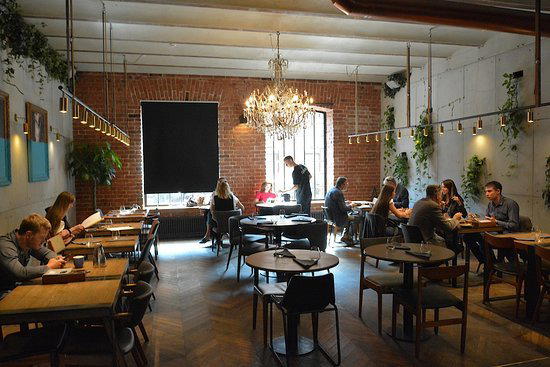
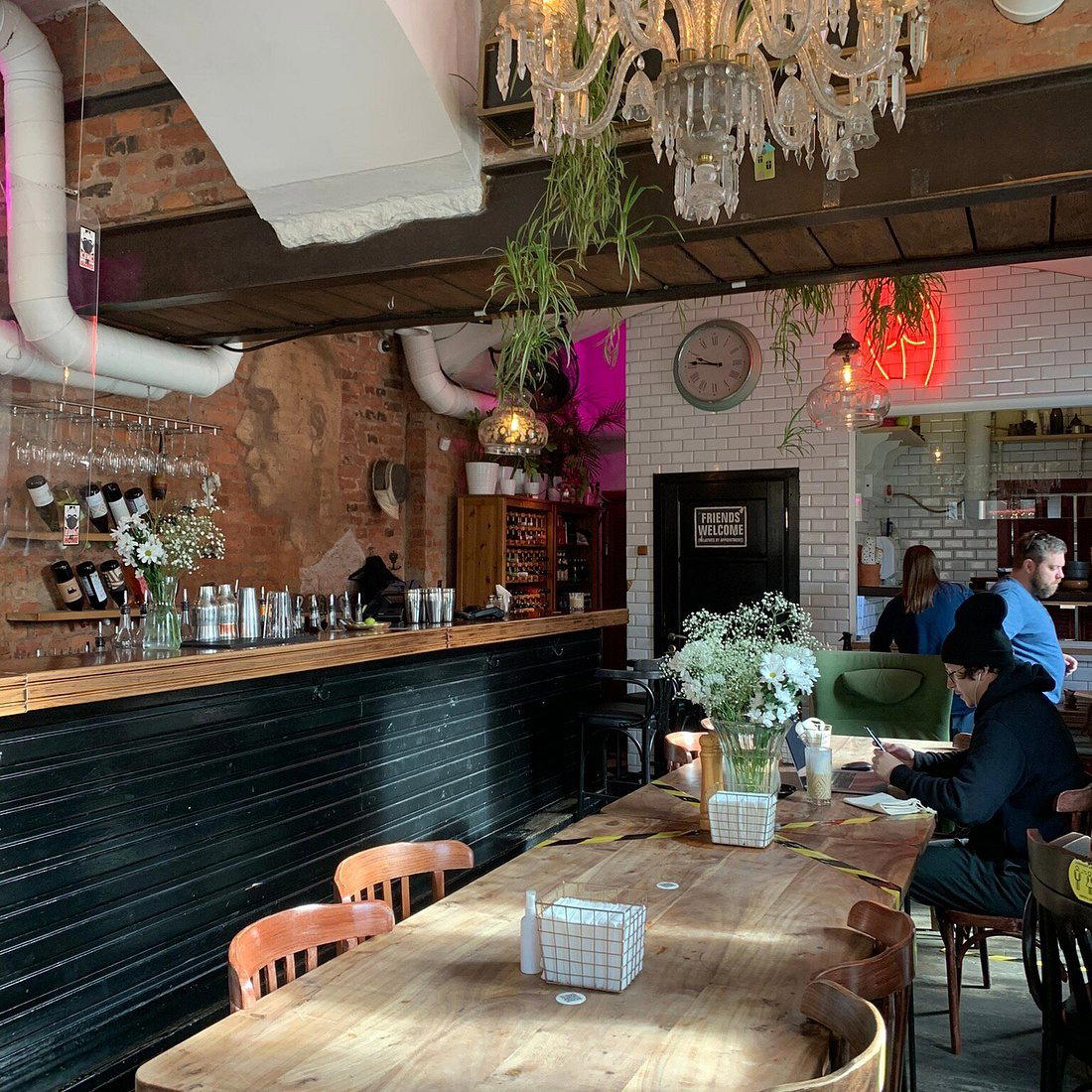
Warm, loft-style setting with bright design accents, hearty reception, and the aroma of traditional Serbian coffee creating an immersive Balkan atmosphere.