Palmenya
Our verdict
Palmenya pairs Mediterranean seafood with an extensive wine list and craft cocktails, with Fresh Catch of the Day and Seafood Risotto suited to a leisurely dinner.

Pearl is the En Primeur Club membership app — saves, bookings, and concierge access live there. Same editors, same standards.
- Address
- Saint Petersburg, Russia
- Directions
- Get directions
The menu
What to order
- Fresh Catch of the Day
- Seafood Risotto
- Mediterranean Branzino
Saint Petersburg's Georgian Table
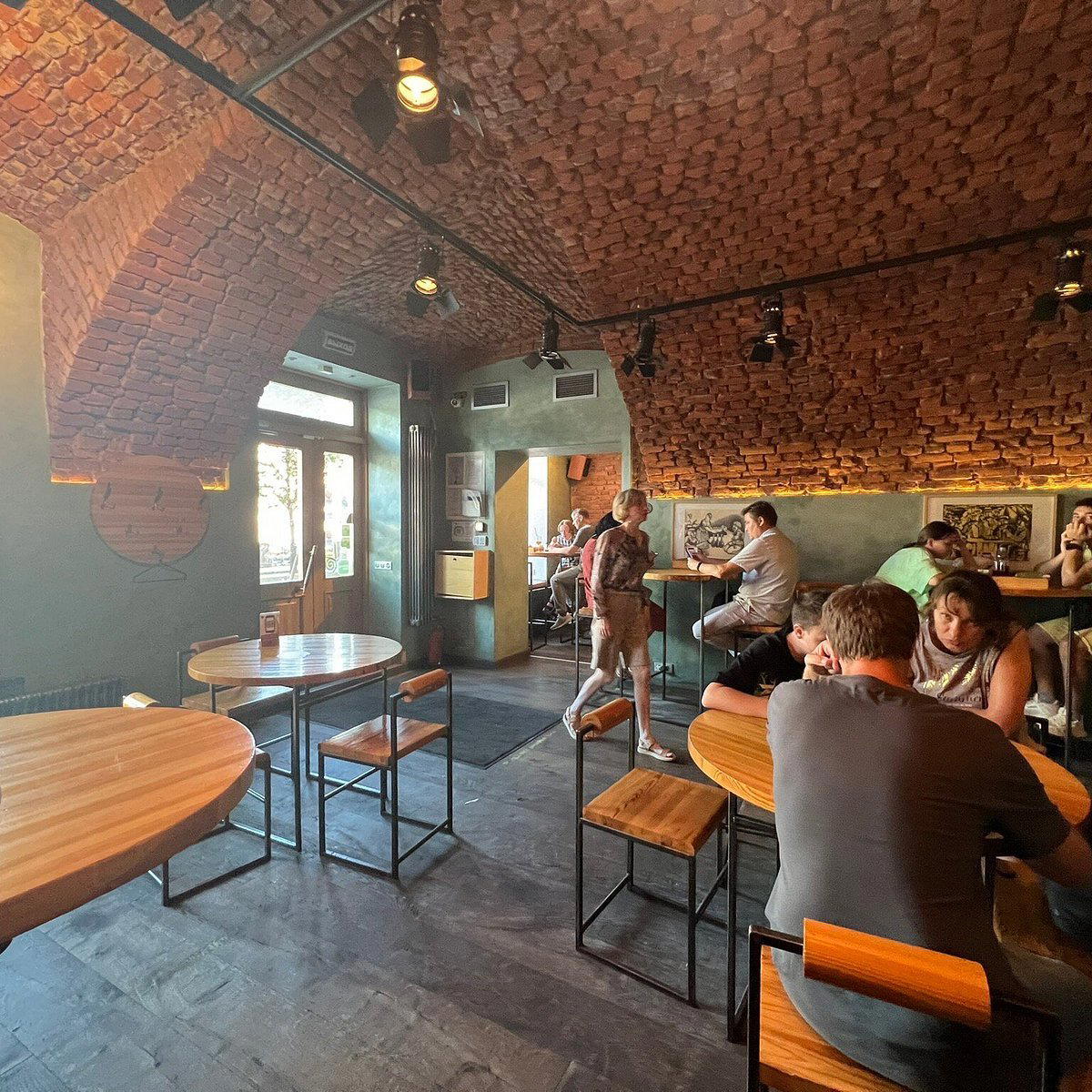
There is a particular atmosphere that defines the better Georgian restaurants operating in Russia's second city. The light tends to be warm and close, the ceiling low enough that conversation carries weight, and somewhere in the background the smell of tkemali and charred bread edges into the room before the food arrives. Saint Petersburg has developed a substantial tradition of Georgian dining over the past two decades, drawing on close cultural ties and a diaspora community with clear expectations about what the table should look and taste like. Palmenya sits within that tradition, occupying a position that regulars in the city's Georgian dining circuit would recognise as serious rather than decorative.
Georgian cuisine in Russia occupies a specific cultural register. It is neither exotic nor entirely domestic — it carries the weight of a shared Soviet-era familiarity reframed through contemporary hospitality. Dishes like khachapuri in its Adjarian form, the open boat of bread holding a raw egg and butter, or the dense, walnut-heavy satsivi, arrive with expectations already formed by decades of memory and repetition. The better establishments in Saint Petersburg understand that the competition is not with other Georgian restaurants alone but with the version of Georgian food that every Russian diner carries somewhere in their personal history. Palmenya operates in that context.
Where Palmenya Fits in the City's Dining Spread
Saint Petersburg's restaurant scene in recent years has split along familiar lines. There is a formal European-influenced tier, represented by places like 1913 and Bellevue, which position themselves around occasion dining and architectural interiors. There is a casual-contemporary tier, where venues like Blok operate with a looser format and a younger editorial identity. And then there is a mid-register of cuisine-specific restaurants that draw loyalty from a repeat clientele rather than from tourist traffic. Georgian restaurants in Saint Petersburg mostly inhabit this third tier, and it is where Palmenya makes its case.
Compared to the broader Russian fine-dining conversation, which in Moscow finds its most visible expression at places like Twins Garden, the Georgian table in Saint Petersburg operates without the pressure of critical infrastructure. There are no Michelin stars in play, no 50 Best citations to anchor positioning. Reputation here is built through neighbourhood loyalty and word-of-mouth from a community that takes Georgian hospitality seriously as a social act rather than a gastronomic credential.
Saint Petersburg also hosts a range of Asian-influenced tables that draw serious repeat business, including Made in China, while the city's broader casual dining culture includes venues like Lev I Ptichka. Across Russia more broadly, regional cuisine specialists are among the more interesting dining propositions: Kukhterin in Tomsk, Alanskaya Kukhnya in Krasnodar, and Dzhani Restorani in Nizhny Novgorod all point to a pattern where cuisine-specific restaurants outside major capitals find their audience through depth rather than visibility. Palmenya belongs to that pattern.
The Sensory Logic of Georgian Hospitality
The sensory experience of a Georgian restaurant is different in structure from a European tasting-menu format. It is additive rather than sequential. Dishes arrive in overlapping rhythm, the table fills, bread absorbs sauce, and the meal acquires weight incrementally. The cold starters — pkhali in their compressed vegetable geometry, lobiani with its black-bean density, arrive first and stay on the table while hot dishes follow. The sound of a Georgian dining room at capacity is a specific one: louder than a French brasserie, less performative than a contemporary cocktail bar, grounded in a social code where hospitality is demonstrated through abundance rather than precision.
This structural logic matters because it changes how a diner should approach a venue like Palmenya. Arriving for a solo meal or a table of two produces a different experience than arriving in a group of four or more, where the table can spread across a broader selection and the hospitality logic has room to function properly. The wine list in a well-run Georgian restaurant should include at least some representation of amber wines from Kakheti, where skin-contact fermentation in qvevri vessels produces wines that carry tannin and oxidative character quite unlike anything from European appellations. Whether Palmenya's current list reflects that is not something we can confirm without verified sourcing, but any serious Georgian table in this city should be evaluated on that criterion.
Visiting Palmenya: What to Plan Around
Saint Petersburg's dining rhythm runs later than western European equivalents. Tables at mid-tier restaurants in the city typically fill from 20:00 onward, and weekend evenings at Georgian restaurants in particular tend to involve long, social meals that extend well past midnight. If Palmenya follows that pattern, arriving before 19:30 on a weekday will generally mean a quieter room and faster service, useful context for anyone whose priority is a focused meal rather than the full social atmosphere. For confirmed booking information, address, and current hours, contact details should be sought through the venue's own channels or through our full Saint Petersburg restaurants guide.
Diners with specific dietary requirements should contact the venue in advance wherever possible. Georgian cuisine uses walnut paste extensively across both cold starters and sauces, and dairy appears in several core preparations. For restaurants in this category across Saint Petersburg, advance communication in Russian is more likely to produce a useful response than contact in English, a practical consideration worth noting for international visitors.
Within the city's mid-register dining spread, Palmenya positions alongside venues like Astoria Cafe and BeefZavod as a proposition built around cuisine specificity and repeat clientele rather than occasion-dining architecture. For reference points beyond Saint Petersburg, the regional-cuisine specialist model recurs at venues like Khmeli Suneli in Yekaterinburg and Grisha in Omsk, both of which operate within a similar logic of cuisine-driven loyalty over critical infrastructure. Internationally, the comparison to a precise-format counter like Atomix in New York or a seafood-focused tasting room like Le Bernardin underscores just how different the Georgian communal table is as a format: it is a social technology as much as a dining one.
For completeness, the Russian regional dining circuit also surfaces interesting propositions at Konditerskaya Kuzina in Syktyvkar and Burger Records in Novosibirsk, both of which illustrate how different the dining conversation looks once you move beyond Moscow and Saint Petersburg's relatively visible restaurant coverage.
Frequently asked questions
How does Palmenya compare to other Georgian restaurants in Saint Petersburg?
Saint Petersburg's Georgian dining scene spans a spectrum from fast-casual khinkali counters to full sit-down restaurants with extensive wine lists from the Caucasus. Palmenya operates at the table-service end of that spectrum, where the atmosphere and the pacing of service are as central to the meal as the food itself. Without documented awards or a named chef, the venue's position is best assessed by visiting during a mid-week evening when the room's character is most apparent.
What's the signature dish at Palmenya?
The format is additive rather than sequential — multiple plates arriving and accumulating across the table rather than a structured progression. Confirming current dishes directly with the venue is advisable before visiting.
Can I walk in to Palmenya?
Saint Petersburg's mid-tier restaurants fill from around 20:00 on weekday evenings and earlier on weekends, meaning walk-in availability after that window is inconsistent. Georgian restaurants in the city that operate a communal table format tend to run at high occupancy during peak hours. Contacting Palmenya ahead of your intended visit is the more reliable approach.
What has Palmenya built its reputation on?
Palmenya operates within Saint Petersburg's Georgian dining scene, a category that has developed a distinct identity in Russia's second city over the past decade. Georgian restaurants at this level typically build standing through consistency of hospitality, the quality of their shared-plate format, and the warmth of the room rather than through formal award recognition. No specific awards are currently documented for Palmenya.
What if I have allergies at Palmenya?
Georgian cuisine uses walnuts, dairy, and wheat extensively across its core dishes — khinkali dough, walnut sauces, and cheese breads appear throughout traditional menus. Guests with nut or gluten allergies should communicate requirements directly to the restaurant before arriving, as the communal format means dishes are often shared across the table. No allergen menu is publicly documented for Palmenya.
Is a meal at Palmenya worth the investment?
No pricing data is currently documented for Palmenya, so a direct cost-value assessment isn't possible here. Georgian restaurants in Saint Petersburg's mid-to-upper tier generally represent strong value compared to European-format equivalents in the city, given the generous shared-plate volumes. The experience is structured around hospitality and abundance rather than minimal tasting-menu portions.
Nearby-ish Comparables
Comparable venues nearby, for context on price, style, and recognition.
| Venue | Cuisine | Price | Notes |
|---|---|---|---|
| PalmenyaThis venue — the venue you are viewing | Mediterranean Seafood | $30–50 | Not listed |
| GREBESHKI Bistro&Shop | Modern Northern Seafood Bistro | $30–50 | Arsenalnaya Emb. |
| Банщики | Modern Russian | $30–50 | Central District |
| Letniy Dvorets | Russian-Asian Fusion | Not listed | Northwestern District |
| Taleon | Modern European Fine Dining | $100–150 | Admiralteisky |
| Деда Хинкали на Финлядском | Traditional Georgian Khinkali House | $20–30 | Выборгский район |
Continue exploring
More in Saint Petersburg
Restaurants in Saint Petersburg
Browse all →
Bars in Saint Petersburg
Browse all →

Hotels in Saint Petersburg
Browse all →
Palmenya
The wine
- Wine program
- Curated wine list
- Extensive wine list
- Craft cocktails
Details
- Elegant
- Romantic
- Sophisticated
- Date Night
- Business Dinner
- Special Occasion
- Standalone
- Extensive Wine List
- Craft Cocktails
- Local Sourcing
- A La Carte
- Small Plates
- Wine
- Cocktails
- Vegetarian Friendly
- Pescatarian Friendly
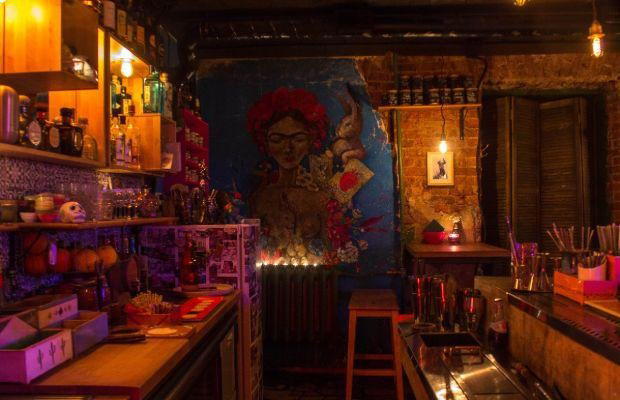
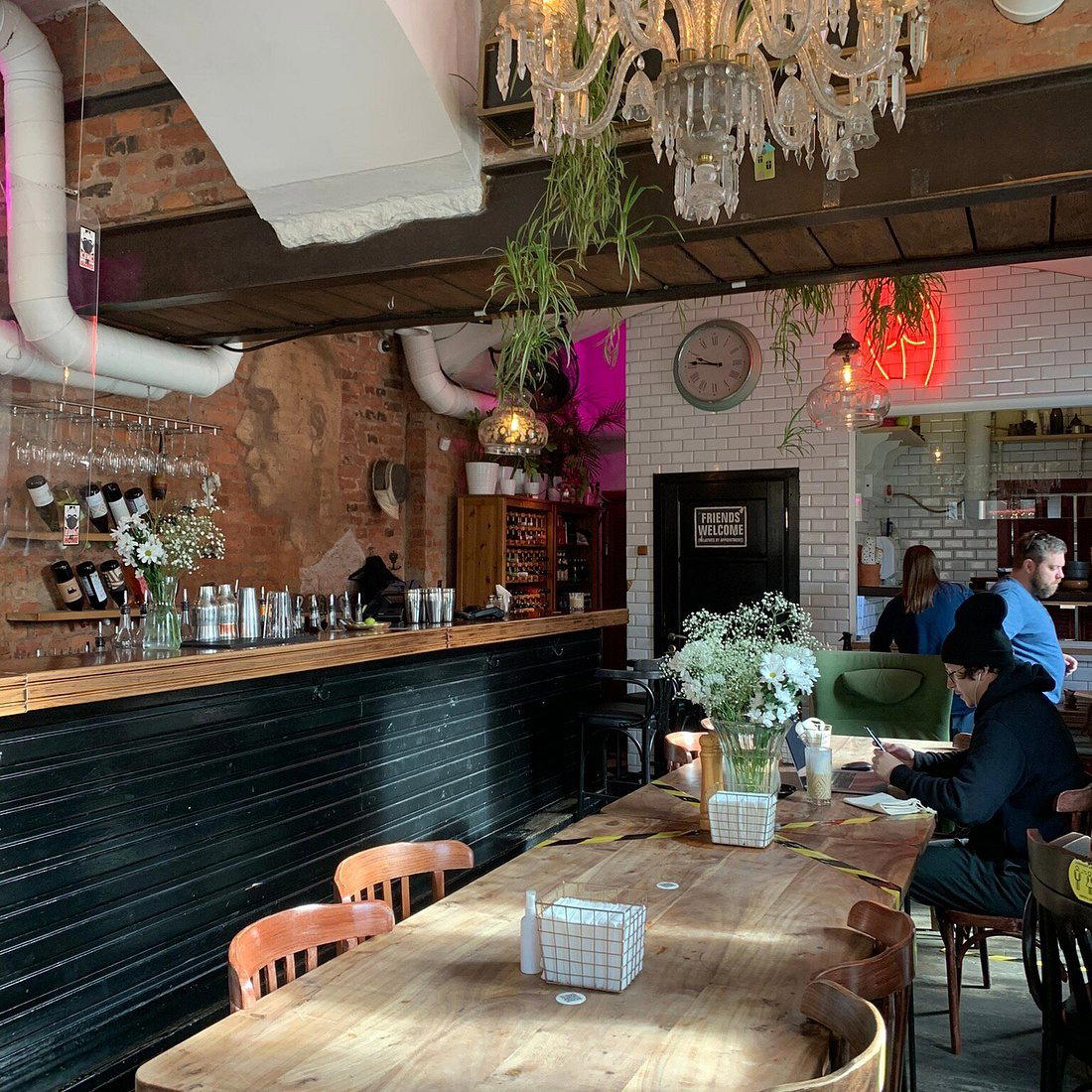
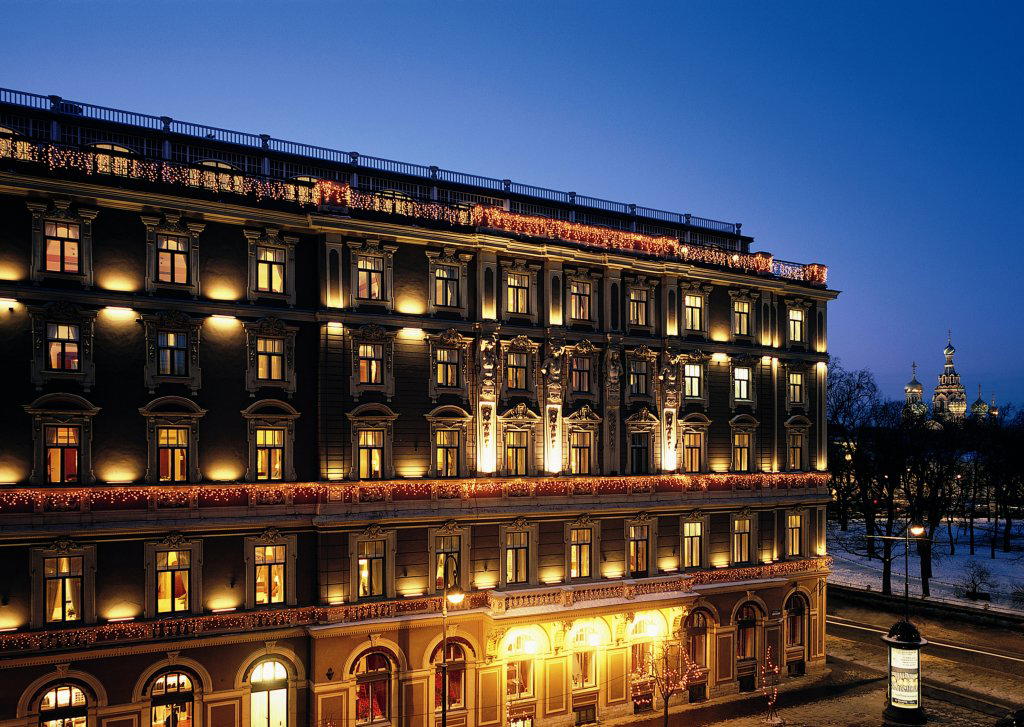
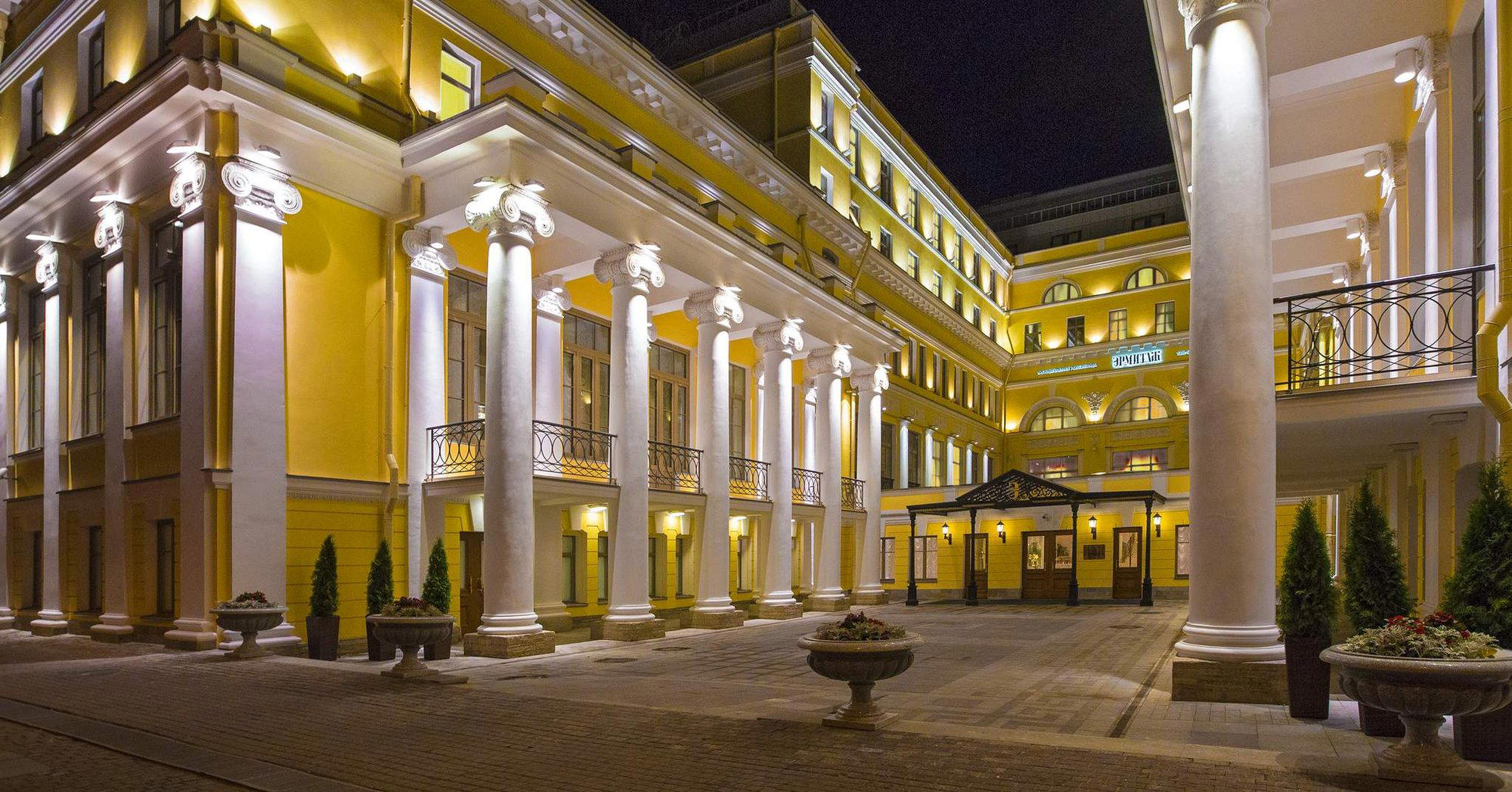
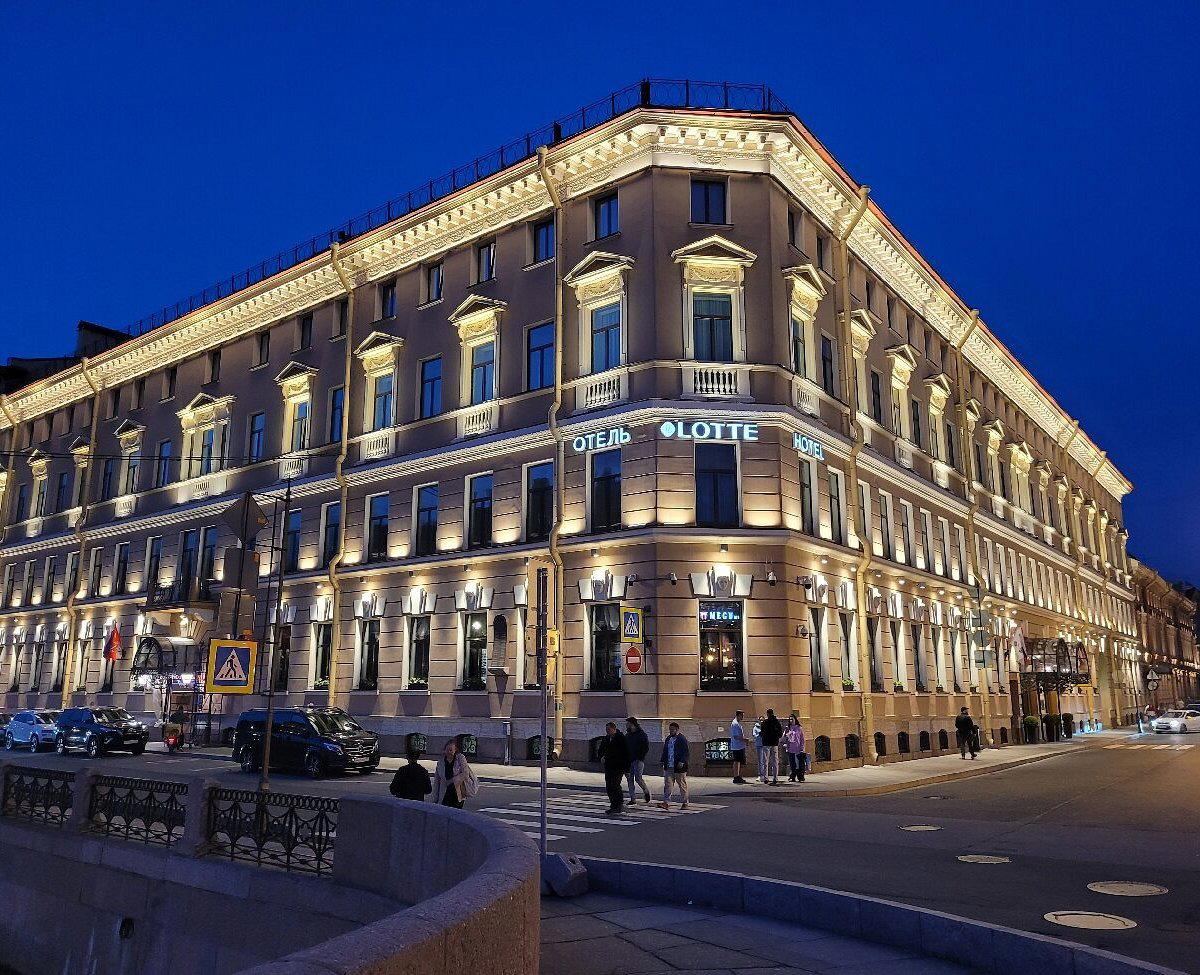
Warm, sophisticated lighting with elegant décor creates an intimate dining atmosphere that balances modern comfort with classic European elegance.