Papasha Klauss
On Primorskiy Prospekt in the Staraya Derevnya district of St Petersburg, Papasha Klauss operates at the quieter edge of the city's bar scene, away from the tourist corridors of the centre. The address places it in a residential stretch along the Gulf of Finland coastline, where a more local crowd gravitates toward bars that reward repeat visits over first impressions.
Pearl is the En Primeur Club membership app — saves, bookings, and concierge access live there. Same editors, same standards.
- Address
- Primorskiy Prospekt, 72, St Petersburg, Russia, 197374
- Phone
- +7 931 234 15 52
- Website
- papashaclauss.ru
- Directions
- Get directions
 Saves & bookings on Pearl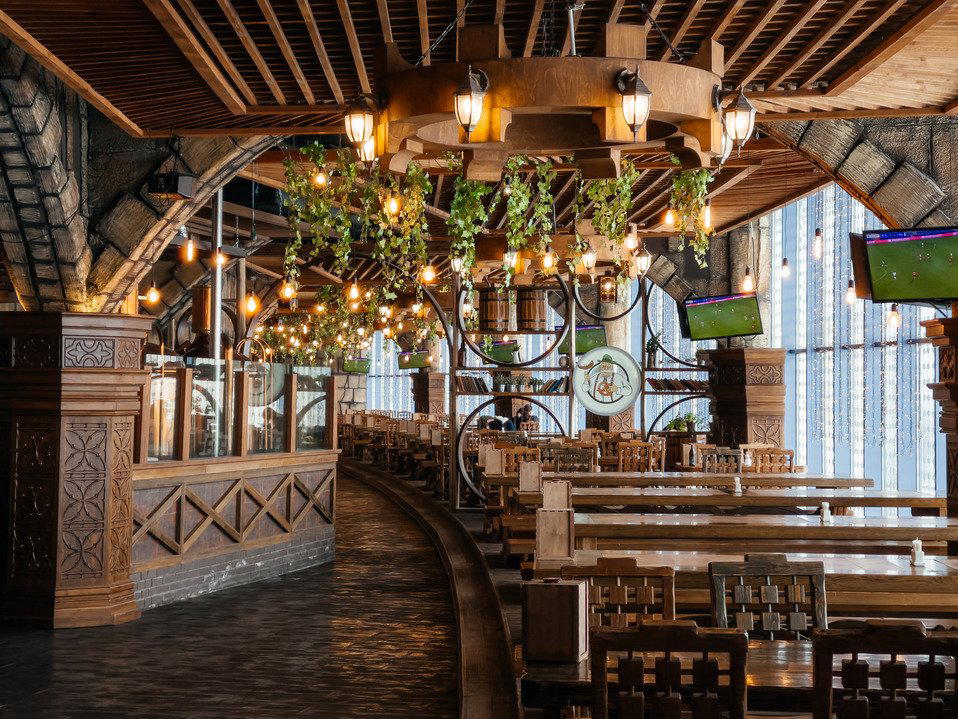
A Bar at the Edge of the City, Away from the Obvious
St Petersburg's bar culture has spent the past decade sorting itself into legible tiers. The centre, particularly around Rubinsteyna and Dumskaya, drew the early wave of craft cocktail ambition. Then a second geography emerged: spots along the northern and western fringes, where rent economics allowed for lower-pressure formats and a more neighbourhood-oriented crowd. Primorskiy Prospekt, the long coastal artery running northwest from the city core, sits inside that second geography. Papasha Klauss, at number 72, is part of this outer-district pattern, where bars tend to operate with a different register than their central counterparts.
Approaching along Primorskiy, the Gulf of Finland is intermittently visible through the treeline. The district is largely residential, with the kind of slow-moving street life that comes with proximity to water and parks rather than metro-adjacent commerce. A bar here is not catching foot traffic from tourists or office workers; it is drawing people who made a deliberate choice to come. That dynamic shapes what a bar can be and what its programme needs to do to sustain a room.
The Cocktail Programme in Context
Russian bar culture has undergone a pronounced shift since roughly 2015. Cities like Moscow and St Petersburg moved from import-heavy, spirits-showcase formats toward programmes built around technique, local botanical sourcing, and menus that reflect a point of view rather than a catalogue of classics. Bars such as Chainaya, Tea & Cocktails in Moscow helped define one strain of this shift, anchoring drinks in Russian tea culture and domestic ingredients. In St Petersburg, El Copitas built an internationally recognised programme from a format that prioritised depth over breadth. These bars established a competitive reference point that the broader city scene now operates against.
Papasha Klauss sits within this evolving scene but at a remove from one scrutinised tier. The Staraya Derevnya location does not carry the critical density of central St Petersburg, which means the bar's programme is read primarily by regulars and local visitors rather than international bar-circuit travellers. That context typically produces two outcomes: either a bar coasts on locality, or it develops a more honest relationship with its audience. The address at Primorskiy Prospekt 72 suggests the latter, given that neighbourhood bars in outer districts of Russian cities rarely survive without a reliable core offer.
Globally, bars working in this outer-district, regulars-first mode have produced particularly technically disciplined cocktail programmes in their cities. Kumiko in Chicago and Jewel of the South in New Orleans both operate with a kind of quiet seriousness that comes partly from not needing to perform for a first-timer every night. 1806 in Melbourne and The Parlour in Frankfurt function similarly in their respective cities. The pattern is consistent: bars removed from high-visibility corridors tend to build their identity through programme depth rather than spectacle.
What the Neighbourhood Tells You
Staraya Derevnya translates loosely as "old village," and the district retains something of that character even within the sprawl of St Petersburg's northern quarters. The proximity to Primorsky Victory Park and the Neva delta gives the area a slower pace than the city's denser central arrondissements. For bar-going purposes, this means the clientele arriving at Papasha Klauss has already self-selected: they are not here because it was the nearest option or one obvious choice. A bar at this postcode earns its room through offer, not geography.
That self-selection effect is worth noting for anyone planning a visit from the city centre. The journey along Primorskiy Prospekt is directional: you go because you mean to. Bars in this position in other cities, such as Bar Leather Apron in Honolulu or Superbueno in New York City, have each built loyal audiences precisely because the address filters for intention.
How It Compares in the St Petersburg Bar Tier
St Petersburg's bar tier has a reasonably clear structure. At the leading, a handful of bars with international recognition set the critical baseline. Below that, a mid-tier of technically competent, locally popular spots operates without the same scrutiny. The bar, is a neighborhood bar in outer St Petersburg. The distinction matters because mid-tier bars in strong bar cities often deliver better value and a more relaxed experience than the venues attracting out-of-town attention.
Comparison bars like Coffee 22 in Saint Petersburg City illustrate how the city's bar and cafe formats increasingly overlap, with drinks programmes appearing in spaces that would have previously focused solely on coffee. This blurring of categories is common across northern European cities and reflects a broader shift in how social drinking is organised. A bar like Papasha Klauss, operating in a residential district, may well reflect this same dual-use logic in its daytime and evening programming.
For reference points beyond Russia, the bars worth studying as programme comparisons are Julep in Houston, which built a specific identity around a single drink category, and 1930 in Milan, which operates as a speakeasy-format programme in a city with its own layered cocktail history. Both demonstrate how a clear conceptual position, rather than a broad menu, tends to define a bar's staying power.
Planning a Visit
The bar is a bar at Primorskiy Prospekt 72, St Petersburg, 197374, in the Staraya Derevnya district.
Comparable Spots, Quickly
Comparable venues nearby, for context on price, style, and recognition.
| Venue | Cuisine | Price | Notes |
|---|---|---|---|
| Papasha KlaussThis venue — the venue you are viewing | beer_bar | $$ | Not listed |
| I'm Thankful for Today | cocktail_bar | $$ | Admiralteysky District |
| Double B | Bar | $$ | City Center |
| Coffee 22 | lounge | $$ | Nevsky |
| Bolshoy Bar | lounge | $$ | Petrograd Side |
Continue exploring
More in Staraya Derevnya
Bars in Staraya Derevnya
Browse all →
Restaurants in Staraya Derevnya
Browse all →

At a Glance
- Classic
- Cozy
- Rustic
- Group Outing
- Casual Hangout
- Rooftop
- Lounge Seating
- Craft Beer
Current opening hours
- Monday
- 1 PM–12 AM
- Tuesday
- 1 PM–12 AM
- Wednesday
- 1 PM–12 AM
- Thursday
- 1 PM–12 AM
- Friday
- 1 PM–2 AM
- Saturday
- 12 PM–2 AM
- Sunday
- 12 PM–12 AM
Hours can change for holidays and private events. Last verified .
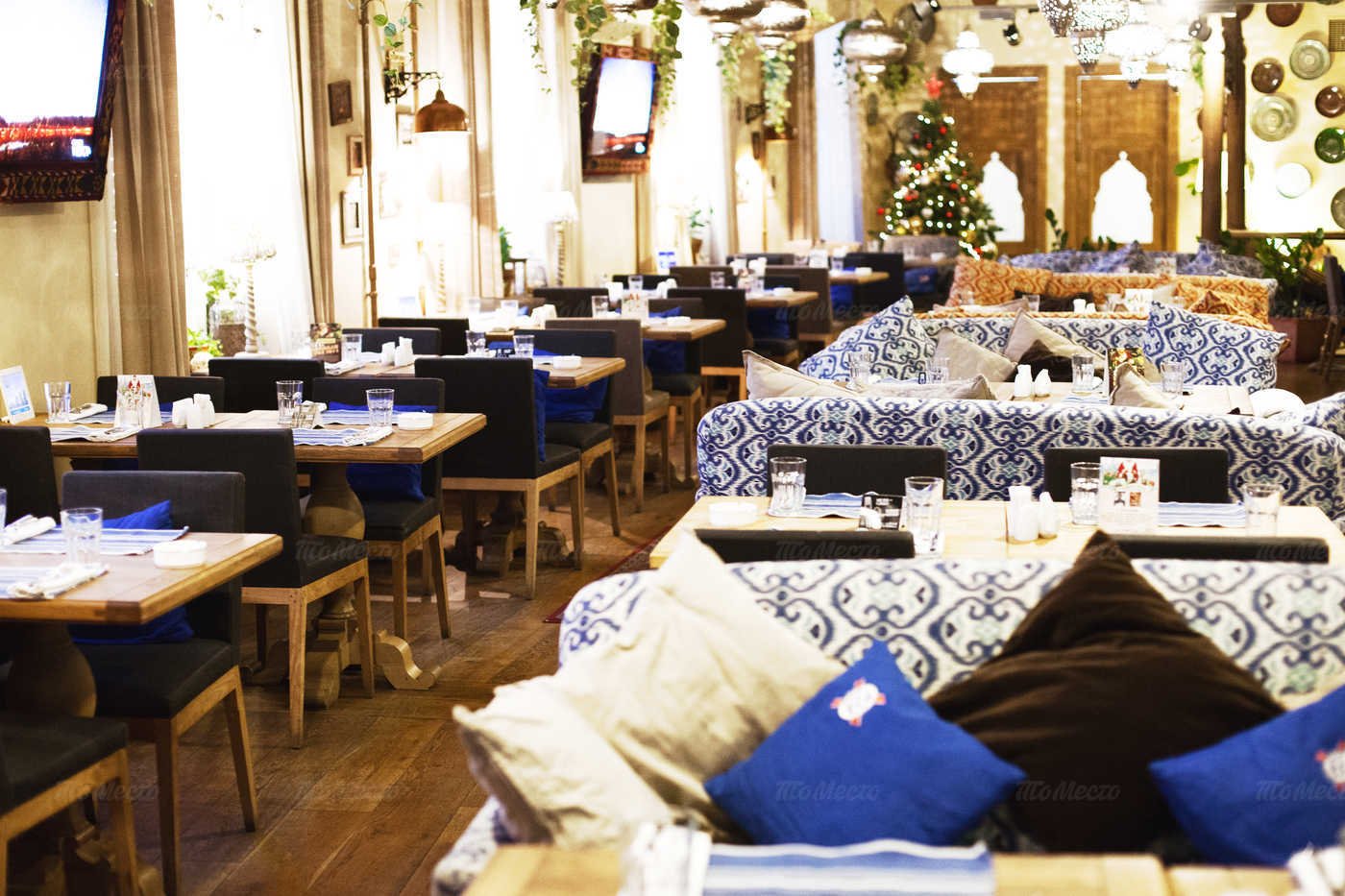
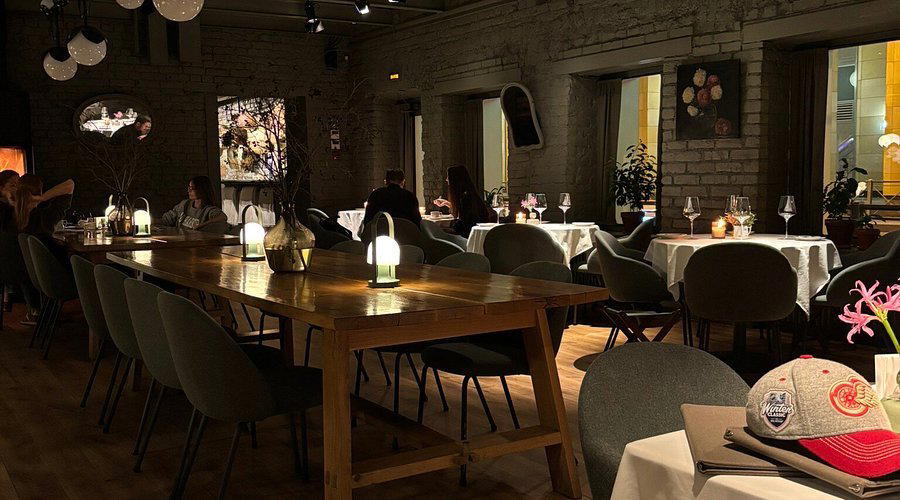
Medieval-era atmosphere with stone walls, long wooden tables, and candles.