Astoria Cafe
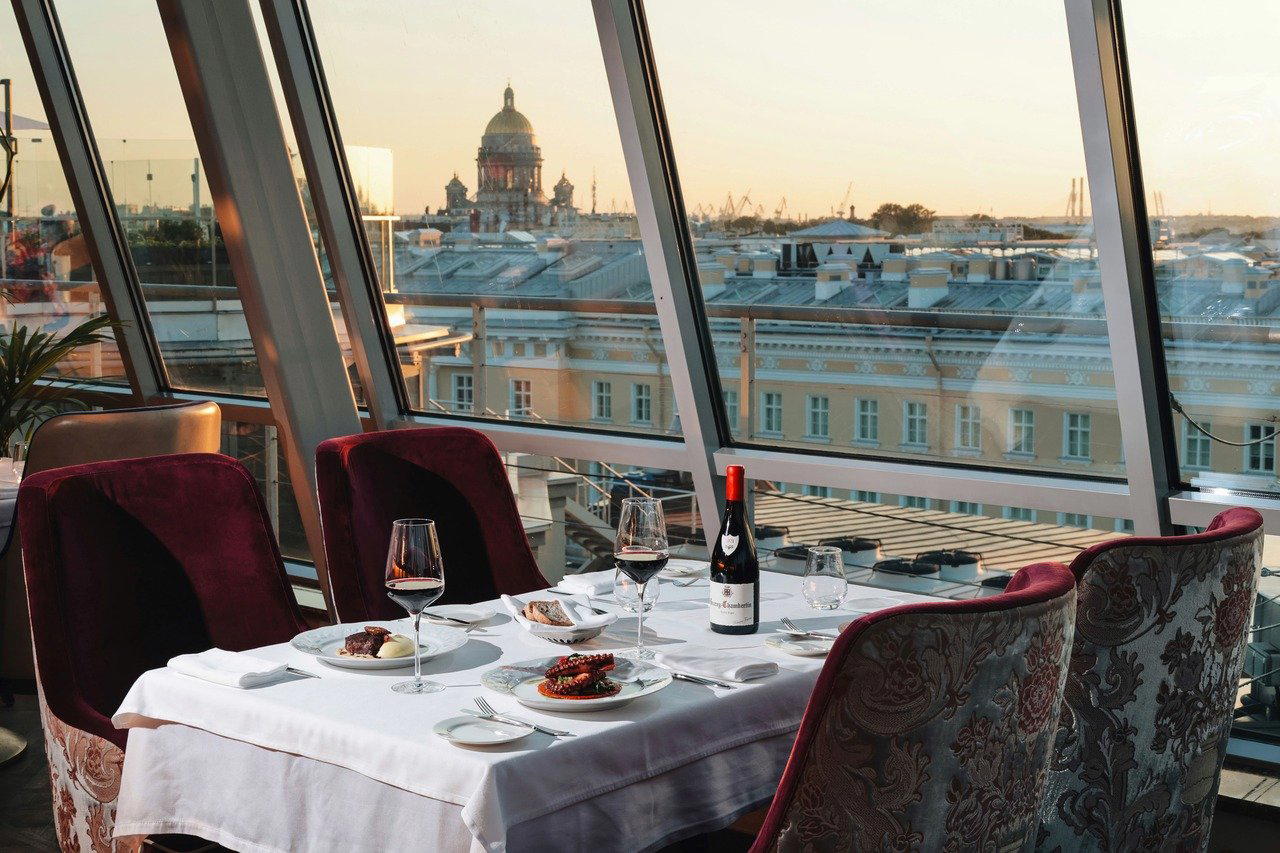
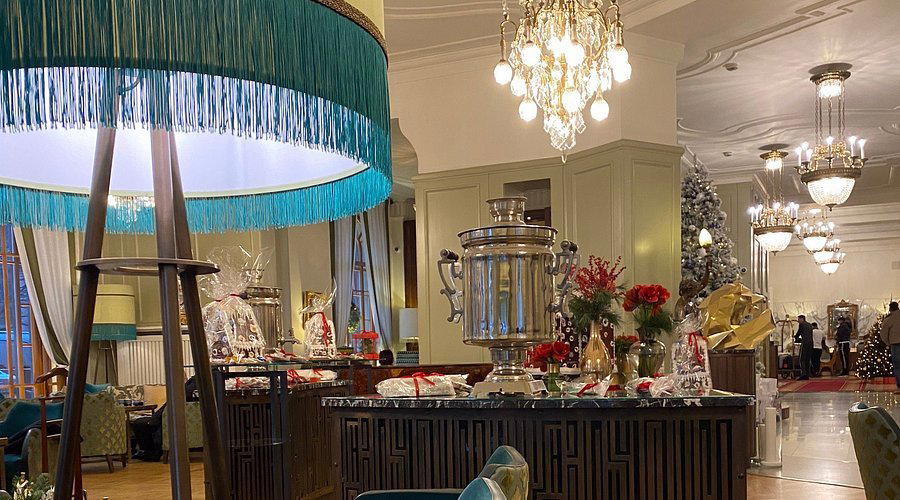
On Bolshaya Morskaya Ulitsa, one of central Saint Petersburg's most architecturally charged streets, Astoria Cafe occupies a setting that places it squarely in the city's tradition of formal European café culture. The address alone, steps from St Isaac's Cathedral, signals the kind of context that few dining rooms in Russia can match. For visitors oriented around the city's historic core, it belongs on the planning list.
Pearl is the En Primeur Club membership app — saves, bookings, and concierge access live there. Same editors, same standards.
- Address
- Bol'shaya Morskaya Ulitsa, 39, St Petersburg, Russia, 190000
- Phone
- +78124945815
- Website
- roccofortehotels.com
- Directions
- Get directions
 Saves & bookings on Pearl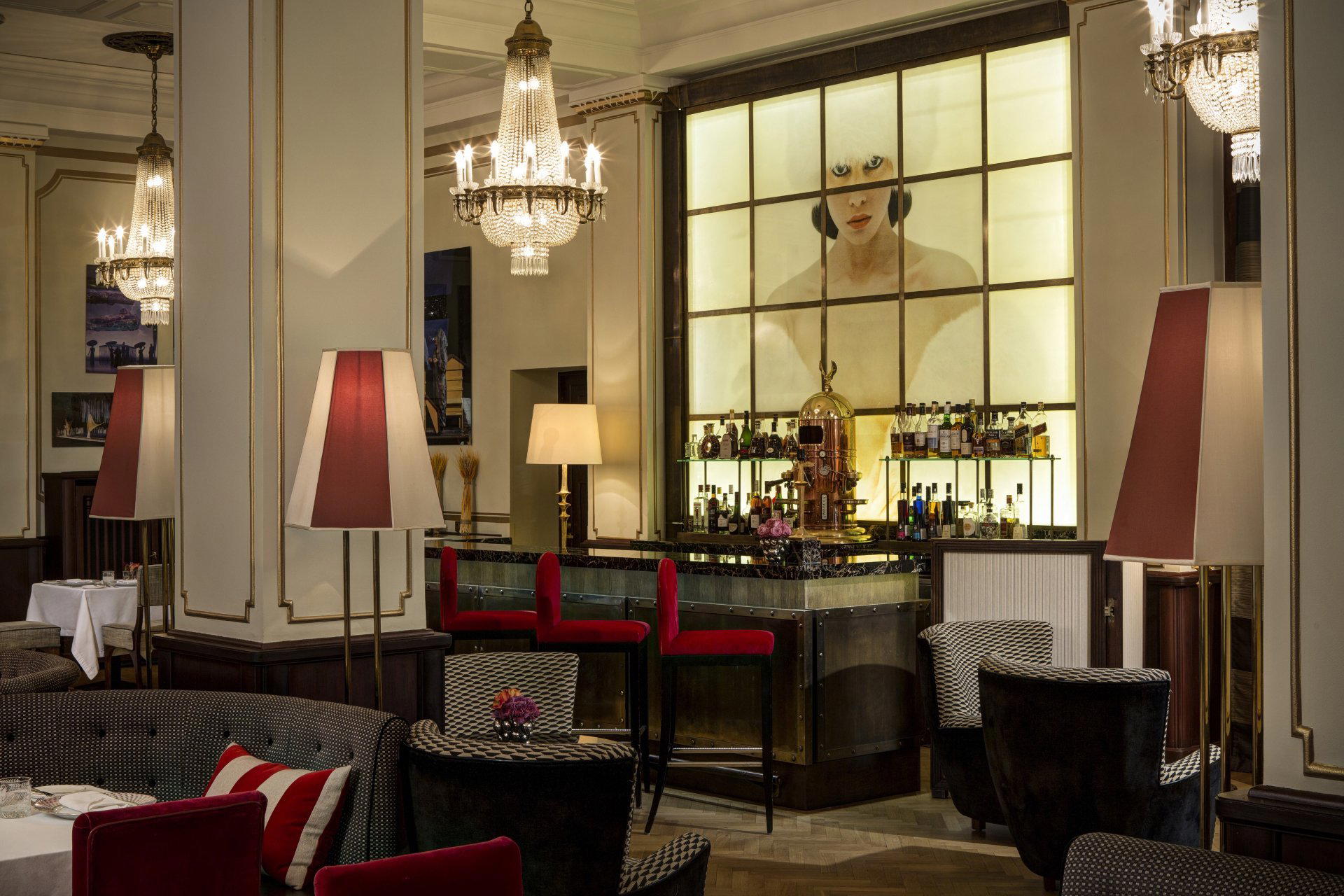
On Bolshaya Morskaya, Where the Architecture Does the Work
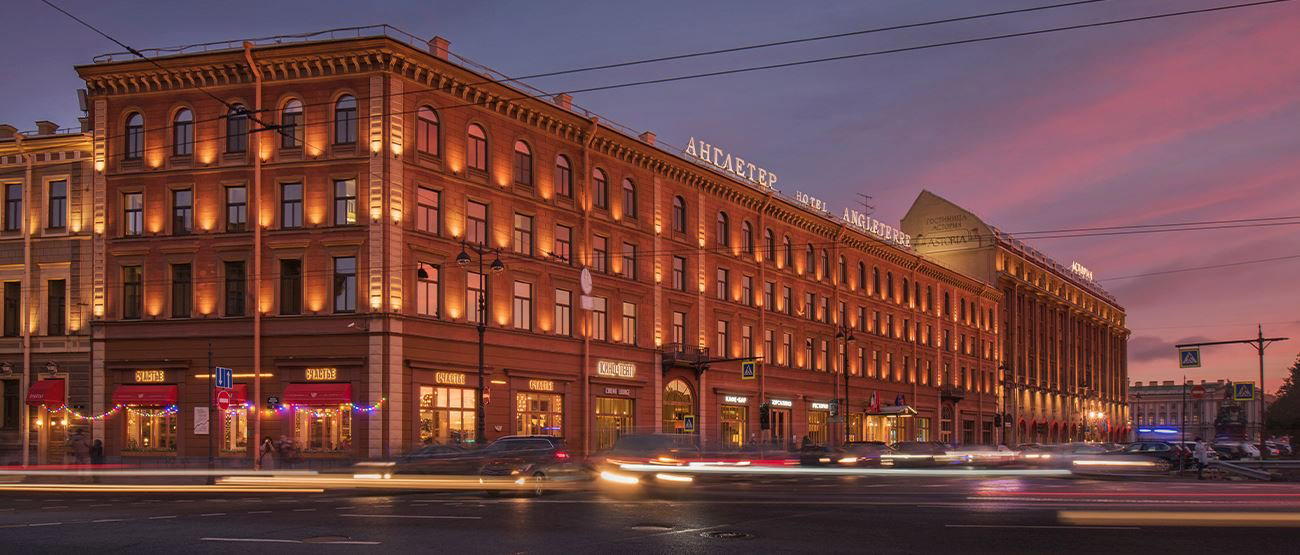
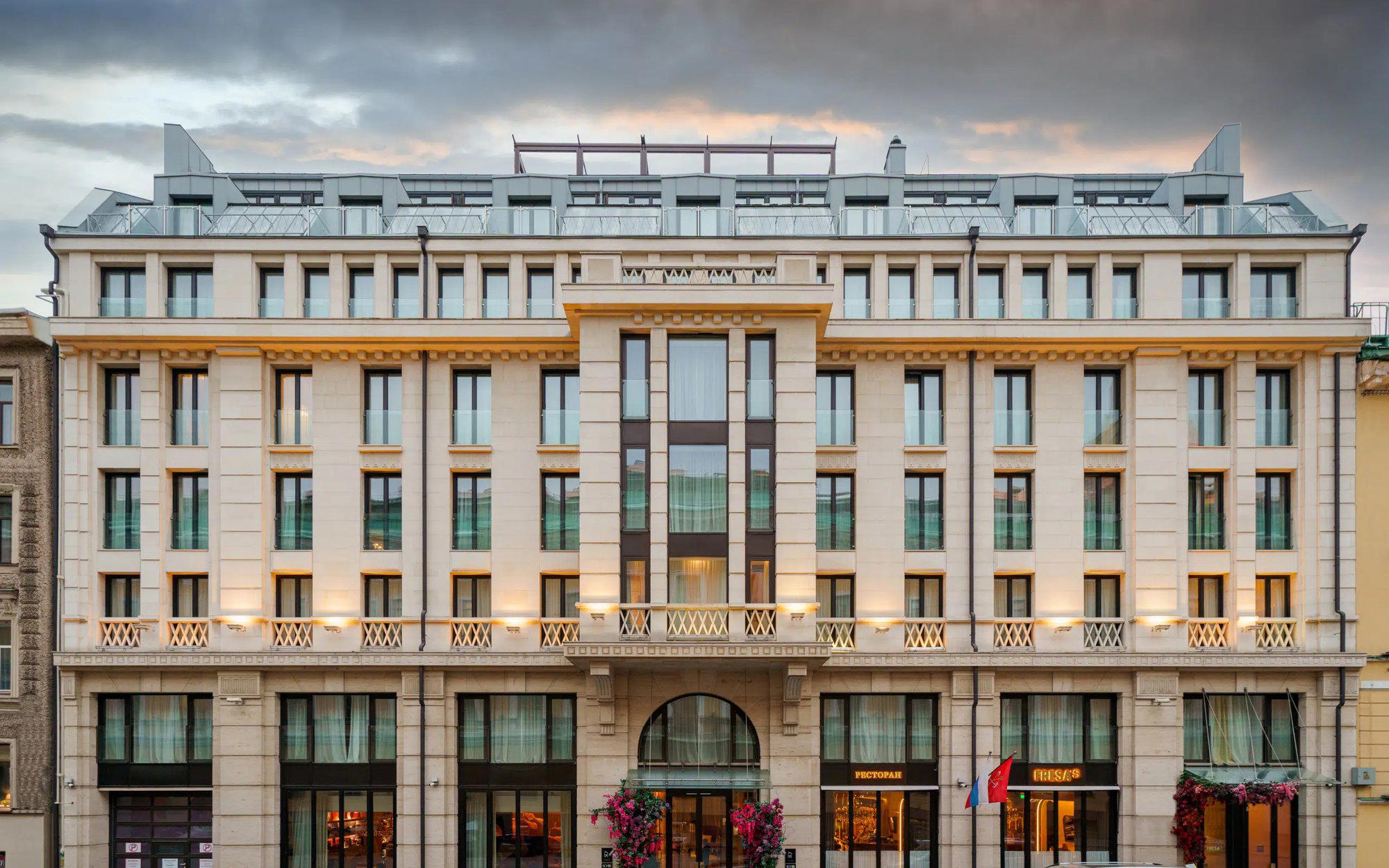
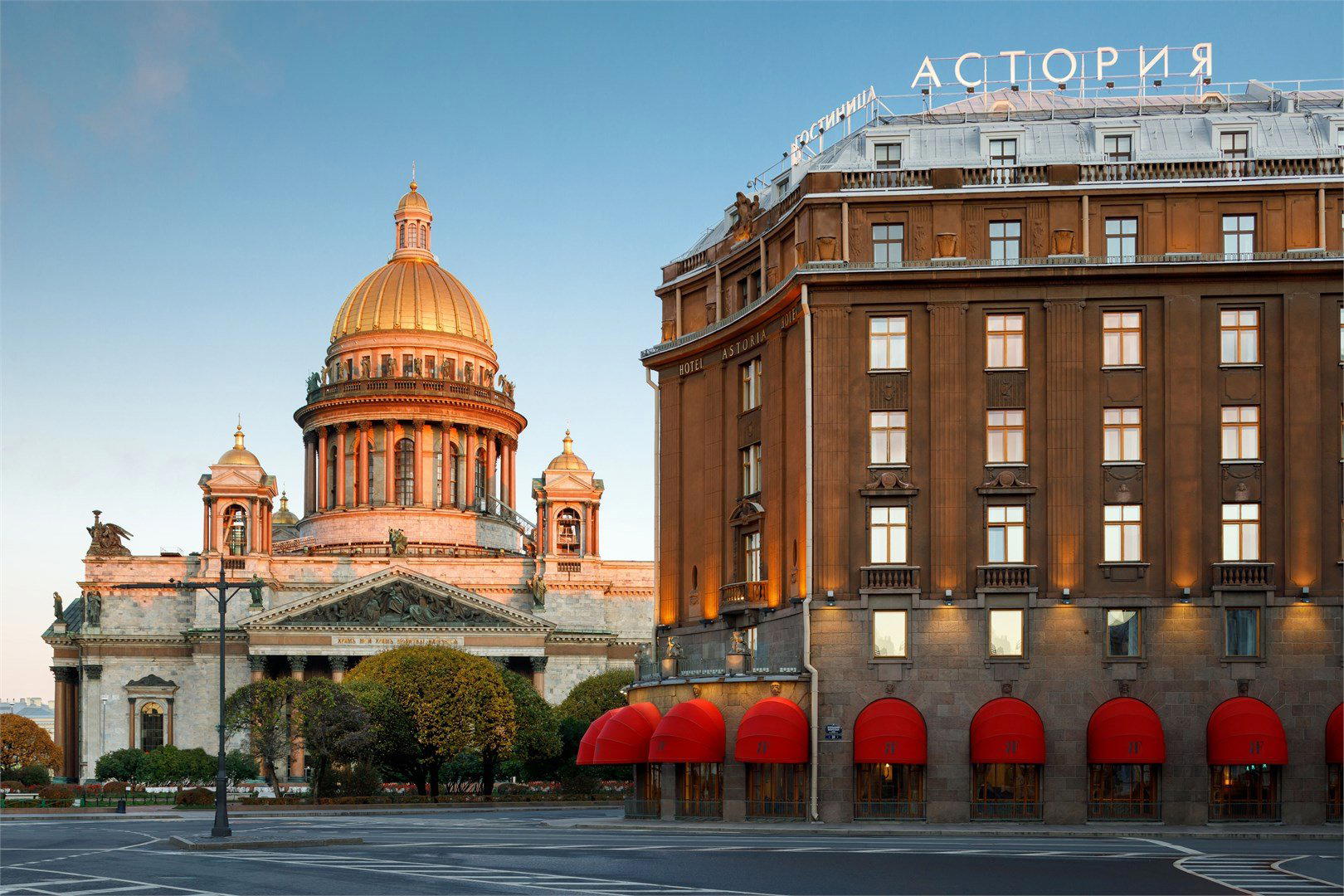
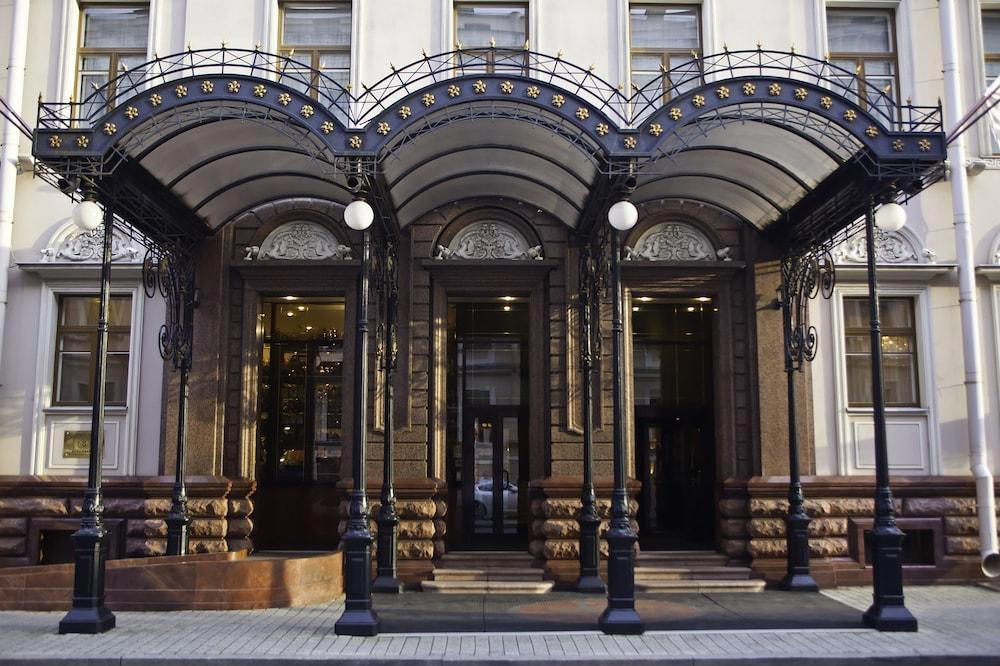
Few streets in Saint Petersburg carry the accumulated weight of Bolshaya Morskaya Ulitsa quite like the stretch near St Isaac's Cathedral. The avenue has hosted writers, imperial bureaucrats, and foreign dignitaries for the better part of three centuries, and the buildings themselves, heavy facades in the neo-classical tradition, stone details worn to a pleasing softness, communicate that history without annotation. Astoria Cafe sits at number 39, an address that places it at the centre of a neighbourhood defined as much by its built environment as by anything on a plate.
In Saint Petersburg, setting is not incidental to a dining experience. It is structural. The city's most serious restaurants have long understood that the physical context, a canal-facing window, a restored imperial interior, a courtyard hidden from the street, does a portion of the editorial work that the kitchen must do alone in cities without this inheritance. The cafes and restaurants that cluster around the Admiralty and St Isaac's zones benefit from foot traffic drawn by some of the densest concentrations of museum-grade architecture in Europe, but they also face a particular pressure: a room this charged can make a mediocre kitchen feel worse than it is, and an accomplished one feel earned.
Saint Petersburg's Café Tradition and Where It Stands Now
The European-style café as a social institution arrived in Saint Petersburg during the eighteenth century, carried in alongside French court culture and the architectural commissions that gave the city its distinctive Baroque and neoclassical grammar. By the nineteenth century, the city's literary cafes had become gathering points for writers, Pushkin was a fixture on Bolshaya Morskaya, which gives the street a cultural charge that goes beyond architecture alone. That lineage matters when thinking about what a café on this street is meant to be: not simply a place to eat, but a place to sit for an extended period in a room that has witnessed something.
Contemporary Saint Petersburg has seen its restaurant scene reorganise considerably over the past decade. The generation of venues that opened through the 2010s pushed Russian fine dining toward a more globally competitive register, drawing on Nordic influence and the new-wave Russian ingredient sourcing that placed local producers, fisheries from the White Sea and Kola Peninsula, dairy from the Leningrad and Pskov regions, foraged goods from the taiga, at the centre of menus previously dominated by European imports. Venues like 1913 and COCOCO Bistro in Saint Petersburg City represent different positions in that reorganisation, with the latter becoming one of the more visible advocates for ingredient-first Russian cooking in the city. Bellevue and Catherine the Great sit at the more formal, hotel-adjacent end of that spectrum.
The Sourcing Logic Behind Saint Petersburg's Food Culture
One consequential shift in serious Saint Petersburg dining over the past decade has been the re-orientation toward domestic sourcing. For most of the post-Soviet period, prestige in Russian restaurants was measured partly by the provenance of imported ingredients, French produce, Italian proteins, Japanese fish. That calculus began to change as chefs across Moscow and Saint Petersburg started treating Russia's own geography as a larder: the cold northern fisheries, the berry-dense forests of the Karelian isthmus, the cheeses and cultured dairy that emerged from a revived small-farm sector after import restrictions tightened through the mid-2010s.
Saint Petersburg's geography gives it particular advantages in this regard. The Gulf of Finland and Lake Ladoga supply freshwater and coastal species that do not travel far to reach the city's kitchens. The Leningrad region's agricultural belt, while not especially celebrated in Russia, has developed a credible network of suppliers for dairy, root vegetables, and foraged goods. For a café operating on Bolshaya Morskaya, proximity to this supply chain is a functional asset, even if the café format typically involves simpler preparations than the tasting-menu restaurants that have led the sourcing conversation most visibly. The comparable set most relevant here is not Blok or BeefZavod, which operate at different price points and with different format ambitions, but the city's more informal, all-day venues where provenance shows up in the quality of bread, the character of a coffee accompaniment, or the sourcing of a smoked fish.
Across Russia, the ingredient-sourcing conversation has developed along parallel lines in other cities. Twins Garden in Moscow made domestic sourcing a central part of its identity at the fine-dining level, while venues like Leo Wine & Kitchen in Rostov and Restaurant Baran-Rapan in Sochi show how regional specificity is playing out in other parts of the country. In Saint Petersburg, the same logic is filtering through into café-format venues, where the expectation is no longer simply imported European product but something that reflects the city's own northern geography.
The Neighbourhood and How to Use It
Planning around Astoria Cafe makes most sense for visitors whose itinerary is already anchored to the historic core: the Hermitage complex to the north-east, St Isaac's Cathedral immediately adjacent, the Bronze Horseman and Senate Square within easy reach on foot. This part of the city rewards slow movement, and a café stop that allows for an extended sit rather than a quick service exchange fits the rhythm of the area more naturally than a structured lunch with a fixed end time.
For those building a more complete Saint Petersburg dining itinerary, Birch in St. Petersburg and Bourgeois Bohemians in Sankt-Peterburg represent useful reference points at different price registers, while Primorskiy Prospekt, 72 in Staraya Derevnya sits further out and operates in a different neighbourhood register entirely. The address on Bolshaya Morskaya means that Astoria Cafe is positioned as a natural first or last stop in a day structured around the central museum and palace circuit, rather than a destination that requires its own dedicated journey. Outside Russia, those interested in how legacy café settings interact with serious food programming might find useful reference in venues like Le Bernardin in New York City or Lazy Bear in San Francisco, both of which show how deliberate a room's sense of occasion can be when the physical context is handled with care.
For a wider view of where Astoria Cafe fits within the city's full restaurant map, our full Saint Petersburg restaurants guide covers the current scene in more detail, including venues operating across the full range of formats and price points. Those extending travel to other parts of Russia will find relevant context at SEASONS in Kaliningrad and Tsarskaya Okhota in Zhukovka, both of which reflect how regional dining is developing outside the two major cities. And La Colline in Bolshoye Sareyevo offers a point of comparison for the kind of countryside-adjacent sourcing model that contrasts with what a city-centre café can realistically achieve.
Planning Your Visit
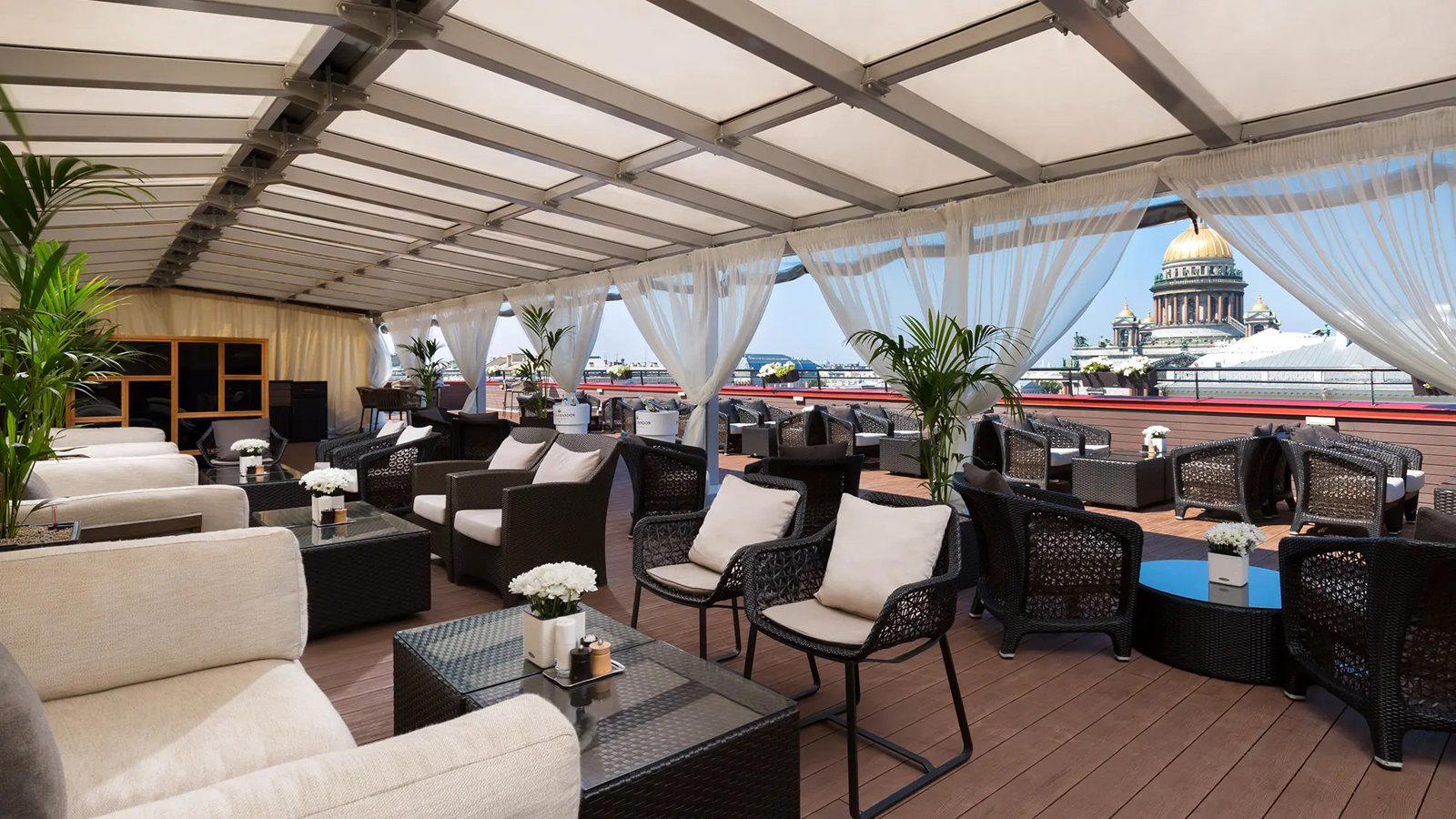
The restaurant is located at Bolshaya Morskaya Ulitsa, 39, in the central historic district of Saint Petersburg, within walking distance of St Isaac's Cathedral and the Hermitage. Given its position in one of the city's highest-traffic tourist corridors, one practical approach is to visit outside the midday rush, either in the late morning before the museum crowds peak, or in the late afternoon when the light on the surrounding facades is at its most pronounced and the foot traffic eases.
Quick Comparison
Comparable venues nearby, for context on price, style, and recognition.
| Venue | Cuisine | Price | Notes |
|---|---|---|---|
| Astoria CafeThis venue — the venue you are viewing | Modern Russian-European | $$$$ | Not listed |
| Blok | Modern Russian Steakhouse | $$$ | Smolny |
| Catherine the Great | Modern Imperial Russian Fine Dining | $$$ | Northwestern District |
| Ginza | Japanese-Italian-Uzbek Fusion | $$$$ | Petrograd Side |
| Sintoho | Modern Pan-Asian Fusion | $$$$ | Admiralteisky |
| Mansarda | Modern European with Asian Influences | $$$ | Admiralteyskiy District |
Continue exploring
More in Saint Petersburg
Restaurants in Saint Petersburg
Browse all →
Bars in Saint Petersburg
Browse all →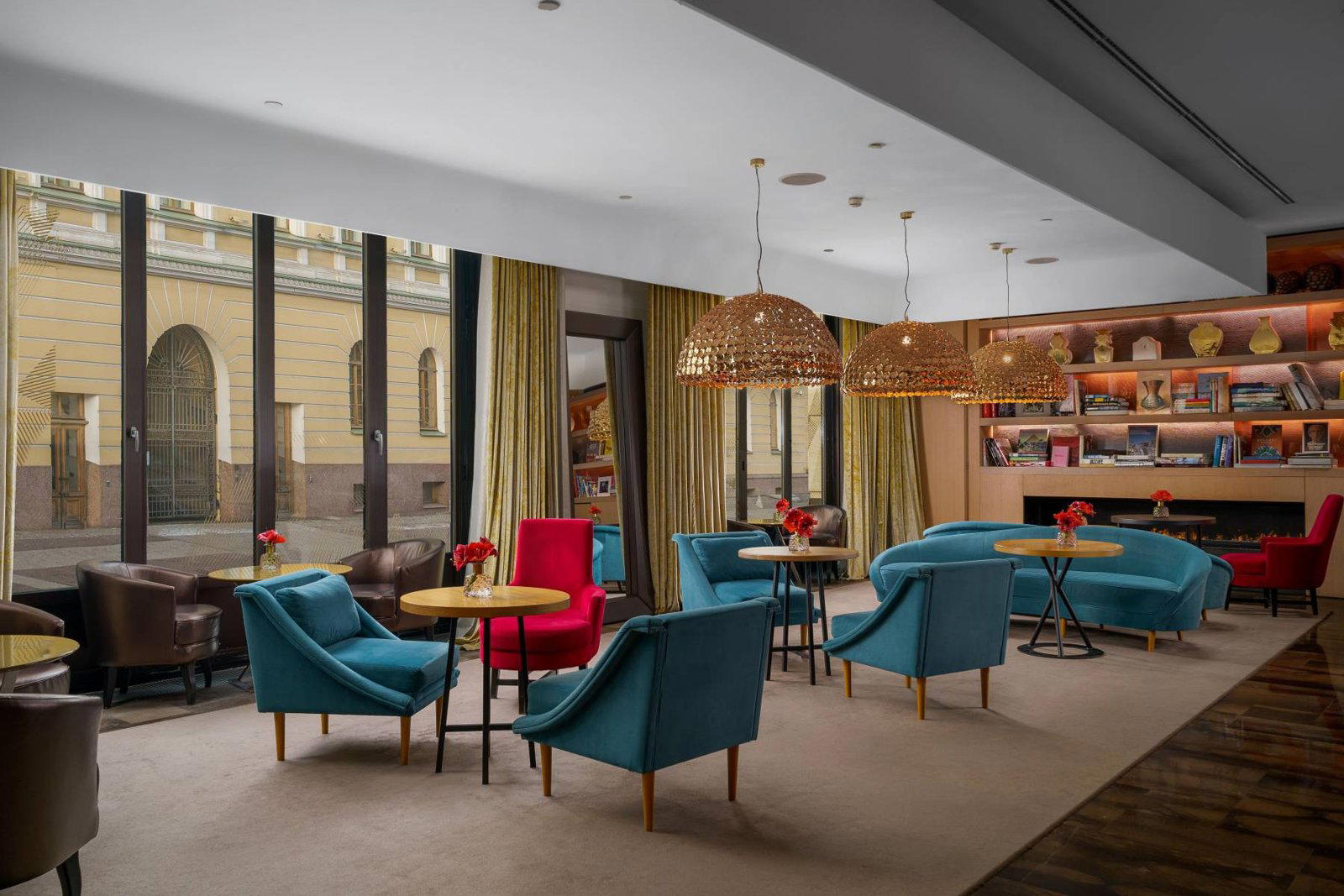

At a Glance
- Elegant
- Sophisticated
- Classic
- Date Night
- Business Dinner
- Special Occasion
- Brunch
- Historic Building
- Live Music
- Private Dining
- Extensive Wine List
- Street Scene
Current opening hours
- Monday
- 7 AM–10 PM
- Tuesday
- 7 AM–10 PM
- Wednesday
- 7 AM–10 PM
- Thursday
- 7 AM–10 PM
- Friday
- 7 AM–10 PM
- Saturday
- 7 AM–10 PM
- Sunday
- 7 AM–10 PM
Hours can change for holidays and private events. Last verified .
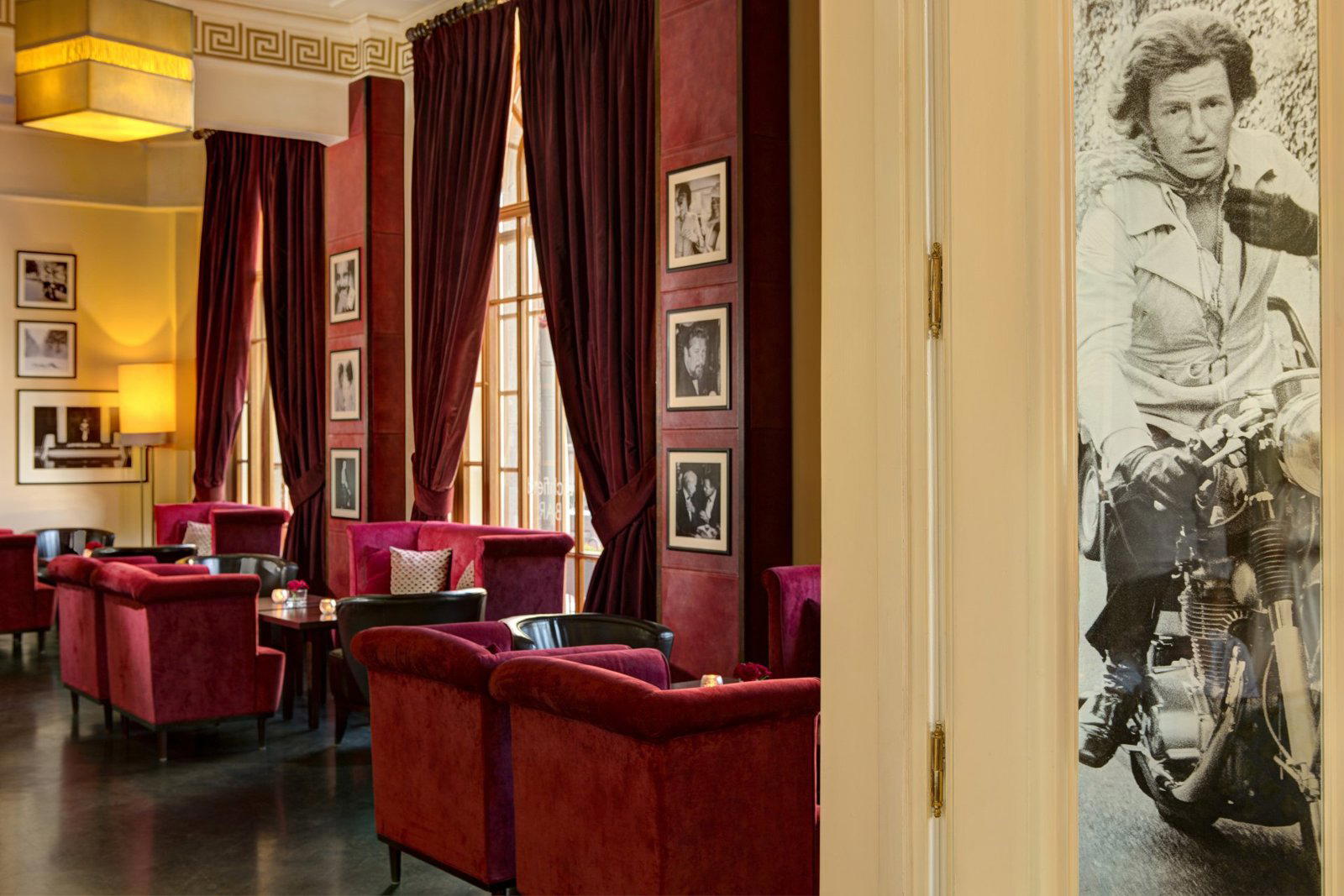
Decadent red-and-white interior flooded with natural light, bold contemporary designs creating a friendly, cosmopolitan atmosphere.