Social Club
On Rubinstein Street, one of Saint Petersburg's most animated dining corridors, Social Club occupies a position worth understanding before you book. The address places it inside a neighbourhood where wine-led concepts have increasingly displaced older-format brasseries, and the venue's name signals an approach to hospitality that treats the glass as seriously as the plate.
Pearl is the En Primeur Club membership app — saves, bookings, and concierge access live there. Same editors, same standards.
- Address
- Rubinstein St, 40/11, St Petersburg, Russia, 191002
- Phone
- +79313022209
- Website
- barsezony.ru
- Directions
- Get directions
 Saves & bookings on Pearl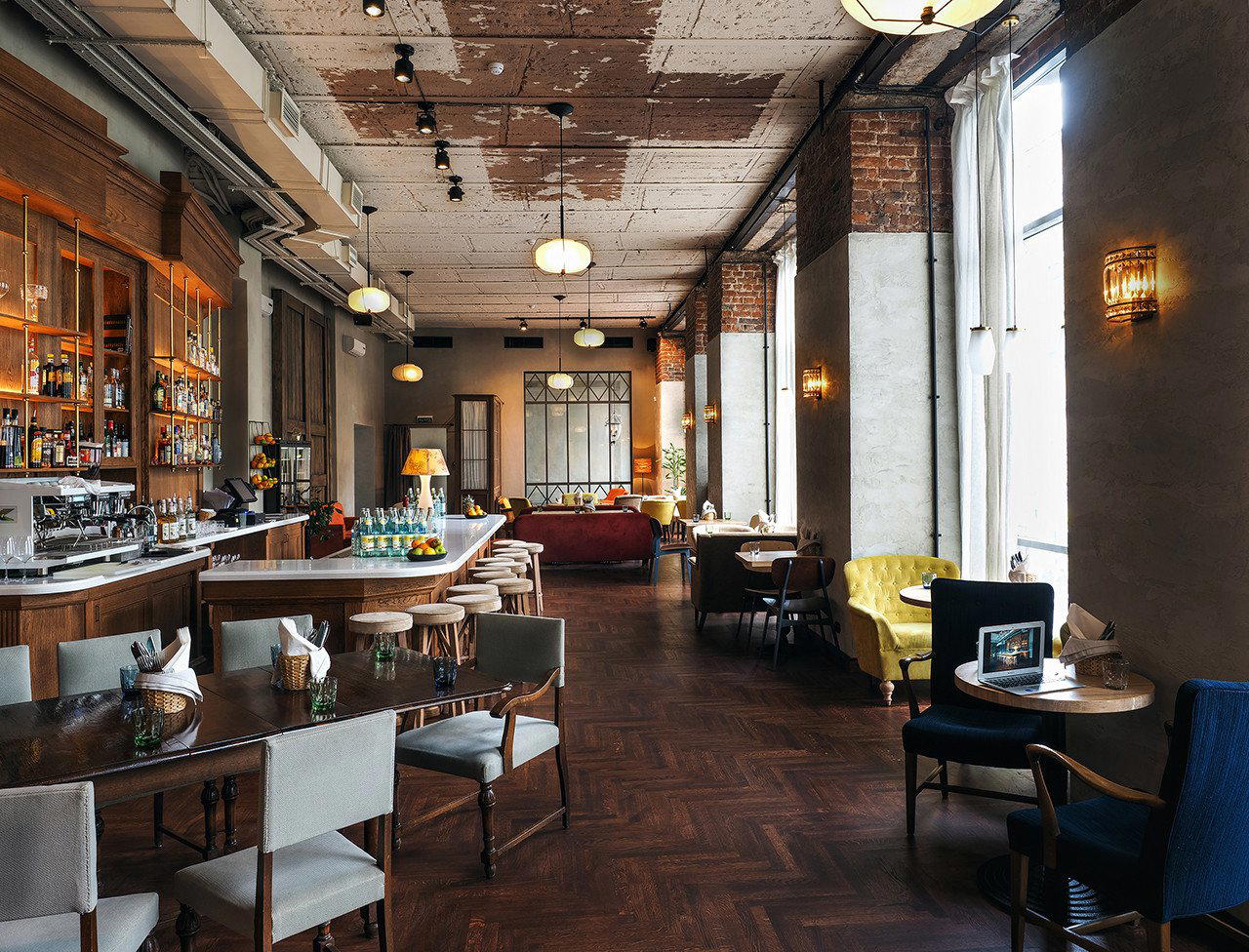
Rubinstein Street and the Shift Toward Wine-Serious Dining
Rubinstein Street has spent the better part of the last decade becoming Saint Petersburg's most concentrated strip for independent restaurant formats. The address at 40/11 puts Social Club in the middle of that density, surrounded by independent restaurants and wine bars. That last category is the one Social Club belongs to.
Saint Petersburg's dining scene has followed a broader Russian pattern: the mid-2010s saw a wave of European-trained operators returning to open venues with cellar programs built around Georgian, French, and Italian labels, often curated with more editorial intent than the city's earlier generation of imported fine-dining rooms. Social Club sits inside that generational shift. The name itself positions the venue as a place where the social ritual of drinking well is the organising principle, not a secondary concern behind the kitchen.
For context on how this fits the wider city, the contrast with older-format rooms like 1913 or the more hotel-anchored Bellevue is instructive. Those venues built reputation on a more formal European dining template. The movement that restaurant represents is less ceremonial: the room is a place to linger over bottles rather than to mark occasions with tasting menus.
What the Address Tells You About the Room
Arriving on Rubinstein Street in the evening, the strip reads as a working neighbourhood corridor that has been colonised by hospitality without losing its residential grain. Facades remain largely intact from the Soviet and pre-revolutionary periods. The density of lit windows, pavement tables in warmer months, and a foot traffic that mixes locals with visitors from the city's central hotel belt gives the street a character distinct from the more curated zones around Nevsky Prospekt.
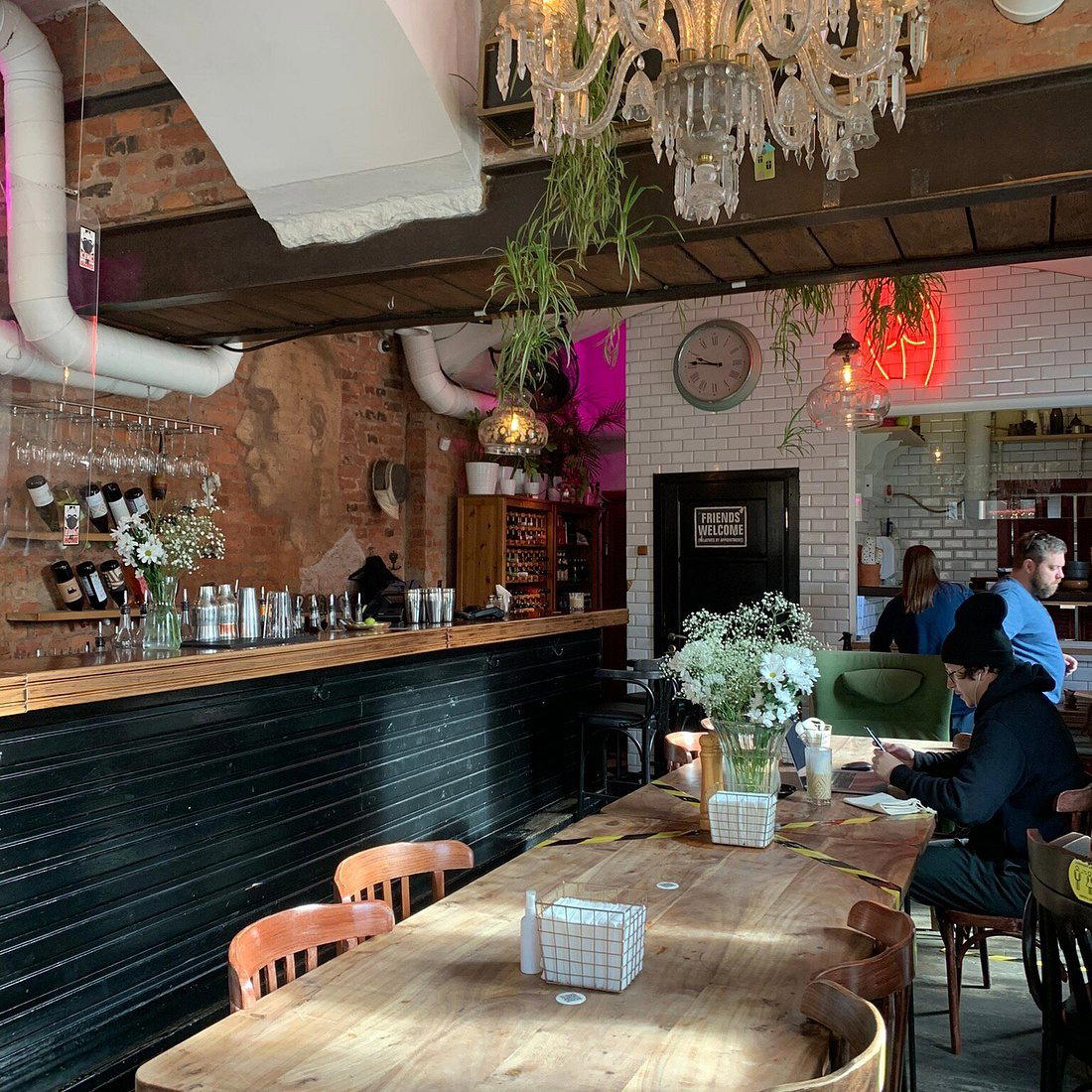
At number 40/11, the entry point for the restaurant suggests a room that does not signal ambition through grand architecture. This is consistent with the format that has become standard among wine-bar-adjacent concepts across European cities: the emphasis goes into what arrives at the table, not into the room's surface design. Saint Petersburg venues in this tier tend toward exposed materials, communal seating formats, and lighting calibrated for conversation rather than spectacle.
Comparable approaches to the wine-led social format can be found at other addresses in the city. Blok operates a similarly pared-back room philosophy, and Lev I Ptichka has built a following on a comparable balance between informal atmosphere and serious beverage curation. The restaurant, by address and format, is calibrated for the same audience: guests who are deciding between venues on the strength of the cellar rather than the prestige of the kitchen lineage.
The Wine-First Framework in a Russian City Context
Running a wine-serious program in Saint Petersburg involves constraints that do not apply in Western European capitals. Import logistics, currency fluctuation, and the parallel development of domestic Georgian and Russian wine production have all shaped what serious cellars in the city look like. Particularly credible programs tend to hold depth in natural and low-intervention Georgian labels, alongside French regional selections that fall outside the prestige Bordeaux and Burgundy tier, and increasingly, Italian producers from less-travelled appellations.
This is the framework within which the restaurant's curation philosophy should be read. Venues that have built sustainable wine programs in Russian cities since 2014 have done so by developing supplier relationships that bypass particularly import-sensitive categories and building lists around producers whose access routes remained more stable. The result, in the leading cases, is a cellar that reads differently from Western European equivalents: less Napa, more Kakheti; less grand cru, more grower Champagne and southern Italian.
For comparison across Russian cities, Twins Garden in Moscow represents the high-ceremony end of this movement, with a cellar that supports a multi-Michelin-starred kitchen. The restaurant's positioning on Rubinstein Street is considerably more accessible in register, closer to the wine-bar-as-neighbourhood-anchor model than to destination fine dining. Elsewhere in Russia, venues like Khmeli Suneli in Yekaterinburg demonstrate how wine and Caucasian food pairings have become a viable independent format far beyond the two major cities.
Food as Frame for the Bottle
In venues organised around the wine list, the kitchen's role is to provide food that functions well with the program: dishes with enough acidity, salinity, or textural contrast to make the glass taste better, rather than to compete with it for attention. The bistro and wine-bar formats that dominate Rubinstein Street follow this logic. Menus tend toward the seasonal and short, with a bias toward preserved, fermented, and cured ingredients that pair across a wide range of wine styles.
The city's dining scene offers several reference points for what this format can achieve at its most focused. Astoria Cafe and BeefZavod represent different points on the spectrum between formal and casual, but both demonstrate that Saint Petersburg guests have developed the appetite for food-and-wine pairing as a primary organising principle rather than an add-on. The restaurant operates in the same register.
For guests arriving from contexts where the wine-food relationship is reversed, the adjustment is mostly conceptual. You choose the bottle first, then look at what the kitchen is offering that week. It is a format with deep European precedent, from Paris wine bars to London natural wine shops with kitchens, and the restaurant's position on Rubinstein Street places it in that broader tradition as it has landed in Saint Petersburg.
Planning Your Visit
Rubinstein Street venues in this format typically operate without the lengthy advance booking windows of tasting-menu rooms. For midweek visits, check availability a few days ahead; for Friday and Saturday evenings, plan further in advance.
For international reference, the sommelier-driven programs at Le Bernardin in New York City and the wine pairing philosophy at Atomix in New York City represent the global benchmark against which cellar curation at venues like Social Club is increasingly being measured by well-travelled guests.
Comparison Snapshot
Comparable venues nearby, for context on price, style, and recognition.
| Venue | Cuisine | Price | Notes |
|---|---|---|---|
| Social ClubThis venue — the venue you are viewing | Young Kitchen: Israeli Street Food & Franco-Italian Fusion | $$ | Not listed |
| Letniy Dvorets | Russian-Asian Fusion | $$$ | Northwestern District |
| Деда Хинкали на Финлядском | Traditional Georgian Khinkali House | $$ | Выборгский район |
| Sintoho | Modern Pan-Asian Fusion | $$$$ | Admiralteisky |
| Serbish | Traditional Serbian & Dalmatian Grill | $$ | Liteyny |
| Duo | Modern European Gastrobar | $$ | Central District |
Continue exploring
More in Saint Petersburg
Restaurants in Saint Petersburg
Browse all →
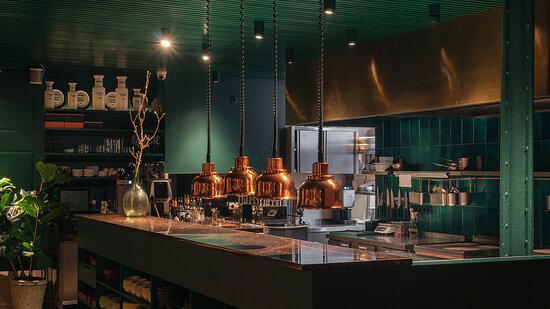
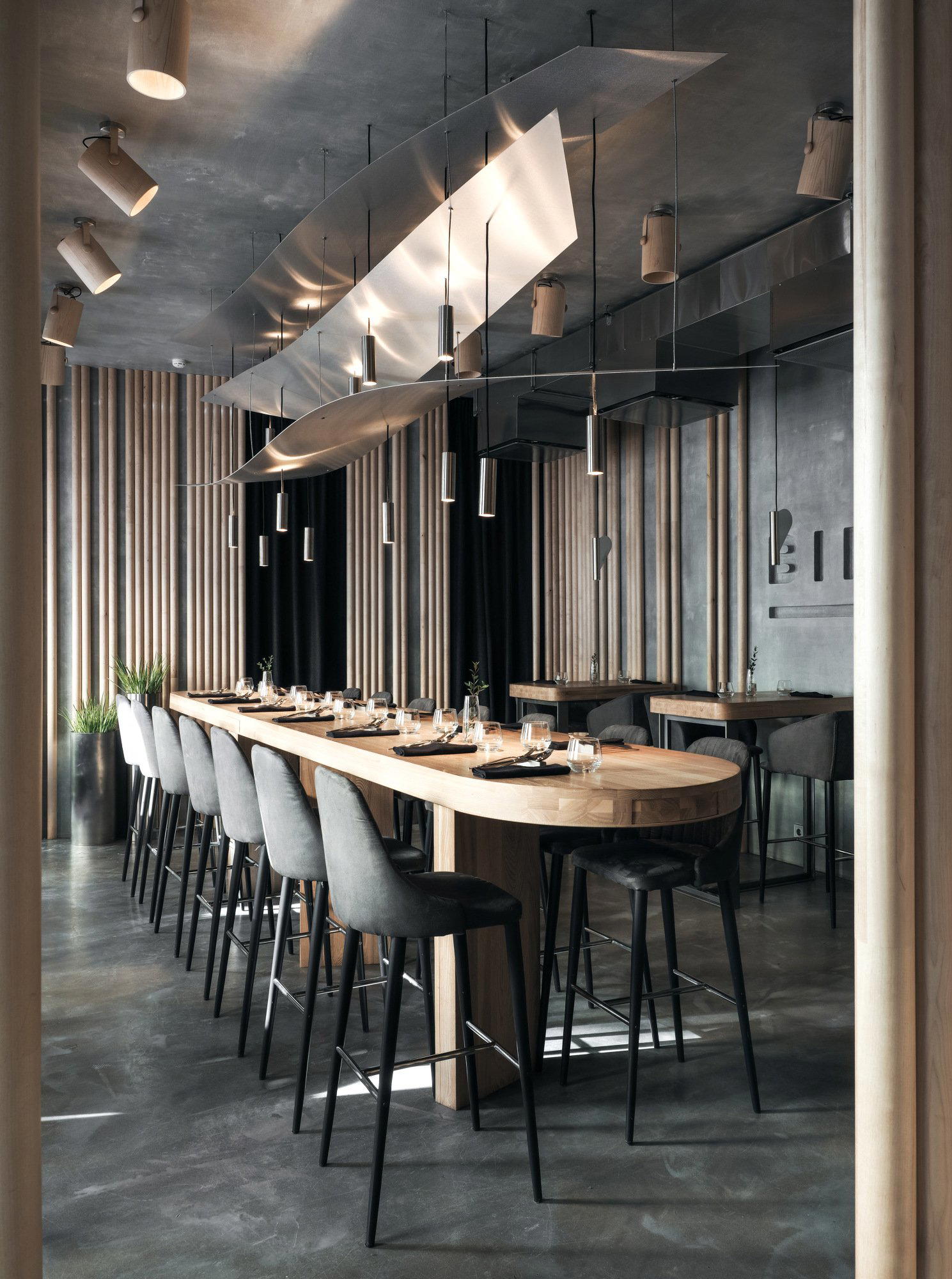
Bars in Saint Petersburg
Browse all →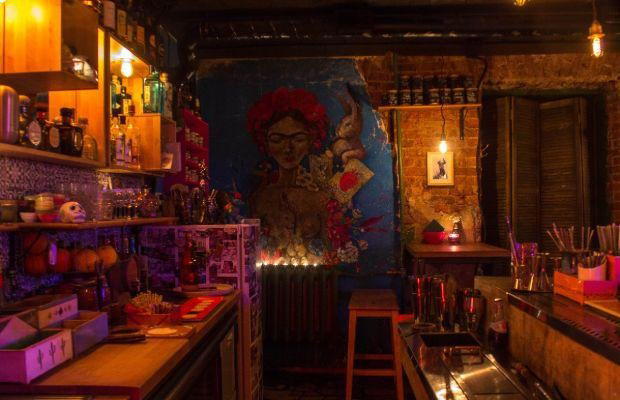
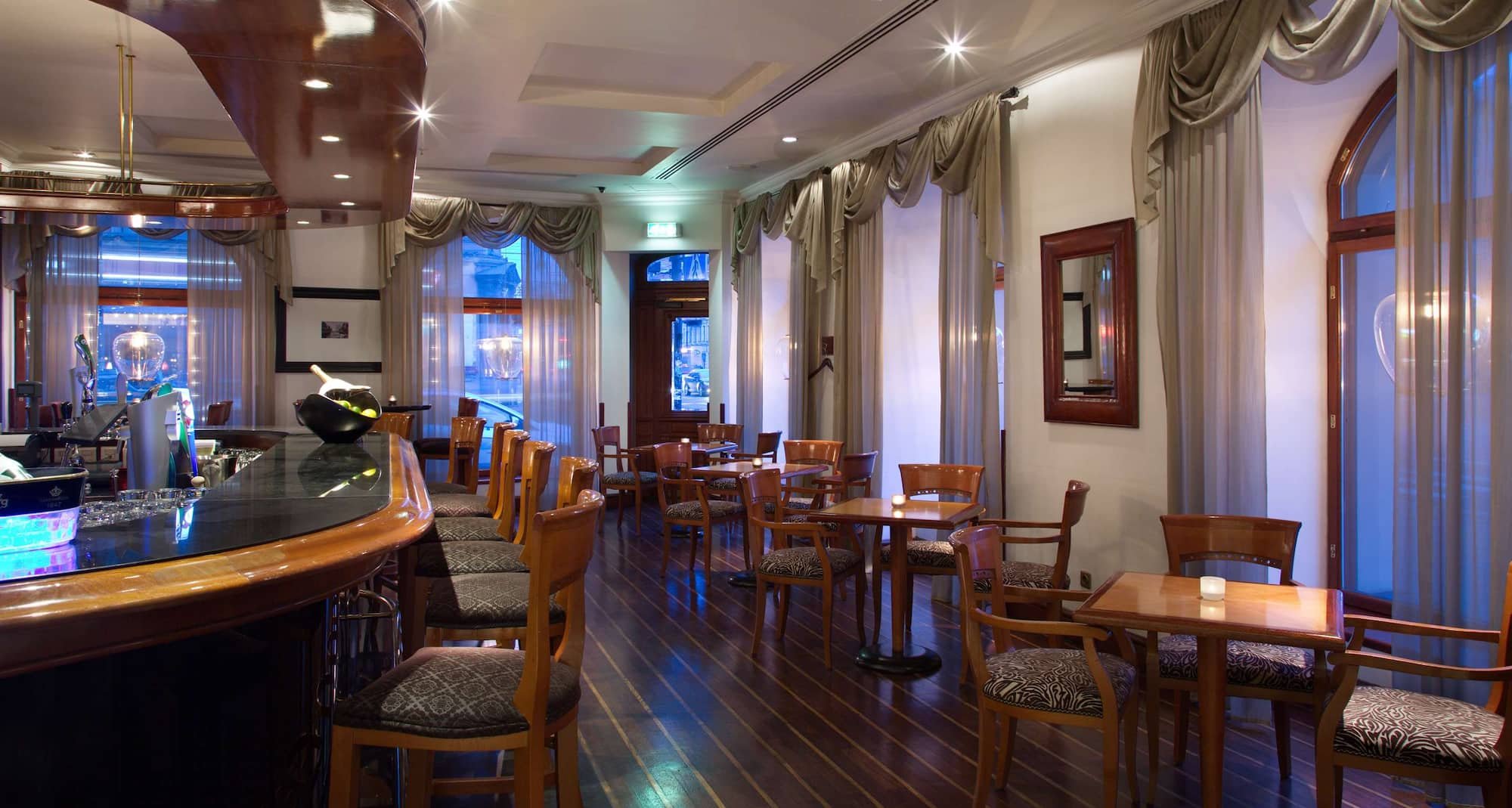
Hotels in Saint Petersburg
Browse all →
At a Glance
- Trendy
- Modern
- Lively
- Sophisticated
- Date Night
- Casual Hangout
- After Work
- Open Kitchen
- Extensive Wine List
- Street Scene
Current opening hours
- Monday
- 5–11 PM
- Tuesday
- 5–11 PM
- Wednesday
- 5–11 PM
- Thursday
- 5–11 PM
- Friday
- 12–11 PM
- Saturday
- 12–11 PM
- Sunday
- 12–11 PM
Hours can change for holidays and private events. Last verified .
Distinctive interior styling with sweeping views of Rubinshtein Street, appealing to trendy intellectuals.