
Tabelog Bronze #389
Our verdict
SATO Briand Nigo belongs to Tokyo’s serious yakiniku tier: a Suginami address with Tabelog Award Bronze recognition in 2026 and a place on the 2025 Tabelog 100 Yakiniku Tokyo list. The appeal is cultural as much as culinary, showing how Japanese barbecue moved from casual charcoal tables to course-led beef dining with private-room structure and wine in the mix.

Pearl is the En Primeur Club membership app, where members save venues, book tables and use the concierge.
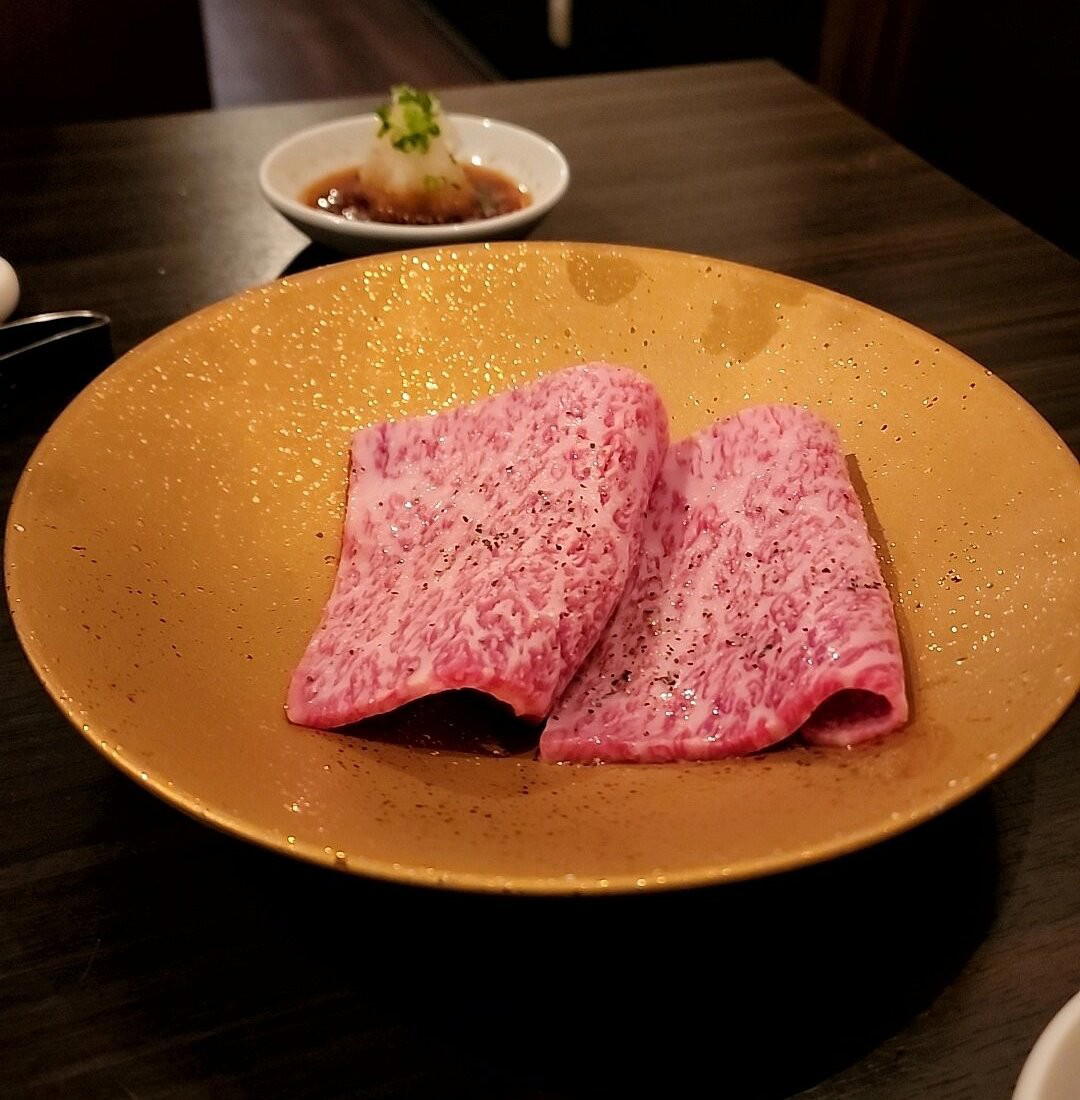
The menu
What to order
- Chateaubriand
- Buri-meshi
- Wagyu Nigiri
- Zabuton
- Noharayaki
Asagaya is not the Tokyo most visitors picture for premium beef. Quieter than Ginza or Roppongi, it has station-side streets, compact dining rooms, and a local rhythm well suited to yakiniku rather than ceremony. Here, charcoal, smoke control, cut, thickness, seasoning, and timing matter. SATO Briand Nigo feels less like a destination dropped into Suginami than a polished expression of an urban Japanese habit: gathering around grilled beef, with the structure and budget of a serious restaurant.
Tokyo yakiniku has two speeds. One is democratic, loud, weeknight-friendly: beer, smoke, quick tables. The other is appointment dining, where beef provenance, course pacing, private rooms, and wine service push the format toward sushi-counter and kappo competition. SATO Briand Nigo sits in that second lane, with Tabelog Award Bronze recognition in 2026, a 3.89 Tabelog score, and selection for the 2025 Tabelog 100 Yakiniku Tokyo list. In Japan, where local diners use Tabelog severely, those signals matter.
Yakiniku as Tokyo course dining, not just grill-and-go beef
Yakiniku’s roots are tied to Korean-style grilled meat adapted through postwar Japanese dining culture, but Tokyo has made the category its own. Serious rooms reduce the improvisation of casual barbecue: cuts arrive in planned order, heat management becomes part of service, and the meal progresses rather than spreading across a table of plates. SATO Briand Nigo’s course-only format places it firmly in this modern Tokyo reading, where rhythm and portioning are controlled more closely than in an à la carte grill room.
That matters because beef in Japan carries cultural weight beyond luxury. Wagyu is often discussed through marbling and breed, but the better yakiniku conversation is balance: fat against smoke, sweetness against tare, lean cuts against richer ones, and how quickly pleasure turns to fatigue. Course-led yakiniku manages that arc. It gives the kitchen authority over sequence and asks diners to approach barbecue with omakase-level attention, while remaining communal and fire-driven.
The SATO Briand group adds context. Sato Burian, Satoburi DA, and SATO Brian Nanaban place the name within a small Tokyo beef ecosystem, not a single-room phenomenon. Satoburi DA sits in a higher dinner band, while SATO Brian Nanaban aligns with the same JPY 15,000 to JPY 19,999 bracket listed for this address. Nigo therefore reads as the group’s middle-premium position: serious enough for award attention, not priced like Tokyo’s upper counter-dining tier.
Why Asagaya changes the meal
Location shapes how Tokyo restaurants are read. Central luxury districts can frame dinner as status before the first course. Asagaya, a lived-in Suginami neighbourhood close to the Chuo Line’s everyday movement, gives premium yakiniku a less theatrical setting. The appeal lies in the contrast: high-recognition beef dining in a district associated with regulars, small restaurants, and local repeat business rather than hotel-lobby glamour.
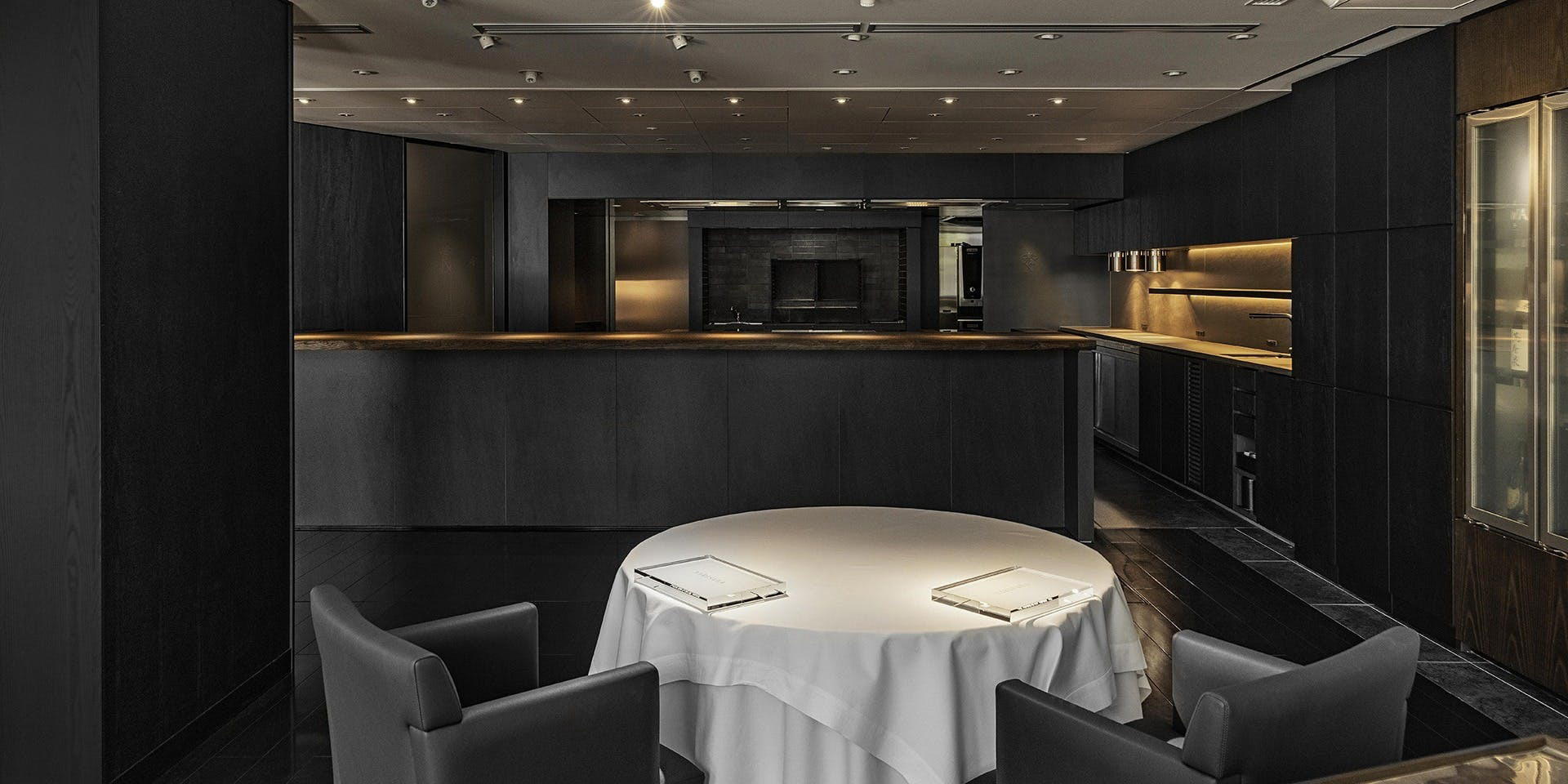
The room supports that reading. Thirty seats is compact, and private rooms for small groups suit the category. Yakiniku is social by design; smoke, pacing, and shared grilling build conversation into the format. Private rooms shift the tone from casual turnover to contained group dining, especially for business meals or serious dinners with friends. Children are not allowed, clarifying the audience: adult group dining with course structure, not a flexible family barbecue stop.
Wine service also shows how Tokyo yakiniku has matured. Beer and highballs remain natural partners for grilled meat, but wine now belongs to the premium beef vocabulary because fat, char, tare, and salt respond differently to acidity and tannin. Wine here does not turn yakiniku into Western steakhouse dining; it shows Tokyo absorbing outside drinking habits without surrendering the grill-table grammar.
How to place it within a Tokyo eating itinerary
For travellers, the question is not whether Tokyo has enough beef options, but whether a dinner slot should go to yakiniku instead of sushi, tempura, yakitori, or kaiseki. SATO Briand Nigo best suits diners wanting a Japanese beef meal with award validation and a controlled format, without the grand theatre of luxury hotel dining. The comparison is not casual barbecue chains, but specialist rooms where one craft is narrowed, priced, and repeated until details carry the experience.
Tokyo’s dining map frames that choice. A yakitori address such as 124. KAGURAZAKA (Yakitori) shows another fire-based tradition, with skewers, poultry, and counter rhythm instead of beef cuts and shared grilling. 12/10 Shinjuku ten belongs to a different urban register, while . 鮪と炭火焼き うお炭 秋葉原店 points to charcoal and seafood rather than wagyu-centered dining. Lighter or more casual stops such as 2D Cafe and 3 Chome no Curry Ya San underline the range: Tokyo rewards narrow specialization as much as grandeur.
That specialization extends beyond the capital. Beef-focused travellers can compare the Japanese grill vocabulary with -Grilled beef Sukiyaki- KAMAKURA TANUKIAN 鎌倉 たぬき庵 in Kamakura, while regional detours such as.cafe in Osaka.know in Kumamoto, (Shoku) Vietnam in Kawasaki, [Curry Senmon Ten] Maruyama Kyoju. in Sapporo, and [ki:] in Kyoto show how sharply Japanese dining changes by city and format. Outside Japan, Jōdo Saké Bar in Los Angeles and Onigiri Time in Pasadena offer contrasts in how Japanese food culture travels and adapts.
The itinerary logic is simple: use yakiniku for a convivial, beef-led evening rather than a hushed technical meal. In a city where premium dining can feel over-scripted, this format keeps the table active. Heat, timing, conversation, and appetite stay in play. For more planning across the city, see Our full Tokyo restaurants guide, with adjacent context in Our full Tokyo hotels guide, Our full Tokyo bars guide, Our full Tokyo wineries guide, and Our full Tokyo experiences guide.
The editorial verdict is precise rather than breathless. SATO Briand Nigo is for diners who want Tokyo yakiniku treated with structure, recognition, and adult group-dining discipline. It is less suited to a casual family meal or spontaneous low-cost grill night. Within the city’s beef hierarchy, its strength is preserving yakiniku’s social core inside a polished, course-led frame.
Frequently asked questions
Does SATO Briand Nigo work for a family meal?
It does offer private rooms for groups of 3 to 8 people, and the setup is course-only yakiniku in Tokyo’s Asagaya.
What should I expect atmosphere-wise at SATO Briand Nigo?
Expect a 30-seat house restaurant with a relaxing space rather than a high-tempo grill room. The room is non-smoking, private rooms are available, and the format runs on course meals with wine service.
When can I go to SATO Briand Nigo?
Hours at SATO Briand Nigo: Tue, Wed, Thu, Fri, Sat, Sun, Public Holiday, Day before public holiday, Day after public holiday 15:00 - 22:00.
What is SATO Briand Nigo known for?
SATO Briand Nigo is primarily known for its core concept and execution in Tokyo.
Comparable venues nearby, for context on price, style, and recognition.
| Venue | Cuisine | Price | Awards | Notes |
|---|---|---|---|---|
| SATO Briand NigoThis venue (the venue you are viewing) | Premium Lean Wagyu Yakiniku | $100–150 | Tabelog Bronze #389 | Not listed |
| Hakata Hotaru | Hakata Izakaya | $50–100 | Not listed | Minato |
| Eiki | Traditional Yakitori Omakase | $150–200 | Tabelog Bronze #59 | Shibuya |
| Chataro | Premium Yakitori Omakase | $100–150 | Tabelog Silver #13 | Shibuya |
| Sushi Ken | Traditional Edo-style Sushi | $100–150 | Black Pearl 1 Diamond | Taitō |
| Nikuyama | Wagyu Omakase | $100–150 | Not listed | Shibuya |
Recognition history
Dated appearances from independent guides and award organizations, with the underlying list record or original source where available.
Tabelog Bronze #389
Tabelog
Full recognition history (2 entries)
Tabelog 100 #23 · No. 23
Tabelog · Tabelog 100 - Yakiniku - TOKYO - 2025
Continue exploring
More in Tokyo
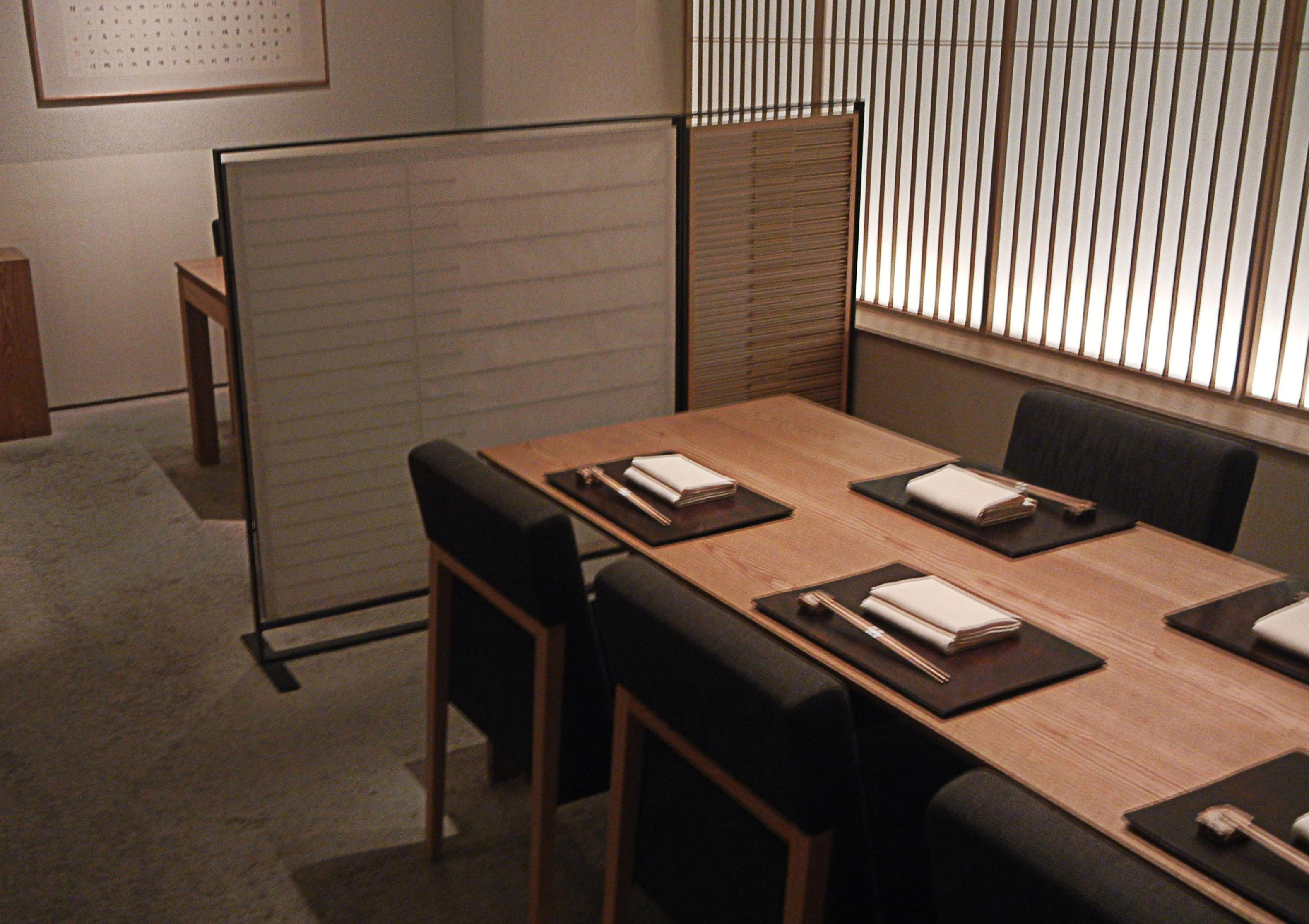
Restaurants in Tokyo
All restaurants in Tokyo →


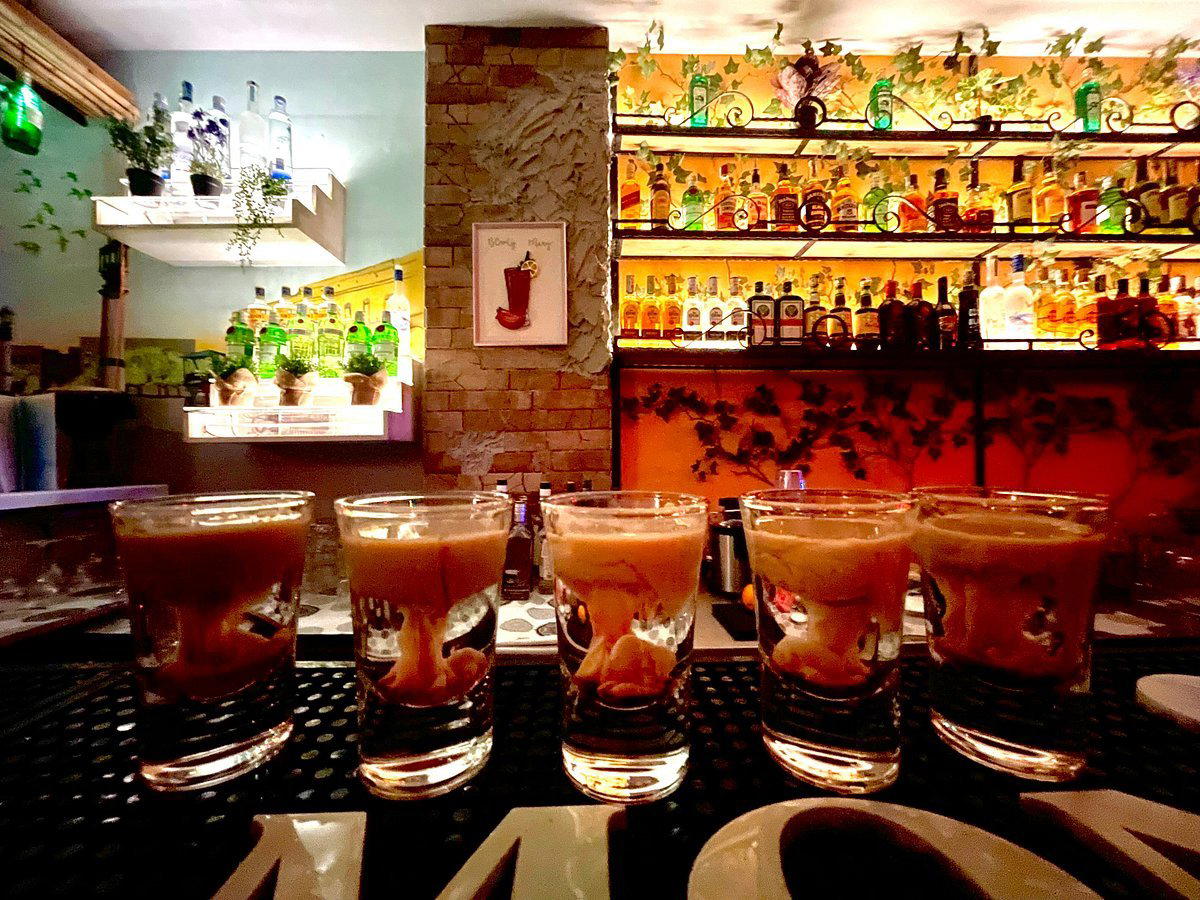
Bars in Tokyo
All bars in Tokyo →



Details
- Elegant
- Sophisticated
- Group Dining
- Special Occasion
- Celebration
- Business Dinner
- Private Dining
- Open Kitchen
- Sake Program
- Local Sourcing
- Omakase
- Set Menu
- Tasting Menu
- Sake
- Shochu
- Wine
Current opening hours
- Monday
- 2:30–10 PM
- Tuesday
- 2:30–10 PM
- Wednesday
- 2:30–10 PM
- Thursday
- 2:30–10 PM
- Friday
- 2:30–10 PM
- Saturday
- 2:30–10 PM
- Sunday
- 2:30–10 PM
Hours can change for holidays and private events. Hours as of .
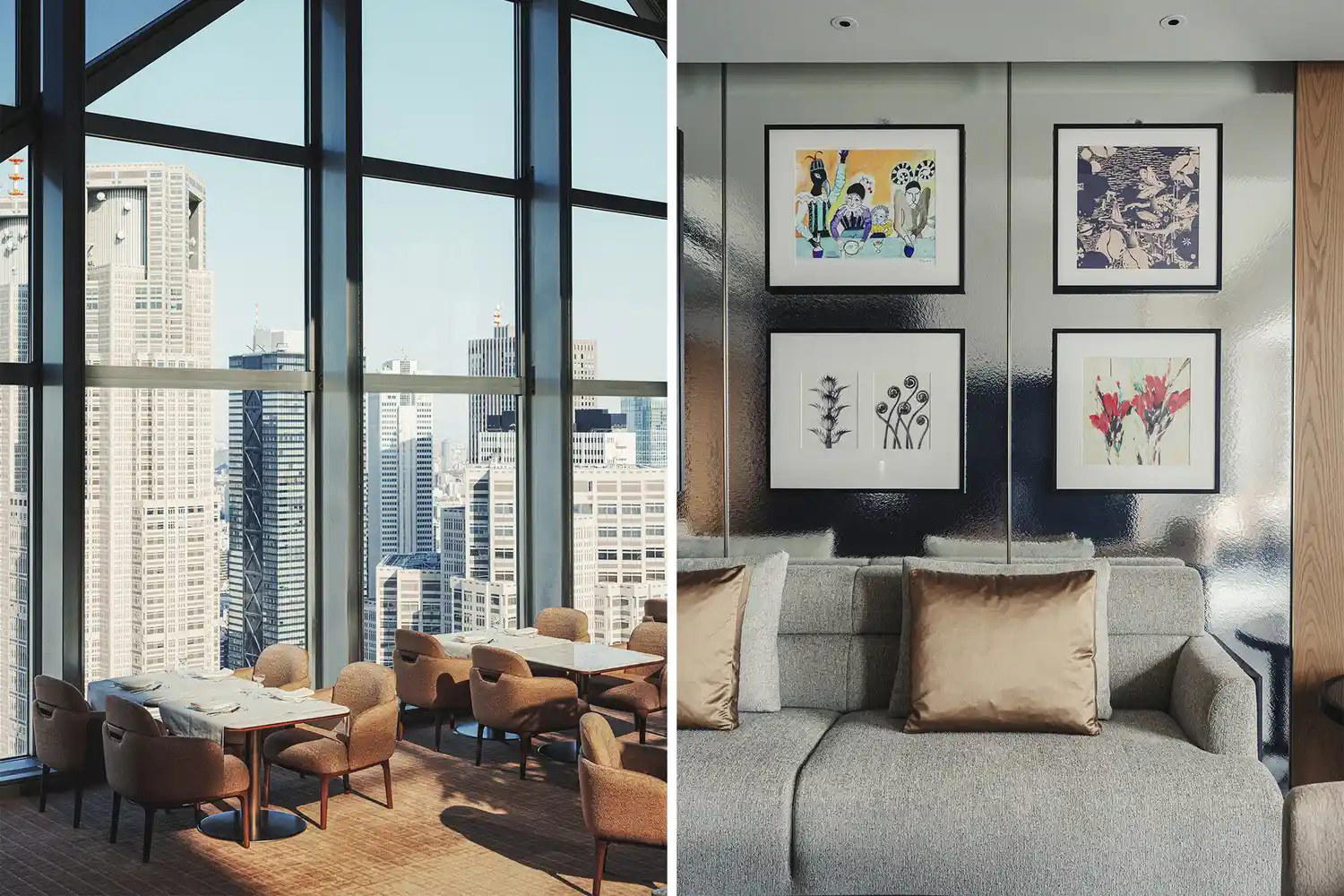
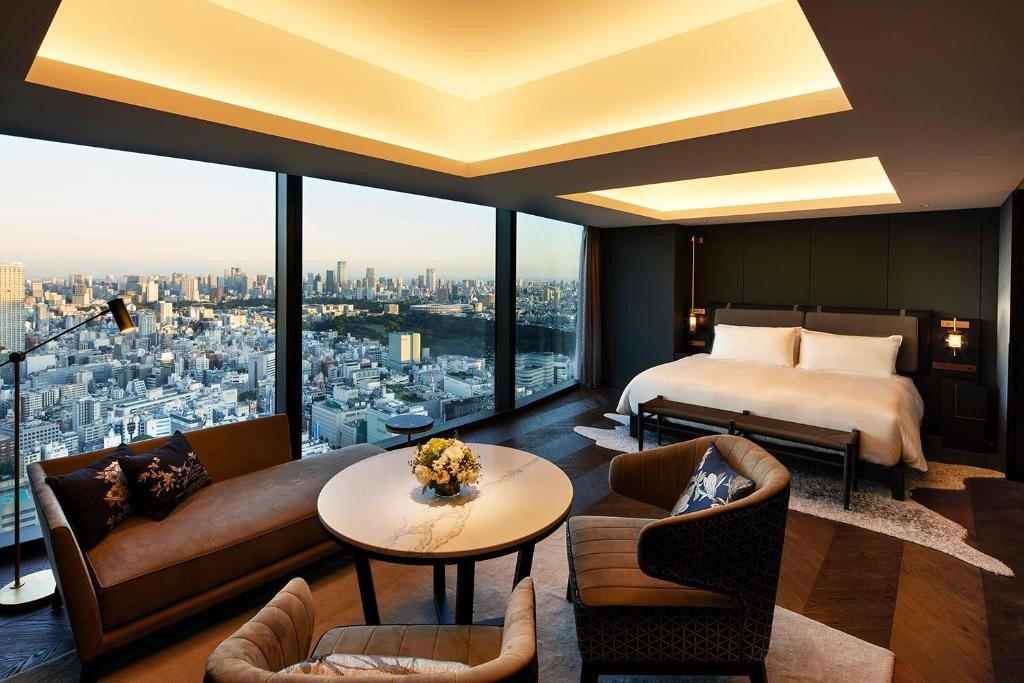
Refined and spacious interior with relaxing seating, designed for a polished yakiniku experience rather than casual dining.