
Nikuyama is a yakiniku restaurant in Kichijoji, Tokyo, ranked #72 in Opinionated About Dining's Casual Japan list in 2024 and #94 in 2025. Operating Wednesday through Sunday with lunch and dinner service, it occupies a ground-floor space in Musashino and holds. It sits within a broader Tokyo movement toward traceable, quality-focused grilled-meat dining.
Pearl is the En Primeur Club membership app — saves, bookings, and concierge access live there. Same editors, same standards.
- Address
- Japan, 〒180-0001 Tokyo, Musashino, Kichijoji Kitamachi, 1 Chome−1−20 Fujino House, 1F
- Phone
- +81 50-5461-1136
- Website
- nikuyama.foodre.jp
- Directions
- Get directions
 Saves & bookings on Pearl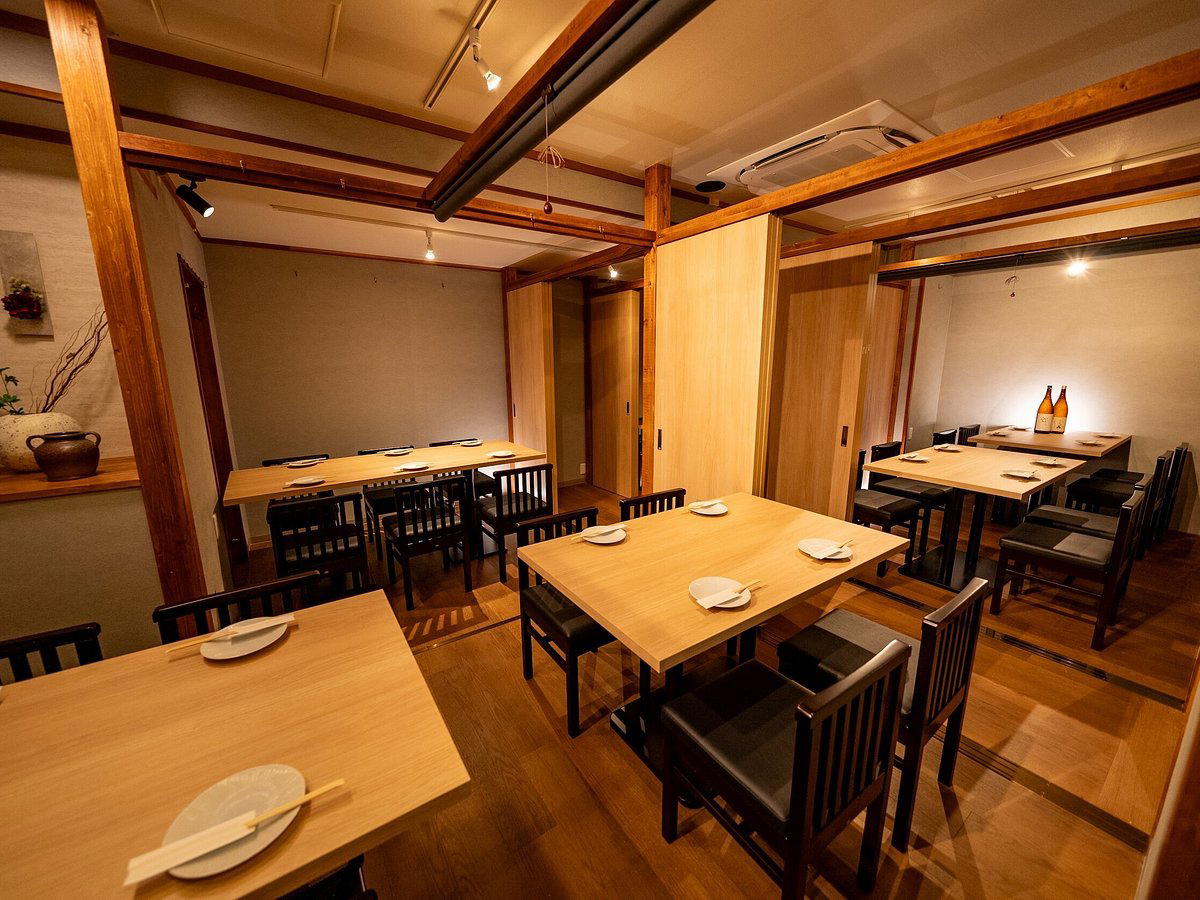
Kichijoji and the Quiet Seriousness of Neighbourhood Yakiniku
Tokyo's yakiniku scene has long been divided between two poles: the high-spending Roppongi and Ginza operations where A5 Wagyu is the entry point and the price runs accordingly, and the neighbourhood joints where the beef is often the story but the room stays unpretentious. Kichijoji, a residential district in Musashino on the western edge of the city, belongs firmly to the second category. It has built a reputation over decades as a place where serious food exists at a human scale, away from the theatre of central Tokyo dining. Nikuyama, on the ground floor of Fujino House in Kichijoji Kitamachi, sits squarely in that tradition. Its trajectory on the Opinionated About Dining Casual Japan list — ranked #72 in 2024 and #94 in 2025 — speaks to a place that has earned consistent recognition without the infrastructure of a central-city location or a celebrity-chef brand behind it.
Yakiniku as a Discipline, Not a Format
To understand what sets serious yakiniku apart from its casual counterpart, it helps to consider what the format actually demands. Grilling meat at the table is, on the surface, simple, but the quality of the product, the precision of the cuts, and the sequencing of what arrives and when are all editorial decisions that distinguish a considered program from a generic one. In Tokyo's more thoughtful yakiniku houses, the sourcing conversation has moved steadily toward transparency: which farm, which prefecture, which breed, and increasingly, which approach to animal husbandry. That shift mirrors what has happened in the fine-dining tier, at kaiseki counters like Gion Sasaki in Kyoto or the innovation-led formats at HAJIME in Osaka, where ingredient provenance is treated as a culinary argument, not a marketing footnote. Nikuyama operates at a more accessible price point and in a casual register, but the OAD recognition places it in company that takes sourcing and execution seriously.
Sustainability and the Ethics of Premium Beef
The sustainability question inside yakiniku is genuinely complex. Wagyu production is resource-intensive by nature: long rearing cycles, grain-based finishing, and the carbon footprint associated with high-marbling cattle all sit in tension with environmental consciousness. What the more progressive operators have been doing, and what the OAD Casual recognition pattern tends to reward, is a move toward whole-animal usage, reduced waste across cuts, and tighter relationships with producers who manage land and livestock with longer time horizons in mind. The logic is that if you are going to serve beef at this quality level, you should be using more of the animal rather than selecting only the premium cuts and discarding the rest. This approach reshapes the menu away from a parade of A5 loin cuts and toward something that requires more skill to execute: offal preparations, secondary cuts treated with precision, marinated items that make sense of tougher muscle groups. It also tends to produce a more interesting meal. Nikuyama's presence in the OAD rankings, without the anchors of a central Tokyo address or a headline chef biography, suggests its case is made on the plate and through the sourcing relationship, the elements that reward repeat visits rather than one-time spectacle.
For context on how this philosophy plays out in different formats across the city, Nikusho Horikoshi and Jumbo Hanare each represent adjacent points on Tokyo's grilled-meat spectrum, while Kiraku-Tei operates in a similarly neighbourhood-rooted register. Beyond yakiniku specifically, Cossott'e and Kinryuzan show how the city's casual dining tier more broadly makes its arguments through product rather than production value.
The Kichijoji Factor
Kichijoji has a consistent track record of supporting food businesses that would struggle to sustain themselves in higher-rent central Tokyo, precisely because its customer base is local, repeat, and less dependent on tourism or expense-account dining. That dynamic rewards consistency over spectacle. A restaurant in Ginza can absorb the cost of a slow month in a way that a ground-floor Kichijoji operation cannot, which means the discipline has to be built into the model from the start. The Wednesday-to-Sunday schedule, with lunch service from 11:30am to 2pm and dinner running from 5pm to 9:30pm, reflects a realistic operating framework for a neighbourhood site: closed Monday and Tuesday, no all-day service, and a dinner window that closes at a reasonable hour. That structure is common among serious smaller operations in Tokyo, where kitchen quality and staff welfare are maintained in part by not overextending hours.
OAD Recognition in Context
Opinionated About Dining's Casual Japan list is built from a surveying methodology that weights repeat visits and sourcing-aware diners heavily, which makes it a different kind of signal than a Michelin inclusion. A Michelin star reflects a specific set of criteria applied by inspectors; OAD Casual reflects accumulated consensus among a dining community that pays attention to what is on the plate and where it came from. Moving from #72 in 2024 to #94 in 2025 is a ranking shift, but it does not erase the underlying recognition, the venue remains inside a list of roughly 100 that covers the entire country. For a Kichijoji yakiniku restaurant without a high-profile marketing infrastructure, that sustained presence carries weight. Internationally, Nikushou in Hong Kong and Gyu-Kaku Japanese BBQ in Los Angeles show how the yakiniku format travels; the Tokyo originals remain the reference point for how the discipline is practised at its most unmediated. For broader Japan context, akordu in Nara, Goh in Fukuoka, and 6 in Okinawa each illustrate how regional Japanese restaurants build recognition outside the Tokyo frame, while 1000 in Yokohama adds a nearby metropolitan comparison.
Planning a Visit
Kichijoji is accessible from central Tokyo via the Chuo Line, putting it around 20 to 25 minutes from Shinjuku. The restaurant address, 1 Chome-1-20 Kichijoji Kitamachi, Musashino, Tokyo, ground floor of Fujino House, places it within easy walking distance of Kichijoji Station. Service runs Wednesday through Sunday, with lunch from 11:30am to 2pm and dinner from 5pm to 9:30pm. Walk-in availability will vary; arriving at lunch on a weekday is the lowest-friction option. For a fuller picture of Tokyo dining, drinking, and staying, see our full Tokyo restaurants guide, our full Tokyo hotels guide, our full Tokyo bars guide, our full Tokyo wineries guide, and our full Tokyo experiences guide.
Quick reference: Nikuyama, 1F Fujino House, 1 Chome-1-20 Kichijoji Kitamachi, Musashino, Tokyo. Open Wed-Sun, lunch 11:30am-2pm, dinner 5-9:30pm. OAD Casual Japan #94 (2025), #72 (2024).
Recognition, Side-by-Side
| Venue | Cuisine | Price | Awards |
|---|---|---|---|
| NikuyamaThis venue — the venue you are viewing | Yakiniku | Not listed | Not listed |
| Harutaka | Sushi | ¥¥¥¥ | Michelin 3 Star |
| RyuGin | Kaiseki, Japanese | ¥¥¥¥ | Michelin 3 Star |
| L'Effervescence | French | ¥¥¥¥ | Michelin 3 Star |
| HOMMAGE | Innovtive French, French | ¥¥¥¥ | Michelin 2 Star |
| MAZ | Innovative | ¥¥¥¥ | Michelin 2 Star |
Recognition history
Dated appearances from independent guides and award organizations, with the underlying list record or original source where available.
Opinionated About Dining Casual in Japan Ranked #61
Opinionated About Dining
Opinionated About Dining Casual in Japan Ranked #94
Opinionated About Dining
Opinionated About Dining Casual in Japan Ranked #72
Opinionated About Dining
Continue exploring
More in Tokyo
More from Chef Various
Browse all →
Restaurants in Tokyo
Browse all →



Bars in Tokyo
Browse all →



Hotels in Tokyo
Browse all →




Wineries in Tokyo
Browse all →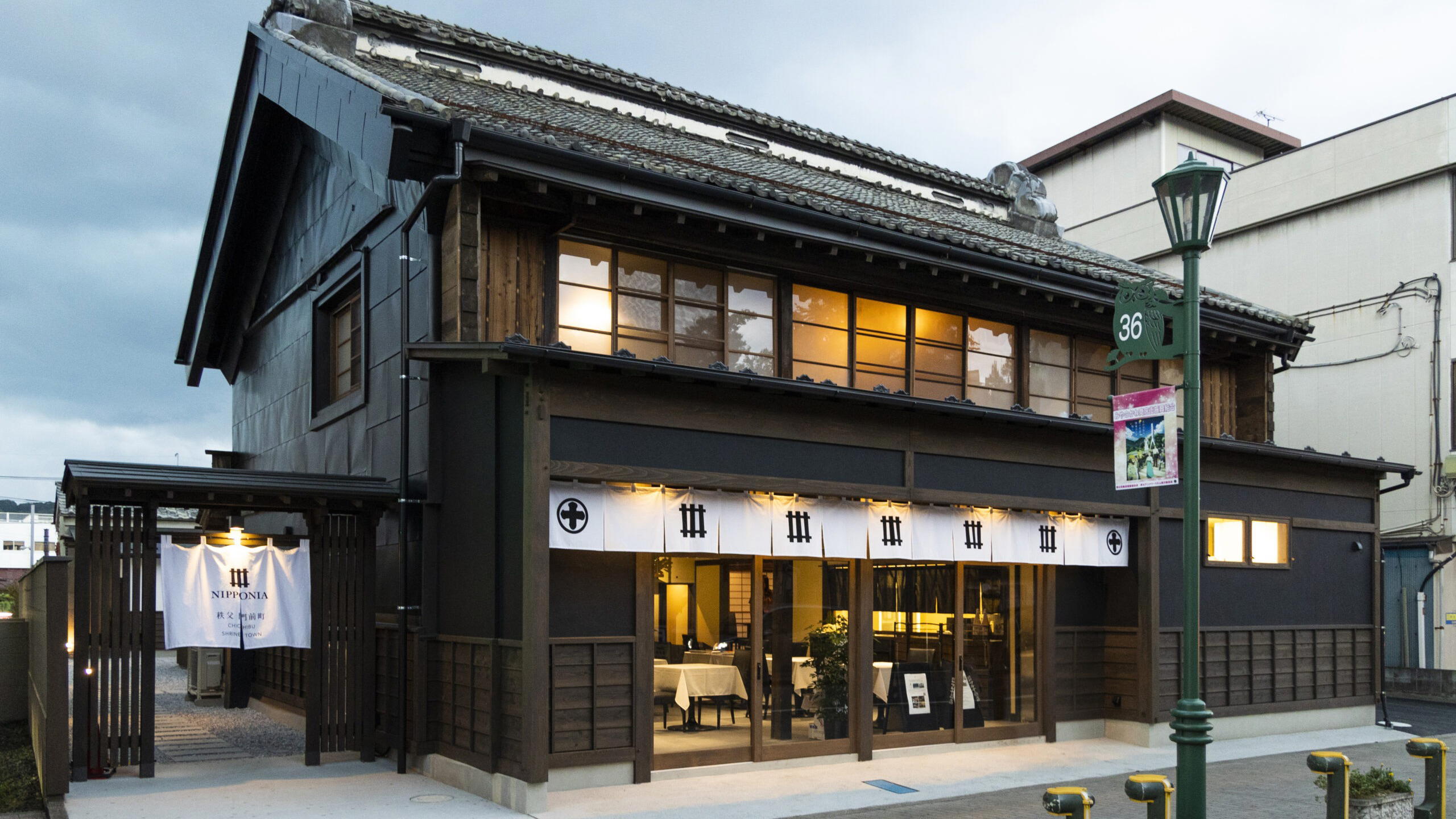
At a Glance
- Intimate
- Elegant
- Cozy
- Sophisticated
- Date Night
- Special Occasion
- Chefs Counter
- Open Kitchen
- Sake Program
Current opening hours
- Monday
- Closed
- Tuesday
- 11:30 AM–2 PM, 5–9:30 PM
- Wednesday
- 11:30 AM–2 PM, 5–9:30 PM
- Thursday
- 11:30 AM–2 PM, 5–9:30 PM
- Friday
- 11:30 AM–2 PM, 5–9:30 PM
- Saturday
- 11:30 AM–2 PM, 5–9:30 PM
- Sunday
- 11:30 AM–2 PM, 5–9:30 PM
Hours can change for holidays and private events. Last verified .
Hushed and restrained with pale wood, soft leather, and the glow of binchotan grill.
Know Before You Go
- Getting there
- Japan, 〒180-0001 Tokyo, Musashino, Kichijoji Kitamachi, 1 Chome−1−20 Fujino House, 1F