
Black Pearl 1 Diamond
Our verdict
Sushi Ken sits in Asakusa's quieter dining corridor, holding a 2025 Black Pearl 1 Diamond award that places it among Tokyo's recognised sushi addresses. The Taito City location positions it outside the Ginza omakase circuit, offering a counter experience that reads as local rather than destination-driven. Book in advance; the award recognition has sharpened demand.

Pearl is the En Primeur Club membership app, where members save venues, book tables and use the concierge.
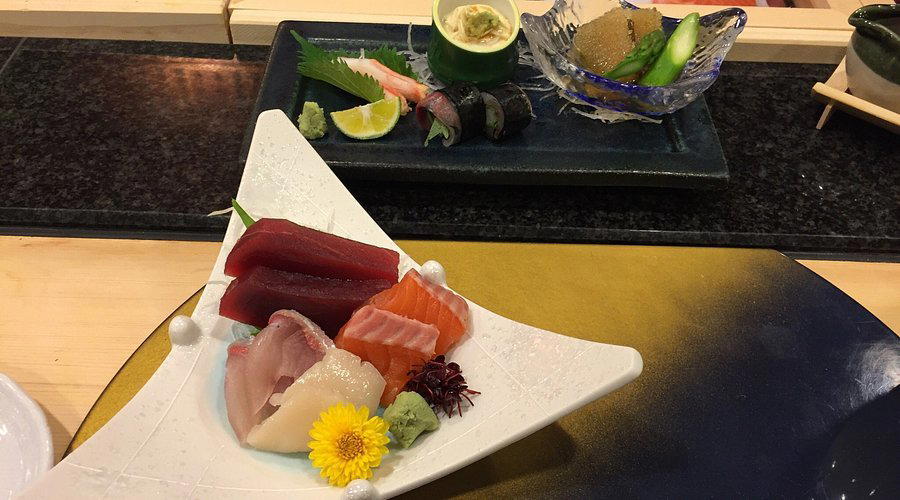
Asakusa and the Sushi Counter Outside the Circuit
Tokyo's sushi conversation defaults to Ginza and Minami-Aoyama, where counter seats are priced against international expense accounts and booked out months ahead. Asakusa operates on a different register. The neighbourhood's identity is older Tokyo, shitamachi, or low city, and its dining rooms have historically served a local clientele rather than chasing destination status. That context matters when reading Sushi Ken, which sits at 2 Chome-11-4 in Taito City's Asakusa district, inside a building that signals nothing to the passing tourist and everything to the diner who booked ahead.
The geographic separation from the Ginza omakase corridor is not incidental. Sushi counters that earn award recognition outside the central premium cluster tend to draw a more mixed clientele: neighbourhood regulars alongside the informed visitor who has deliberately sought them out. That dynamic shapes how a counter feels at service, which is a different proposition from the hushed, chef-focused formality that defines the top-tier Ginza rooms. For context on the broader Tokyo sushi tier, Harutaka represents the Ginza counter experience at its most concentrated, where every seat faces the chef and the menu is a single, evolving sequence.
What the Black Pearl Award Signals About Menu Architecture
Sushi Ken holds a 2025 Black Pearl 1 Diamond award. Within the Black Pearl system, a single Diamond at this level indicates a restaurant that meets a defined threshold of quality, consistency, and hospitality, not a room coasting on neighbourhood goodwill. The award is useful not as a decorative credential but as a structural signal: it tells you the menu is constructed with intent, that the fish sourcing and rice preparation meet a standard that evaluators can verify across multiple visits.
In Tokyo sushi, the menu's architecture is the argument the kitchen is making. At the entry tier, the structure is loose: a la carte ordering, individual pieces requested across the counter, the diner assembling their own sequence. At the omakase tier, the chef controls the sequence entirely, moving through lighter preparations toward richer ones, calibrating pace and temperature, using the meal as a single composed statement. Black Pearl recognition in a neighbourhood setting suggests the latter approach, or at minimum a kitchen that treats its sequence with the same discipline. The gap between a technically competent sushi counter and one whose menu reveals a point of view is significant, and awards exist partly to mark that gap.
Tokyo's recognised sushi addresses span an enormous price range, from counter seats in the tens of thousands of yen at rooms like Harutaka to mid-range counters in Asakusa where the same craft traditions apply at lower price points.
The Asakusa Dining Context
Taito City contains some of Tokyo's densest concentration of traditional craft trades and long-running family restaurants. The area around Asakusa 2-chome is close to Nakamise-dori's tourist corridor but sits far enough from it that the immediate blocks retain a working neighbourhood character. This matters for a sushi counter because the supply relationships, fish sourcing, relationships with rice merchants, connections to Tsukiji and Toyosu suppliers, are often built over decades in these older neighbourhoods, and that depth of connection shows in the quality of what arrives on the counter.
Tokyo's dining geography rewards lateral exploration. The concentration of recognised restaurants in Minato and Shibuya wards is a function of real estate and clientele density, not of culinary quality distributed only to those addresses. Asakusa has produced counter restaurants that hold their own against the central-district rooms while operating in a context that feels less mediated. For a fuller picture of what the city offers across all categories, the EP Club Tokyo restaurants guide maps the full range.
Where Sushi Ken Sits in the Broader Japan Picture
Tokyo dominates Japan's high-end dining conversation, but the country's regional restaurant culture is substantial. Gion Sasaki in Kyoto operates in a kaiseki tradition that has little overlap with Tokyo's sushi counter scene, while HAJIME in Osaka represents the innovative end of the Kansai dining identity. Goh in Fukuoka works in a city where ramen has global recognition but where the fine dining scene is increasingly confident on its own terms. Against that regional spread, Tokyo's neighbourhood sushi counters, award-recognised, locally embedded, operating outside the headline circuit, represent a specific value proposition for the visitor who has already done the destination rooms.
Within Tokyo itself, the contrast between sushi counters and the city's other award-recognised formats is instructive. RyuGin and L'Effervescence operate in formats, kaiseki and French respectively, where the menu's architecture is built over many more courses and a much longer service window. Sézanne and Crony sit in the French-influenced innovative tier that Tokyo has developed over the past decade. The sushi counter is a different discipline entirely: fewer elements, less time at the table, and a menu structure that relies on precision rather than variety to make its case.
Planning a Visit
Sushi Ken is located at 2 Chome-11-4 Asakusa, Taito City, Tokyo, inside the Matsu Royal Building. Asakusa is accessible via the Tokyo Metro Ginza Line (Asakusa Station) and the Toei Asakusa Line, making it direct to reach from most central Tokyo hotel districts. The award recognition means demand at this level of neighbourhood counter is not casual; advance booking is advisable, and the lead time required will depend on current seat availability.
For visitors building a broader Tokyo itinerary, the city's hotel, bar, and experience options are covered in the EP Club Tokyo hotels guide, bars guide, and experiences guide. Those extending to the wider Kanto region may also find 1000 in Yokohama worth the short train journey south. For wine context in the region, the Tokyo wineries guide covers what the city's wine scene offers. International reference points for the kind of disciplined tasting-menu format that leading sushi counters parallel in structure include Le Bernardin and Atomix in New York, and akordu in Nara and 6 in Okinawa for those continuing further into Japan.
Quick reference: Sushi Ken, 2 Chome-11-4 Asakusa, Taito City, Tokyo. Black Pearl 1 Diamond (2025). Nearest station: Asakusa (Ginza Line / Toei Asakusa Line). Booking recommended.
Frequently asked questions
at Sushi Ken?
With a 2025 Black Pearl 1 Diamond award confirmed for this address, the kitchen has demonstrated consistent quality to external evaluators. In recognised Tokyo sushi counters at this tier, the most coherent approach is to follow the chef's sequence rather than build an a la carte selection, as the counter's reputation rests on how it constructs that progression.
Do I need a reservation at Sushi Ken?
Award recognition at any Tokyo sushi counter sharpens demand immediately. Sushi Ken's 2025 Black Pearl 1 Diamond status, combined with its Asakusa location and the city's overall density of informed diners, makes walk-in availability unreliable. Book in advance.
Credentials Lens
Comparable venues nearby, for context on price, style, and recognition.
| Venue | Cuisine | Price | Awards | Notes |
|---|---|---|---|---|
| Sushi KenThis venue (the venue you are viewing) | Traditional Edo-style Sushi | $100–150 | Black Pearl 1 Diamond | Not listed |
| Meimon | Yakiniku Horumon | $100–150 | Not listed | Chūō |
| Kintan | Yakiniku Japanese BBQ | $50–100 | Not listed | Minato |
| Akagi | Traditional Japanese Izakaya with Aged Eel | $50–100 | Tabelog 100 #17 | Taitō |
| バードランド | Michelin-Starred Yakitori | $50–100 | Michelin Plate · Tabelog 100 #45 | Chiyoda |
| Tempura Ginza Tentei | Traditional Ginza Tempura Counter | $50–100 | Tabelog 100 #86 | Chūō |
Recognition history
Dated appearances from independent guides and award organizations, with the underlying list record or original source where available.
Black Pearl 1 Diamond
Black Pearl
Continue exploring
More in Tokyo
Restaurants in Tokyo
All restaurants in Tokyo →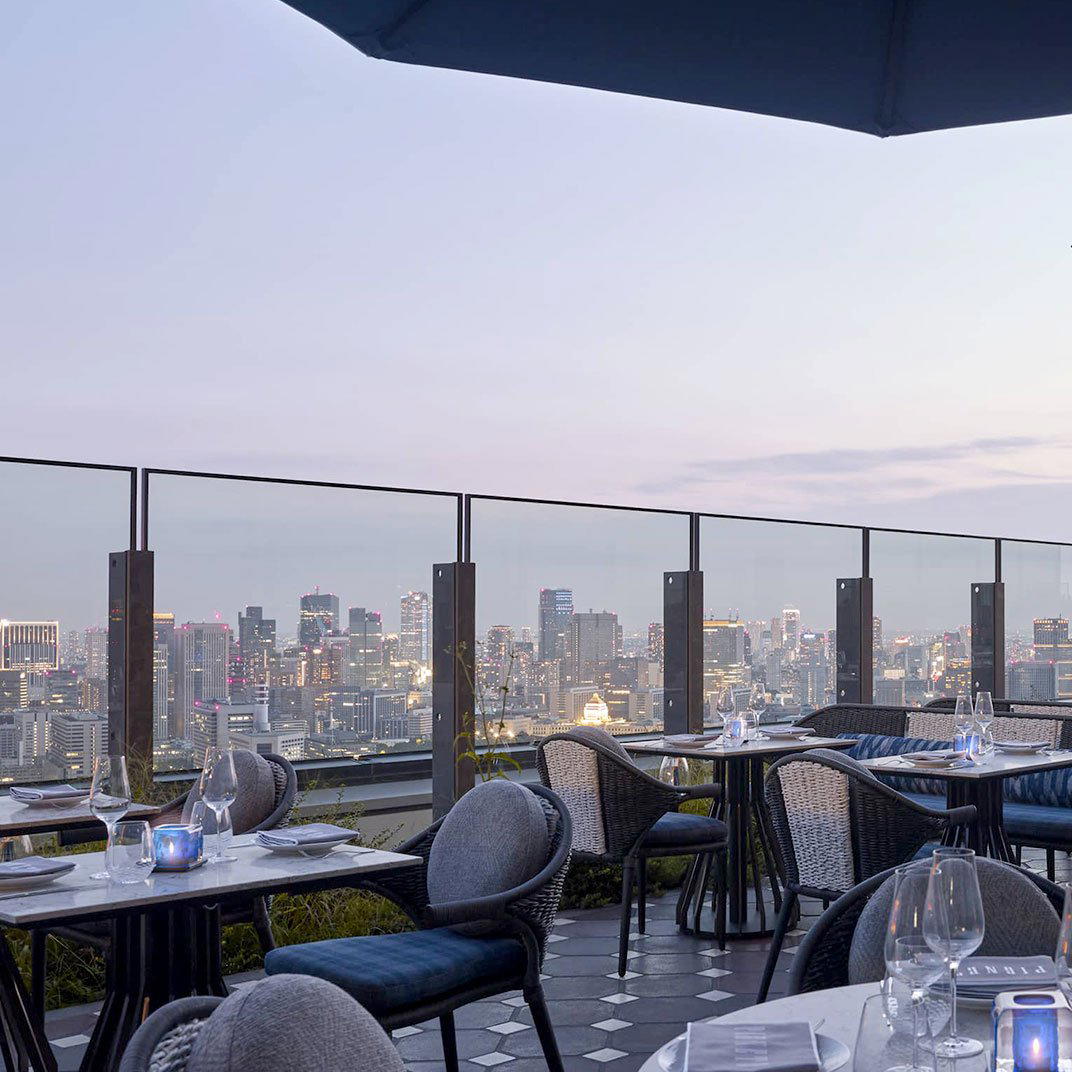

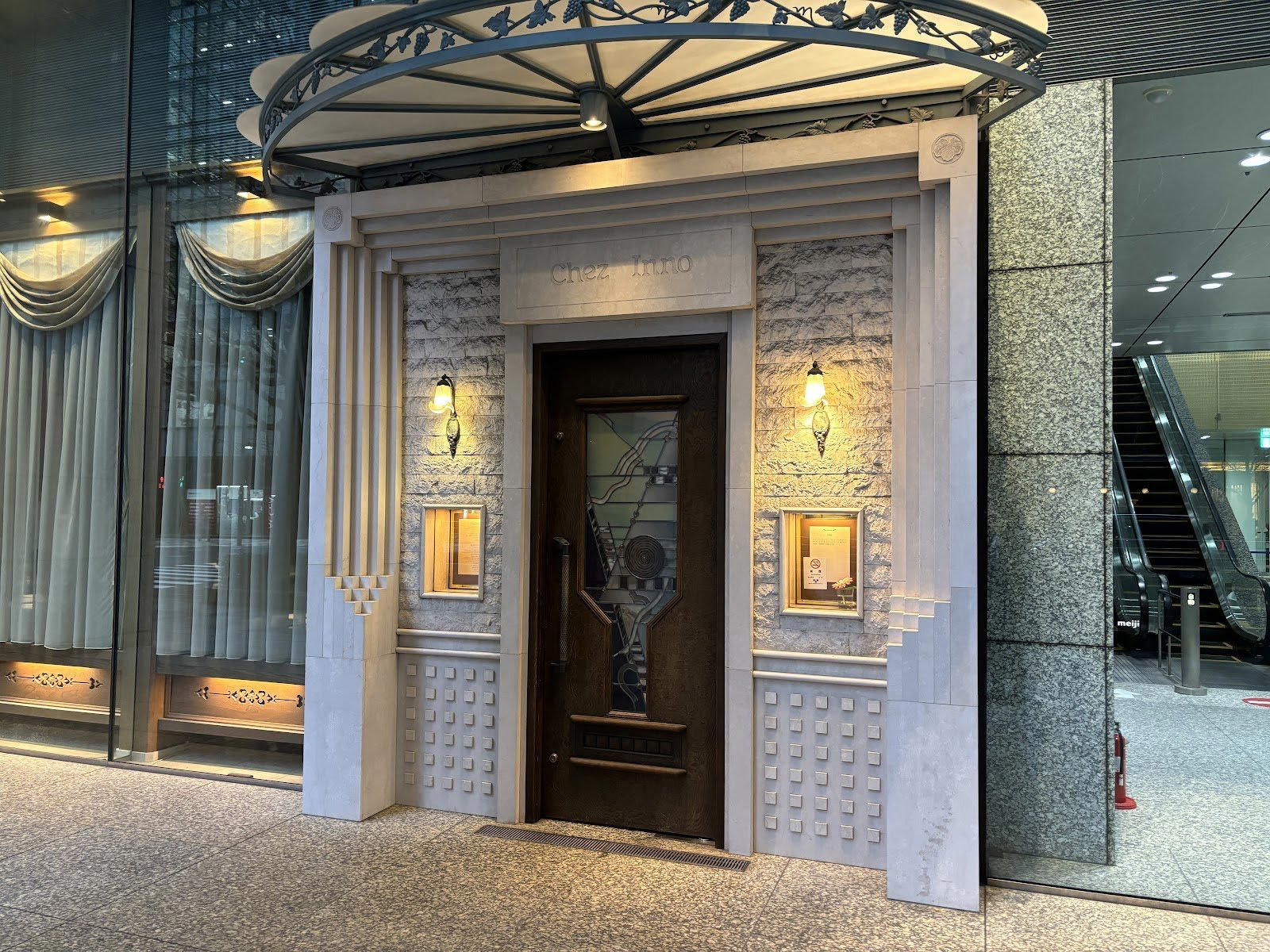
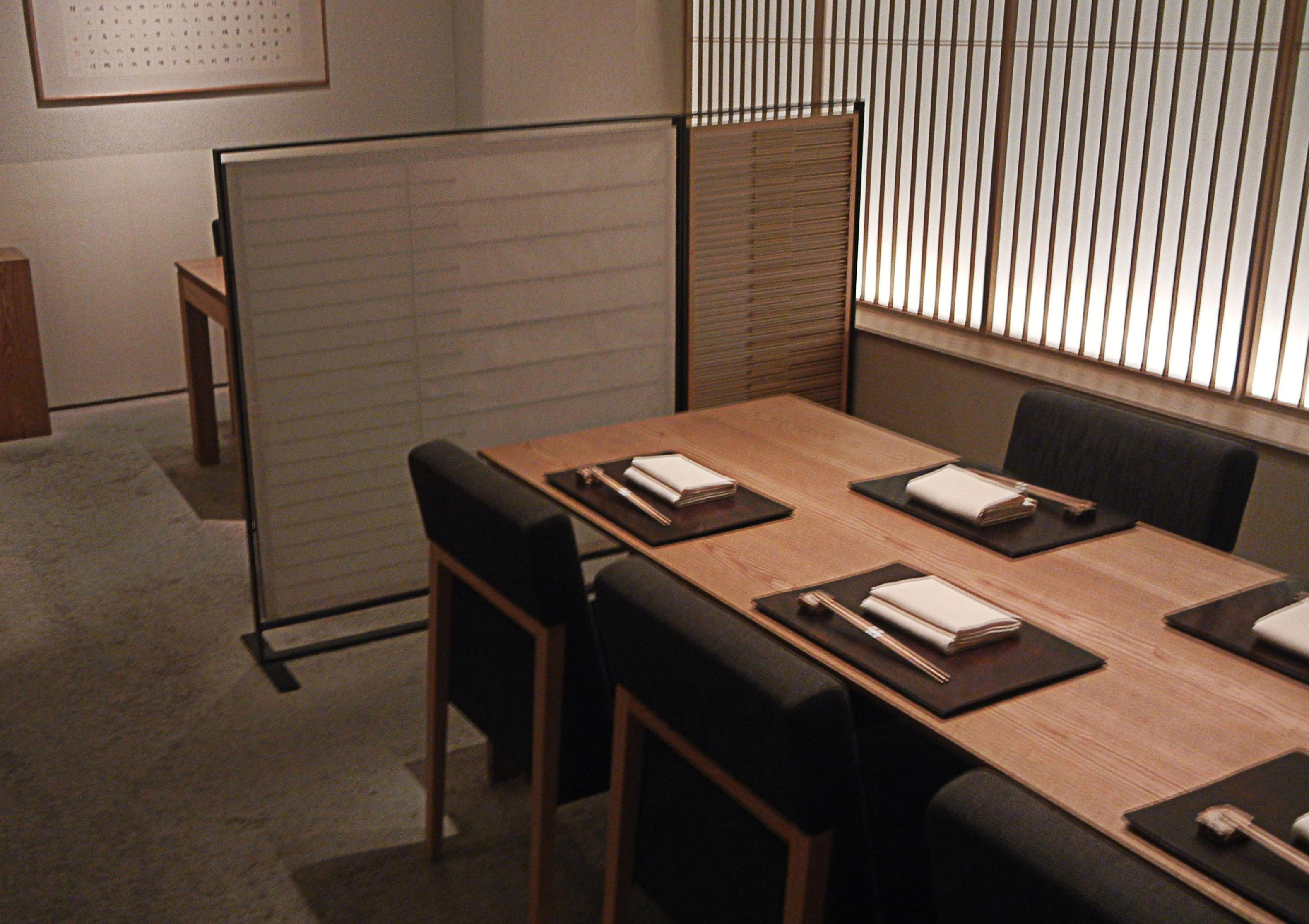




Details
- Classic
- Intimate
- Business Dinner
- After Work
- A La Carte
- Counter Dining
Current opening hours
- Monday
- 12–3 PM, 5–10 PM
- Tuesday
- 12–3 PM, 5–10 PM
- Wednesday
- Closed
- Thursday
- 12–3 PM, 5–10 PM
- Friday
- 12–3 PM, 5–10 PM
- Saturday
- 12–3 PM, 5–10 PM
- Sunday
- 12–3 PM, 5–10 PM
Hours can change for holidays and private events. Hours as of .
Great atmosphere with accommodating service in a classic sushi setting.