Our verdict
SATO BRIAN Osaka Umeda Ten occupies an address in Suginami City that sits outside Tokyo's central dining circuit, positioning it among the neighbourhood specialists that regulars seek out rather than stumble upon. The format and cuisine type place it in a category where repeat visits shape the experience more than first impressions, and where the clientele tends to know the rhythm of the room better than any published review can convey.

Pearl is the En Primeur Club membership app, where members save venues, book tables and use the concierge.
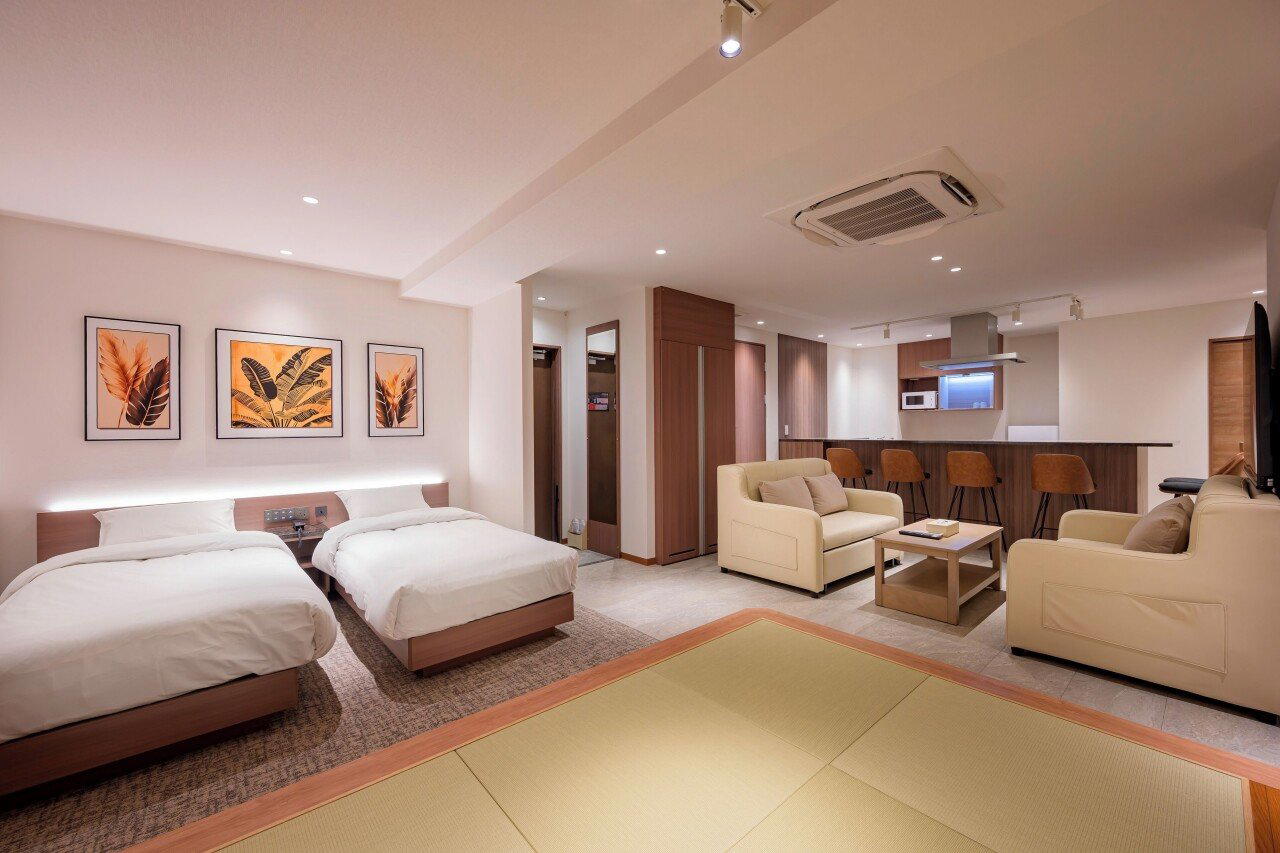
Suginami City sits west of Shinjuku along the Chuo line, far enough from Ginza and Minami-Aoyama that it rarely appears in the opening paragraphs of Tokyo dining coverage. That distance is, for the regulars who make up the core of SATO BRIAN Osaka Umeda Ten's clientele, precisely the point. The neighbourhood dining culture in this part of Tokyo rewards loyalty differently from the high-traffic counter restaurants of central Tokyo: tables here are held for people who return, and the experience compounds across visits in ways that a single reservation cannot fully reveal.
Where the Neighbourhood Sits in Tokyo's Dining Structure
Tokyo's restaurant geography has a clear internal hierarchy. The Michelin-dense corridors of Ginza, Roppongi, and Minami-Aoyama attract the international first-timer and the special-occasion crowd. Venues like Harutaka in Ginza and RyuGin in Roppongi operate in that tier, where three-month advance bookings and per-head spends above ¥30,000 are structural norms. Further out, in residential wards like Suginami, the calculus shifts. Neighbourhood specialists draw a different kind of diner: one who is less interested in a credential on a list and more interested in a room that knows them.
This split runs through nearly every serious dining city. In Paris it separates the arrondissements with tourist-facing brasseries from the quieter bistros in the 11th that fill on word of mouth alone. In Osaka, where the SATO BRIAN name originated before the Umeda Ten branch arrived, the same principle applies: the Kansai dining culture has long favoured repeat-visit intimacy over spectacle. HAJIME in Osaka operates at the formal, internationally recognised end of that spectrum, while neighbourhood-facing formats build a different kind of loyalty base.
The Regulars' Economy
In Tokyo's neighbourhood dining rooms, regulars function as an informal quality signal. When a room fills primarily with people on their fifth or tenth visit, the kitchen and front-of-house calibrate differently than they would for a room of first-timers. Dishes that appeared on the menu three months ago may have been quietly adjusted; the pace of service bends toward what the room prefers rather than what the format prescribes on paper. This is the unwritten menu that no review can fully capture, and it is the primary reason regulars return to places like this rather than rotating through the city's more publicised openings.
The pattern is not unique to Tokyo. Gion Sasaki in Kyoto has built a similar dynamic at a higher price tier, where regulars effectively shape the kaiseki progression across seasons. Akordu in Nara operates on comparable loyalty logic in a city with even less foot traffic from first-time visitors. The thread connecting them is that these venues survive and refine themselves through return visits, not through novelty cycles.
Suginami as a Dining Context
Asagaya, the sub-neighbourhood within Suginami City where this address sits, has a character shaped by its resident base: musicians, designers, and long-term Tokyo residents who chose the area over the denser, more expensive central wards. The dining scene reflects that. It is not a destination neighbourhood in the way that Shimokitazawa attracts weekend visitors for a specific atmosphere, but it supports a consistent local restaurant culture that does not depend on passing traffic.
For visitors, this matters logistically. The Chuo line connects Asagaya directly to Shinjuku in under 15 minutes, which places it within reasonable reach of central Tokyo hotels without requiring the planning overhead of an outer-ward visit. The trade-off is that arriving without a connection to the regular crowd means calibrating expectations: this is a room built for people who have been before, and the experience for a first-timer is necessarily different from what the fifth-visit diner receives.
Comparable dynamics play out in other Japanese cities. Goh in Fukuoka operates in a city where the dining culture is strongly local-facing, and the international visitor is a welcome but secondary consideration. Neighbourhood specialists in Takashima, Nanao, and Nishikawa Machi, including 湖畔荘, 三本木 皆川制, and 奥羽屋, all follow a version of the same model: small, locally embedded, and refined through iteration with a known clientele rather than optimised for discovery.
The Osaka-Tokyo Thread
The SATO BRIAN name connects an Osaka origin to a Tokyo address, which positions this venue in a specific subcategory of the Tokyo dining scene: Kansai-rooted restaurants that have opened in the capital. Osaka's food culture carries a distinct set of priorities. Value density, directness, and a certain straightforwardness about pleasure tend to shape Osaka restaurants in ways that differ from the formal restraint more commonly associated with Tokyo kaiseki or the technical precision of the city's French-influenced rooms like L'Effervescence or Sézanne.
When an Osaka-origin format moves to Tokyo, it typically either adapts toward the Tokyo market's expectations or holds its Kansai character as a point of differentiation. The latter approach tends to build a more specific kind of loyalty, attracting diners who specifically want something that does not feel like the Tokyo norm. Crony in Tokyo represents a different version of this positioning, with an innovative French approach that sits outside the mainstream kaiseki-and-sushi axis. The Osaka-in-Tokyo model is another variant of the same impulse: a distinct regional identity held as a feature rather than softened for the local market.
For context on the broader regional picture, the EP Club guides to Bistro Ange in Toyohashi and Birdland in Sakai illustrate how mid-tier Japanese cities develop their own neighbourhood dining logic, often with direct parallels to the Suginami model. Internationally, the Le Bernardin and Atomix models in New York show what happens when a specific culinary identity is maintained rigorously in a competitive foreign market. The 古伊丹山乃 in Sapporo and our full Tokyo restaurants guide provide further reference points for situating this venue in its broader Japanese dining context.
Planning a Visit
Given the limited data, the practical guidance below reflects what the address and neighbourhood context can reliably support. Location: 2 Chome-17-2 Asagayaminami, Suginami City, Tokyo 166-0004. Access: Asagaya Station on the JR Chuo line, approximately 12 minutes from Shinjuku. Reservations: Contact details are not currently listed; approaching via the venue directly or through a hotel concierge familiar with the Suginami area is advisable. Budget: Timing: First-time visitors benefit from a weeknight visit when the regular crowd is more present and the room operates closer to its intended rhythm.
Frequently asked questions
What's the must-try dish at SATO BRIAN Osaka Umeda Ten?
The most direct approach is to ask on arrival what has been drawing repeat orders recently, which in a neighbourhood specialist typically produces a more honest answer than any published list.
Is SATO BRIAN Osaka Umeda Ten reservation-only?
In Tokyo's neighbourhood dining tier, where capacity tends to be limited and the clientele is largely regular, walk-in availability is generally low during peak service hours. The Osaka-rooted format, combined with the Suginami address, suggests a room that runs on known faces; a reservation made in advance, even if the process requires some effort to establish contact, is a more reliable approach than arriving without one.
How does the Osaka Umeda Ten branch relate to its Kansai origins, and does that affect what the Tokyo dining experience feels like?
Osaka-origin restaurants operating in Tokyo carry a distinct regional identity that shapes everything from pacing to the general disposition of the room toward the diner. Kansai dining culture tends to be less ceremonial than the Tokyo norm, with more directness in how food and hospitality are presented. At a venue with an Osaka lineage in a residential Tokyo neighbourhood, that character is more likely to be preserved than diluted, which is part of what the regular clientele is returning for. This positioning places it in a different competitive set from the formal counter restaurants of Ginza or the French-influenced tasting rooms of Minami-Aoyama.
A Minimal comparable set
Comparable venues nearby, for context on price, style, and recognition.
| Venue | Cuisine | Price | Awards | Notes |
|---|---|---|---|---|
| SATO BRIAN Osaka Umeda TenThis venue (the venue you are viewing) | Premium Yakiniku | $300–500 | Not listed | Not listed |
| Gonpachi Shibuya | Japanese Izakaya with Yakitori & Handmade Soba | $50–100 | Not listed | Shibuya, Japanese Izakaya with Yakitori & Handmade Soba |
| Sushi Sagawa | Traditional Edomae Sushi | $200–300 | Tabelog 100 #81 | Minato, Traditional Edomae Sushi |
| Yakitori Sekine | Modern Yakitori Counter | $50–100 | Tabelog 100 #86 | Toshima, Modern Yakitori Counter |
| Togoshi Ginza Sushi Bando | Seasonal Edo-style Omakase Sushi | $100–150 | Tabelog 100 #68 | Shinagawa, Seasonal Edo-style Omakase Sushi |
| Shutei Yuzawa | Traditional Yakitori & Chicken Dishes | $50–100 | Tabelog 100 #65 | Chūō, Traditional Yakitori & Chicken Dishes |
Continue exploring
More in Tokyo
Restaurants in Tokyo
All restaurants in Tokyo →



Bars in Tokyo
All bars in Tokyo →






Details
- Intimate
- Date Night
- Special Occasion
- Sake Program
- Omakase
- A La Carte
Current opening hours
- Monday
- 3–11:30 PM
- Tuesday
- 3–11:30 PM
- Wednesday
- 3–11:30 PM
- Thursday
- 3–11:30 PM
- Friday
- 3–11:30 PM
- Saturday
- 3–11:30 PM
- Sunday
- 3–11:30 PM
Hours can change for holidays and private events. Hours as of .
Cozy and intimate house restaurant atmosphere ideal for focused dining experiences.