Tabelog 100 #65
Our verdict
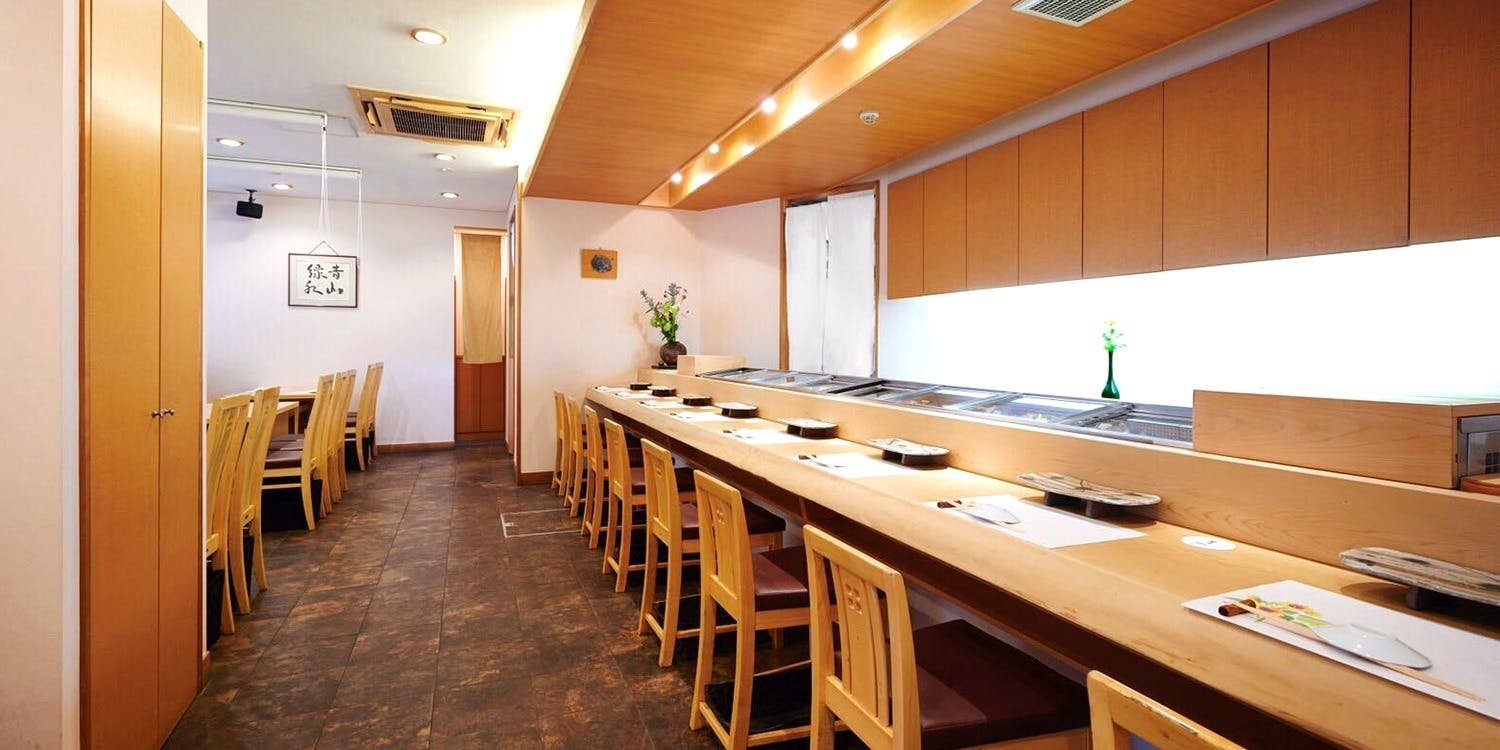
Shutei Yuzawa puts Tokyo yakitori in its small-counter, reservation-led bracket: eight seats, a 2025 Tabelog 100 Yakitori EAST selection, and a dinner spend listed at JPY 10,000–14,999. The value case is precision and scarcity rather than breadth, with chicken skewers, chicken dishes, and izakaya grammar compressed into a focused Higashinihonbashi format.

Pearl is the En Primeur Club membership app, where members save venues, book tables and use the concierge.
The menu
What to order
- Yakitori (grilled chicken skewers)
- Assorted local chicken cuts
- Omakase yakitori course
The first cue is focus. X’s serious yakitori restaurants often announce themselves less through broad luxury shorthand than through a narrow commitment to one genre: chicken, grill-led cooking, and a meal rhythm shaped by repeated small decisions rather than a sprawling menu. In X, that format feels especially apt. The setting sits outside easy prestige shorthand, and small restaurants here tend to reward diners who understand restraint as part of the experience.
Yakitori in X has clear contrasts. At one end are casual after-work taverns built for speed, beer, and volume. At the other are more focused rooms where chicken is treated with careful attention to preparation and timing. Shutei Yuzawa belongs to the latter camp. Its 2025 Tabelog Hyakumeiten recognition gives it a public marker in a category where many serious addresses remain small, locally followed, and resistant to easy discovery by visitors.
Compact scale and the economics of serious yakitori
The value proposition here is not abundance. It is concentration. A focused yakitori meal has little room for drift: pacing, grill work, and the transition between orders become the meal’s structure. That is why the format can justify a spend that overlaps with more formal Japanese dining without relying on the theatre of a long tasting sequence or the luxury coding of high-end sushi.
Diners increasingly price yakitori by confidence rather than by portion count. The relevant comparison is not a neighbourhood izakaya with grilled chicken on the menu; it is the specialist tier where category focus determines the gap between competent and compelling. Shutei Yuzawa sits in that bracket, with yakitori, chicken dishes, and izakaya elements rather than a broad, all-purpose menu. For travellers using a broader X restaurants guide, this is the kind of address that clarifies how far the category has moved from casual drinking food.
The setting also matters. X is better read through practical dining choices than through prestige shorthand. That changes the equation. In more obviously polished dining zones, a focused restaurant can appear to sell the address as much as the craft. Here, the same compactness can feel more pointed: fewer signals, less ceremony, more emphasis on the food itself. Other dining in X shows how widely counter-led and grilled cooking can range, but Shutei Yuzawa’s appeal is its focused place within that field.
Why the Tabelog 100 marker matters in this category
For yakitori, recognition has a different function than it does for luxury tasting menus. International awards can steer demand toward a narrow set of rooms, but Tabelog’s genre lists often catch the addresses diners use to sort depth within a specific category. A 2025 Tabelog Hyakumeiten marker places Shutei Yuzawa inside a competitive field, not as a generic recommendation but as a category-specific signal.
That distinction is useful because yakitori rewards specialization. A sushi counter can telegraph ambition through fish sourcing and rice; a French dining room through wine, staffing, and course architecture. Yakitori has fewer visible shortcuts. The diner reads confidence through pacing, doneness, seasoning discipline, and how the meal handles repetition without fatigue. Awards do not prove the meal, but in a focused format they do reduce uncertainty. They say the restaurant has been assessed within the language of yakitori rather than folded into a broad restaurant popularity contest.
The wider X dining map makes that precision valuable. A visitor can spend the same evening budget on many different kinds of meals across the city, from more formal counters to casual specialist stops and neighbourhood taverns. Those are different decisions, not a single hierarchy. The case for yakitori at this level is intimacy with a narrow category: fewer ideas on the table, greater pressure on each serving to carry its weight.
Who should choose this counter
This is a strong fit for diners who prefer disciplined formats over expansive menus. The format is better suited to focused dinners than to groups seeking a long, flexible evening. It also suits travellers who have already explored other Japanese staples in X and want a sharper read on how chicken can become a specialist cuisine rather than a secondary tavern order.
Vegetarians should be cautious. The listed categories centre on yakitori, chicken dishes, and izakaya cooking, so plant-led dining is not the natural strength of the format. X has other vegetarian and vegan options, but a chicken-focused restaurant is rarely the efficient place to test that side of the city unless the restaurant explicitly confirms alternatives.
For planning a broader trip, pair this kind of dinner with a neighbourhood-led itinerary rather than a hotel-district loop. The hospitality ecosystem is deep enough to separate by mood: restaurants, stays, late drinks, wine context, and cultural programming can all be planned around different parts of X. Beyond this meal, the same appetite for focused, compact food culture can carry through other dining choices, but Shutei Yuzawa is best understood on its own terms: a yakitori, chicken-dish, and izakaya address with a clear category signal.
Frequently asked questions
Where is Shutei Yuzawa located?
Shutei Yuzawa is located in X.
What does dinner at Shutei Yuzawa typically cost?
Pricing at Shutei Yuzawa is listed as JPY 10,000 - JPY 14,999.
Should I book Shutei Yuzawa in advance?
Yes. For a focused yakitori, chicken-dish, and izakaya address with Tabelog Hyakumeiten recognition, advance planning is sensible. Dinner is listed at JPY 10,000 - JPY 14,999, so the format is set up for a committed booking rather than an improvised stop.
What's the standout thing about Shutei Yuzawa?
Its clearest credential is the 2025 Tabelog Hyakumeiten recognition, alongside a listed score of 4.02. That combination signals a tightly focused yakitori address rather than a broad, all-purpose dining room.
Is Shutei Yuzawa good for vegetarians?
It is listed as yakitori, chicken dishes, and izakaya, so the focus is squarely on poultry and related cooking. Vegetarians should expect limited options unless the restaurant directly confirms alternatives.
Comparable Options
Comparable venues for cuisine and category context.
| Venue | Cuisine | Price | Awards | Notes |
|---|---|---|---|---|
| Shutei YuzawaThis venue (the venue you are viewing) | Traditional Yakitori & Chicken Dishes | $50–100 | Tabelog 100 #65 | Not listed |
| Fushue | Chinese restaurant | Not listed | Tabelog 100 #55 | JPY 10,000 - JPY 14,999 JPY 1,000 - JPY 1,999 |
| Yugetsu | Modern Japanese Izakaya | $50–100 | Michelin Plate | Izakaya |
| BEAVER BREAD | Bakery | $10–20 | Tabelog 100 #41 | JPY 1,000 - JPY 1,999 JPY 1,000 - JPY 1,999 |
| Yakiniku Itadaki | Kobe Beef Charcoal Yakiniku | $50–100 | Not listed | Not listed |
| Sushi Ichijo | Edomae Omakase | $150–200 | 1 Michelin Star | Sushi |
Recognition history
Dated appearances from independent guides and award organizations, with the underlying list record or original source where available.
Tabelog 100 #65 · No. 65
Tabelog · Tabelog 100 - Yakitori - EAST - 2025