On a quiet Prenzlauer Berg street, Sasaya has held its place as one of Berlin's most dependable Japanese addresses for years. The kitchen draws on ingredient sourcing that reflects the careful provenance thinking common to serious Japanese cooking in Europe, making it a reference point for the city's small but committed Japanese dining scene. Located at Lychener Str. 50, it occupies a niche that few Berlin restaurants fill with comparable consistency.
Pearl is the En Primeur Club membership app — saves, bookings, and concierge access live there. Same editors, same standards.
- Address
- Lychener Str. 50, 10437 Berlin, Germany
- Phone
- +49 30 44717721
- Website
- sasaya-berlin.de
- Directions
- Get directions
 Saves & bookings on Pearl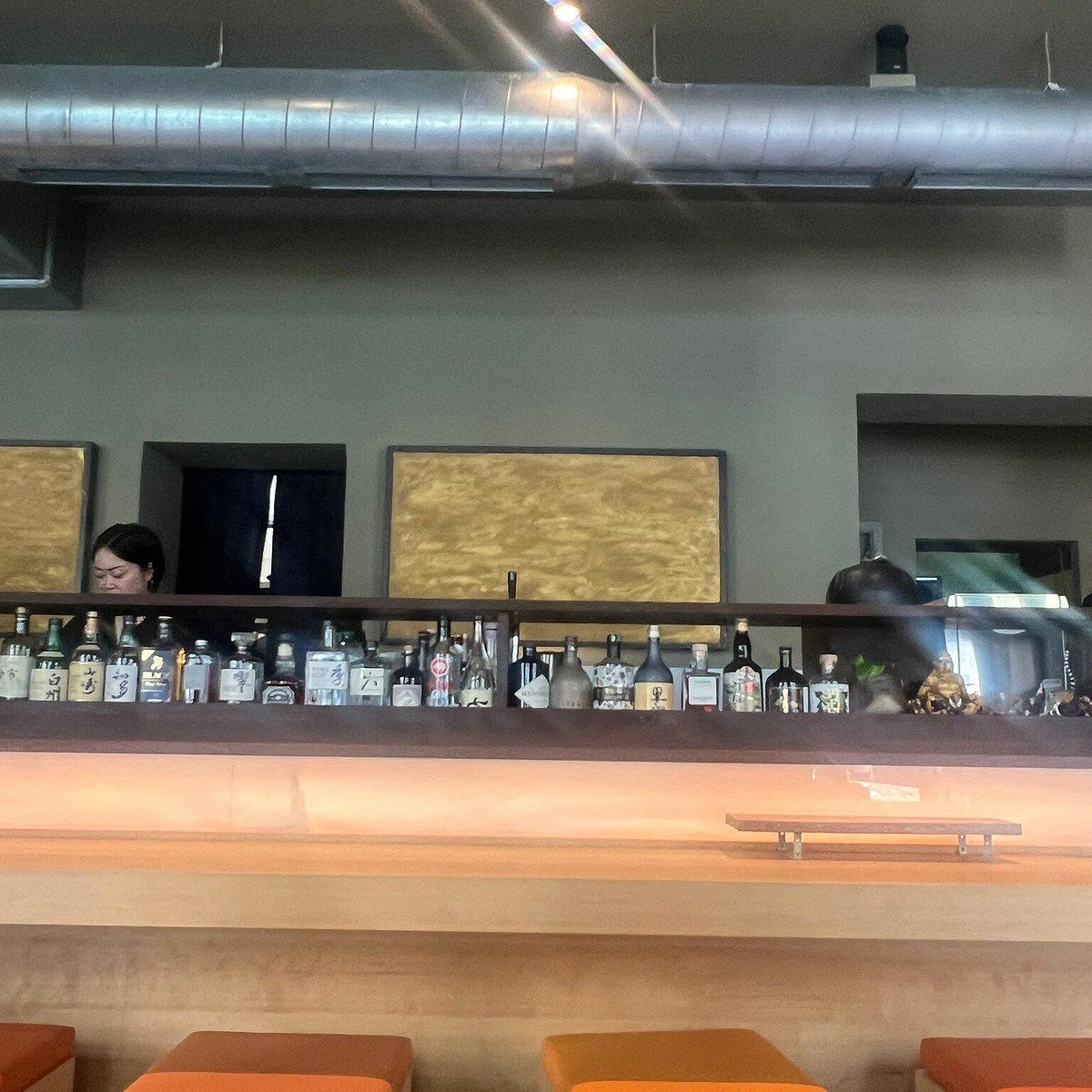
Where Prenzlauer Berg Meets the Japanese Kitchen
Lychener Strasse in Prenzlauer Berg is the kind of street where residents know the good spots and visitors occasionally stumble upon them. The block runs through a neighbourhood that has matured from post-reunification bohemia into something more settled, its streets lined with independent cafes, wine bars, and grocers that reflect the tastes of a community rather than a tourist itinerary. Sasaya sits within that fabric at number 50, its exterior offering little visual clutter. Inside, the register shifts: the room is composed and deliberate in the way that serious Japanese cooking demands its surroundings to be.
That restraint is the first editorial signal worth reading. Berlin's Japanese dining scene is small relative to the city's overall restaurant count, and within it, the serious operators occupy a distinct tier from the sushi conveyor belts and pan-Asian hybrids that serve a different appetite. Sasaya has built its reputation on the quieter end of that tier, drawing regulars who return not for spectacle but for consistency and sourcing discipline.
Ingredient Provenance in a City Without a Pacific Coast
One of the structural challenges for any Japanese kitchen operating in continental Europe is fish. Japan's culinary traditions are built around seafood drawn from specific coastal fisheries, aged and handled according to methods developed over centuries in environments where the supply chain is short and culturally understood. Replicating that in Berlin requires deliberate sourcing decisions that few restaurants are willing to make at cost.
The broader pattern among Europe's more considered Japanese restaurants is to work with specialist importers who fly in product from Japanese markets, supplement with carefully selected European fish handled to Japanese standards, and apply preparation methods that compensate for the longer cold chain. At the level where provenance thinking is genuinely applied rather than marketed, the difference on the plate is legible: fish that has been aged correctly rather than simply kept cold, rice that is treated as a primary ingredient rather than a neutral base, and soy, mirin, and dashi components sourced to match the kitchen's specific technique rather than purchased as commodity items.
Berlin's reference-point Japanese kitchens understand this framework. The city lacks the Japanese diaspora density of London, Paris, or Amsterdam, which means the supply infrastructure is thinner and the sourcing effort proportionally higher. That context matters when assessing what a place like Sasaya is attempting and what regulars find when they return.
The Prenzlauer Berg Japanese Dining Context
Berlin's fine dining conversation in recent years has centred on a cohort of high-profile European kitchens. Nobelhart & Schmutzig has built a programme around hyper-regional German sourcing that has become a reference for ingredient-led cooking in the city. Rutz sits in the modern European tier with significant wine programme depth. FACIL and CODA Dessert Dining occupy creative niches with Michelin recognition. Restaurant Tim Raue works the Asia-inflected end of the spectrum at high price points with substantial award-level recognition.
Sasaya operates outside that awards-driven conversation, occupying instead the space that Berlin's neighbourhood Japanese dining has historically struggled to fill with real quality: a mid-to-serious tier where the cooking reflects genuine technical grounding without the theatre and pricing of the destination restaurants.
Across Germany, the serious end of ingredient-led cooking appears in venues spread well beyond the capital. Schwarzwaldstube in Baiersbronn, Aqua in Wolfsburg, and JAN in Munich each demonstrate that the country's sourcing discipline extends into fine dining at different price points and formats. Vendôme in Bergisch Gladbach, Victor's Fine Dining by Christian Bau in Perl, ES:SENZ in Grassau, Schanz in Piesport, and Waldhotel Sonnora in Dreis complete a picture of Germany's regional fine dining depth that Berlin's more urban restaurant culture sits alongside rather than above.
Further afield, Restaurant Haerlin in Hamburg and Bagatelle in Trier show how sourcing-led thinking plays out in northern and western Germany respectively. Internationally, Le Bernardin in New York City and Lazy Bear in San Francisco demonstrate how seafood provenance and producer relationships become the editorial spine of restaurants operating at the highest levels of recognition.
Planning Your Visit
Sasaya is located at Lychener Str. 50, 10437 Berlin, in the central Prenzlauer Berg district. Booking ahead is sensible, particularly for Friday and Saturday evenings.
Peers Worth Knowing
Comparable venues nearby, for context on price, style, and recognition.
| Venue | Cuisine | Price | Notes |
|---|---|---|---|
| SasayaThis venue — the venue you are viewing | Traditional Japanese Sushi | $$ | Not listed |
| Buya Ramen Factory | Japanese Ramen Izakaya | $$ | Kreuzberg |
| Niko Niko Ramen | Authentic Japanese Ramen | $$ | Friedrichshain |
| Cocolo Ramen | Authentic Japanese Ramen | $$ | Mitte |
| Kabuki Berlin | Japanese Teppanyaki | $$ | Tiergarten |
| SHINJU Restaurant | Modern Japanese with Izakaya-Style Small Plates | $$ | Mitte |
Continue exploring
More in Berlin
Restaurants in Berlin
Browse all →
Bars in Berlin
Browse all →
Hotels in Berlin
Browse all →
Wineries in Berlin
Browse all →
At a Glance
- Cozy
- Intimate
- Trendy
- Date Night
- Casual Hangout
- Sake Program
Current opening hours
- Monday
- 12–2:30 PM, 6–10 PM
- Tuesday
- Closed
- Wednesday
- Closed
- Thursday
- 12–2:30 PM, 6–10 PM
- Friday
- 12–2:30 PM, 6–10 PM
- Saturday
- 12–2:30 PM, 6–10 PM
- Sunday
- 12–2:30 PM, 6–10 PM
Hours can change for holidays and private events. Last verified .
Busy yet quiet atmosphere featuring low Japanese tables that create an intimate and cozy dining experience.