Tucked into a Kreuzberg backyard on Reichenberger Strasse, Buya Ramen Factory occupies the kind of low-profile address that Berlin's informal dining scene does well. The format centres on ramen made with intention, drawing a neighbourhood crowd that returns for the broth rather than the buzz. It represents a particular strand of Berlin eating: craft-focused, unpretentious, and rooted in a specific culinary tradition.
Pearl is the En Primeur Club membership app — saves, bookings, and concierge access live there. Same editors, same standards.
- Address
- Reichenberger Str. 36 Backyard, 10999 Berlin, Germany
- Phone
- +493064461073
- Website
- buyarestaurants.com
- Directions
- Get directions
 Saves & bookings on Pearl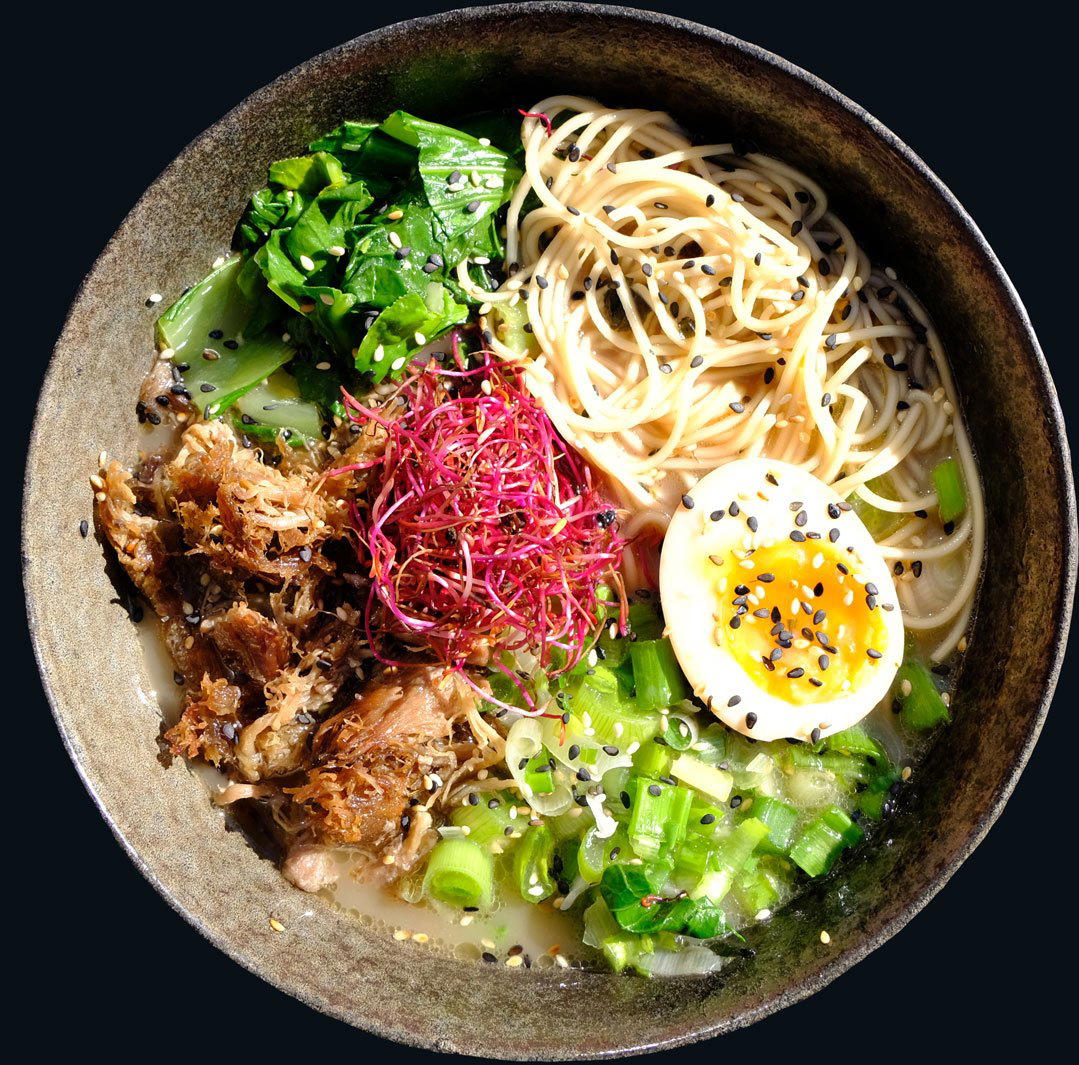
A Backyard Address in Kreuzberg's Informal Dining Belt
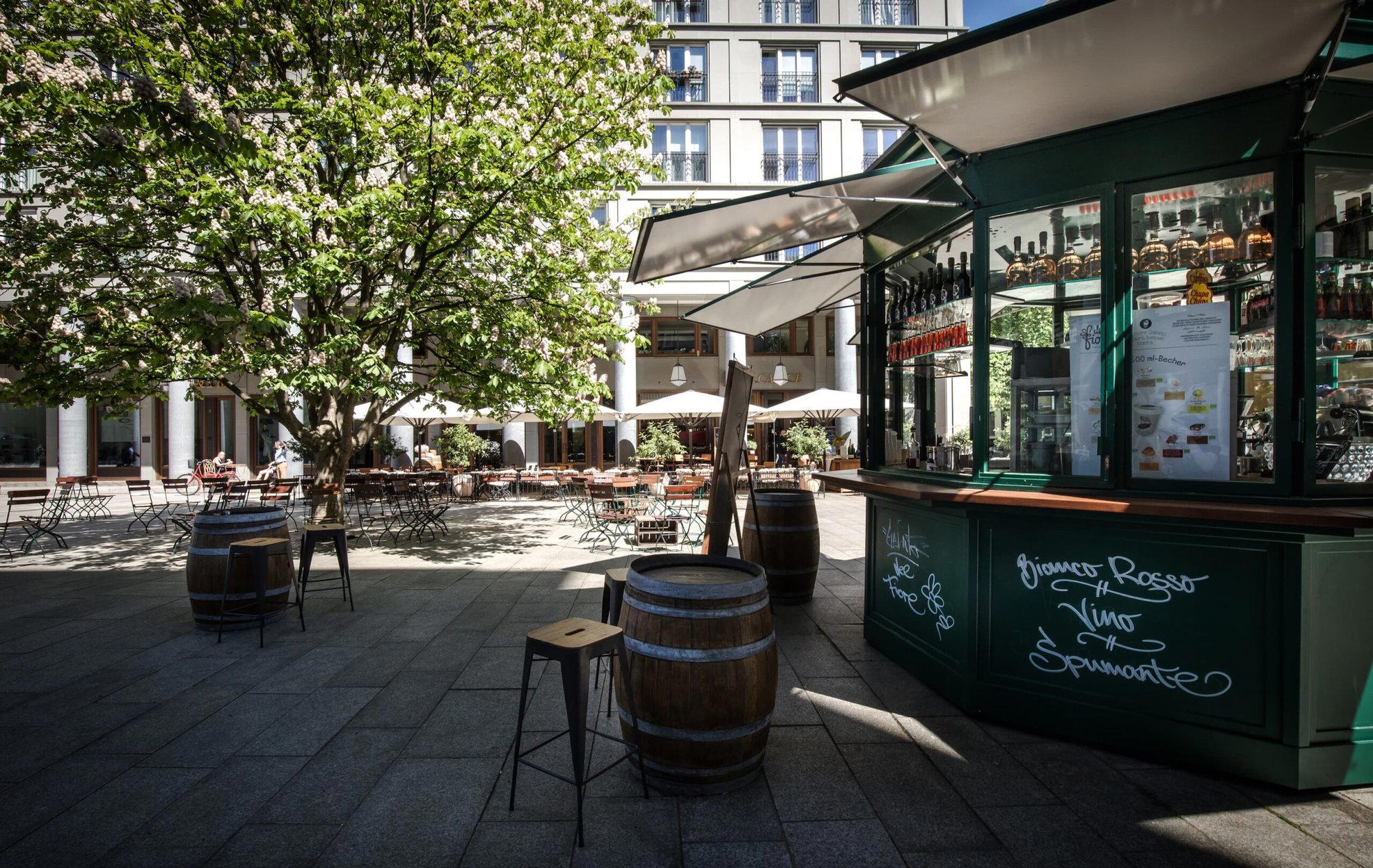
Berlin's ramen scene developed later than London's or Paris's, but it arrived with a clarity of purpose that older European markets lacked. Rather than chasing the restaurant-district footprint, many of the city's ramen operations chose residential pockets, particularly in Kreuzberg and Neukölln, where rent structures allow smaller operators to focus spending on ingredients rather than fit-out. Reichenberger Strasse sits at the centre of that tendency. The street runs through one of Kreuzberg's densest blocks of independent food and drink, and the address at number 36 takes this logic one step further: the operation is set back in the building's courtyard, invisible from the pavement until you know to walk through.
That physical remove shapes the experience before the food arrives. Backyard addresses in Berlin carry a specific social contract with their regulars. There is no foot traffic to draw in passing customers, and no window display to communicate the offer. The people who find Buya Ramen Factory have looked for it, which means the room tends to fill with a crowd that already understands the format. That kind of self-selecting audience changes how a kitchen can operate, allowing a focus on product consistency.
Ramen as a Craft Practice, Not a Category
Ramen in Germany occupies an interesting position relative to the broader bowl-food market. The category sits adjacent to pho and other long-cooked broth formats, but the production logic is distinct: the fat content, the alkaline noodle chemistry, the layered tare system, and the timing of the chashu all require a different set of kitchen disciplines. Operations that treat ramen as a craft practice, rather than a broth-plus-noodle formula, tend to separate themselves from the wider market fairly quickly, because the gap in the bowl is immediately legible to anyone who has eaten well in this category.
Berlin has enough ramen literacy now that this gap matters. The city's Japanese expat community, combined with a decade of food media attention on Tokyo ramen culture, has produced a consumer base that can distinguish between a tonkotsu made with adequate bones and one made with bones cooked to the point of emulsification. That consumer pressure is one reason the more serious operations in the city's backyard and side-street tier have continued to refine their bowls. Buya Ramen Factory's Reichenberger address sits within this pattern: a format built for depth over scale.
Sourcing, Waste, and the Ethics of the Broth
Ramen can make efficient use of ingredients. The tonkotsu method, which requires long cooking of bones that would otherwise leave the food system as waste, is one of the more efficient protein-extraction formats in any cuisine. A kitchen that takes broth seriously is engaging with nose-to-tail logic at the ingredient level. The bones, the collagen, the fat rendered during an extended cook: these are the byproducts of protein production that most kitchen formats discard or underuse.
Across Berlin's casual dining operations, sourcing conversations have shifted from a niche concern to a baseline expectation. The city's proximity to Brandenburg's agricultural belt gives operators access to regional pork and poultry without the supply-chain length that urban markets in other European capitals contend with. For a ramen operation relying on pork bones as its primary stock ingredient, that geography is practically useful: shorter provenance chains mean more transparency about how animals were raised and processed, which in turn affects the quality and consistency of the final broth.
Noodle production is the other variable in the sustainability equation. Fresh alkaline noodles have a short shelf life, which creates pressure on a kitchen to calibrate production volume against expected covers. Over-production leads to waste; under-production to menu unavailability. Operations that make their own noodles in-house, rather than sourcing from a central supplier, take on that calibration challenge directly. It is a harder operational model than buying in, but it closes a sourcing loop that outsourced production leaves open.
Where Buya Ramen Factory Sits in Berlin's Eating Scene
Berlin's restaurant map currently reads as two largely separate tiers. At the leading, a cluster of Michelin-recognised operations, including Rutz, Nobelhart & Schmutzig, FACIL, CODA Dessert Dining, and Restaurant Tim Raue, set the international reference points for serious dining in the city. Below that, a dense and largely informal mid-tier operates on neighbourhood loyalty, craft credentials, and word-of-mouth. The restaurant occupies the latter tier, where the relevant comparable set is not Michelin-starred contemporaries but other focused single-cuisine operations in Kreuzberg and Neukölln with comparable levels of product seriousness.
That tier is, in some ways, more competitive than the fine dining bracket. A Michelin-starred room in Berlin competes against a small, internationally recognised cohort. A backyard ramen operation competes against every other casual bowl format in a neighbourhood saturated with options. The fact that operations like Buya Ramen Factory develop regular followings in that environment is itself a form of credential, even in the absence of formal award recognition. Germany's broader dining geography, from Schwarzwaldstube in Baiersbronn to Aqua in Wolfsburg, JAN in Munich, Vendôme in Bergisch Gladbach, Victor's Fine Dining by Christian Bau in Perl, ES:SENZ in Grassau, Schanz in Piesport, Waldhotel Sonnora in Dreis, Restaurant Haerlin in Hamburg, and Bagatelle in Trier, rewards precision across price points. The same logic that drives Le Bernardin in New York City or Lazy Bear in San Francisco to refine within a specific format applies to Kreuzberg's backyard operators: clarity of purpose beats category breadth.
For a full picture of where the restaurant fits within the city's eating options across price tiers, the EP Club Berlin restaurants guide maps the full range.
Know Before You Go
| Address | Reichenberger Str. 36 Backyard, 10999 Berlin, Germany |
|---|---|
| Neighbourhood | Kreuzberg |
| Access | Enter through the building's courtyard passage from Reichenberger Strasse |
| Booking | Walk-in friendly |
| Price range | About $20 per person |
| Hours | Open daily 12:00 PM to 9:30 PM |
Quick Comparison
Comparable venues nearby, for context on price, style, and recognition.
| Venue | Cuisine | Price | Notes |
|---|---|---|---|
| Buya Ramen FactoryThis venue — the venue you are viewing | Japanese Ramen Izakaya | $$ | Not listed |
| momiji | Authentic Japanese Street Food & Izakaya | $$ | Charlottenburg |
| Niko Niko Ramen | Authentic Japanese Ramen | $$ | Friedrichshain |
| SAN | Modern Japanese Sushi | $$$ | Prenzlauer Berg |
| Cocolo Ramen | Authentic Japanese Ramen | $$ | Mitte |
| Kabuki Berlin | Japanese Teppanyaki | $$ | Tiergarten |
Continue exploring
More in Berlin
Restaurants in Berlin
Browse all →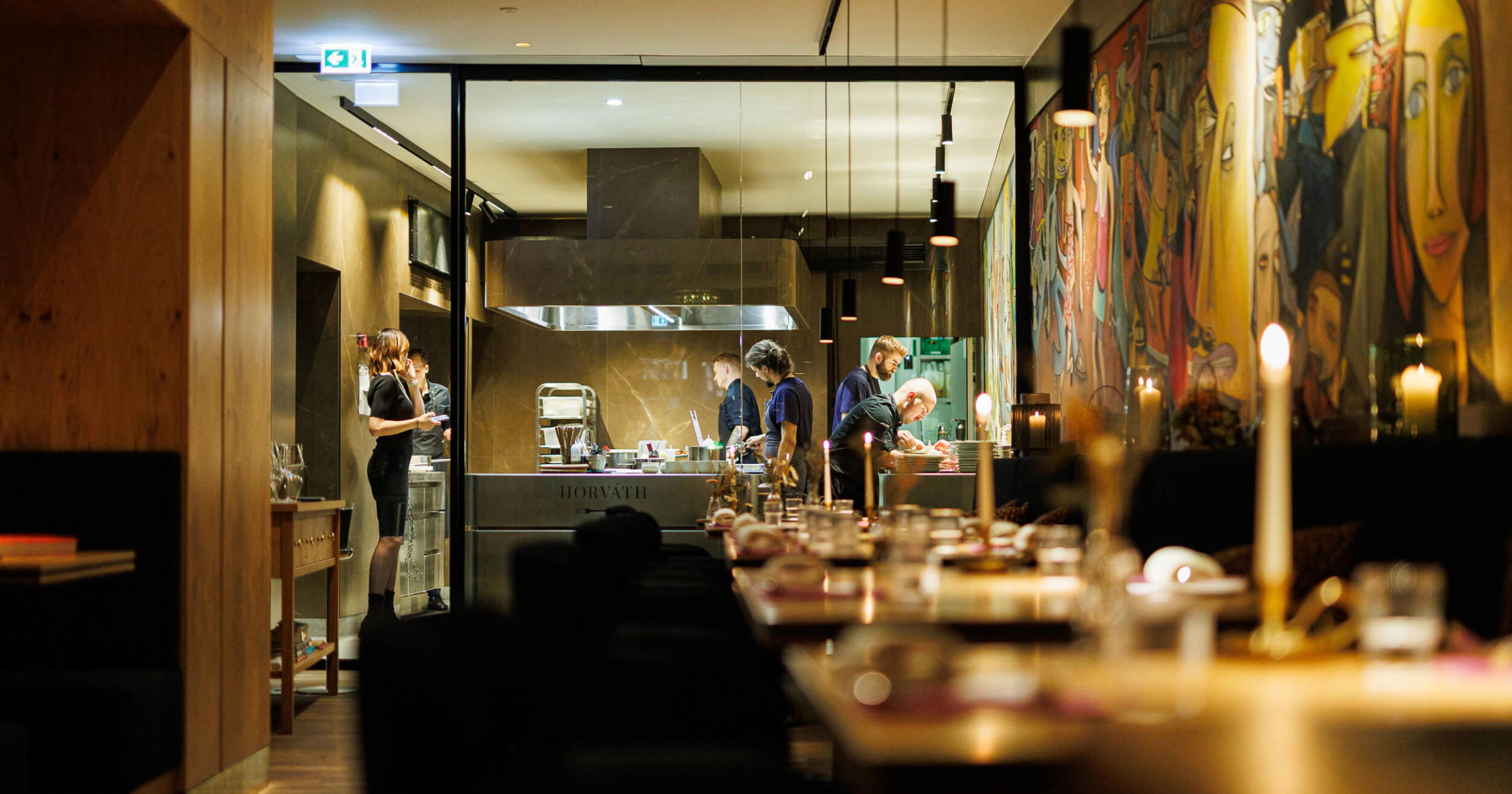
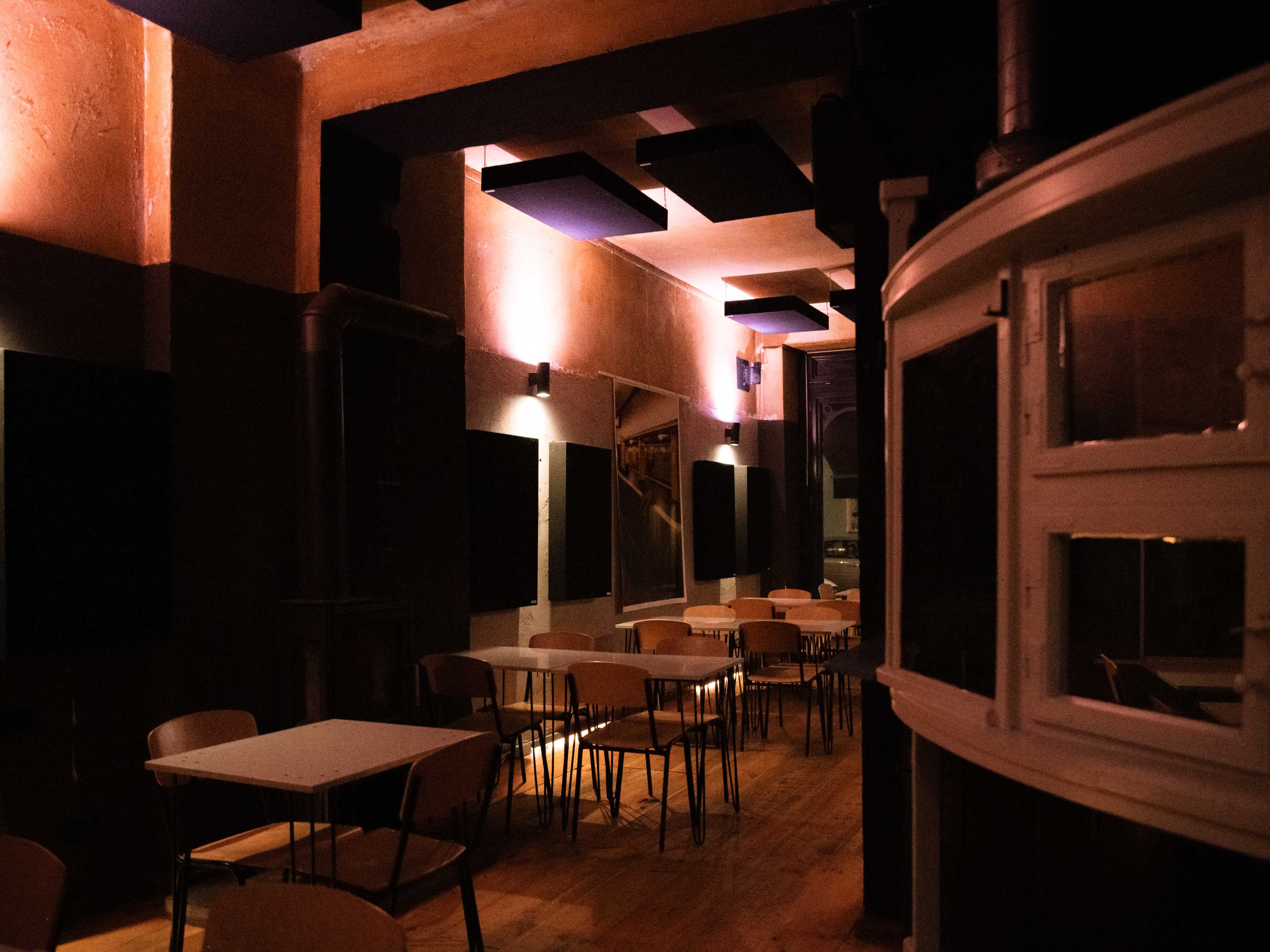
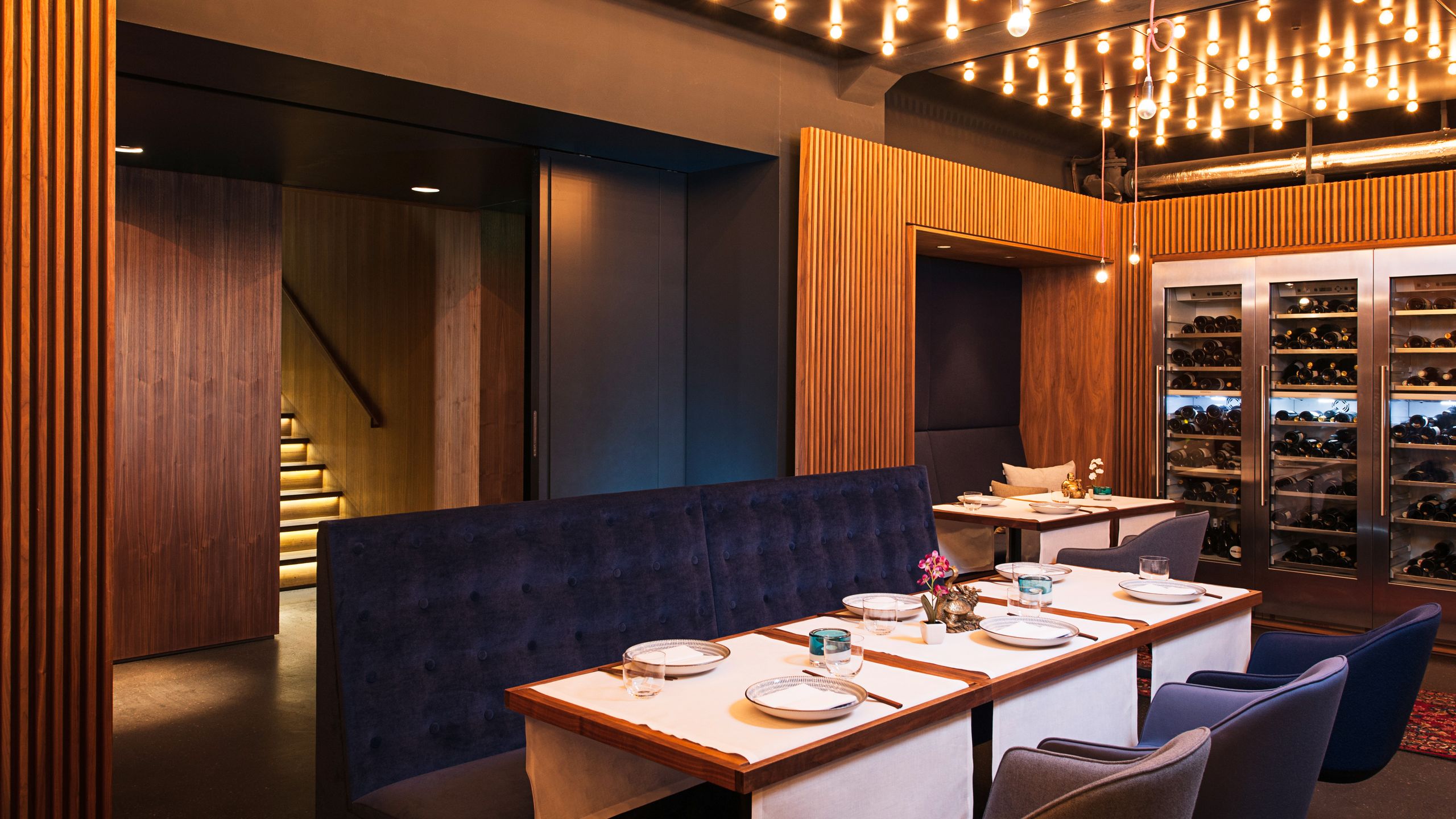
Bars in Berlin
Browse all →
Hotels in Berlin
Browse all →

Wineries in Berlin
Browse all →
At a Glance
- Trendy
- Industrial
- Cozy
- Casual Hangout
- After Work
- Late Night
- Open Kitchen
- Craft Cocktails
- Sake Program
Current opening hours
- Monday
- 12–9:30 PM
- Tuesday
- 12–9:30 PM
- Wednesday
- 12–9:30 PM
- Thursday
- 12–9:30 PM
- Friday
- 12–9:30 PM
- Saturday
- 12–9:30 PM
- Sunday
- 12–9:30 PM
Hours can change for holidays and private events. Last verified .
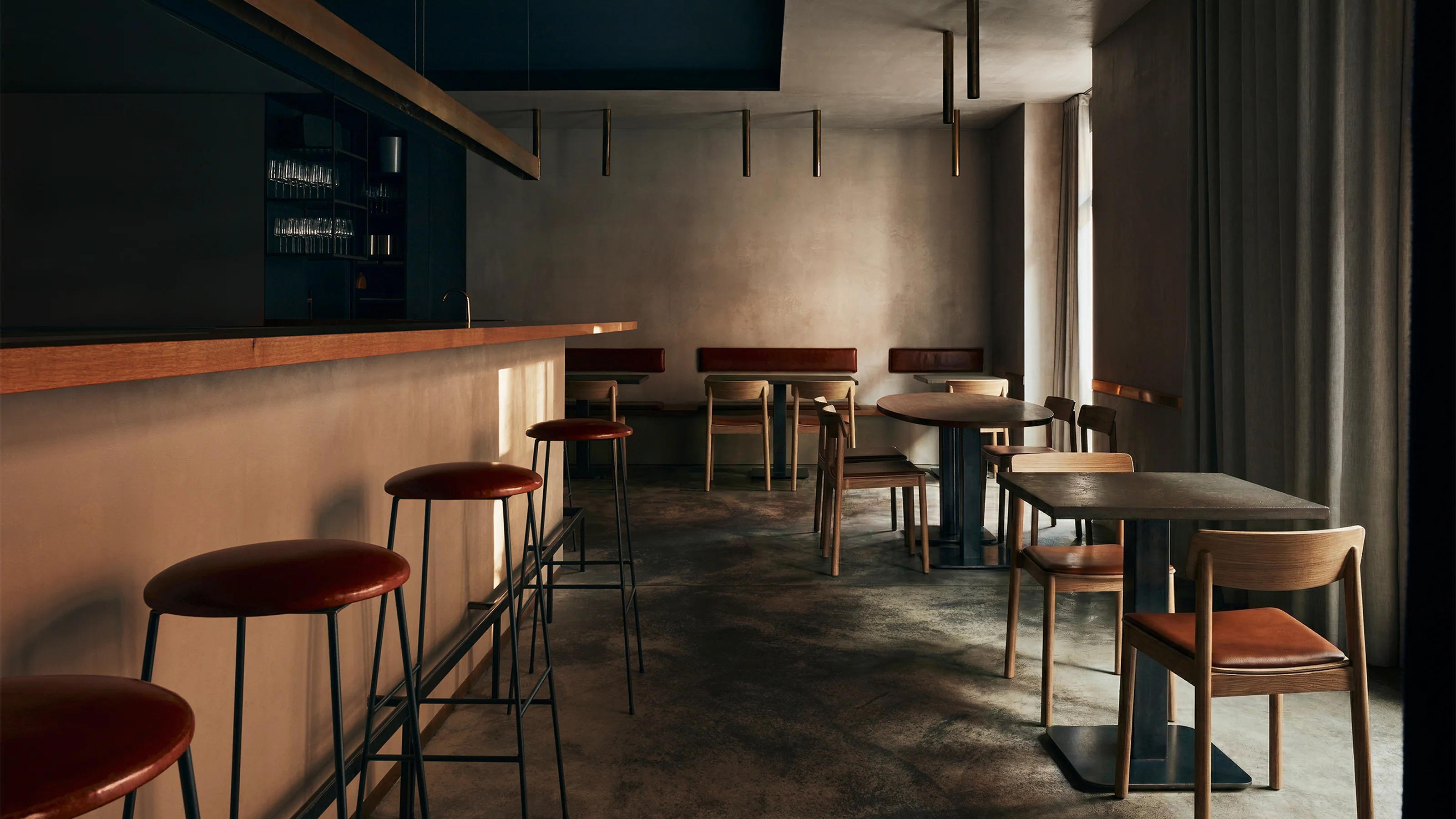
Casual, laidback industrial backyard setting with a lively Japanese pub vibe.