Conti di San Bonifacio

1 Michelin Key
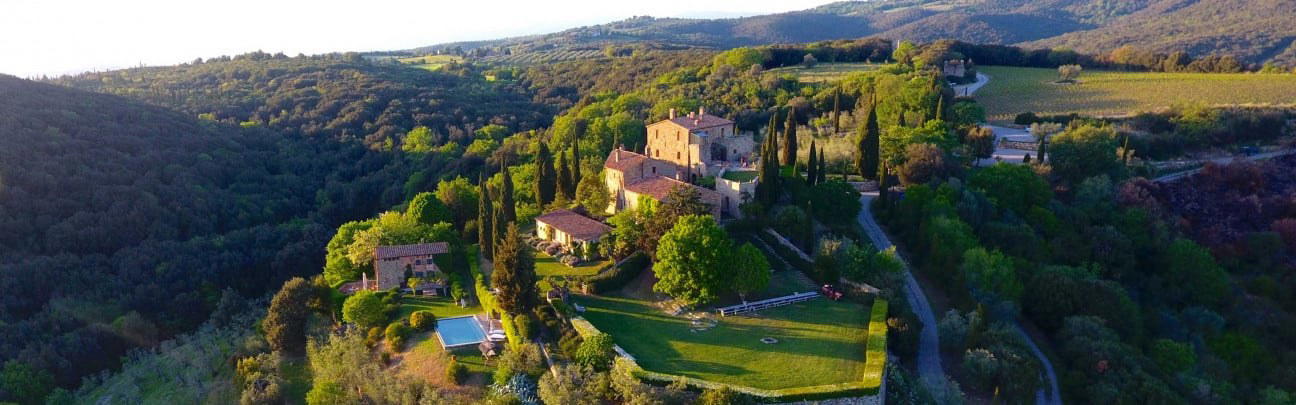
A seven-room farmhouse hotel on several hundred acres of Maremma countryside, Conti di San Bonifacio earned a Michelin Key in 2024 for an approach that blends serious material craft with estate-grown food and wine. At around $492 per night, it sits at the top of a competitive Tuscan tier where design restraint and agricultural depth count for more than scale or brand recognition.

Pearl is the En Primeur Club membership app — saves, bookings, and concierge access live there. Same editors, same standards.
- Address
- Localita' Casteani, 1, 58023 Gavorrano GR
- Phone
- +39 0566 80006
- Website
- contidisanbonifacio.com
- Directions
- Get directions
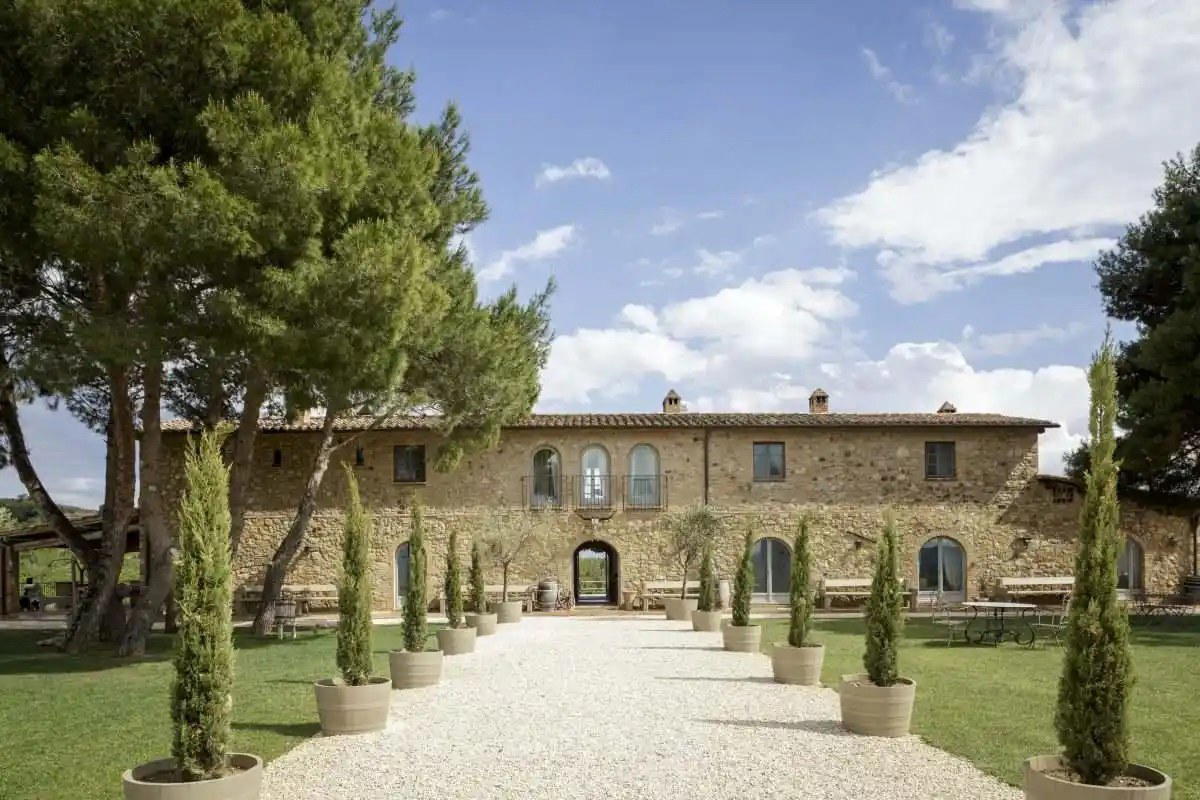
Where Maremma Countryside Meets Material Seriousness
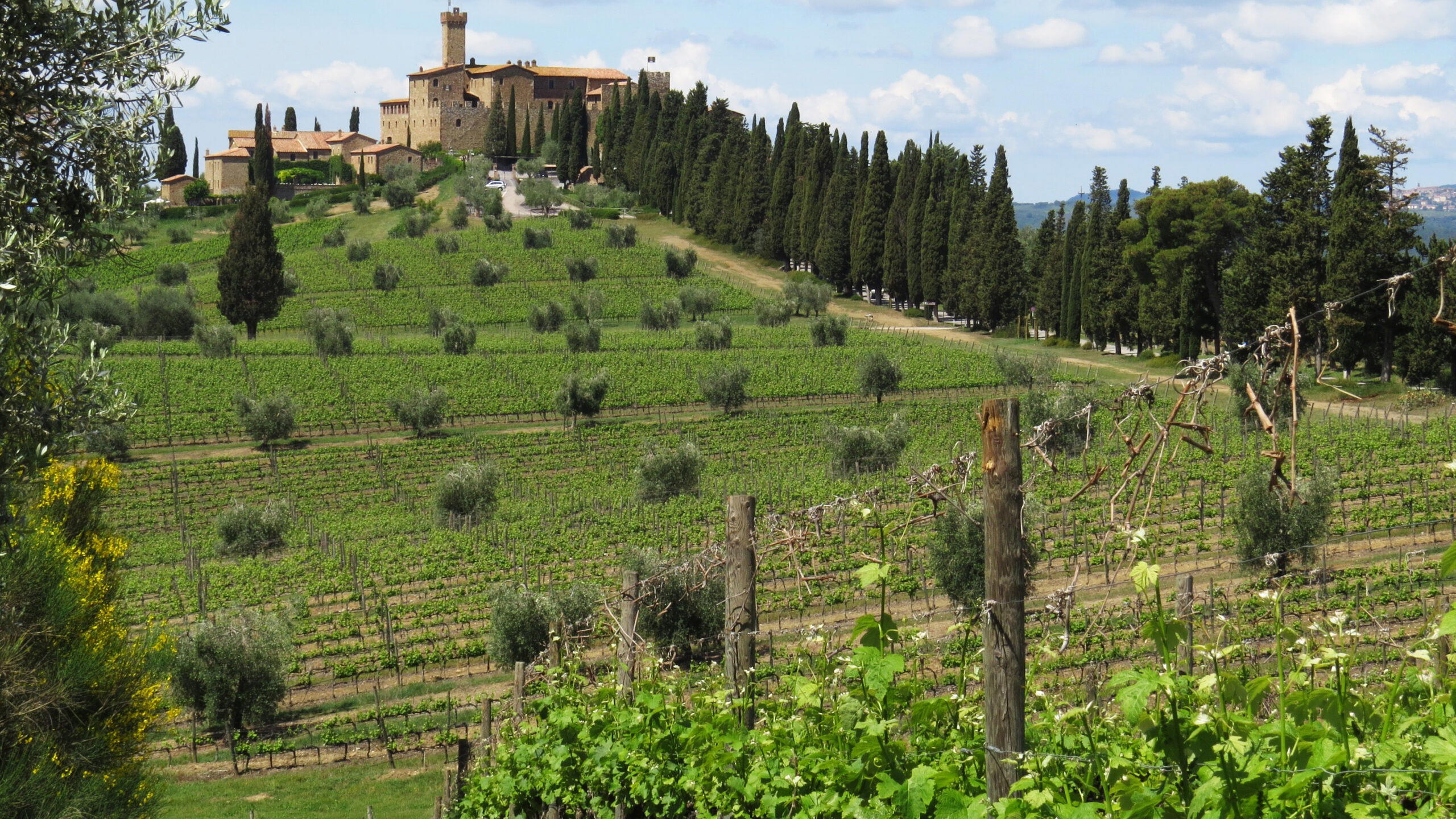
Tuscany has more than its share of renovated farmhouses with vineyards attached, and the category has been diluted by decades of well-meaning but generic agriturismo conversions. What separates the serious properties from the picturesque ones is usually a question of material intelligence: how precisely the design language has been calibrated, how much the food program relies on what the land actually produces, and whether the whole thing coheres as a considered place rather than a set of pleasurable accidents. Conti di San Bonifacio, set on a hillside above Gavorrano in the Maremma Grossetana, makes a strong case in all three areas. See our full Gavorrano GR restaurants guide for broader context on what the area offers.
The Design Argument: Stone, Material, and the Refusal of the Obvious
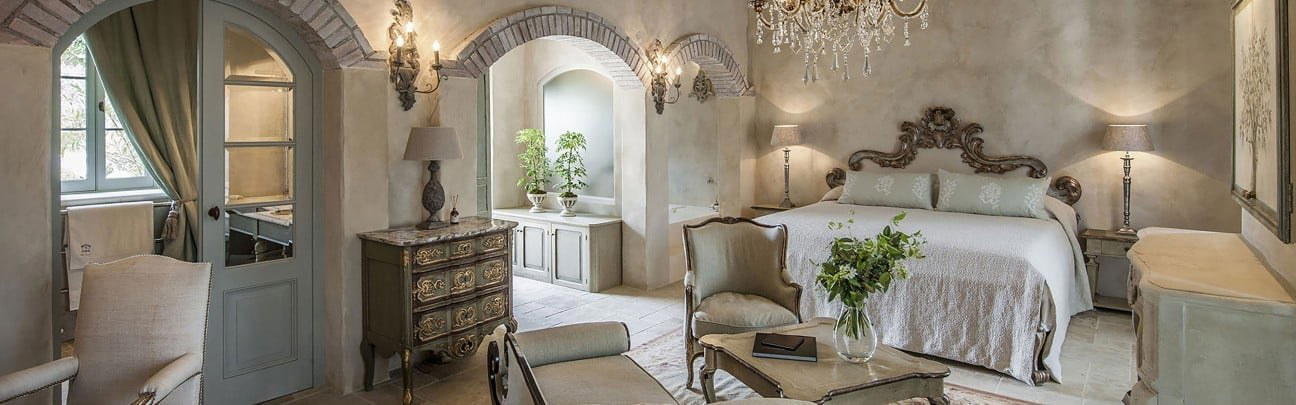
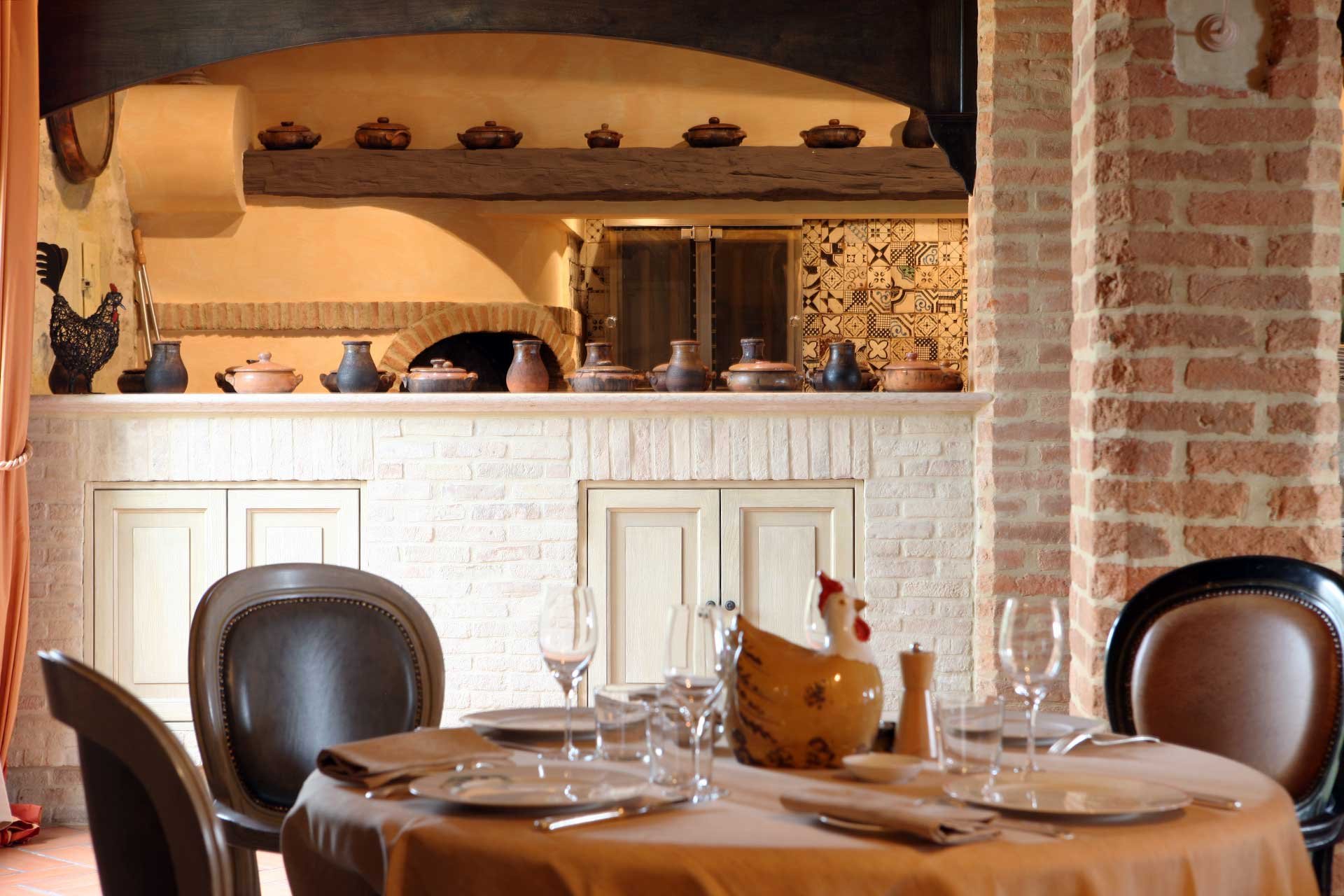
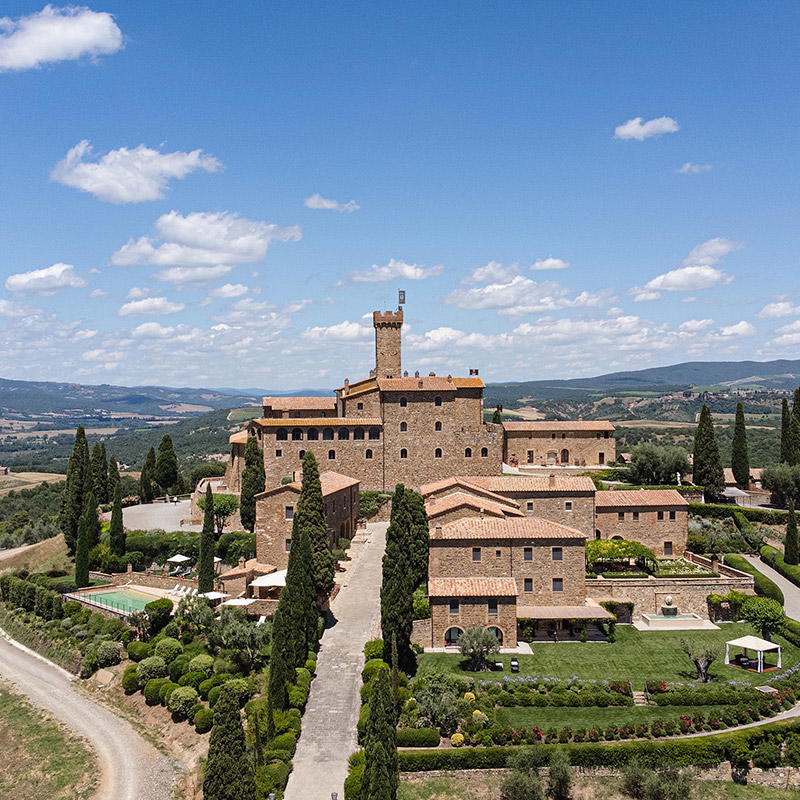
The farmhouse restoration here operates on a principle that the Italian countryside rarely demands originality from its conversion projects, and then proceeds to deliver it anyway. The original stone building has been kept structurally legible, with chestnut-beam ceilings and terra-cotta floors providing the structural grammar, but the objects placed inside that grammar are deliberately non-rustic: Bauhaus chairs, Egyptian cotton linens, soft leather armchairs, and marble-carved bathrooms. The tension between those two registers is the point. Rather than softening the contrast, the design at Conti di San Bonifacio leans into it, and the result is a space that reads as modern luxury without erasing the building's age.
This approach to adaptive reuse in historic rural structures has become one of the more contested design questions in Italian hospitality. A number of properties opt for the full-submission route, maximising rough plaster and reclaimed wood at the expense of contemporary comfort. Others go the opposite direction and effectively build a boutique hotel inside a listed shell, losing the original character entirely. The approach here sits between those poles: materials that belong to the building's history (stone, chestnut, terra cotta) in conversation with materials that declare their luxury credentials clearly (marble bathrooms, fur throws, gauze bed hangings). Whether you find that calibration exactly right or slightly precious will probably depend on your tolerance for curated rusticity, but the execution is disciplined enough that the editorial case for it holds.
For comparison within the Italian agriturismo-adjacent luxury tier, Castello di Reschio in Lisciano Niccone pursues a more maximalist historic-restoration thesis, while Rosewood Castiglion Del Bosco in Montalcino uses brand infrastructure to anchor its estate hotel positioning. Conti di San Bonifacio operates at a smaller scale than either, and that scale is central to what it is: seven rooms means the property reads more like a private estate than a hospitality product.
Seven Rooms, Several Hundred Acres
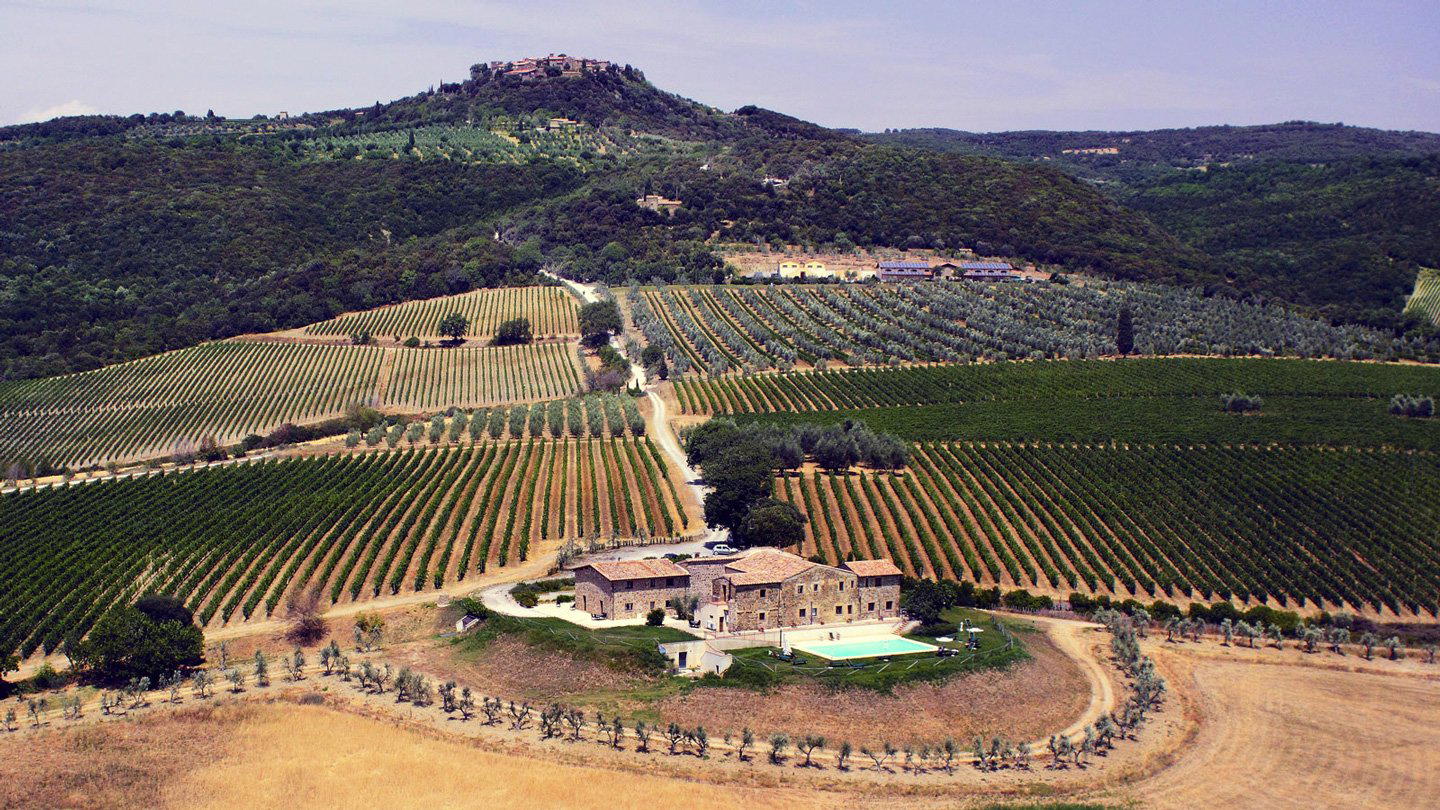
The room count at Conti di San Bonifacio is an editorial statement as much as an operational constraint. Seven rooms across several hundred acres of vineyards, olive groves, and rolling woods produces a ratio that most hotel developers would find commercially illogical, and that is precisely why it works. The property does not feel curated for throughput. Suites add private terraces with views across either the olive groves or the vineyards, extending the indoor-outdoor relationship that defines the property's strongest design moves. Even the standard rooms are described as flooded with natural light, which in a hillside stone farmhouse with properly proportioned windows is not a given.
Properties like Borgo San Felice Resort in Castelnuovo Berardenga and Castelfalfi in Montaione occupy broadly the same price tier with larger footprints and more amenity infrastructure. What Conti di San Bonifacio trades in amenity scale it recovers in the kind of guest-to-space ratio that larger properties cannot replicate without a full rebrand.
Food as Agricultural Evidence
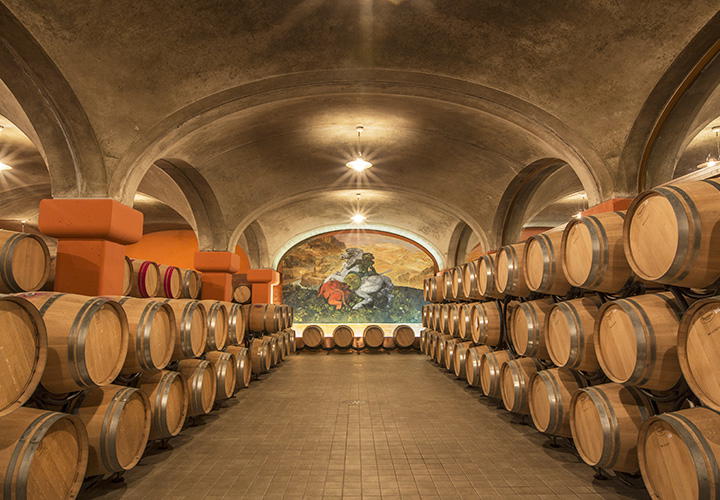
The food program here functions as an extension of the estate's agricultural output rather than as a separate hospitality offering. The wine and olive oil produced on the property have distribution and reputation beyond the hotel itself, which is the tell of an estate that takes its land seriously. Many of the meal ingredients come from the property, and the kitchen is led by a chef trained in the Tuscan home-cooking tradition, which in practice tends to mean classical technique grounded in seasonal produce rather than the kind of refinement-for-its-own-sake that can detach a hotel restaurant from its landscape.
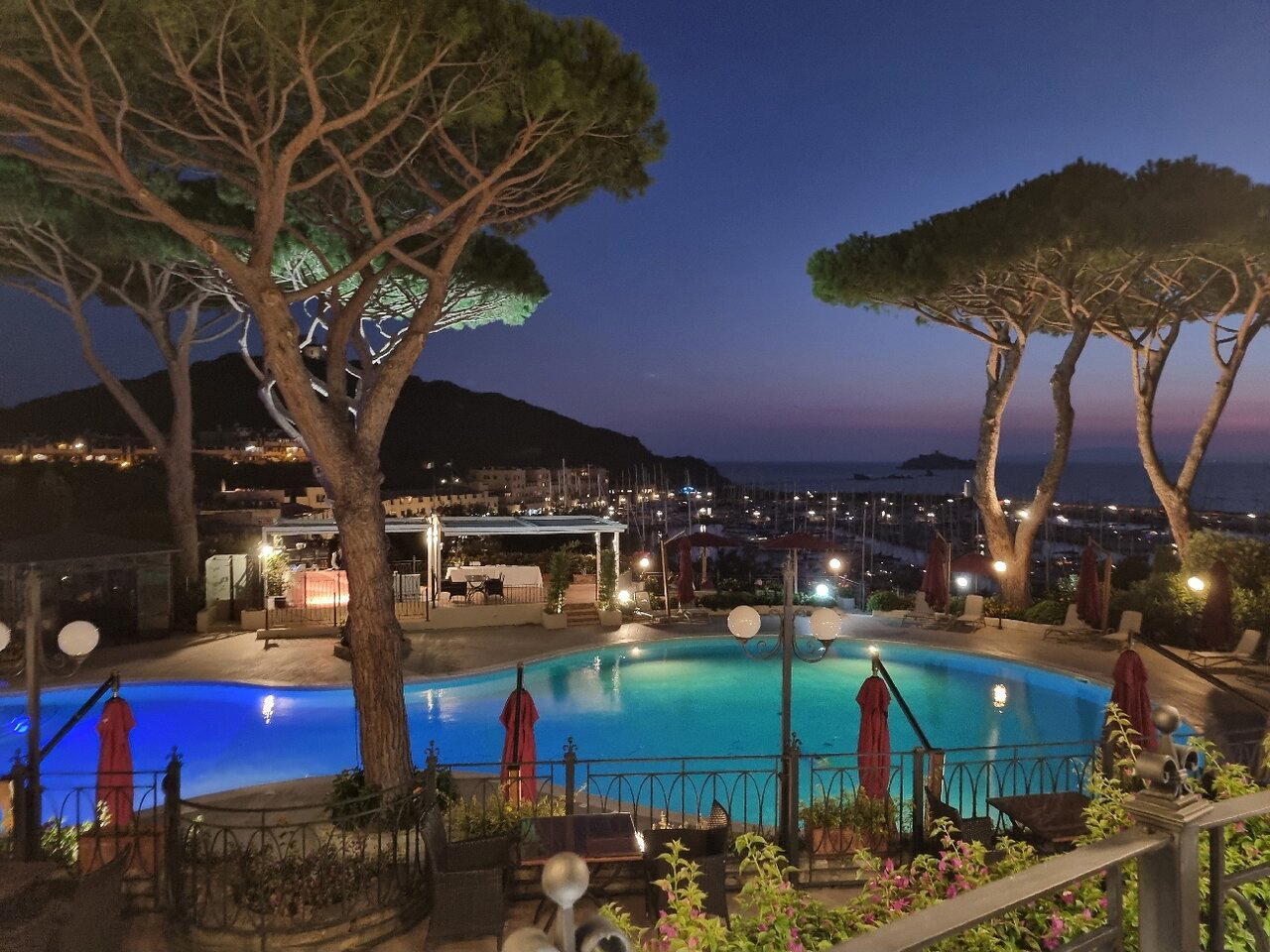
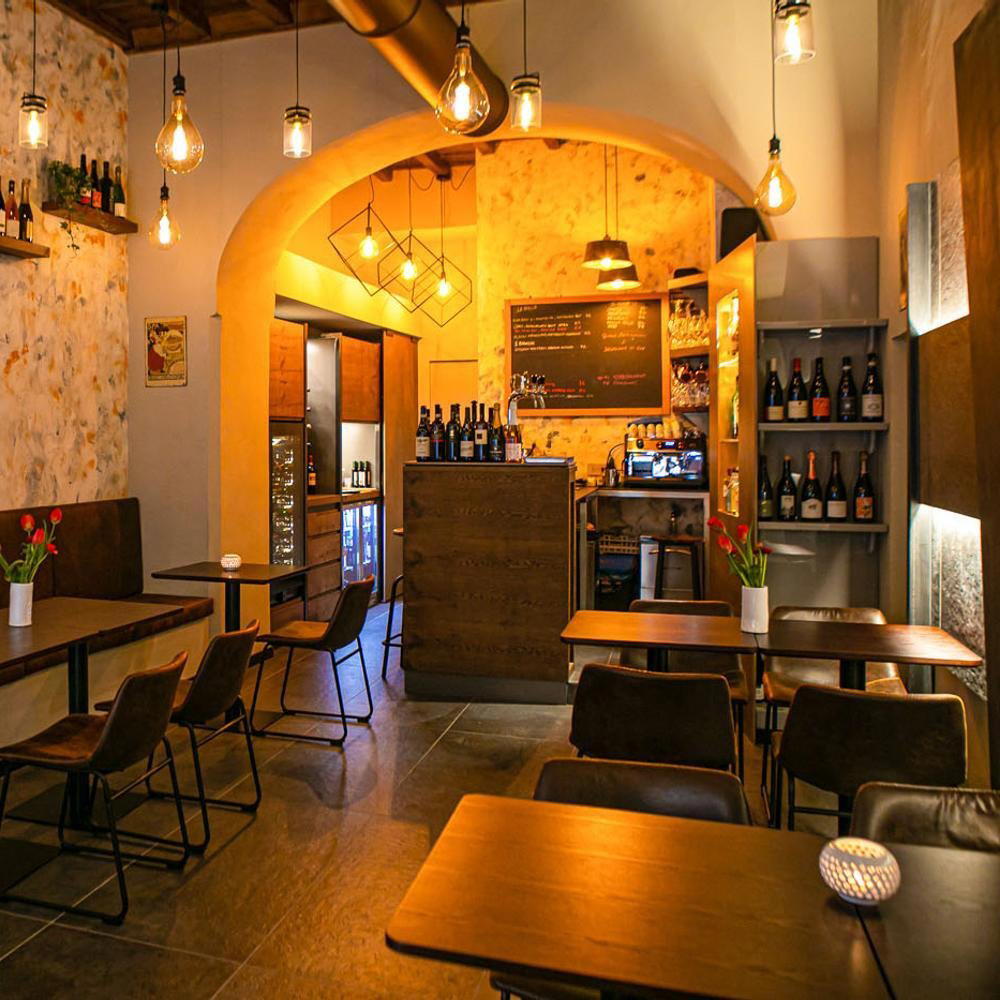
The food can be taken in multiple settings: by the pool, in front of a fireplace inside, or in what is described as a library bar with a cozy, intimate character. That flexibility in service format, often underrated in property assessments, matters more in a seven-room estate hotel than in a larger property where the dining room can carry its own gravitational field. The 2024 Michelin Key award places the property formally within the recognition tier for hospitality excellence, which for a property of this size represents a meaningful credential rather than a routine one.
For Italian properties where food program is similarly central to the hospitality thesis, Casa Maria Luigia in Modena operates on a comparable estate-kitchen model, though in a very different regional register. Borgo Egnazia in Savelletri di Fasano scales the agricultural-hospitality idea across a much larger property in Puglia.
Maremma as Context
Gavorrano sits in the Maremma Grossetana, a part of Tuscany that operates at a different frequency from the Chianti-and-cypress circuit that dominates international perception of the region. The Maremma is denser, wilder, and less trafficked by design-hotel tourism than the Val d'Orcia or the hills around Siena. That relative obscurity makes the Conti di San Bonifacio proposition more coherent: a property embedded in landscape rather than positioned against a recognisable postcard backdrop. The surrounding area offers coastal access, nature reserves, and the thermal areas around Saturnia, which gives the property a practical range of off-site activities without requiring organised programming to deliver them.
For guests coming to Tuscany from a broader Italian itinerary, the property connects logically to a trip that might also include Il Pellicano in Porto Ercole, which sits on the Argentario promontory roughly an hour to the south, and represents the coastal counterpart to Conti di San Bonifacio's inland agricultural positioning. Further afield, Four Seasons Hotel Firenze in Florence anchors the urban end of a Tuscany-wide itinerary, while Corte della Maestà in Civita di Bagnoregio offers a comparable small-scale rural alternative in Lazio for those extending south.
Italy's broader luxury hotel circuit has plenty of large-footprint prestige addresses: Aman Venice, Bulgari Hotel Roma, and Passalacqua in Moltrasio each operate in different registers of Italian hospitality excellence. Conti di San Bonifacio does not compete with any of them on scale or urban positioning. It competes on the narrower proposition of what seven rooms in several hundred acres of Maremma can offer when the design, food, and land are all taken seriously simultaneously.
Planning a Stay
The property is located at Località Casteani, 1, in Gavorrano, accessible by car from Grosseto (approximately 25 kilometres north) or from the coastal autostrada connecting Rome and Livorno. Given the seven-room capacity, availability compresses quickly in the peak Tuscan season from May through September, and the Michelin Key recognition in 2024 is likely to have tightened that further. Rates sit at approximately $492 per night. For booking and current availability, contacting the property directly through whatever reservations channel is current is advisable, as a property at this scale does not always maintain consistent third-party inventory.
Those planning a wider circuit of Italian small-luxury properties might also consider Castel Fragsburg in Merano, EALA My Lakeside Dream in Limone sul Garda, or Forestis Dolomites in Plose for comparable ratios of landscape depth to room count in northern Italy. For the coast, Borgo Santandrea on the Amalfi Coast, Il San Pietro di Positano, JK Place Capri, and Bellevue Syrene 1820 in Sorrento each offer small-scale luxury in southern coastal settings that make natural complements to a Maremma inland stay.
Frequently Asked Questions
How It Stacks Up
Comparable venues nearby, for context on price, style, and recognition.
| Venue | Cuisine | Price | Awards | Notes |
|---|---|---|---|---|
| Conti di San BonifacioThis venue — the venue you are viewing | Restored Tuscan farmhouse wine resort | $200–300 | 1 Michelin Key | Not listed |
| Lupaia | Restored historic agriturismo with rustic farmhouses. | $500–750 | 1 Michelin Key · Mr & Mrs Smith Seal of Approval | Torrita di Siena |
| Hotel Calimala | Luxury boutique hotel occupying two adjacent historic Florentine buildings with contemporary renovations by designer Alex Meitlis, featuring authentic materials like pietra serena and Tuscan marble. | $300–500 | Michelin Selected | Santo Spirito |
| Hotel Castello di Monterone | Restored medieval castle blending historic authenticity with subtle modern comforts. | Not listed | 1 Michelin Key | Monterone |
| Monastero di Cortona Hotel & Spa | Converted historic monastery with modern luxury | Not listed | 1 Michelin Key | Cortona Old Town |
| Singer Palace Hotel | Boutique luxury hotel in a historic landmark building blending Art Deco influences with contemporary Italian design. | Not listed | 1 Michelin Key · Virtuoso Luxury Hotel Partner | Colonna |
Recognition history
Dated appearances from independent guides and award organizations, with the underlying list record or original source where available.
Michelin 1 Key
Michelin
Full recognition history (3 entries)
Michelin 1 Key
Michelin
Michelin 1 Key
Michelin
Continue exploring
More in Gavorrano GR
Hotels in Gavorrano GR
Browse all →
Bars in Gavorrano GR
Browse all →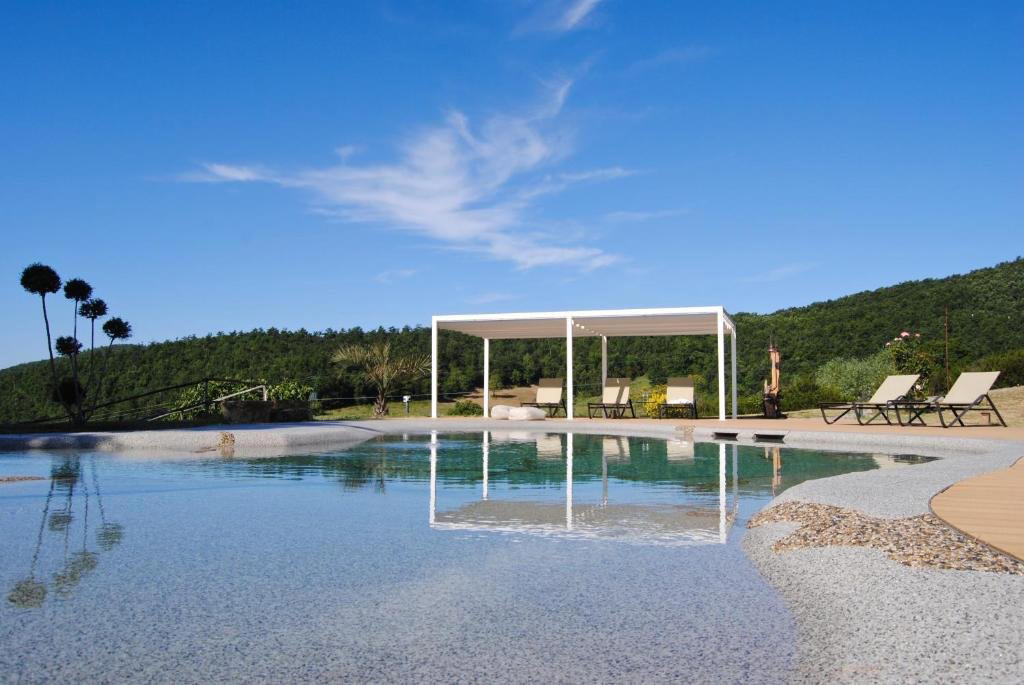
Restaurants in Gavorrano GR
Browse all →
Details
- Romantic
- Quiet
- Rustic
- Elegant
- Scenic
- Intimate
- Romantic Getaway
- Honeymoon
- Weekend Escape
- Anniversary
- Panoramic View
- Terrace
- Historic Building
- Wi Fi
- Pool
- Spa
- Restaurant
- Room Service
- Concierge
- EV Charging
- Vineyard
- Mountain
- Garden
- Wheelchair Accessible
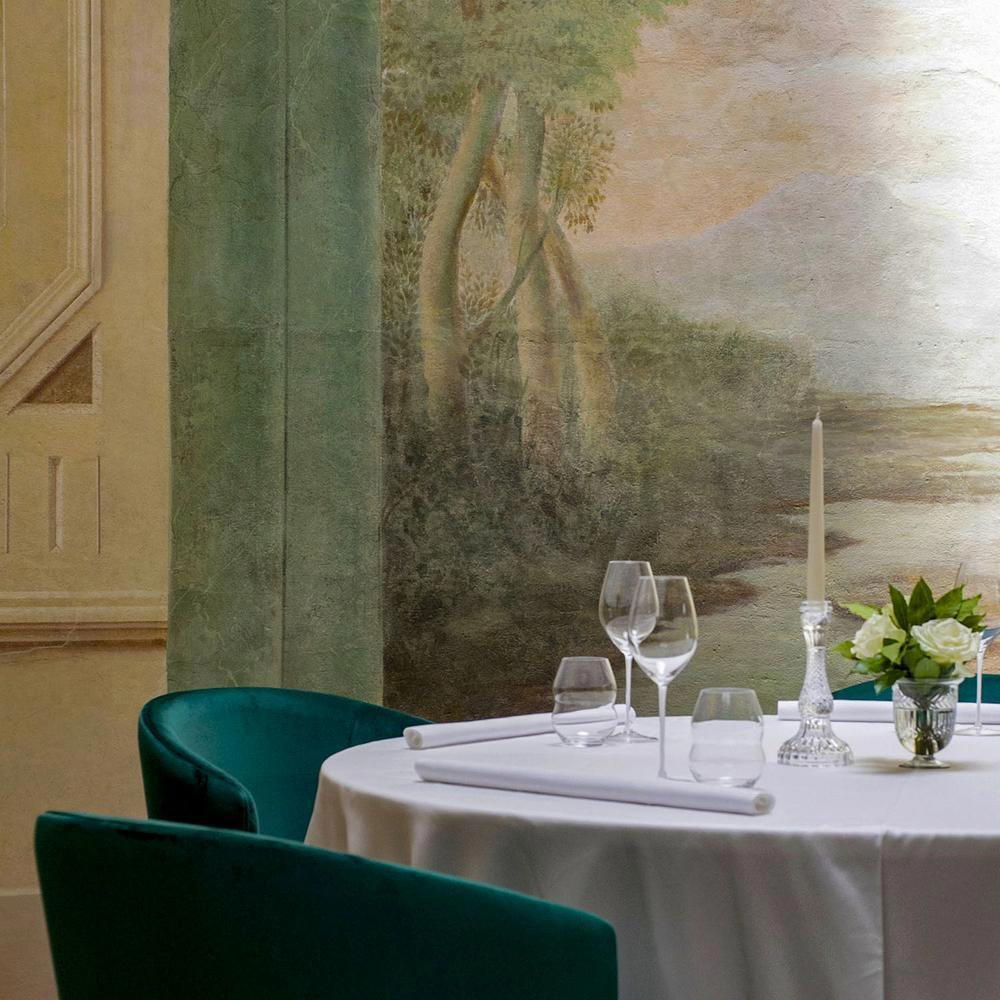
Cozy, rustic-chic atmosphere with warm lighting, country elegance, and serene vineyard surroundings.