
1 Michelin Star
Our verdict
A Michelin-starred address in the Maremma's Colline Metallifere, Bracali operates from the hamlet of Ghirlanda with a quiet confidence that belies its remote setting. Chef Francesco Bracali runs two tasting menus spanning meat and fish, while his brother Luca manages a wine cellar structured around vertical tastings. For contemporary Italian cooking in Grosseto province, this is the reference point.

Pearl is the En Primeur Club membership app, where members save venues, book tables and use the concierge.
The menu
What to order
- Guancia di Chianina
- Piccione
- Cappuccino di Cipolla Maremmana
- Tartare di carne Chianina
- Tortello Maremmano Reverse
Deep Maremma, High Table
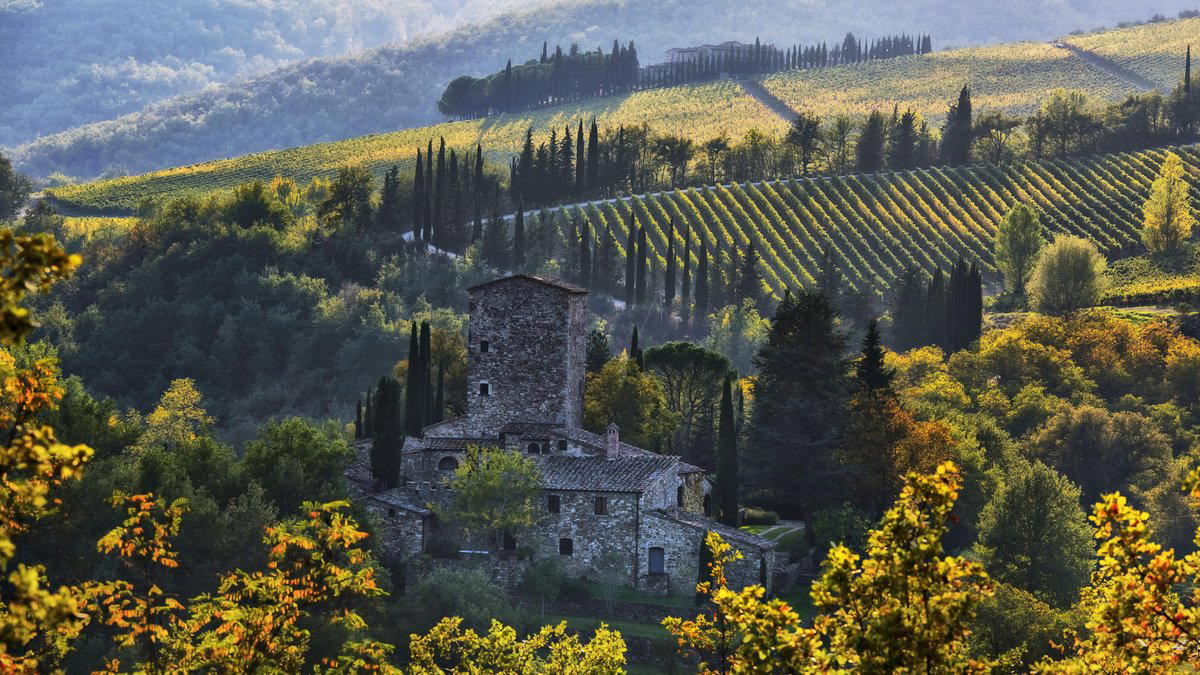
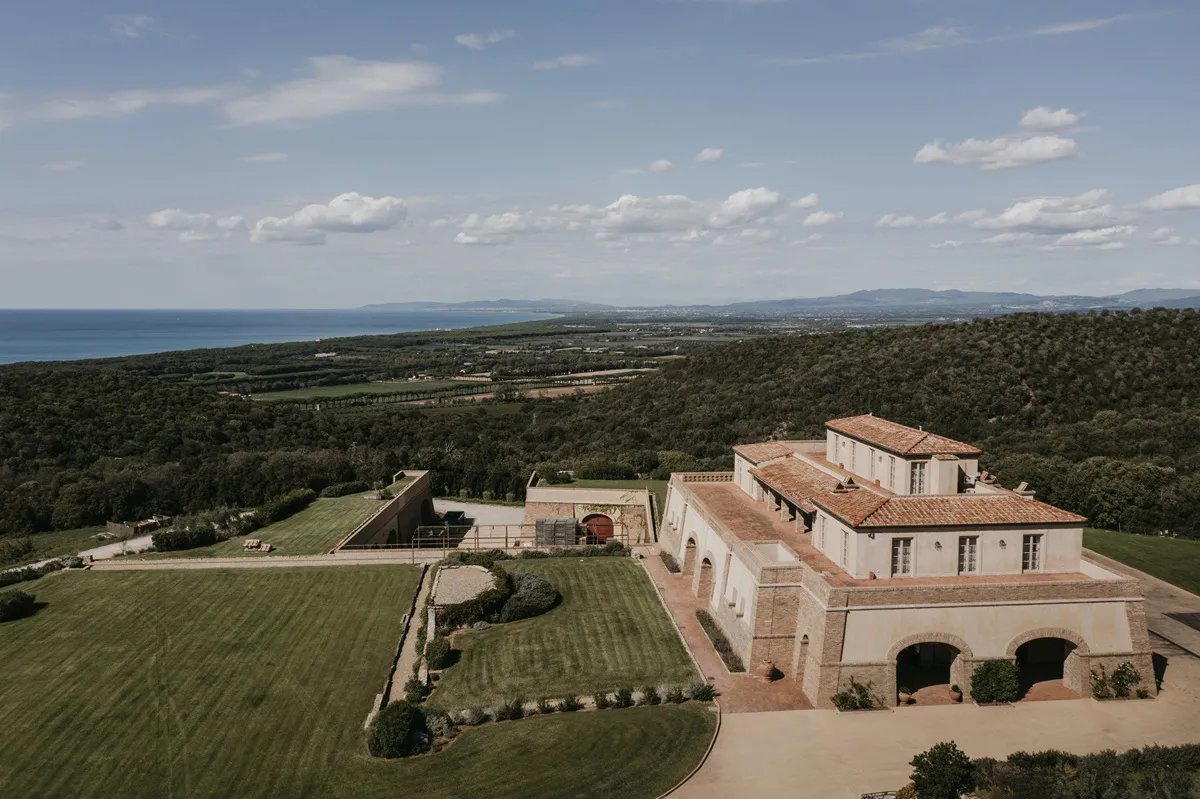
Italy's fine-dining conversation tends to cluster around known coordinates: the northern arc from Milan to Modena, Tuscany's hilltop towns, and the coasts that attract seasonal attention. The Colline Metallifere, the Metalliferous Hills of Grosseto province, rarely features in that conversation, which is precisely why Bracali's presence there carries weight. In a region where the dominant dining culture runs toward wood-fired meats, hand-rolled pasta, and unpretentious wine service, a Michelin-starred contemporary kitchen operating since the Bracali family established itself here represents something genuinely out of step with its surroundings, in the most productive sense.
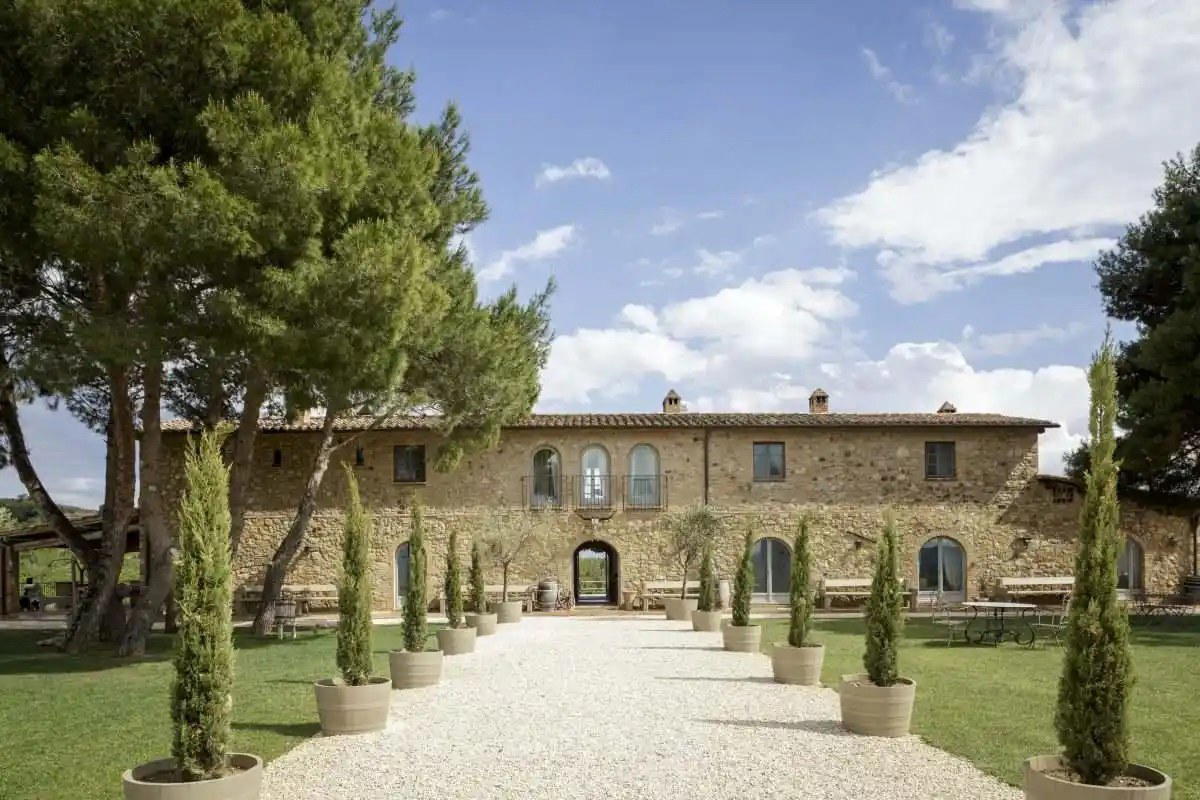
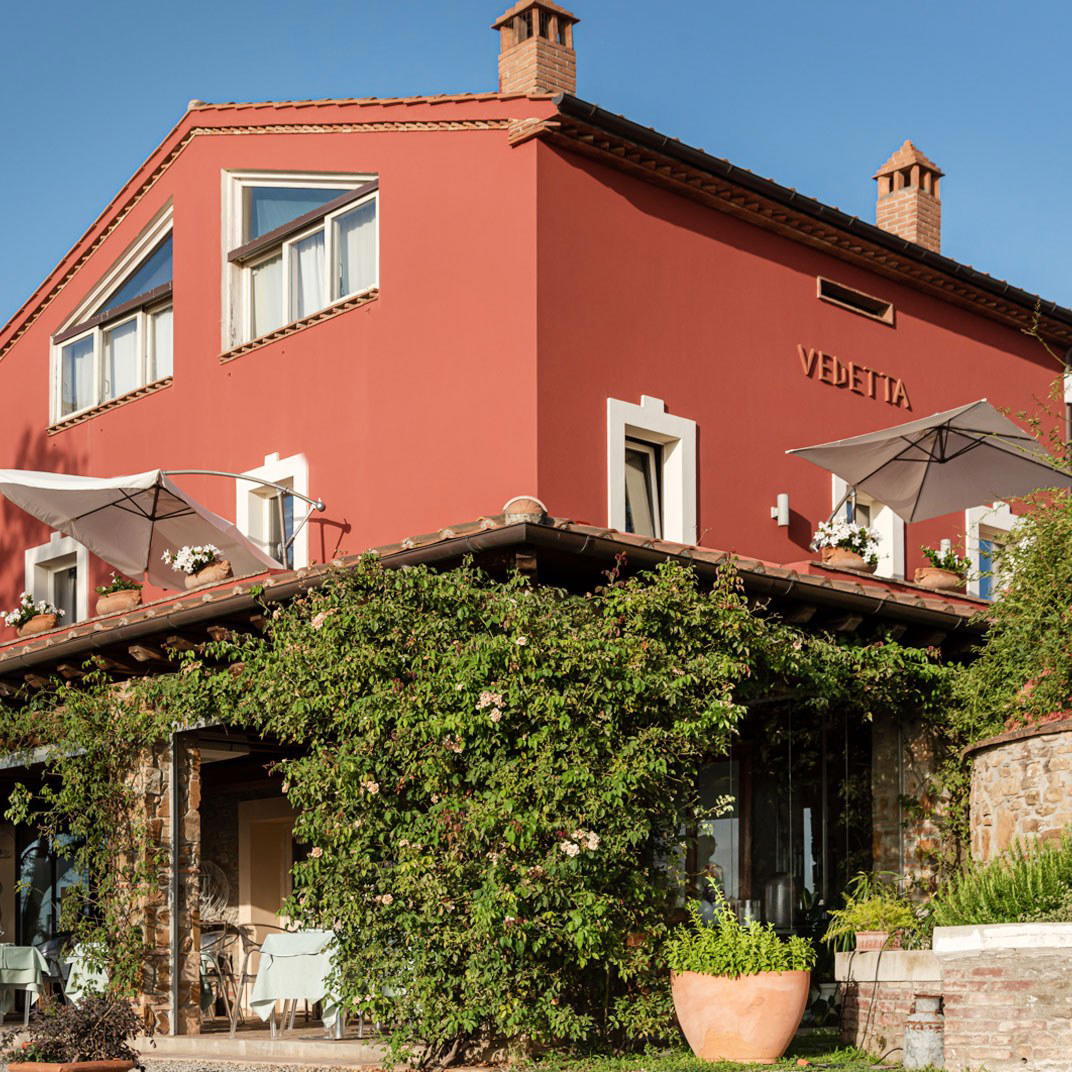
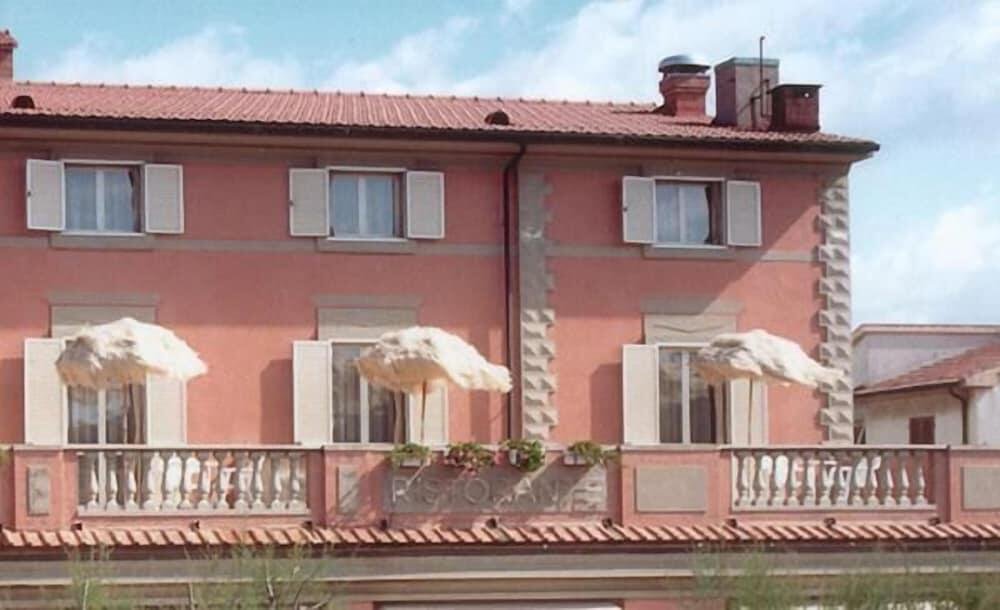
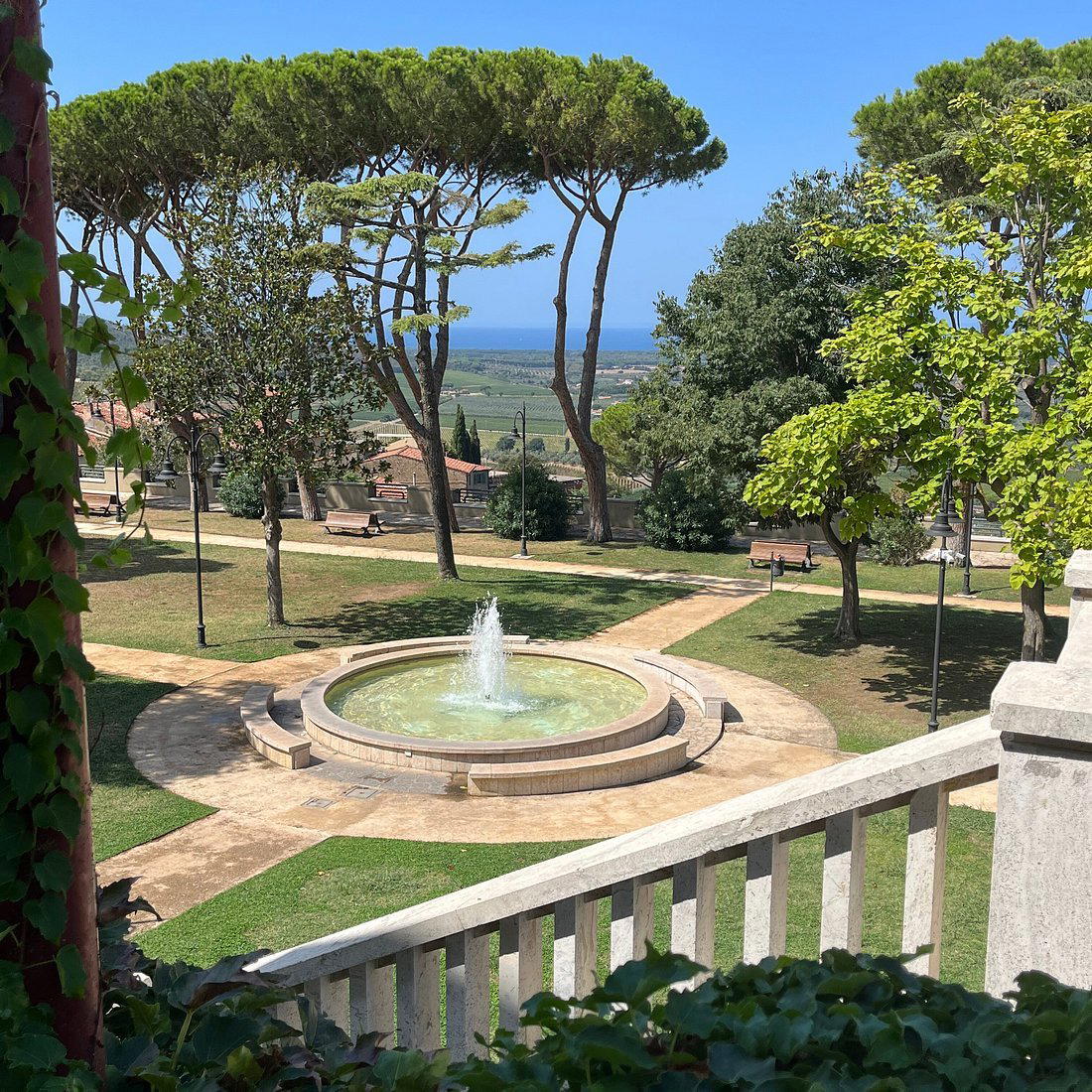
The hamlet of Ghirlanda sits within this landscape: small, unhurried, and unannounced to most visitors passing through Maremma on their way to the coast or the more trafficked corners of Tuscany. The entrance to the restaurant is described as discreet, which in practice means that nothing about the approach signals what waits inside. That restraint is consistent with how Bracali positions itself more broadly: not through display, but through the quality of what's on the plate and in the cellar. For EP Club's wider coverage of the area, see our full Ghirlanda restaurants guide, our full Ghirlanda hotels guide, and our full Ghirlanda bars guide.
Where the Restaurant Sits in Italy's Contemporary Scene
Contemporary Italian fine dining has stratified sharply over the past decade. At the upper tier, three-star houses like Dal Pescatore in Runate, Enoteca Pinchiorri in Florence, and Osteria Francescana in Modena operate with international name recognition and booking windows that often stretch months ahead. Below that tier, a second cohort of one-star kitchens works in a more interesting tension: technically accomplished, often region-specific, and dependent on reputation built through repeat local guests and food-focused travellers who seek out exactly this kind of detour.
Bracali holds its Michelin one-star (awarded in the 2024 guide) within that second cohort, but its context is distinct from peers in more visited regions. A one-star restaurant in Florence or the Langhe operates within a visible cluster of fine-dining options; a one-star in Ghirlanda is effectively the only address of its category for a significant radius. That isolation shapes expectations in both directions: guests arrive with deliberate intent, and the kitchen responds to an audience that has made the journey specifically. Compare this positioning to addresses like Reale in Castel di Sangro or Uliassi in Senigallia, where a destination restaurant operates in a similarly non-obvious Italian location and attracts guests who have specifically organised travel around the meal.
The Menu Structure and Kitchen Approach
Chef Francesco Bracali runs two tasting menus simultaneously, with dishes from both available à la carte for those who prefer to compose their own meal. The format covers both meat and fish, which in Maremma carries specific meaning: the territory is known for its cinghiale (wild boar), aged pecorino, and game traditions, while the Tyrrhenian coast sits close enough that seafood is a genuine regional option rather than a concession to tourist preference. A kitchen that holds both registers in balance, at this price point, is making a deliberate argument about what southern Tuscan cooking can accommodate.
The à la carte option alongside tasting menus is worth noting as a structural choice. Many kitchens at this level have moved entirely to set tasting formats, which maximise kitchen efficiency and narrative control. Maintaining à la carte availability signals confidence in the individual dishes as standalone expressions, not just as components of a curated sequence. It also widens access for guests who prefer shorter meals or are joining a table with mixed preferences, a practical consideration that reflects the brothers' management approach.
Francesco handles the kitchen; Luca Bracali manages the dining room and the wine program. The division of responsibility between two brothers is a long-established model in Italian family restaurants, and at Bracali it appears to function with clear accountability on each side. The wine cellar, by all accounts, is among the more considered aspects of the operation.
The Wine Cellar as a Distinct Proposition
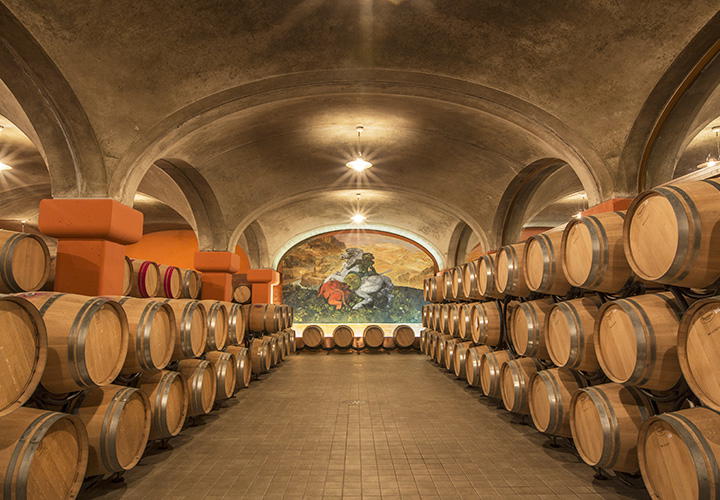
The cellar at Bracali is structured in two sections, Italian wines and international, with particular attention given to vertical tastings. In practical terms, this means the cellar holds multiple vintages of the same producer's wines, which is both expensive to build and demanding to maintain. Vertical tastings as a curated offering rather than an afterthought signal that the wine program is treated with the same seriousness as the kitchen. For a restaurant in Grosseto province, where Morellino di Scansano and Montecucco are the local benchmarks, maintaining a cellar that spans international references alongside rigorous Italian holdings is an investment that most operators at this scale do not make.
Maremma's wine identity has grown considerably over the past two decades, with producers working the Morellino appellation and the broader Maremma Toscana DOC earning broader recognition. A fine-dining cellar in this territory has the opportunity to contextualise those producers within Italian and international frames, which appears to be part of what Luca Bracali's curation provides. For further exploration of the region's wine culture, see our full Ghirlanda wineries guide.
Bracali's approach to wine places it in conversation with other Italian houses where the cellar is a genuine asset rather than a supporting feature: Casa Perbellini 12 Apostoli in Verona and Piazza Duomo in Alba both operate with wine programs that function as independent reasons to visit. Bracali's vertical-tasting focus is a specific format choice within that broader category.
Regional Identity and What It Means Here
Tuscan fine dining is often discussed through the lens of Florence and Chianti, with Maremma appearing as an afterthought in the broader regional narrative. This is partly historical, the area's agricultural potential was only unlocked through twentieth-century land reclamation, and partly a function of infrastructure, given that the territory lacks the dense tourism circuits that feed restaurant recognition in northern Tuscany. The consequence is that a restaurant operating at Bracali's level in Ghirlanda has built its reputation without the ambient foot traffic that benefits addresses in Siena, Montalcino, or the Val d'Orcia.
That context sharpens what Bracali represents within Italian contemporary cooking: not a restaurant shaped by proximity to an established scene, but one that has defined its own terms in a setting where fine dining has no obvious precedent. Italian restaurants that have achieved similar status through geographic remove include Atelier Moessmer Norbert Niederkofler in Brunico, which operates in the Alto Adige with an equally specific regional identity, and Quattro Passi in Marina del Cantone, where the Amalfi setting is both constraint and calling card. For the Italian contemporary category beyond national borders, Agli Amici Rovinj in Rovinj and L'Olivo in Anacapri offer useful comparative frames.
Planning the Visit
Bracali opens for lunch and dinner Tuesday through Saturday, with a lunch service running 1 to 2 PM and dinner from 8 to 9:30 PM. The kitchen is closed on Sundays and Mondays. Reservations are mandatory, walk-ins are not a viable option at an address operating these hours and at this price tier (€€€€). Given the location in Ghirlanda, planning around a stay in the wider Grosseto area makes sense; the nearest towns with accommodation options are within a short drive, and the Maremma coast is accessible for those combining the meal with time at the sea. For broader trip planning in the area, our full Ghirlanda experiences guide covers what the territory offers beyond the table.
Guests arriving from Florence or Siena should allow for a drive of roughly two hours, which effectively makes this a dedicated excursion rather than an incidental stop. That travel commitment is consistent with the kind of guest Bracali attracts: those who have specifically chosen the restaurant rather than those who happened to be nearby.
Frequently asked questions
Is Bracali more mid-range or high-end?
Pricing at Bracali is listed as €€€€.
Is Bracali open every day?
Hours at Bracali: Monday closed Tuesday 1 PM-2 PM 8 PM-9:30 PM Wednesday 1 PM-2 PM 8 PM-9:30 PM Thursday 1 PM-2 PM 8 PM-9:30 PM Friday 1 PM-2 PM 8 PM-9:30 PM Saturday 1 PM-2 PM 8 PM-9:30 PM Sunday closed.
How It Stacks Up
| Venue | Cuisine | Price | Awards | Notes |
|---|---|---|---|---|
| BracaliThis venue (the venue you are viewing) | Modern Italian Fine Dining | $150–200 | 1 Michelin Star | Not listed |
| Atelier Moessmer Norbert Niederkofler | Modern Alpine Fine Dining | $300–500 | 3 Michelin Stars · World's 50 Best #20 | Italian, Creative |
| Dal Pescatore | Classic Italian Fine Dining | $200–300 | 3 Michelin Stars · World's 50 Best #38 | Italian, Italian Contemporary |
| Enoteca Pinchiorri | Contemporary Italian Fine Dining | $200–300 | 3 Michelin Stars · World's 50 Best #32 | Italian - French, Italian Contemporary |
| Enrico Bartolini | Modern Italian Fine Dining | $300–500 | 3 Michelin Stars · World's 50 Best #85 | Creative |
| Osteria Francescana | Avant-Garde Italian Contemporary | $300–500 | 3 Michelin Stars · World's 50 Best #1 | Progressive Italian, Creative |
Recognition history
Dated appearances from independent guides and award organizations, with the underlying list record or original source where available.
Michelin 1 Star
Michelin
Full recognition history (3 entries)
Michelin 1 Star
Michelin
Michelin 1 Star
Michelin
Continue exploring
More in Ghirlanda
Restaurants in Ghirlanda
All restaurants in Ghirlanda →
Bars in Ghirlanda
Browse all →
Bracali
The wine
- Wine program
- Deep wine list
- Extensive wine list
- Sommelier-led
Details
- Elegant
- Intimate
- Sophisticated
- Date Night
- Special Occasion
- Private Dining
- Extensive Wine List
- Sommelier Led
- Local Sourcing
- Tasting Menu
- A La Carte
- Local Wine
- Rare Wine Selections
- Vegetarian Friendly
- Gluten Free Options
Current opening hours
- Monday
- Closed
- Tuesday
- 1–2 PM, 8–9:30 PM
- Wednesday
- 1–2 PM, 8–9:30 PM
- Thursday
- 1–2 PM, 8–9:30 PM
- Friday
- 1–2 PM, 8–9:30 PM
- Saturday
- 1–2 PM, 8–9:30 PM
- Sunday
- Closed
Hours can change for holidays and private events. Hours as of .
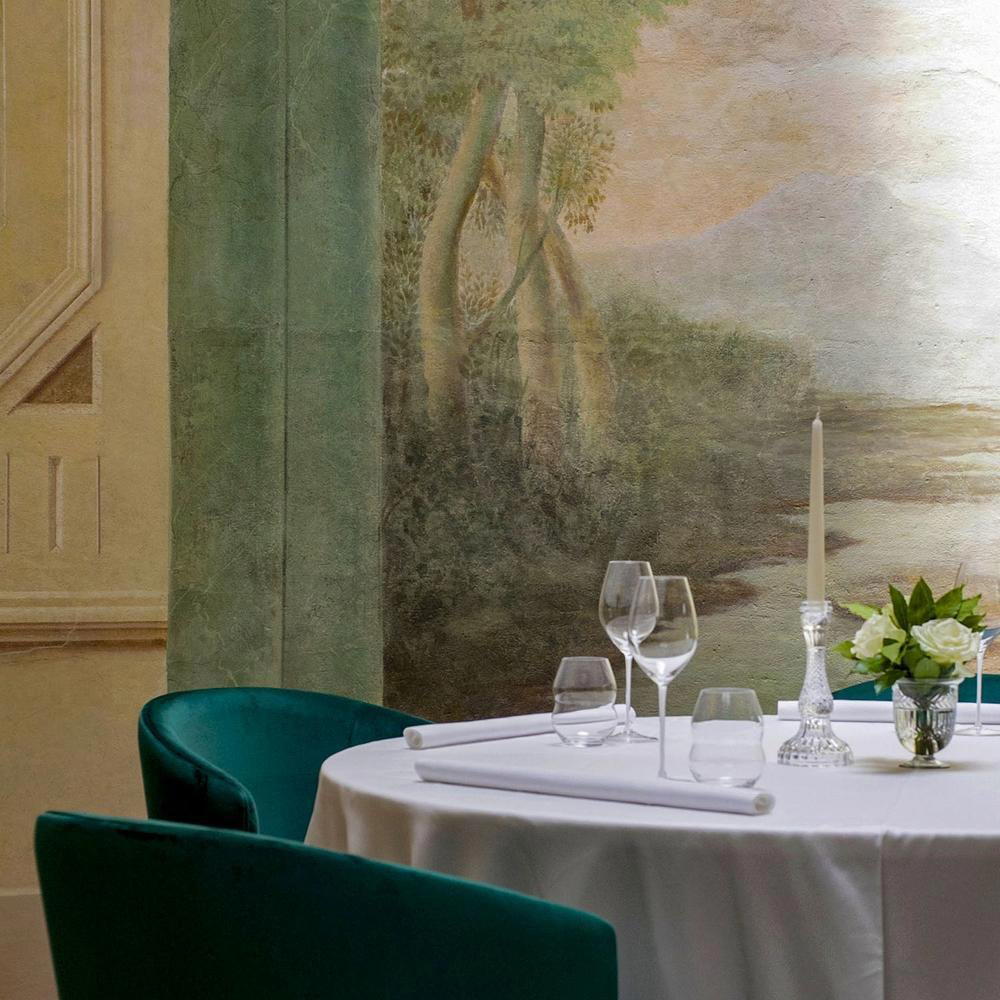
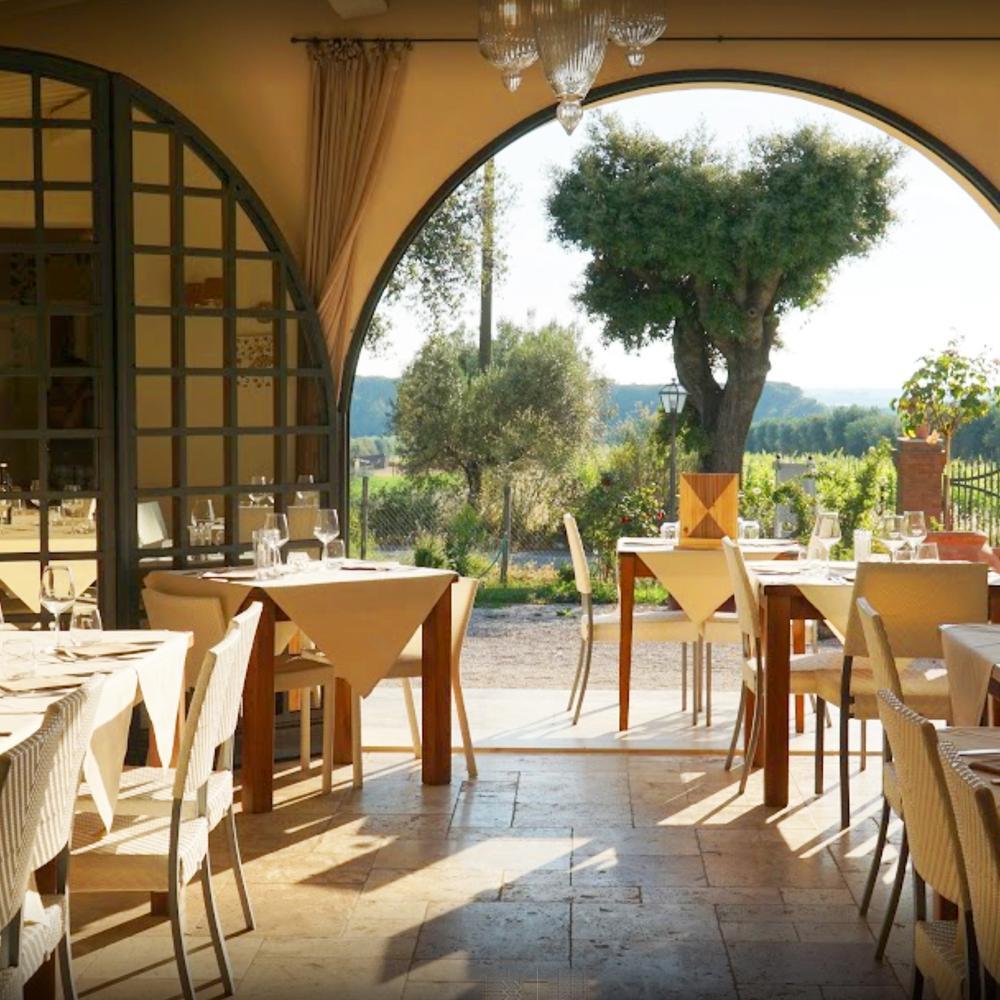
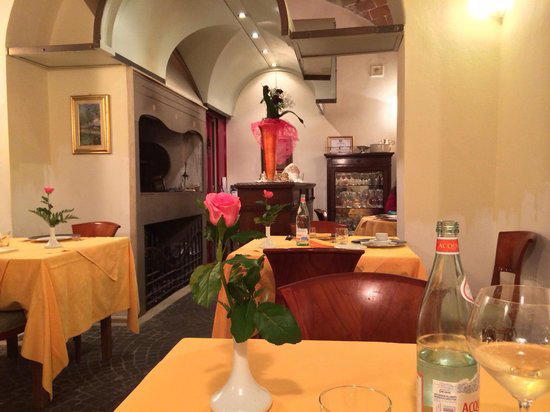
Elegant, modern, and refined interior with pastel walls, gold and black furnishings, separate rooms for privacy, pleasant background music, and a cozy lounge for post-dinner cigars and vinyl.