Sanqingtan occupies basement level B1 of the Taikoo Li Sanlitun complex in Beijing's Chaoyang district, positioning itself within one of the capital's most competitive concentrations of premium dining. The address places it alongside a tier of high-format Chinese restaurants that treat the dining room as seriously as the kitchen, drawing a crowd that moves between regional cuisines with fluency.
 Discover on Pearl
Pearl is the En Primeur Club membership app — saves, bookings, and concierge access live there. Same editors, same standards.
- Address
- China, CN åäº¬å¸ æé³åº ä¸é屯路 11 11å·ä¸é屯太å¤éååºB1楼NLG-09Aå· é®æ¿ç¼ç
- Phone
- +861064686432
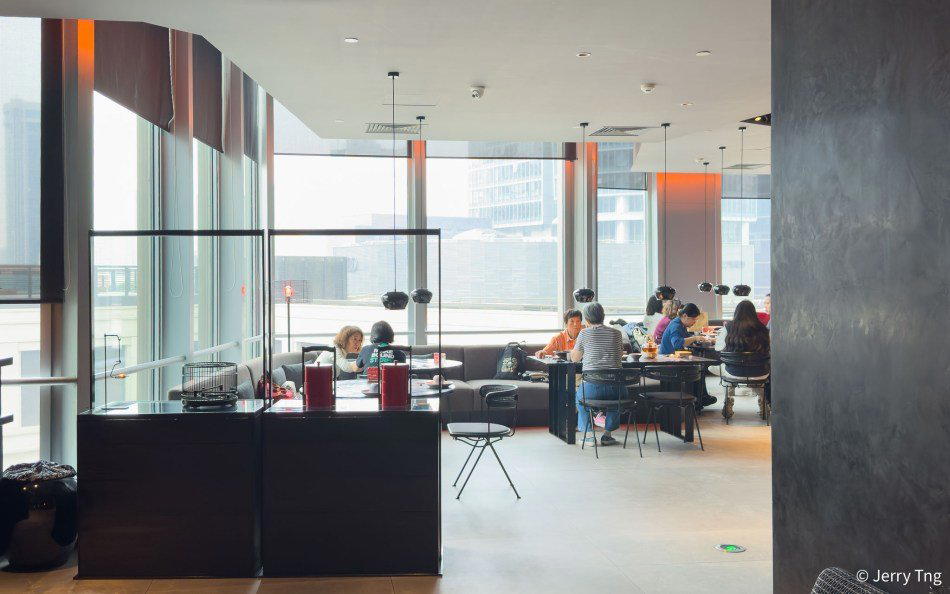
Where Beijing's Premium Dining Scene Has Landed
Sanqingtan is a Beijing restaurant serving refined Cantonese roast goose in Chaoyang District, with a Google rating of 4.4. The formal hotel dining room, once the default format for high-end Chinese cuisine in the capital, has steadily ceded ground to freestanding destination restaurants housed in retail-anchored complexes. Taikoo Li Sanlitun in Chaoyang represents the clearest expression of that shift: a cluster of premium addresses where foot traffic is deliberate rather than accidental, and where the competition for the same educated dining audience is immediate and visible. Sanqingtan sits within that cluster, at basement level B1 of the Sanlitun Taikoo Li complex on Sanlitun Road, a location that signals both ambition and an understanding of where Beijing's serious dining conversation is now being held.
That conversation has grown more sophisticated. A city that once sorted its restaurant hierarchy almost entirely by Cantonese lineage or state-banquet tradition now supports a wider range of regional Chinese cuisines at the leading price tier. Chao Shang Chao in Chaoyang anchors the Teochew end of that spectrum at ¥¥¥¥, while Xin Rong Ji on Xinyuan South Road has established Taizhou cooking as a credible premium category in its own right. Into this context, Sanqingtan enters a market where diners are no longer defaulting to Cantonese, they are choosing deliberately, often with reference points drawn from comparable restaurants across the country.
The Evolution of the Format
The trajectory of high-end Chinese dining in Beijing over the past fifteen years tracks a clear arc: from maximalist banquet formats with large tables and abundant ceremony, toward smaller, more considered environments where the physical space does interpretive work. Restaurants like King's Joy and Lamdre helped establish that a premium Beijing dining room could be architecturally quiet, even austere, while carrying significant price weight. The shift was also conceptual: as vegetarian fine dining and regional cuisine specialists gained traction, the definition of prestige Chinese cooking in the capital widened.
Sanqingtan's position within this evolution is one of a restaurant operating in a moment where the format conventions have already been established by its peers but not yet fully codified. That gives it room to calibrate, to decide where on the spectrum between ceremony and restraint it wants to operate, and how explicitly it references any particular regional or philosophical tradition. For diners tracking how Beijing's premium Chinese category continues to develop, the address at Taikoo Li represents a meaningful data point: this is where the city's newer wave of serious Chinese restaurants has chosen to plant itself.
The parallel in other Chinese cities is instructive. Xin Rong Ji in Chengdu and Ru Yuan in Hangzhou both demonstrate how regional Chinese fine dining has matured outside Beijing, developing house signatures and loyal local audiences before expanding or influencing the national conversation. Imperial Treasure Fine Chinese Cuisine in Guangzhou and Dai Yuet Heen in Nanjing represent the more formal end of that spectrum, where service architecture and room design carry as much weight as the cooking. Sanqingtan enters Beijing's version of that same debate.
The Dining Room and What It Signals
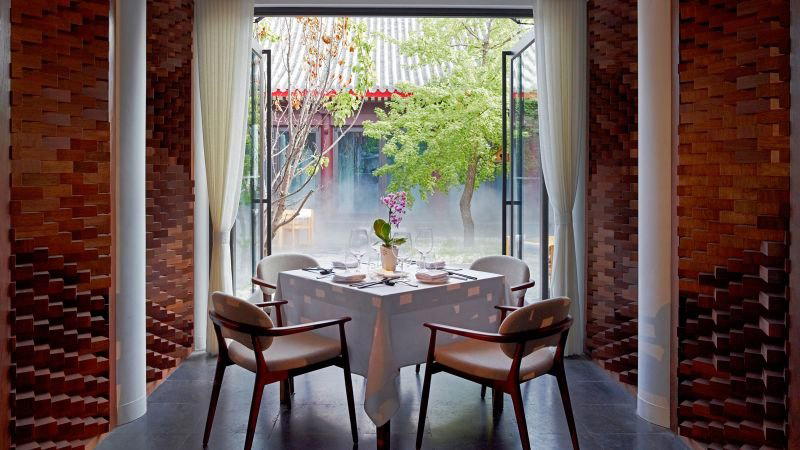
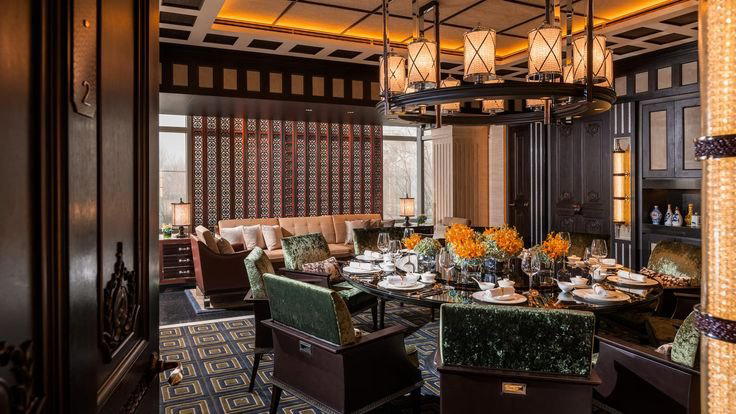
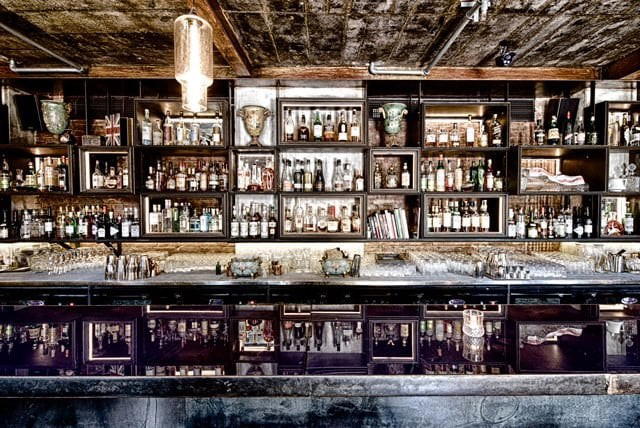
A basement location in a commercial complex is not, in itself, a limitation in Beijing's current dining culture. Several of the city's most-discussed addresses occupy below-grade spaces where controlled light and deliberate acoustics are features rather than compromises. The Taikoo Li context means proximity to high footfall without dependence on it: the surrounding retail draws a demographic that skews toward premium consumption, and the restaurant therefore benefits from passive discovery among an already-qualified audience.
What a basement address at this scale also implies is a meaningful investment in fit-out. Developers leasing B1 space in a complex of this tier do not accommodate casual operators. The physical environment at Sanqingtan is part of its proposition, and the design choices, whatever their specific execution, will have been calibrated to position the restaurant within Beijing's current premium register. For context, comparable formats in other cities, such as Dingshan·Jiangyan in Suzhou or Fleurs Et Festin in Xiamen, have used architectural investment as a primary trust signal, proof of long-term intent that a pop-up or casual operation cannot replicate.
Reading Sanqingtan Against Its Beijing Peers
The Beijing restaurants that occupy the ¥¥¥¥ bracket, Jingji for Beijing cuisine, Chao Shang Chao for Teochew, Xin Rong Ji for Taizhou, each arrived at that price tier by making a clear case for their category's credentials. They are not generalist Chinese restaurants charging premium prices; they are specialists whose authority within a tradition justifies the positioning. This is the framework against which Sanqingtan will inevitably be read by Beijing's attentive dining audience. The question is not whether the restaurant is expensive, but whether its cuisine identity is legible and defensible enough to hold the position.
For readers building a broader picture of premium Chinese dining across the region, the comparison set extends beyond Beijing. 102 House in Shanghai, Chef Tam's Seasons in Macau, and Shang Palace in Yangzhou each offer a lens on how differently the premium Chinese format can be calibrated depending on city, audience, and institutional backing. The international frame of reference stretches further still: the precision-driven, highly edited tasting formats at places like Le Bernardin in New York or Atomix have influenced how premium Asian restaurants globally think about pacing, portion discipline, and the grammar of a composed menu. Jiangnan Wok·Rong in Fuzhou shows how that discipline can be applied within a specifically regional Chinese idiom.
Planning Your Visit
Sanqingtan is located at NLG-09A, B1 floor, Taikoo Li Sanlitun, 11 Sanlitun Road, Chaoyang District, Beijing. The complex is reachable via the Tuan Jie Hu subway station on Line 10 or by car to the Sanlitun area, where drop-off points are clearly marked along the complex perimeter. Given the restaurant's position within a competitive, high-visibility complex, booking ahead is advisable, particularly for evening sittings and weekend slots, which are the default peak periods across all premium addresses in this part of Chaoyang. Contact and reservation details are best confirmed through the venue directly or through the Taikoo Li concierge service.
Where the Accolades Land
Comparable venues nearby, for context on price, style, and recognition.
| Venue | Cuisine | Price | Awards | Notes |
|---|---|---|---|---|
| SanqingtanThis venue — the venue you are viewing | Refined Cantonese Roast Goose | $$$ | , | |
| LEI GARDEN | Authentic Cantonese Dim Sum | $$$ | , | Chaoyang |
| 1949-å ¨é¸å£ | Handmade Noodles | $$$ | , | Chaoyangmen |
| 游龙饭庄 | Traditional Beijing Imperial Cuisine | $$$ | , | Chongwen District |
| Chao Shang Chao | Modern Chaoshan (Teochew) Fine Dining | $$$$ | , | Chaoyang |
| Huang Ting | Cantonese Fine Dining | $$$$ | , | Chaoyangmen |
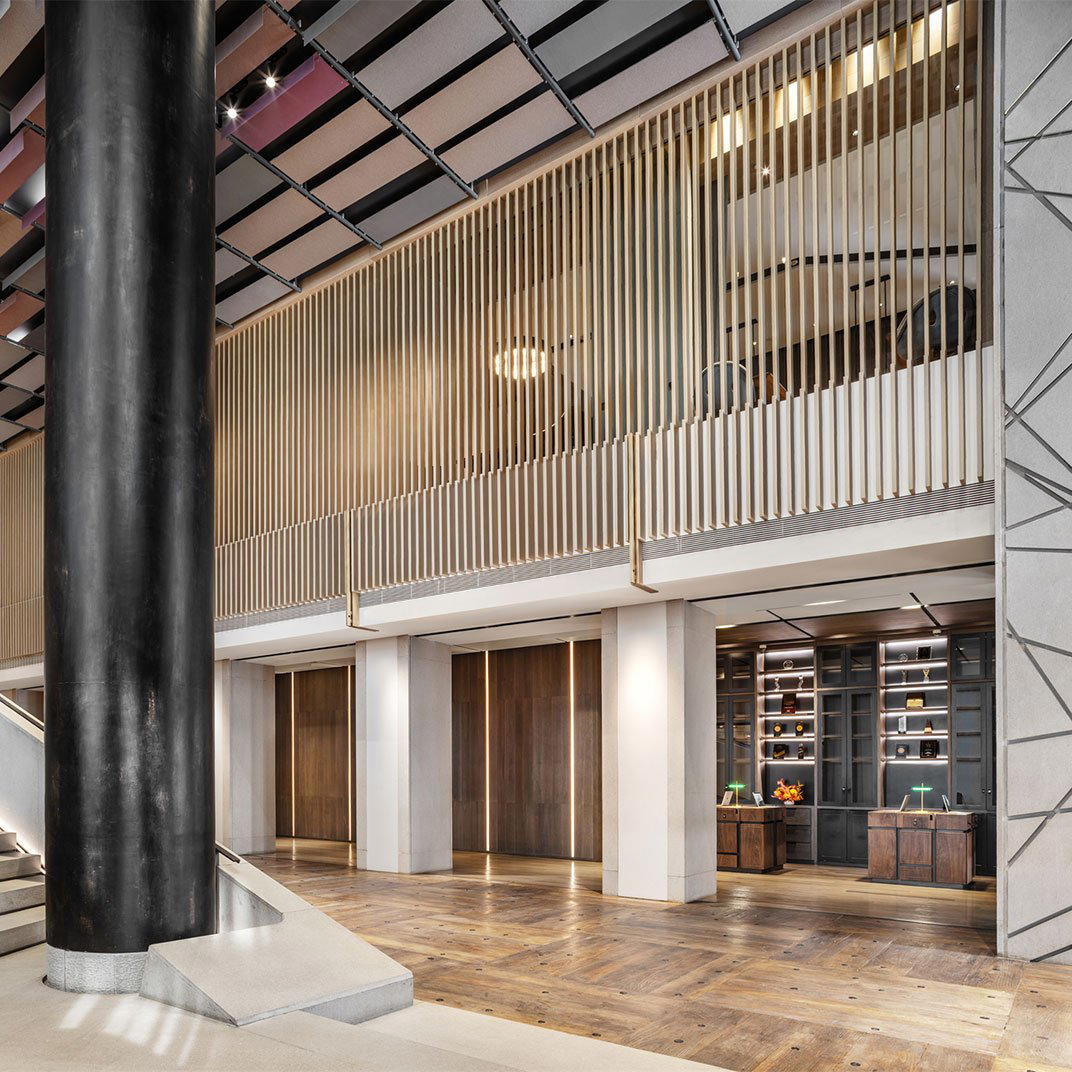
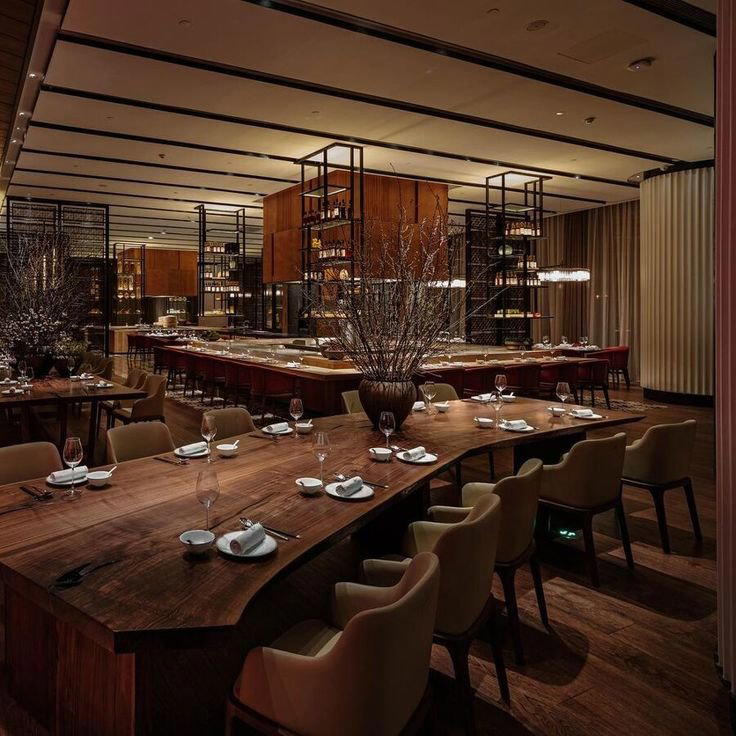
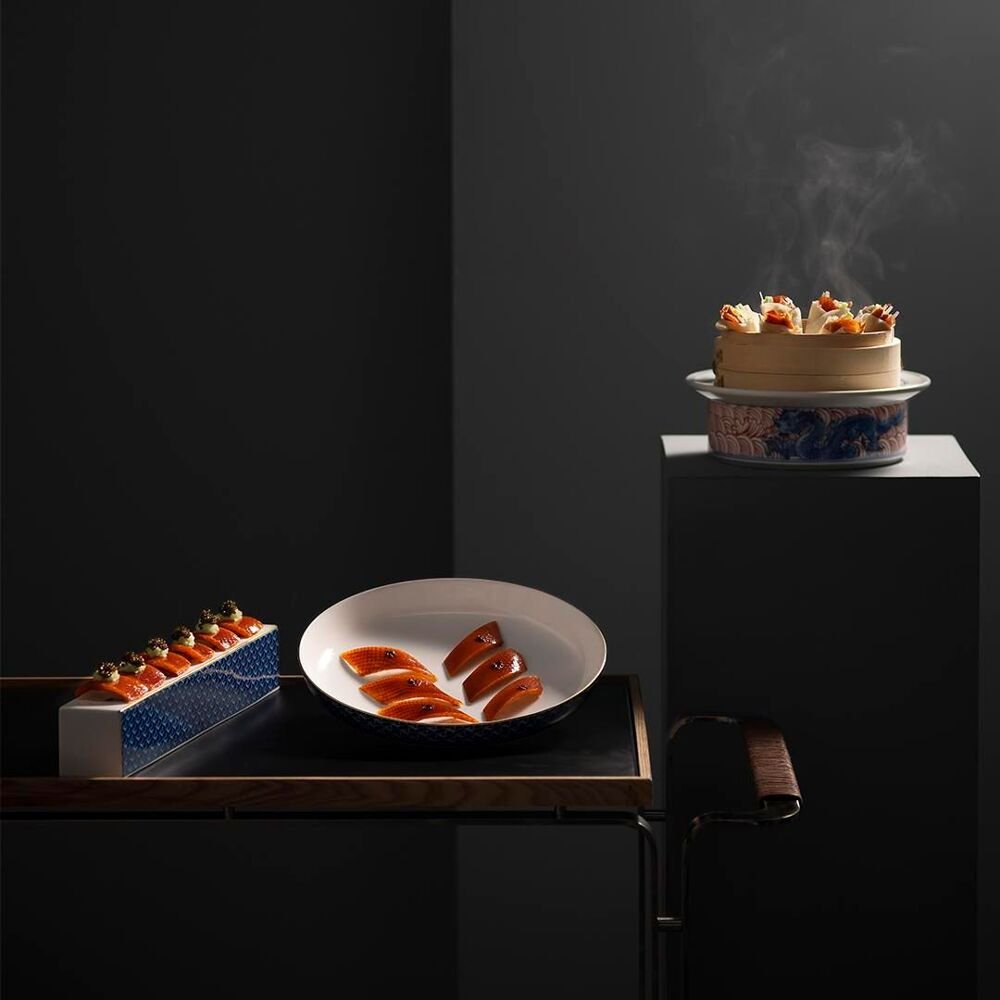
At a Glance
- Elegant
- Sophisticated
- Special Occasion
- Business Dinner
- Standalone
Refined and elegant with discreet, reservation-led fine dining atmosphere emphasizing precision and purity.