
Tabelog Bronze #385
Our verdict
Open since February 2008 in Gion's Kitagawa district, Sangencha carries tea ceremony traditions rooted in a long-established Shiga restaurant into a 26-seat house setting on the Kamo River side of Higashiyama. A Tabelog Bronze Award winner every year from 2017 through 2026, and selected for the Tabelog Japanese Cuisine WEST 100 in 2021, 2023, and 2025, it sits in the mid-to-upper tier of Kyoto's non-kaiseki Japanese dining scene, with dinner averaging JPY 20,000–29,999.

Pearl is the En Primeur Club membership app, where members save venues, book tables and use the concierge.
The menu
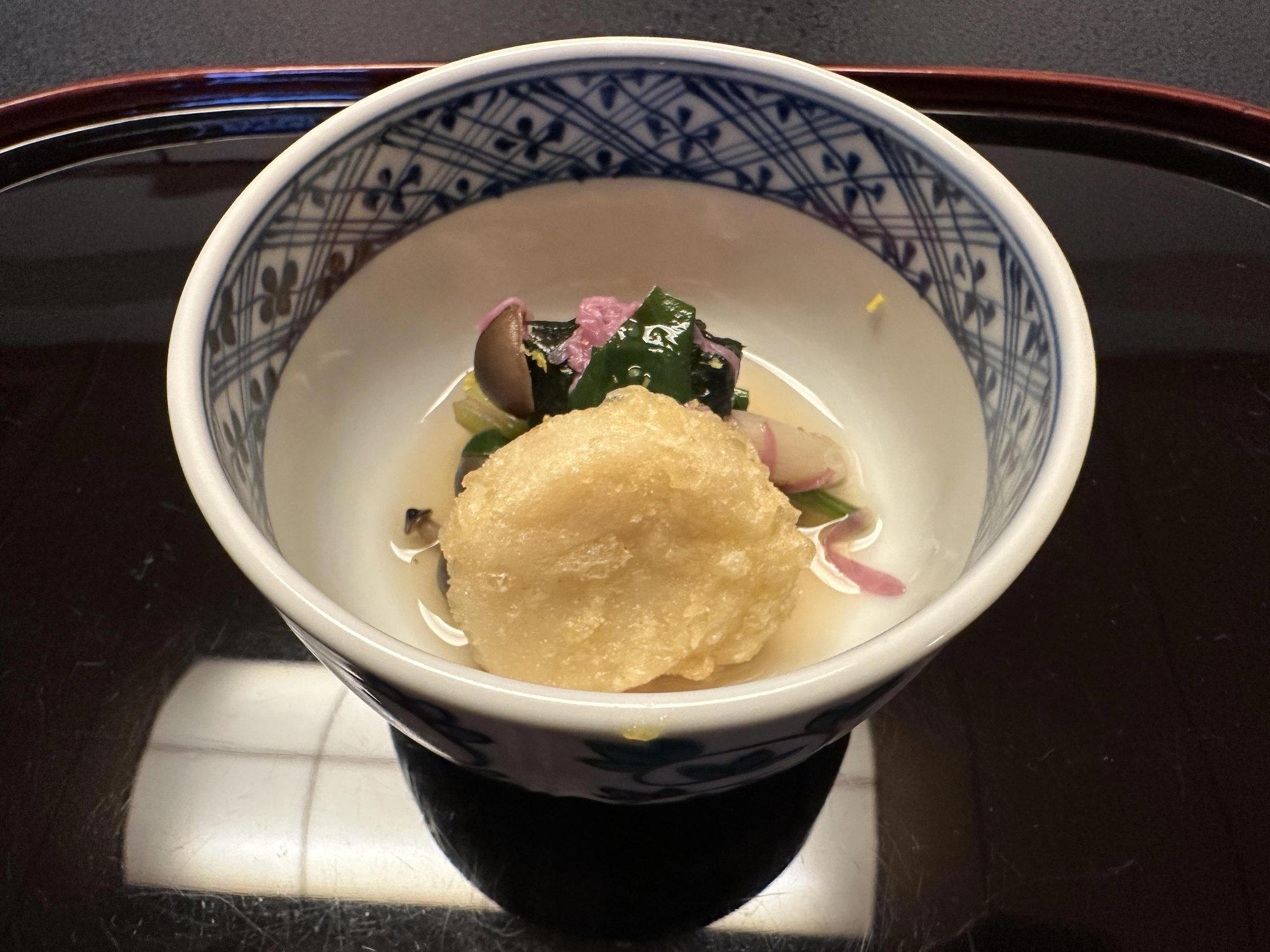
What to order
- Kaiseki Lunch
- Sashimi Platter
- Grilled Fish
- Seasonal Vegetable Tempura
- Rice with Shiga Prefecture Koshihikari
Gion's Dining Tradition and Where Sangencha Sits Within It
Kyoto's restaurant culture divides more sharply than most cities between the formal kaiseki lineage, represented by multi-generational houses like Kikunoi Honten, Hyotei, and Gion Sasaki, and a quieter tier of Japanese cuisine restaurants that work from distinct regional or philosophical traditions without adopting the kaiseki label or its pricing structure. Sangencha belongs to the second category. Opened in February 2008 in the Kitagawa quarter of Gion, the address that places it among Higashiyama's densest concentration of serious dining, the restaurant draws its identity from Zen-influenced cooking and tea ceremony practice associated with a long-established house in Shiga Prefecture. That lineage matters because it shapes not just what arrives at the table but the pace and structure of the meal itself.
The Shiga connection is worth understanding as context. The region, centred on Lake Biwa and historically linked to Zen Buddhist monasteries, developed a cooking vocabulary that shares formal Japanese cuisine's attention to seasonality and restraint but inflects it differently, less the theatrical multi-course progression of kaiseki, more the deliberate, contemplative rhythm that tea ceremony culture demands. Restaurants in Kyoto that carry this kind of regional or philosophical inheritance tend to attract a loyal local following before international attention catches up, and Sangencha's consistent Tabelog recognition since 2017 suggests exactly that pattern.
The Ritual of the Meal: Pacing, Setting, and the Logic of Ichigo Ichie
The phrase that appears in Sangencha's public description, ichigo ichie, roughly translated as "one time, one meeting", is not decorative. It is a tea ceremony concept that frames every encounter as singular and unrepeatable, and in a dining context it functions as a structural principle. The meal is not rushed toward its conclusion; each course arrives in relation to what preceded it, and the guest's role is attentive reception rather than passive consumption. That orientation distinguishes this kind of dining from the efficiency-first omakase counters now prevalent across Japan's major cities.
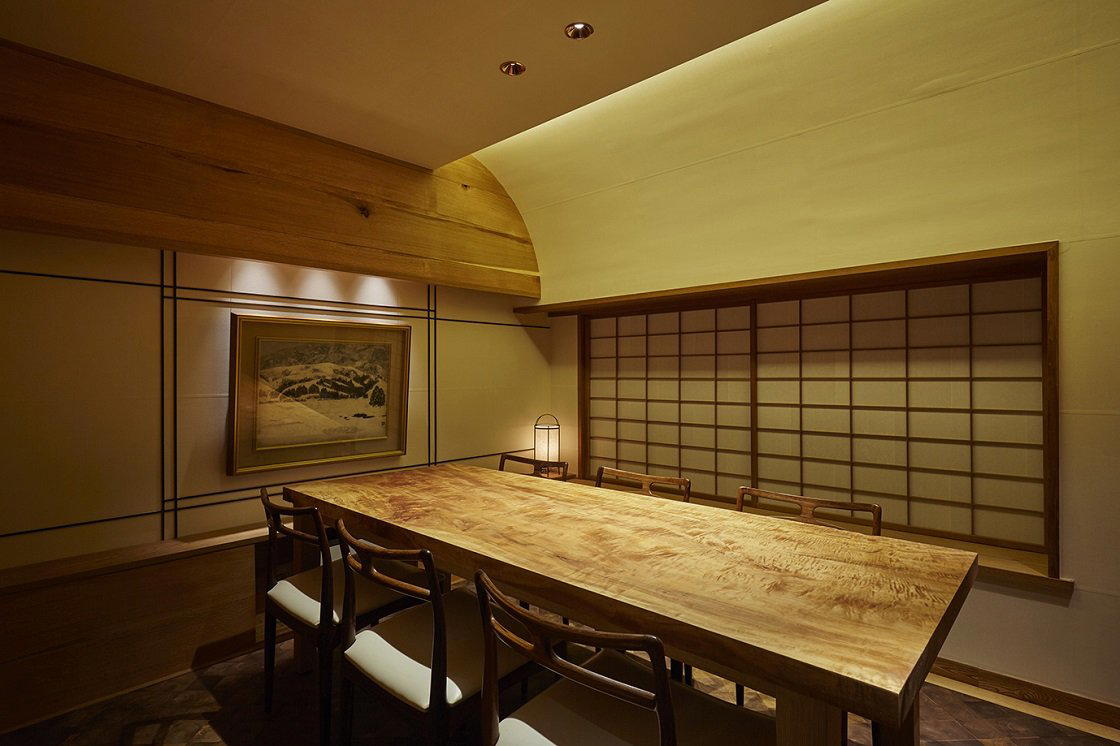
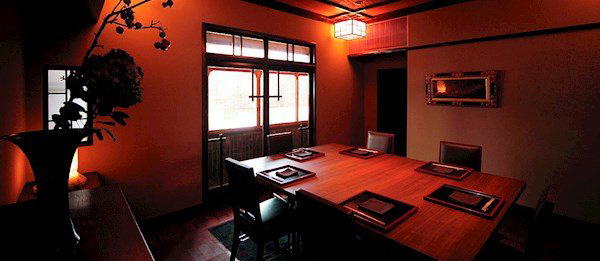
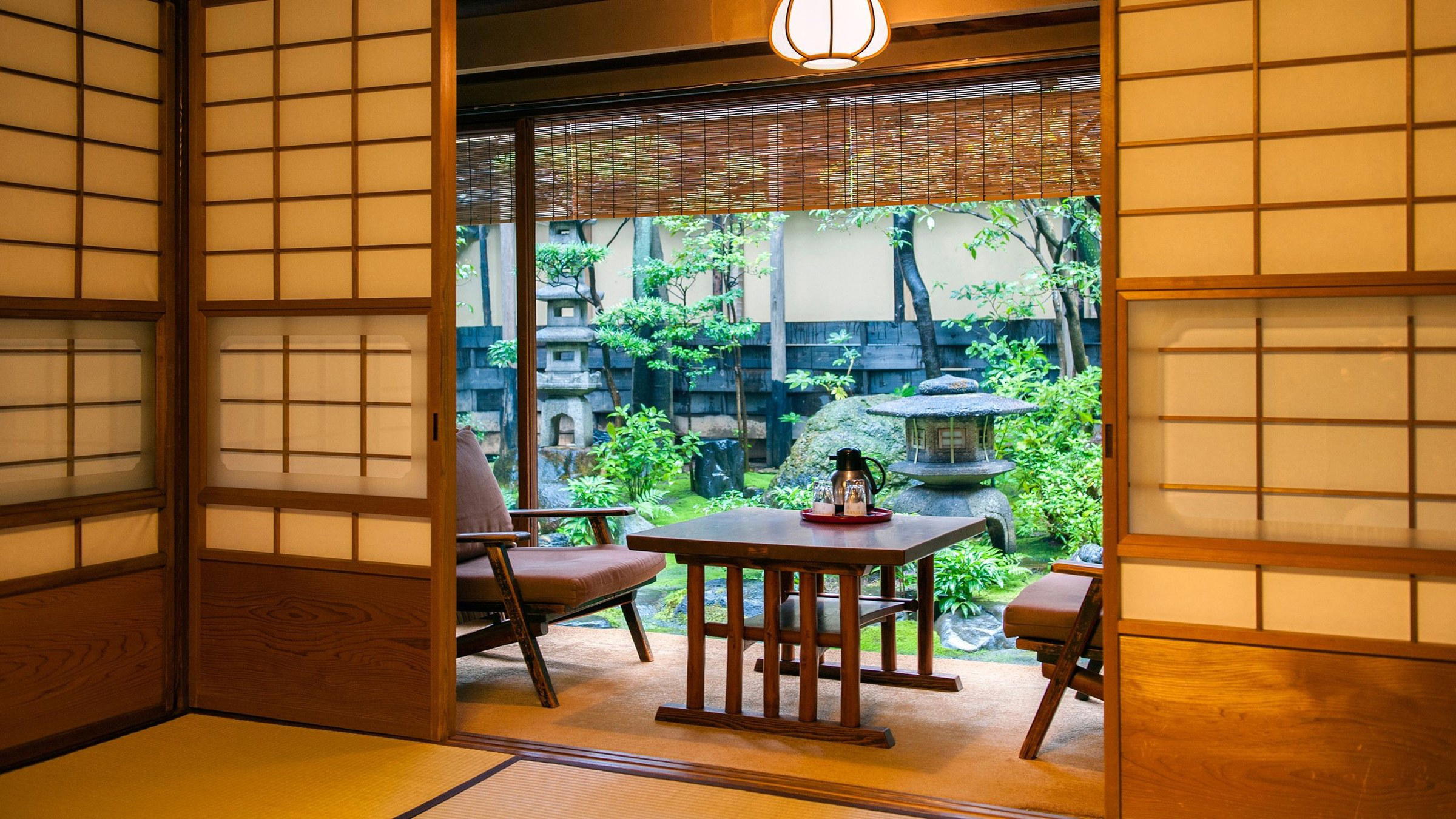
Physical setting reinforces that logic. Sangencha operates as a house restaurant, a format common in Kyoto's older neighbourhoods where converted machiya townhouses or private residences provide an intimate, non-commercial atmosphere that full-service restaurant interiors rarely replicate. The 26-seat capacity, with 10 at the counter and private rooms configured for parties of two, four, or six, means the room never feels crowded, and the mix of counter seating, tatami rooms, and sunken (horigotatsu) seating gives different parties genuinely different spatial experiences within the same visit. The counter seats are the closest analogue to a traditional tea gathering: a direct line of sight to the preparation, no barriers between guest and kitchen.
For guests arriving from a kaiseki reservation elsewhere in Gion, the contrast in atmosphere is instructive. Where formal kaiseki houses like Mizai or Isshisoden Nakamura choreograph service with a formality that can feel ceremonial in its own right, Sangencha's house-restaurant format favours a quieter register, attentive but less structured around the visual theatre of successive presentations.
A Decade of Consistent Recognition
Sangencha has held Tabelog Bronze Award status every year from 2017 through 2026, a span of ten consecutive years that signals something more than periodic critical favour. The Tabelog Award system, which aggregates verified diner reviews weighted for recency and reviewer credibility, tends to reward consistency of execution over novelty, making a ten-year Bronze run a more informative signal than a single high-profile mention in a list. The restaurant also holds a Tabelog score of 4.24 and has been selected for the Tabelog Japanese Cuisine WEST 100 in 2021, 2023, and 2025, the western Japan shortlist that covers Kyoto, Osaka, and the surrounding region.
For comparison, other restaurants in the broader Kyoto dining conversation, including Tabelog-recognised addresses in Gion and Higashiyama, often cycle in and out of annual award lists. Ten consecutive Bronze wins from 2017 suggests a kitchen that has not relied on opening-year momentum or a single signature season to sustain its score. Comparable consistency in adjacent dining cultures can be found at addresses like Harutaka in Tokyo or HAJIME in Osaka, where long-run recognition reflects a kitchen operating at a sustained level rather than a peak.
Price, Format, and the Practical Shape of a Visit
Dinner at Sangencha averages JPY 20,000–29,999 per person, positioning it clearly in the upper-mid tier of Kyoto's Japanese cuisine options, above the neighbourhood izakaya and mid-range kaiseki lunch formats, but below the leading Michelin-starred kaiseki houses where dinner frequently exceeds JPY 40,000. Lunch service runs from noon to 2:30 p.m. with a last order at 1:00 p.m. and evening service from 6:00 p.m. to 9:30 p.m. with a last order at 7:30 p.m. The restaurant closes on Tuesdays and the second Wednesday of each month, with Tuesday closures waived on public holidays. A charge fee of 500 yen applies.
Reservations are required, walk-ins are not the format here, and the house-restaurant atmosphere combined with private room availability makes it a practical choice for business occasions or family celebrations in addition to the solo counter experience. Credit cards are accepted (Visa, Mastercard, JCB, American Express, Diners), though electronic money and QR code payments are not. There is no on-site parking. The nearest station is Gion-Shijo, approximately a 12-minute walk, or 411 metres from the Gion Shijo stop. For visitors building a broader Kyoto itinerary, our full Kyoto restaurants guide, Kyoto hotels guide, Kyoto bars guide, Kyoto experiences guide, and Kyoto wineries guide provide wider context for planning around the city.
Sake (nihonshu) is the primary drink offering, which fits the tea-and-Zen register of the cuisine. A children's menu is available, and the restaurant is noted as family-friendly, an atypical designation for a venue operating at this price point in Kyoto, and worth noting for travellers combining a serious dining agenda with family logistics. The non-smoking environment is consistent throughout.
Situating Sangencha in a Wider Japan Dining Context
The broader question for a visitor choosing between Kyoto's Japanese cuisine options is what kind of experience they are looking for, structured kaiseki formality, counter omakase precision, or the more contemplative ritual that tea-influenced cooking represents. Sangencha occupies the third category, which has fewer representatives in the Gion area than the first two. Comparable regional Japanese cuisine houses working from a specific philosophical or geographic lineage can be found in other cities, akordu in Nara works from a different but equally specific regional frame, and Goh in Fukuoka draws on Kyushu tradition in a way that parallels Sangencha's Shiga inheritance, but in central Kyoto's Gion district, that specific combination of tea ceremony tradition, consistent long-run recognition, and house-restaurant intimacy is a more distinct position than its unassuming address might initially suggest.
For visitors who have experienced high-formality kaiseki or the precision-driven counter formats now common at addresses like Atomix in New York City or Le Bernardin, Sangencha offers a different register of attention, one where the meal's meaning accumulates through restraint and pacing rather than through technical demonstration. That distinction is, in the end, the clearest reason to make a reservation rather than simply noting the address for a future visit.
Frequently asked questions
Is Sangencha open every day?
Hours at Sangencha: Mon, Wed, Thu, Fri, Sat, Sun 12:00 - 14:30 L.O. 13:00 18:00 - 21:30 L.O. 19:30.
What awards or recognition does Sangencha have?
Sangencha has received recognition including:
What do regulars order at Sangencha?
Sangencha does not publish a fixed à la carte menu, and the format requires reservations, suggesting the kitchen operates on a set course structure. Given the tea ceremony and Zen-rooted lineage documented in the venue's description, regulars are likely eating within a curated sequence rather than ordering individually. The average dinner spend of JPY 20,000–29,999 per person supports a course-based format rather than casual ordering.
What part of town is Sangencha in?
Sangencha is located at 347-96 Gionmachi Kitagawa, Higashiyama Ward, Kyoto, 605-0073, Japan, Kyoto.
What makes Sangencha worth seeking out?
Ten consecutive Tabelog Bronze Awards from 2017 through 2026, combined with three selections for the Tabelog Japanese Cuisine WEST Top 100, place Sangencha among the most consistently rated Japanese cuisine restaurants in western Japan. The kitchen draws on Zen-influenced traditions and tea ceremony practice passed down from a long-established Shiga restaurant, a lineage that distinguishes it from the broader kaiseki field in Gion. At JPY 20,000–29,999 per person for dinner, it occupies a meaningful price point without reaching the top tier of Kyoto's multi-generational kaiseki houses.
What if I have allergies at Sangencha?
Sangencha requires reservations, which means the kitchen has advance notice of each booking. That window is the practical moment to communicate any dietary restrictions or allergies, check the venue's official channels at 075-533-0218 before your visit. Given the course-format structure implied by the price range and reservation policy, adjustments are far more viable when raised ahead of arrival rather than on the night.
Does Sangencha offer private room dining in Kyoto?
Private rooms at Sangencha are available for parties of two, four, or six people, and the full venue can be reserved for private use. Set within a house restaurant in Higashiyama Ward, roughly 12 minutes on foot from Gion-Shijo Station, the space combines counter seating (10 seats), tatami rooms, and sunken seating across 26 total seats. This range of configurations, combined with ten consecutive Tabelog Bronze Awards, makes it a credible choice for business meals or small celebrations in Kyoto's Gion district.
Cuisine and Awards Snapshot
Comparable venues nearby, for context on price, style, and recognition.
| Venue | Cuisine | Price | Awards | Notes |
|---|---|---|---|---|
| SangenchaThis venue (the venue you are viewing) | Michelin-Starred Seasonal Kaiseki | $150–200 | Tabelog Bronze #385 | Not listed |
| Chihana | Traditional Kyoto Kaiseki | $200–300 | Not listed | Higashiyama |
| 葵献心 やま田 | Kaiseki Kyoto Cuisine | $100–150 | Not listed | Shimogamo |
| Aman Kyoto | Kaiseki | $200–300 | Not listed | Kita |
| Nishi | Traditional Kyoto Kaiseki | $150–200 | Tabelog Bronze #319 | Higashiyama |
| 祇園 さゝ木 | Kyoto Kaiseki | $300–500 | Not listed | Gion |
Recognition history
Dated appearances from independent guides and award organizations, with the underlying list record or original source where available.
Tabelog Bronze #385
Tabelog
Full recognition history (3 entries)
Tabelog Bronze
Tabelog
Tabelog 100 #75 · No. 75
Tabelog · Tabelog 100 - Japanese cuisine - WEST - 2025
Continue exploring
More in Kyoto
Restaurants in Kyoto
All restaurants in Kyoto →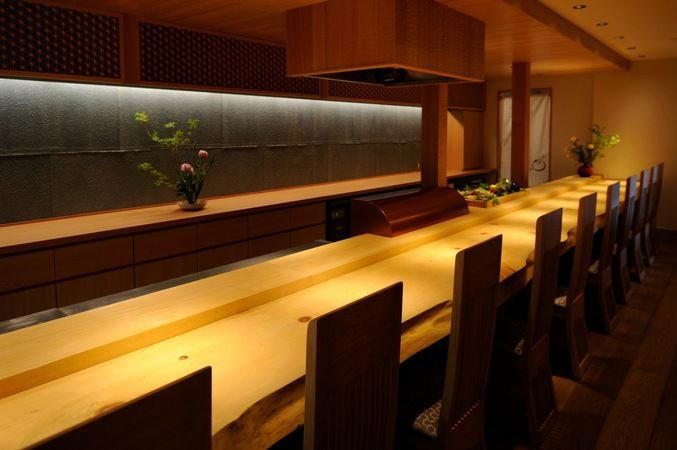
Bars in Kyoto
All bars in Kyoto →

Hotels in Kyoto
All hotels in Kyoto →
Wineries in Kyoto
Browse all →
Details
- Intimate
- Elegant
- Cozy
- Sophisticated
- Date Night
- Special Occasion
- Celebration
- Chefs Counter
- Open Kitchen
- Private Dining
- Sake Program
- Local Sourcing
- Tasting Menu
- Counter Dining
- Set Menu
- Sake
- Japanese Green Tea
- Wine Pairings
- Vegetarian Friendly
- Vegan Options
- Gluten Free Options
- Allergy Accommodating
Current opening hours
- Monday
- 12–2:30 p.m., 6–9:30 p.m.
- Tuesday
- Closed
- Wednesday
- Closed
- Thursday
- 12–2:30 p.m., 6–9:30 p.m.
- Friday
- 12–2:30 p.m., 6–9:30 p.m.
- Saturday
- 12–2:30 p.m., 6–9:30 p.m.
- Sunday
- 12–2:30 p.m., 6–9:30 p.m.
Hours can change for holidays and private events. Hours as of .
Warm, intimate interior with traditional Japanese aesthetic; cozy counter seating allows guests to observe the chef's meticulous preparation while enjoying a relaxed yet refined atmosphere.