Our verdict
Sandayahonten Steak House occupies the 13th floor of Shinsaibashi Parco in Osaka's Chuo Ward, placing it inside one of the city's most active commercial and dining corridors. The format centres on beef cookery in a setting that balances the vertical retail energy of the Parco building with a dedicated dining rhythm. For visitors working through Osaka's steakhouse tier, this address sits within easy reach of the broader Shinsaibashi dining circuit.

Pearl is the En Primeur Club membership app — saves, bookings, and concierge access live there. Same editors, same standards.
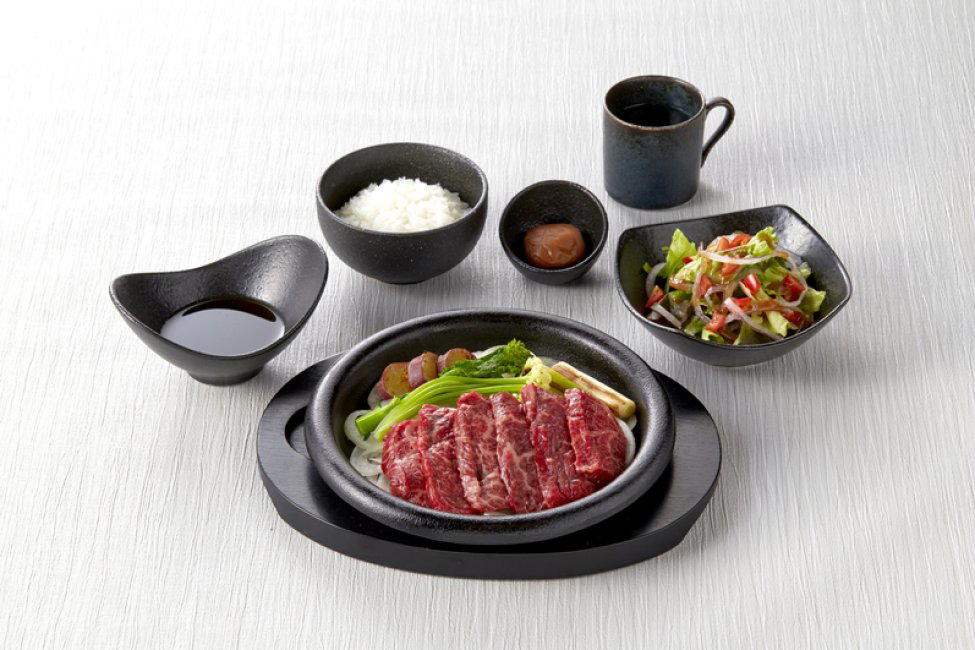
Beef Cookery at Altitude: Osaka's Shinsaibashi Steakhouse Tier
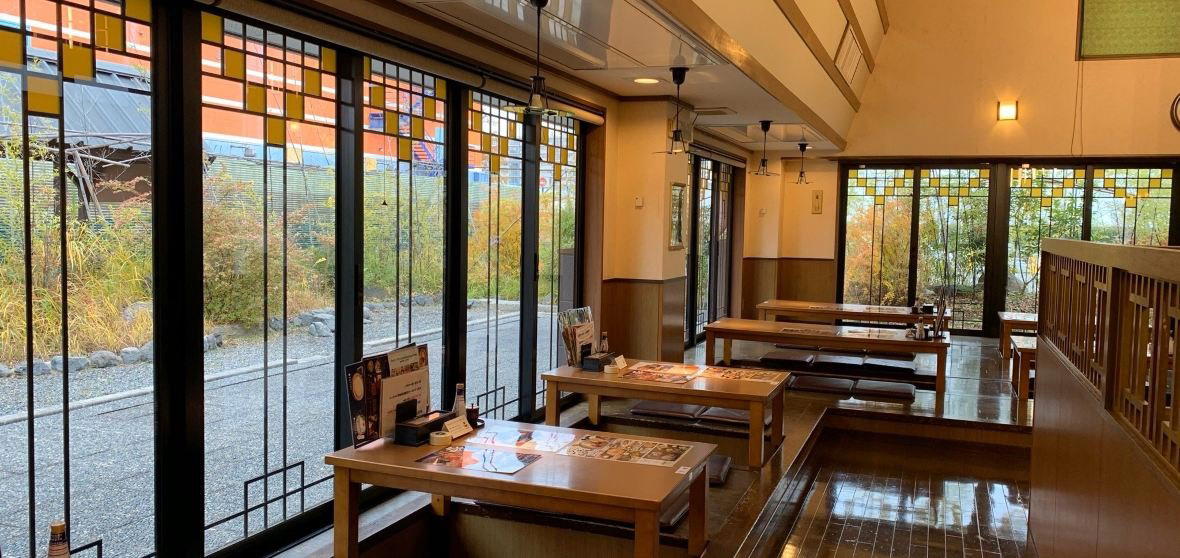
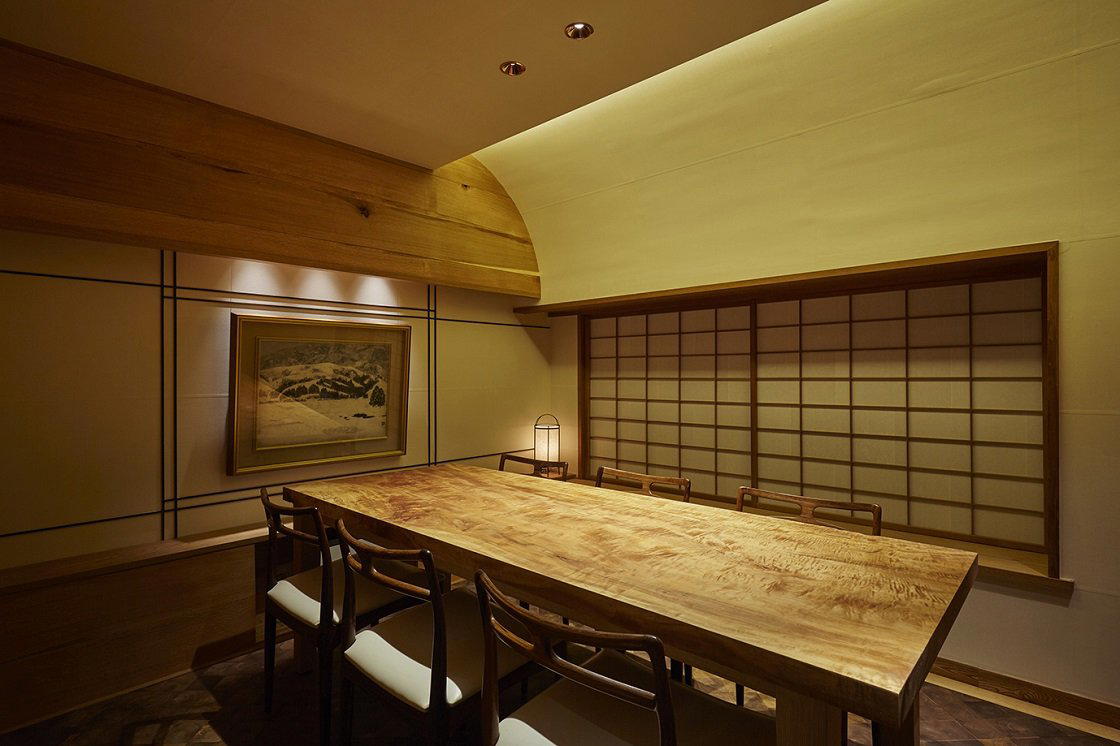
The 13th floor of a Parco department store is not where most diners expect to find a serious steak counter, but Osaka has long operated on different retail logic than Tokyo or Kyoto. In the Shinsaibashi corridor, high-floor dining rooms inside commercial buildings are a legitimate format, not a concession. The vertical structure of the Parco building on Shinsaibashisuji places Sandayahonten Steak House above the street-level noise of one of Osaka's most trafficked shopping avenues, giving the meal a physical separation that floor-level restaurants in the same neighbourhood cannot offer. That separation matters to the dining ritual: arriving by elevator rather than from the pavement resets the pace before the first course.
Osaka's steakhouse category sits at an interesting point in the broader Kansai dining hierarchy. The city's Wagyu culture runs deep, with Kobe beef to the west and a domestic cattle tradition that predates the international enthusiasm for marbled Japanese beef by several decades. Steakhouses in this market are not novelty venues; they sit within a understood set of expectations around cut selection, preparation approach, and service pacing.
The Ritual of the Wagyu Table in Osaka
Japanese steakhouse dining, particularly at the premium end of the Osaka market, follows a structure that rewards patience. The meal rarely begins with the protein. Appetiser courses, often lighter preparations designed to calibrate the palate, precede the main event. Sauces, condiments, and accompaniments arrive in a sequenced order, and the beef itself is typically presented with enough ceremony to signal that the kitchen treats sourcing and preparation as information worth sharing with the guest. This is not incidental: the disclosure of cattle provenance, grade, and cut is part of the ritual in markets where diners are literate about what they are eating.
For international visitors less familiar with the vocabulary, the structure can feel unfamiliar at first. The pacing is slower than Western steakhouse formats, portions are often smaller and more precise, and the emphasis falls on the quality of a smaller quantity rather than abundance. Visitors coming from a teppanyaki background will find some overlap in theatre, though a dedicated steakhouse counter typically operates with less performance and more focus on the cooking itself. Those who have dined at comparable beef-focused rooms in Japan's regional cities, including addresses in Fukuoka like Goh or kaiseki-adjacent dining in Kyoto at Gion Sasaki, will recognise the underlying philosophy: restraint in preparation, precision in sourcing, service that narrates rather than sells.
Shinsaibashi as a Dining Address
Chuo Ward's Shinsaibashi district carries more dining density per block than almost anywhere else in Osaka. The covered arcade of Shinsaibashisuji runs several hundred metres and connects to the Dotonbori axis, creating a grid where restaurants from every tier compete for foot traffic. Within that grid, the Parco building occupies the northern stretch of the arcade, and its upper floors represent a different kind of address than the street-level takoyaki counters and ramen shops below. Dining on the 13th floor of Parco is a deliberate choice, made by guests who have already moved past the ground-floor options.
For a longer read on how this neighbourhood fits into the wider city picture, the full Osaka Shi restaurants guide maps the district against Osaka's other major dining corridors. Comparable meal formats in the city include the French-influenced rooms at Calendrier, the kaiseki precision of Ajikitcho Bunbuan, and the contemporary approaches at Aka to Shiro and Az. Each occupies a distinct position in Osaka's premium dining tier, and the steakhouse format sits alongside rather than above or below them in terms of formality.
Osaka's dining scene also connects naturally to a broader Kansai circuit. Diners building a multi-city itinerary often pair Osaka meals with visits to Nara, where akordu operates in a quieter register, or to Kyoto for the counter kaiseki experience at Gion Sasaki. The beef-focused meal in Osaka fits that circuit as a counterpoint to the more restrained formats typical of Kyoto and Nara dining rooms.
Planning the Visit
Sandayahonten Steak House is located on the 13th floor of Shinsaibashi Parco, Shinsaibashisuji 1-chome, Chuo Ward, Osaka, postal code 542-0085. The Shinsaibashi subway station on the Midosuji Line is the most direct arrival point, placing the Parco building within a short walk along the covered arcade. For visitors also planning meals at Ajihei Sonezaki or HAJIME, Chuo Ward keeps multiple evening options within a manageable radius. The Parco building itself operates on standard department store hours, but restaurant floor timings frequently differ from the retail floors below.
Dress expectations at premium beef counters in Japan generally lean toward neat casual at minimum, though floor-level formality varies. Arriving without a reservation at high-demand steakhouse addresses in Osaka is rarely productive on weekends; the category skews toward pre-booked tables rather than walk-in seating. For reference on how booking culture works across the Osaka dining tier, patterns at recognition-holding addresses like HAJIME or internationally comparable counters such as Harutaka in Tokyo give a useful frame: the more formal the format, the further in advance the reservation conversation typically begins.
Broader Japan steakhouse comparisons are worth drawing. Regional beef rooms outside the major cities, including addresses in Nanao like 一本木 佐川製 and in Sapporo at 夕佳亭山乙, illustrate how Japan's beef dining culture distributes across geographies rather than concentrating only in the major urban corridors. The Shinsaibashi Parco location places Sandayahonten at the commercial centre of that distribution in Kansai.
Frequently asked questions
What do people recommend at Sandayahonten Steak House - Shinsaibashi Parco?
What is the ideal way to book Sandayahonten Steak House - Shinsaibashi Parco?
What is Sandayahonten Steak House - Shinsaibashi Parco known for?
Is Sandayahonten Steak House - Shinsaibashi Parco good for vegetarians?
Should I spend on a meal at Sandayahonten Steak House - Shinsaibashi Parco?
How does Sandayahonten Steak House fit into the Osaka steakhouse category compared to other beef-focused rooms in the city?
Comparison Snapshot
Comparable venues nearby, for context on price, style, and recognition.
| Venue | Cuisine | Price | Awards | Notes |
|---|---|---|---|---|
| Sandayahonten Steak House - Shinsaibashi ParcoThis venue — the venue you are viewing | Japanese Wagyu Teppanyaki Steakhouse | Not listed | Not listed | Not listed |
| ラシーム | Modern French with Japanese Ingredients | $150–200 | 2 Michelin Stars · World's 50 Best #13 | Chūō |
| 弧柳 | Modern Japanese Omakase | $200–300 | 2 Michelin Stars · La Liste Top Restaurants | Chūō |
| ç §å± | Luxury Japanese À La Carte | $100–150 | 2 Michelin Stars | Chūō |
| Hanagatami | Michelin-Starred Japanese Tempura & Kaiseki | $150–200 | Michelin Plate | Kita |
| Kobe Beef WANOMIYA Kita Shinsaibashi Store | Kobe Beef Teppanyaki | Not listed | Not listed | Chūō |
Continue exploring
More in Osaka
Restaurants in Osaka
All restaurants in Osaka →

Bars in Osaka
All bars in Osaka →
Hotels in Osaka
All hotels in Osaka →


Wineries in Osaka
Browse all →
Details
- Elegant
- Sophisticated
- Special Occasion
- Open Kitchen
- Sake Program
- Street Scene
- A La Carte
Current opening hours
- Monday
- 11 AM–3:30 PM, 5:30–10 PM
- Tuesday
- 11 AM–3:30 PM, 5:30–10 PM
- Wednesday
- 11 AM–3:30 PM, 5:30–10 PM
- Thursday
- 11 AM–3:30 PM, 5:30–10 PM
- Friday
- 11 AM–3:30 PM, 5:30–10 PM
- Saturday
- 11 AM–10 PM
- Sunday
- 11 AM–10 PM
Hours can change for holidays and private events. Last verified .
Relaxing atmosphere blending food and art.