
Michelin Plate
Our verdict
Inside the Ritz-Carlton Osaka, Tempura Hanagatami holds a Michelin Plate for tempura that takes technical precision seriously. The kitchen chills wheat flour to sub-zero temperatures before battering, producing a coating that stays genuinely light rather than just thin. Sea urchin wrapped in nori, and eel finished with wasabi rather than sweet tare, signal a kitchen working at the more inventive edge of the form.

Pearl is the En Primeur Club membership app, where members save venues, book tables and use the concierge.
The menu
What to order
- Tempura of sea urchin and nori seaweed
- Wagyu beef tempura with truffle salt
- Eel with wasabi
- Orient clams with pepper flowers
A Counter Inside a Hotel, With Something to Prove
Hotel restaurants in Japan operate under a particular burden of proof. The assumption, not always unfair, is that a dining room set within an international luxury property trades on convenience and captive guests rather than on the quality of the food. Tempura Hanagatami, the tempura counter inside the Ritz-Carlton Osaka in Kita Ward's Umeda district, is positioned to push back against that assumption. The Michelin Plate it has held for consecutive years through 2024 and 2025 is one signal. The kitchen's deliberate approach to batter science is another.
Umeda itself is the commercial and transport spine of Osaka, dense with department store food halls, standing-room ramen counters, and a high concentration of formal dining rooms that sit comfortably in the ¥¥¥ tier. That middle-premium band in Osaka is genuinely competitive: kaiseki houses like Shunsaiten Tsuchiya and refined Japanese-format restaurants such as Hiraishi occupy the same price bracket. For a specialist tempura counter to hold recognition within that field, the technique has to be the argument.
The Physical Container: Counter Dining in a Grand-Hotel Frame
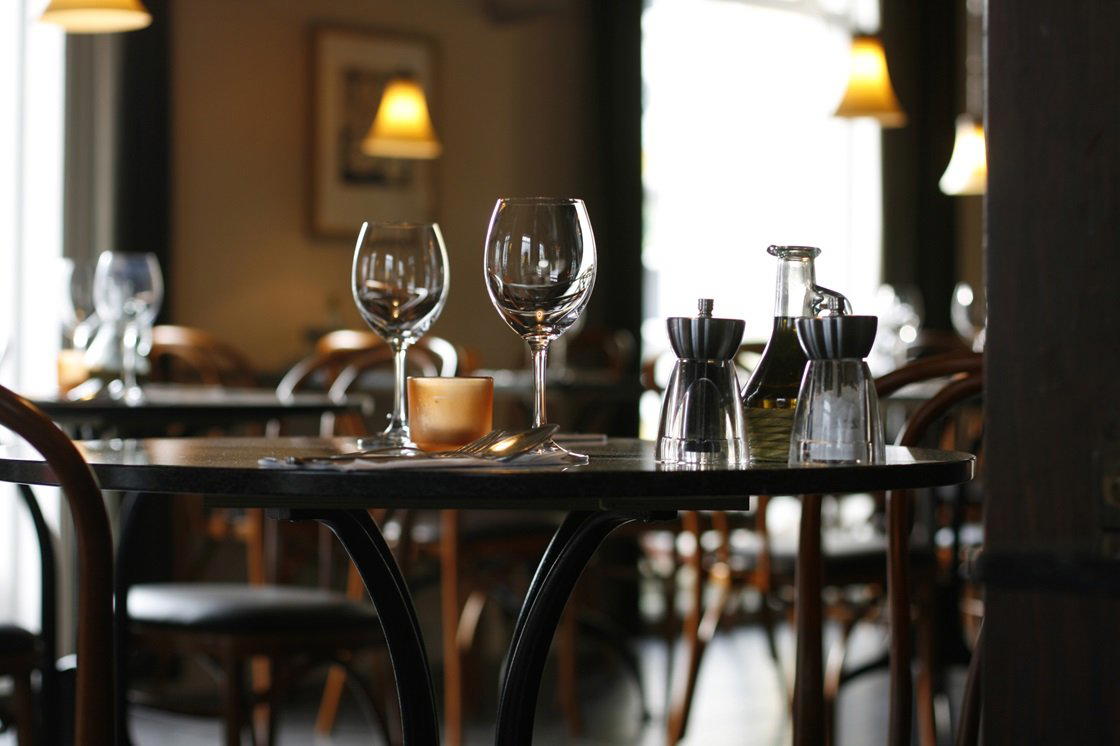
The architectural logic of the leading tempura restaurants is almost theatrical: a counter wraps around a working station, the fryer is the stage, and the cook is the only performer. Guests at Hanagatami sit within that arrangement inside the Ritz-Carlton's interiors, where the hotel's formal proportions and considered material palette provide a setting that is deliberately composed rather than rough-edged. This is not the stripped-back counter of a Namba side-street specialist. The room communicates occasion.
What that physical container does, when the format works, is collapse the distance between kitchen and diner. Tempura consumed immediately after frying, passed directly across a counter while the coating is still at its structural peak, is a categorically different experience from tempura that has rested under a heat lamp or traveled from a kitchen to a tableside tray. The counter format is not a stylistic choice at Hanagatami so much as a prerequisite for the food making sense. Across Osaka's higher-end tempura scene, this counter-and-fryer arrangement is the dominant form at the more serious addresses; for comparison at a different price tier and city, Tempura Ginya in Tokyo operates within a comparable format logic.
The Batter Question and Why It Matters
Japanese tempura batter is already among the thinnest frying coatings in the world, but within that narrow technical range there is still meaningful variation. The standard challenge is gluten development: once flour and liquid are mixed, the proteins in wheat begin to form gluten networks, and gluten in batter produces a coating that is dense and chewy rather than sheer and crisp. The conventional solution is to mix minimally, use cold water, and fry quickly.
Hanagatami takes that logic a step further. The kitchen chills wheat flour to below freezing before the batter is made. Sub-zero flour retards protein activity from the first moment of contact with liquid, giving the kitchen a structural advantage before the batter ever reaches the fryer. The result, according to the Michelin documentation that accompanies the Plate recognition, is a coating described as light and airy in a way that positions it toward the refined end of the spectrum. The blended frying oil compounds this: different oils contribute different flavour compounds and different smoke-point properties, and a considered blend can give the kitchen control over browning rate and finish that a single-oil approach does not.
For visitors already familiar with tempura at restaurants like OIMATSU Tempura Suzuki elsewhere in Osaka, the Hanagatami approach to batter temperature represents a distinct technical choice worth noting.
What Lands on the Counter
The kitchen draws from both land and sea, a structure common to serious kaiseki-influenced tempura courses, where the progression through different proteins and vegetables is as considered as the sequence in a full kaiseki meal. Boxed sea urchin appears as a starting reference point. The more compositionally inventive work includes tempura of sea urchin combined with nori seaweed: two ingredients whose individual flavour profiles are already assertive, and whose textures under a light batter coating create a pairing that requires precision to keep from collapsing into richness.
Two other preparations signal the kitchen's range. Eel, typically a protein associated with sweet, lacquered preparations in the kabayaki tradition, is grilled here without seasoning and finished with wasabi rather than tare. That choice strips away the sweet glaze and asks the eel's own flavour to carry the dish, with the wasabi providing sharp contrast rather than complementary sweetness. Orient clams appear dressed with pepper flowers, a garnish choice that introduces a floral aromatic counterpoint to the brine of the shellfish. These are not ornamental variations. They suggest a kitchen that is thinking about contrast and restraint rather than defaulting to familiar flavour pairings.
Osaka's broader restaurant scene at this price tier includes kaiseki-format rooms and innovative French houses operating at ¥¥¥¥. Within the ¥¥¥ range, tempura as a specialist format sits alongside strong competition from multi-course Japanese dining. Restaurants such as Numata and Gochiso nene occupy similar pricing territory with different format ambitions. Hanagatami's differentiation is the specificity of its craft category and the hotel setting, which adds a layer of service formality that standalone counters typically do not offer.
For context on how tempura counters operate in other Japanese cities, Harutaka in Tokyo represents the upper end of the Tokyo counter dining tier, while regional specialists at venues like Goh in Fukuoka show how other cities approach high-precision Japanese cooking. Internationally, Mudan Tempura in Taipei demonstrates how the form has traveled outside Japan.
Elsewhere in the Kansai region, Gion Sasaki in Kyoto and akordu in Nara cover different ends of the fine-dining spectrum. For a broader picture of the city's dining options, our full Osaka restaurants guide covers the range, and for those planning a full visit, our Osaka hotels guide, bars guide, wineries guide, and experiences guide cover the full picture. For other Yokohama and Okinawa reference points, see 1000 in Yokohama and 6 in Okinawa.
Planning Your Visit
Location: 2 Chome-5-25 Umeda, Kita Ward, Osaka 530-0001, inside the Ritz-Carlton Osaka. Price tier: ¥¥¥, placing it in the mid-premium range for Osaka's formal dining rooms. Recognition: Michelin Plate 2024 and 2025. Reservations: Given the counter format and hotel dining room capacity, advance booking is advisable, particularly for weekend sittings; contact the Ritz-Carlton Osaka directly. Dress: Hotel dining room context suggests smart-casual at minimum; formal dress is appropriate and will not be out of place.
Frequently asked questions
Should I book TEMPURA HANAGATAMI in advance?
Yes. Counter-format restaurants at the Michelin-recognised tier in Osaka run limited covers by design, and the Ritz-Carlton Osaka address at 2 Chome-5-25 Umeda, Kita Ward draws both hotel guests and local regulars competing for the same seats. Booking ahead by at least several weeks is the practical approach.
What's the defining dish or idea at TEMPURA HANAGATAMI?
The defining idea is batter temperature control as a technical foundation: wheat flour is chilled below freezing before mixing to reduce gluten development, producing a noticeably lighter, crisper coat. That discipline carries through the full course structure, which draws from both land and sea and includes preparations such as eel grilled without seasoning then finished with wasabi.
Comparison Snapshot
| Venue | Cuisine | Price | Awards | Notes |
|---|---|---|---|---|
| TEMPURA HANAGATAMIThis venue (the venue you are viewing) | Michelin-Starred Japanese Tempura & Kaiseki | $150–200 | Michelin Plate | Not listed |
| HAJIME | Avant-Garde Japanese Fine Dining | $300–500 | 3 Michelin Stars · World's 50 Best #83 | French, Innovative |
| La Cime | Modern French with Japanese Ingredients | $150–200 | 2 Michelin Stars · World's 50 Best #13 | French |
| Kashiwaya Osaka Senriyama | Seasonal Kaiseki Omakase | $200–300 | 3 Michelin Stars · La Liste Top Restaurants | Japanese |
| Taian | Traditional Japanese Kaiseki Omakase | $150–200 | 3 Michelin Stars · La Liste Top Restaurants | Kaiseki, Japanese |
| Fujiya 1935 | Modern Japanese with European influences | $100–150 | 2 Michelin Stars · La Liste Top Restaurants | Innovative |
Recognition history
Dated appearances from independent guides and award organizations, with the underlying list record or original source where available.
Michelin Plate
Michelin
Full recognition history (3 entries)
Michelin Plate
Michelin
Michelin Plate
Michelin
Continue exploring
More in Osaka
Restaurants in Osaka
All restaurants in Osaka →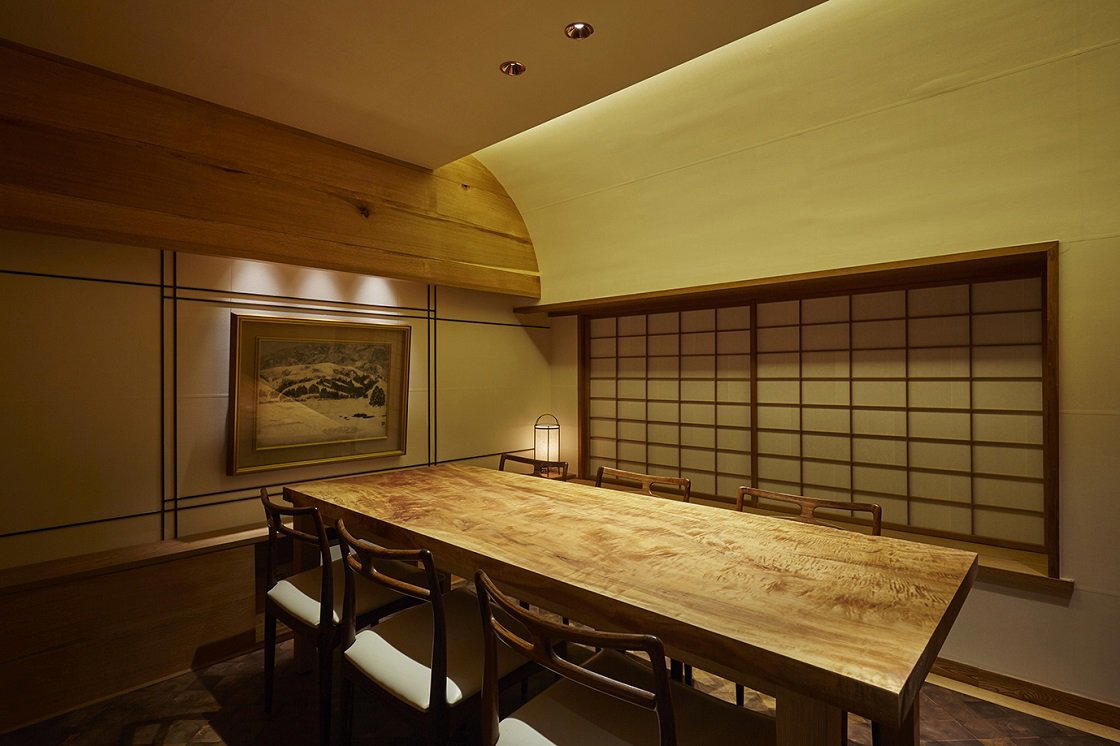


Bars in Osaka
All bars in Osaka →



Hotels in Osaka
All hotels in Osaka →

Wineries in Osaka
Browse all →
TEMPURA HANAGATAMI
The wine
- Extensive wine list
- Sommelier-led
- Sake program
Details
- Elegant
- Sophisticated
- Intimate
- Classic
- Special Occasion
- Date Night
- Celebration
- Business Dinner
- Solo
- Chefs Counter
- Open Kitchen
- Garden
- Hotel Restaurant
- Private Dining
- Sake Program
- Sommelier Led
- Extensive Wine List
- Local Sourcing
- Garden
- Counter Dining
- Omakase
- A La Carte
- Set Menu
- Sake
- Wine
- Vegetarian Friendly
- Allergy Accommodating
Current opening hours
- Monday
- 11:30 AM–3 PM, 5:30–9 PM
- Tuesday
- 11:30 AM–3 PM, 5:30–9 PM
- Wednesday
- Closed
- Thursday
- 11:30 AM–3 PM, 5:30–9 PM
- Friday
- 11:30 AM–3 PM, 5:30–10 PM
- Saturday
- 11:30 AM–3 PM, 5:30–10 PM
- Sunday
- 11:30 AM–3 PM, 5:30–9 PM
Hours can change for holidays and private events. Hours as of .
Serene and elegant setting with refined Japanese aesthetics; the tempura counter overlooks a Japanese garden with soft, sophisticated lighting that creates an intimate dining experience.