Our verdict
Saboten (新宿さぼてん) sits on the fourth floor of Narita Airport's Terminal 1, positioning the Shinjuku-origin tonkatsu chain within reach of travellers at one of Japan's busiest international gateways. The menu centres on breaded, deep-fried pork cutlets in the style that defined Tokyo's modern tonkatsu tradition. It is a reliable, format-driven option when time between flights is limited.

Pearl is the En Primeur Club membership app, where members save venues, book tables and use the concierge.
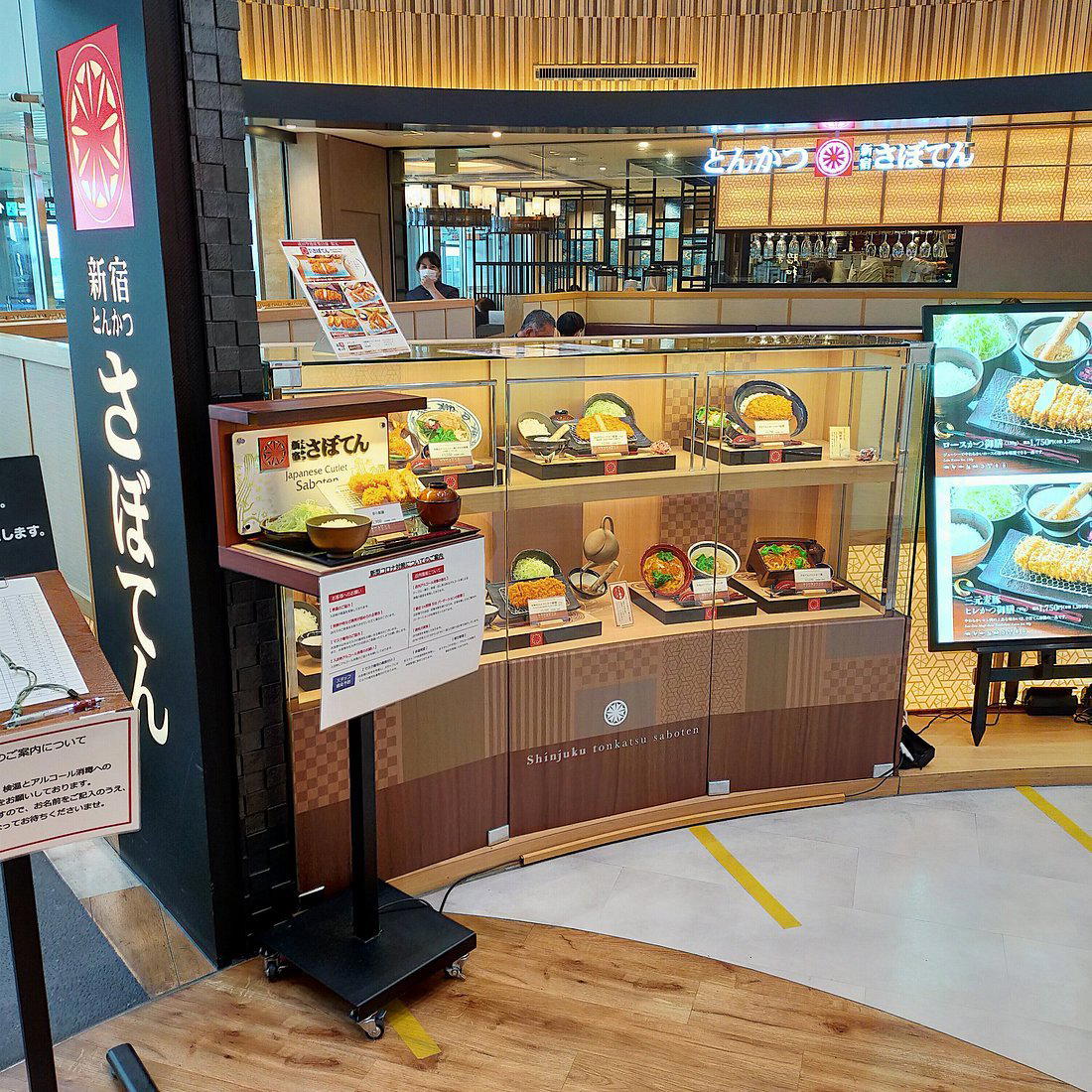
The menu
What to order
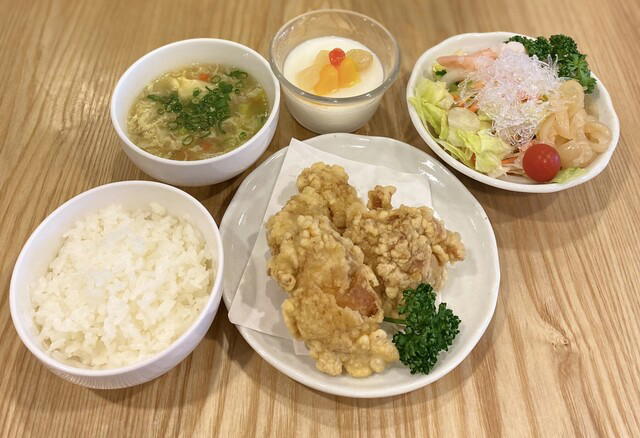
- Saboten special assorted combo
- Loin cutlet
- Filet medallion cutlet
- Crab Cream Croquette
Tonkatsu at 30,000 Feet of Altitude Thinking: What Airport Dining Reveals About Japanese Food Culture
Most airport restaurant floors around the world function as holding patterns for passengers who have run out of options. Terminal 1 at Narita International Airport operates differently. The fourth-floor dining zone draws not just transiting travellers but also airport staff and day visitors from the surrounding Chiba region, which means the restaurants there face a more demanding audience than a captive departure-lounge crowd. Saboten (新宿さぼてん), the Shinjuku-origin tonkatsu chain, sits within that context on the fourth floor at the address 三里塚御料牧場1-1, and its presence in this location tells you something useful about how Japan's casual dining chains compete and where tonkatsu fits in the national food hierarchy.
The Architecture of a Tonkatsu Menu
Tonkatsu is one of the more architecturally legible cuisines in Japan. The menu logic at any serious tonkatsu establishment follows a clear hierarchy: cut, thickness, and pork breed determine price and prestige, while secondary components, the shredded cabbage, the sesame-grinding station, the dashi-based miso soup, act as fixed coordinates around which the main protein is presented. The format is spare and intentional. There is no ambiguity about what you are ordering or why each element appears on the tray.
Saboten's chain-wide menu has historically been structured around the contrast between standard loin (rosu) and tenderloin (hire) cuts, each available at varying weights. This is the same bifurcation you find across the tonkatsu tier in Tokyo, from neighbourhood counters in Yotsuya to the more formal dining rooms that have earned critical recognition. The loin delivers fat-threaded richness and a crunchier exterior; the tenderloin runs leaner and is favoured by those who prioritise texture precision over flavour depth. Neither is superior in absolute terms; the choice is a statement about what you want the dish to be. Saboten's menu makes that decision visible to the diner, which is the correct approach for a cuisine where cut selection is the primary editorial act before the kitchen takes over.
The breading technique is the other variable that separates tonkatsu operations from one another. Panko breadcrumbs are standard across the category, but coarseness, application pressure, and oil temperature at frying determine whether the crust fractures cleanly or holds moisture it shouldn't. Chains at the Saboten price tier tend to invest in consistent frying protocols across locations, which is why airport branches of established tonkatsu chains often outperform ad hoc airport restaurants that lack the same procedural discipline.
Narita's Dining Floor in the Broader Japan Airport Context
Japan's major international airports have long used their dining floors to signal something about the country's food culture to arriving and departing passengers. Haneda's international terminal is frequently cited for its density of credentialled dining options. Narita's Terminal 1 fourth floor occupies a middle position in that spectrum, offering a range of established chain formats that collectively represent a fair cross-section of accessible Japanese food categories: ramen, soba, unagi, tonkatsu, and regional specialities.
Within that line-up, tonkatsu holds a specific position. It is a Western-influenced dish (the word itself derives from the French côtelette) that Japan has so thoroughly domesticated over the past century that it now reads as quintessentially local. Ordering it at an airport before departing Japan or after arriving is, for many travellers, a deliberate act of cultural placement. Saboten, with its Shinjuku roots and national chain infrastructure, is legible enough as a brand that it functions as a reliable reference point within the category, much as Ippudo (一風堂) does for ramen or Ginza Kagari (銀座 篝) does for chicken broth noodles in the Narita airport context.
For travellers interested in unagi or more regionally specific options within Narita, Kikukawa (うなぎ四代目菊川) and Mitsumoto Tei (三本亭) represent different points on the local dining map, as does Japanese Ramen Tomita (日本の中華そば富田) for those whose preference runs toward broth-based formats. The full picture of what Narita's dining scene offers is covered in our full Narita restaurants guide.
Where Tonkatsu Chains Sit Relative to Japan's Fine Dining Register
The same country that produces HAJIME in Osaka, Harutaka in Tokyo, Gion Sasaki in Kyoto, and akordu in Nara also operates a parallel system of category-specialist chains where execution discipline substitutes for creative ambition. Tonkatsu chains function within that second register. The craft lies in procurement and process rather than in improvisation, and the leading operators in the category, including Saboten at its strongest, demonstrate that consistency at scale is its own form of culinary competence.
That distinction matters when calibrating expectations. You are not coming to a Saboten airport branch looking for the creative restlessness you might find at Goh in Fukuoka or the technical ambition of Atomix in New York City or the precise seafood intelligence of Le Bernardin in New York City. You are looking for a clearly structured meal built around a reliable technique, delivered on a schedule that accommodates a flight. On those terms, the category and the format are well matched to the location.
Japan's regional dining culture also extends to less-trafficked destinations: 三本木川魚店 in Nanao, 古代山乃井 in Sapporo, 湖畔荘ばんや in Takashima, 庄羽屋 in Nishikawa Machi, and Birdland in Sakai each represent the kind of location-specific dining that airport restaurants necessarily compress into a more standardised format. The trade-off is explicit and, at its finest, honest.
Planning Around It
The fourth-floor position within Narita Terminal 1 means Saboten sits post-security for departing passengers and is accessible to arriving international travellers who exit into the terminal building before ground transport. Given the scale of Terminal 1 and the volume of international traffic moving through Narita, the dining floor can see queues during peak morning and late-afternoon departure windows; arriving outside those periods, typically mid-morning or early evening, generally means shorter waits. No booking is taken or required at a counter format like this; availability is walk-in and managed by seat turnover. Specific hours, current pricing, and any menu variations are best confirmed on arrival, as chain locations in airport terminals can operate on modified schedules relative to street-level branches.
Frequently asked questions
Is Saboten (新宿さぼてん) suitable for children?
Tonkatsu is one of the more child-friendly formats in Japanese cuisine: breaded, fried pork cutlets with rice and miso soup are familiar in texture and mild in seasoning. Saboten's counter and table format at Narita Terminal 1's fourth floor is a tray-service environment, which makes it manageable with younger passengers. The chain format also means meals move at a reliable pace, useful when working around flight schedules.
What kind of setting is Saboten (新宿さぼてん)?
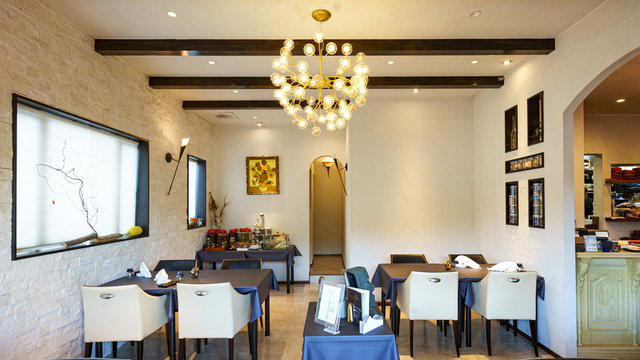
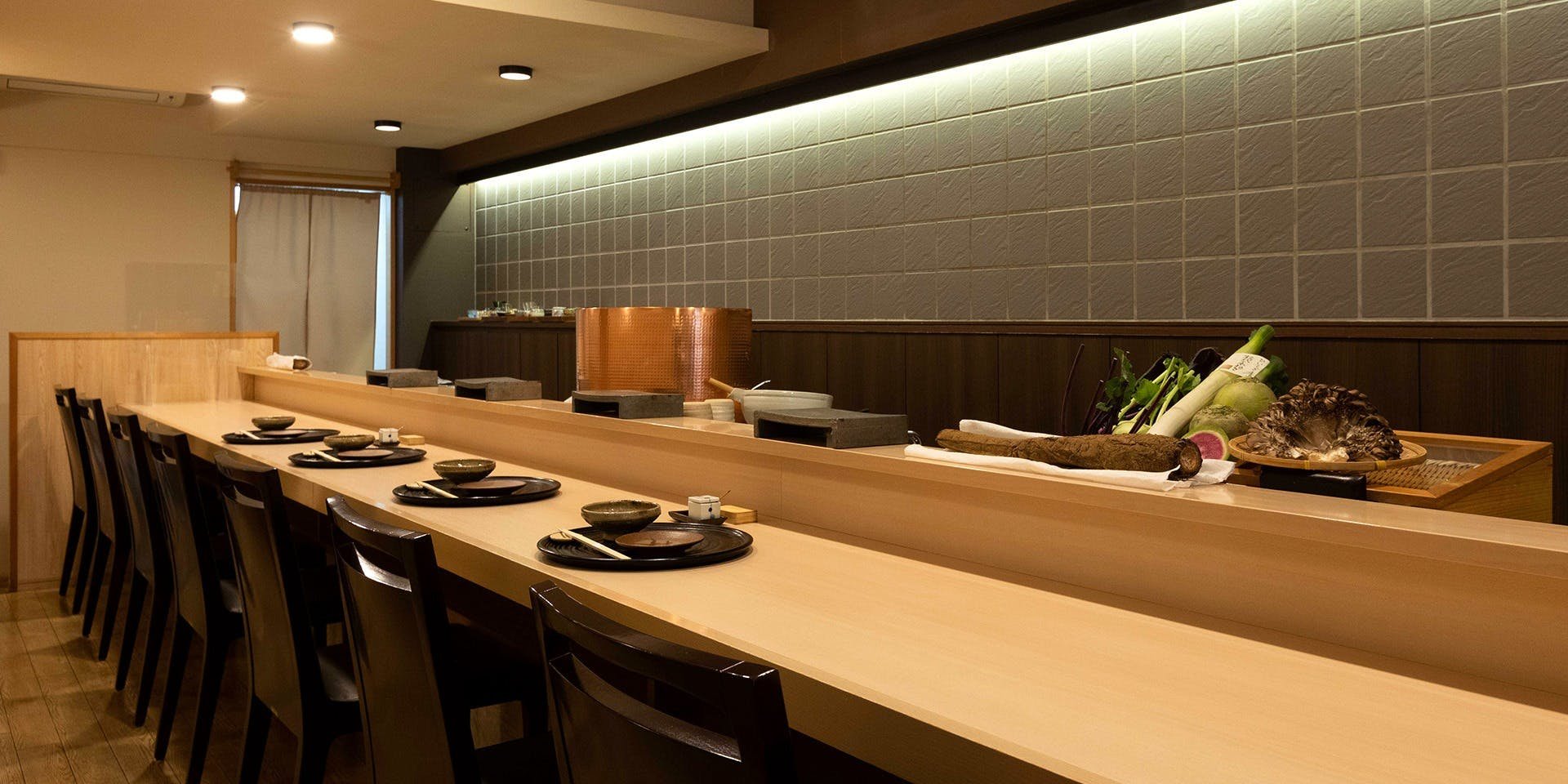
Saboten occupies the fourth floor of Narita Airport Terminal 1, placing it in a post-security dining corridor used by departing international passengers and accessible to arrivals. The setting is a well-lit, functional airport restaurant floor rather than a destination dining room. Expect counter seating alongside standard tables, with the operational tempo of an airport chain: efficient, consistent, and calibrated for turnover.
Is Saboten at Narita Airport the same as the Shinjuku Saboten chain found across Japan?
Yes. Saboten (新宿さぼてん) is a nationally distributed tonkatsu chain founded in Tokyo's Shinjuku district, and the Narita Airport Terminal 1 outpost operates under the same brand and menu framework. The chain now runs well over 100 locations across Japan, including department store food halls and airport terminals. The Narita location functions as a transit-accessible version of the chain rather than a standalone concept.
What's the best thing to order at Saboten (新宿さぼてん)?
Saboten built its reputation across Japan on rosu katsu (fatty loin) and hire katsu (lean fillet), both benchmarks for assessing any tonkatsu chain. The loin cut delivers the better ratio of crust to fat if you want the full effect of the breading; the fillet suits those who prioritise texture without richness. At an airport location, the set meal format including rice, shredded cabbage, and miso soup is the logical order over à la carte additions.
What part of town is Saboten (新宿さぼてん) in?
Saboten (新宿さぼてん) is located at 三里塚御料牧場1-1 (成田空港 第1ターミナル 4F), 成田市, 千葉県, 286-0116, Narita.
How hard is it to get a table at Saboten (新宿さぼてん)?
Saboten at Narita Terminal 1 does not take reservations; seating is walk-in only, as is standard across the chain. Wait times depend almost entirely on flight schedules: the floor gets congested during mid-morning and early-afternoon departure waves, particularly at peak travel periods. Outside those windows, seating is generally available without a meaningful wait.
Credentials Lens
Comparable venues nearby, for context on price, style, and recognition.
| Venue | Cuisine | Price | Notes |
|---|---|---|---|
| Saboten (新宿さぼてん)This venue (the venue you are viewing) | Tonkatsu (Japanese Pork Cutlet) | $10–20 | Not listed |
| Ginza Kagari (銀座 篝) | Chicken Paitan Ramen | $10–20 | Ginza |
| Kikukawa (うなぎ四代目菊川) | Traditional Japanese Unagi (Grilled Eel) | $30–50 | Narita Airport Terminal 2 |
| Ippudo (一風堂) | Tonkotsu Ramen | $10–20 | Narita International Airport |
| Tatsu (日本の大衆食堂 たつ吉) | Japanese Grill & Craft Beer | $10–20 | Narita Airport |
| Japanese Ramen Tomita (日本の中華そば富田) | Japanese Ramen and Tsukemen | $10–20 | Narita |
Continue exploring
More in Narita
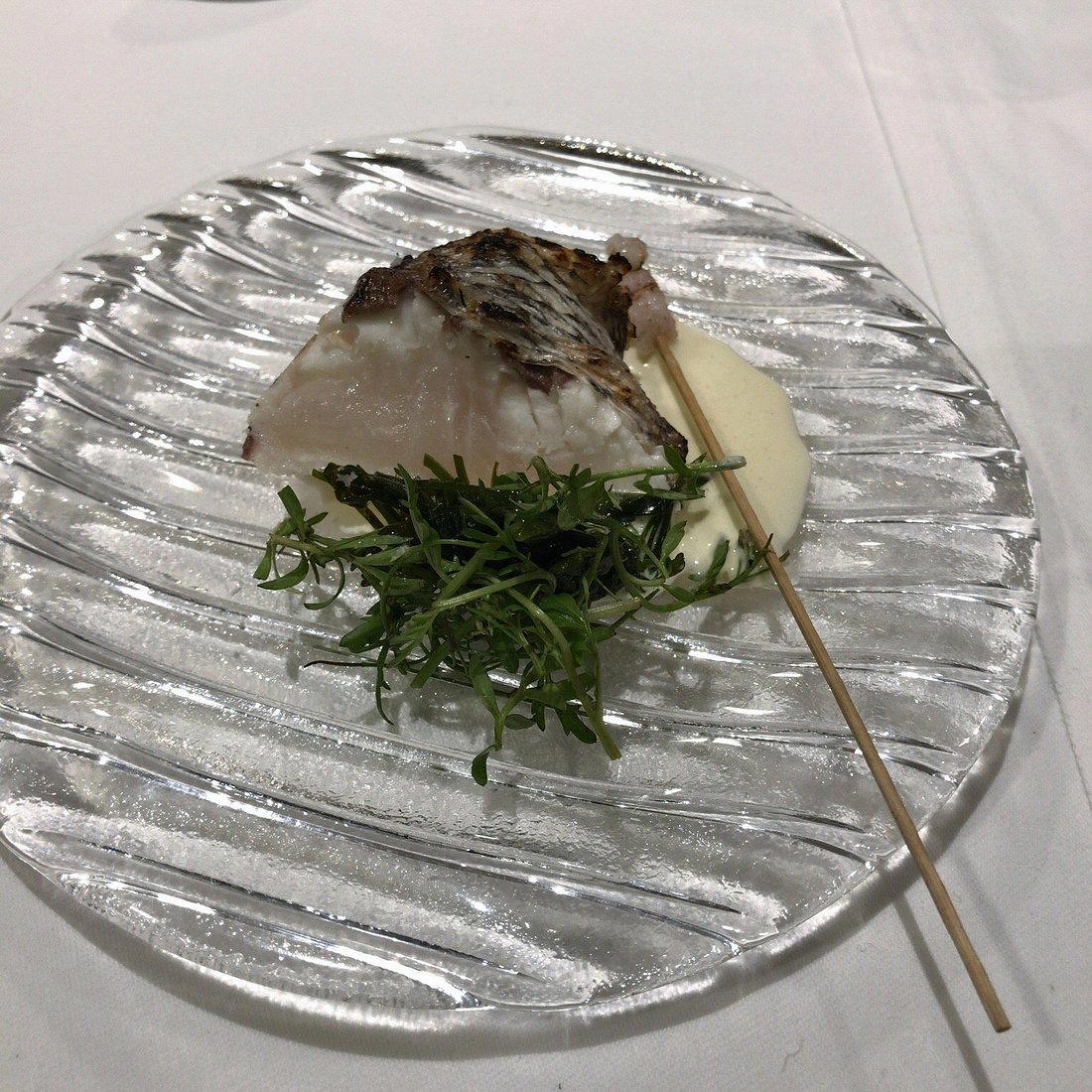
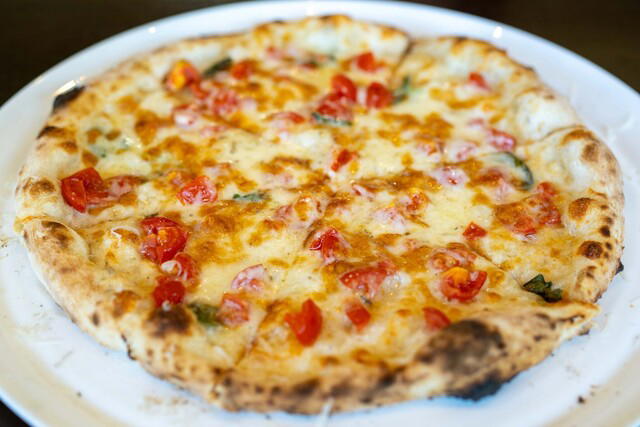
Details
- Casual
- Casual Hangout
- Sake Program
- A La Carte
Calm and relaxed atmosphere suitable for airport travelers, with table and counter seating.