
Torihan Uohan places Narita’s izakaya tradition in a sharper ingredient frame: chicken cuisine with seafood in the mix, backed by a 2025 Tabelog 100 selection for chicken cooking. The draw is not airport convenience alone, but a local dining format that suits groups, families, sake drinkers, and travellers who want a Chiba meal with more context than another station ramen stop.
Pearl is the En Primeur Club membership app — saves, bookings, and concierge access live there. Same editors, same standards.
- Address
- 千葉県成田市花崎町846
- Phone
- +81476224398
- Website
- tabelog.com
 Saves & bookings on Pearl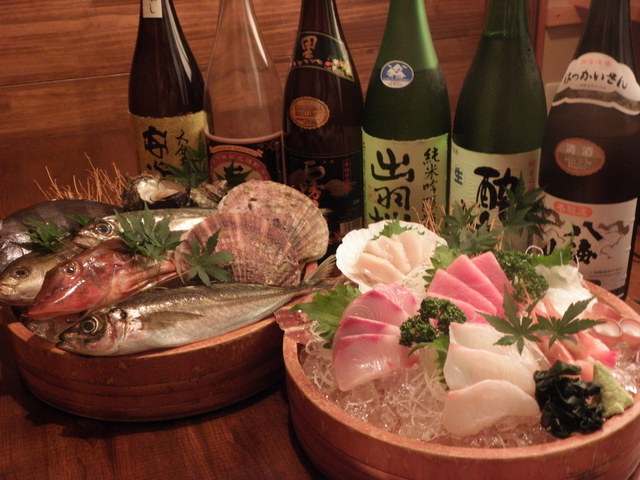
Near Narita Station, strong local rooms announce themselves plainly: lit signs, shoes at the threshold, group tables, and after-work drinking rather than destination-dining theatre. Torihan Uohan fits that register. Its value is the way it connects two Narita strengths: chicken cookery for the table and seafood for drink-led eating. That matters in a city where many visitors pass through on airport schedules and temple routes, then default to whatever is closest to the train gates.
Narita dining is often reduced to transit practicality, but the city has a deeper split. Around the station, quick bowls and casual counters serve movement; izakaya rooms serve those who stay long enough to eat in rounds. For ramen-focused itineraries, Ippudo (一風堂), Japanese Ramen Tomita (日本の中華そば富田), and the comparison point Menya Fukuichi sit in a lower spend band. Torihan Uohan works differently, with an average price of JPY 3,000 - JPY 3,999 and a broader izakaya structure built for shared ordering rather than a single-bowl meal.
Chicken cuisine with seafood keeps the izakaya format local rather than generic
The 2025 Tabelog 100 selection for chicken cuisine is the clearest trust signal, but category discipline is more revealing. Chicken restaurants in Japan range from tight yakitori counters to larger rooms handling fried, simmered, and shared dishes. Torihan Uohan is listed across chicken dishes, seafood, and izakaya, placing it closer to the latter: a flexible dinner room where protein, fish, and drinks move together.
That pairing is functional, not decorative. In izakaya terms, chicken gives groups a reliable backbone, while seafood adds regional and drinking-food depth. The restaurant is specifically marked as particular about fish, and the drinks program includes sake, shochu, wine, and cocktails, with emphasis on sake and shochu. Practically, it reads as a room for sequencing: order in waves, match stronger-flavoured chicken with shochu, keep fish in play with sake, and let the table set the pace.
Against Narita’s casual options, the distinction is format more than polish. Ginza Kagari (銀座 篝) and ramen specialists answer narrow cravings. Kikukawa (うなぎ四代目菊川) points toward eel and a more singular Japanese meal. Halal Dosa Biryani shows how international dining fills station-area demand. The restaurant’s argument is broader: a group-friendly Japanese dinner moving between chicken, fish, and alcohol without becoming a tasting menu or quick-service stop.
The room suits Narita's mixed audience: locals, families, and travellers between trains
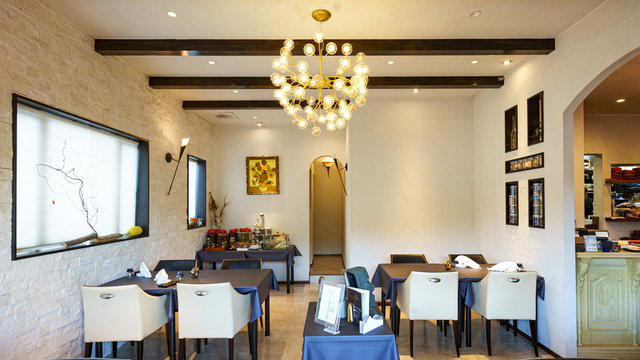
The scale is larger than a counter-led specialist. The restaurant lists 80 seats, including four counter seats, with private rooms for small and large parties. Table seating and sunken kotatsu-style seating point to a social format rather than a solo counter ritual. Children are welcome, and the occasion profile leans toward family and friends, giving the room a different energy from the smaller bars and narrow counters common in Japanese station districts.
That is useful in Narita. Visitors often arrive with luggage, mixed appetites, or multigenerational groups after Naritasan Shinshoji and Omotesando. A strict counter meal can be awkward; a larger izakaya with private rooms lets a group eat Japanese food without forcing one dish category. The English multilingual menu lowers friction for travellers, though the rhythm remains Japanese: shared plates, drinks, and a dinner-hour room.
The comparison set reinforces the positioning. Tekoteko appears in a lower JPY 2,000 - JPY 2,999 range, while Pizzeria Positano moves higher at dinner and shifts toward Italian. Surugaya sits near JPY 4,000 - JPY 4,999 and belongs to another local tradition. The restaurant lands in the middle, with award recognition giving it more editorial weight than a generic station izakaya. For a broader map of the city’s dining choices, Our full Narita restaurants guide is the cleaner starting point; for extended stays, Our full Narita hotels guide, Our full Narita bars guide, Our full Narita wineries guide, and Our full Narita experiences guide fill out the plan.
How to read it against Japan's broader casual dining scene
Japan’s premium food conversation often drifts toward omakase counters, chef-led kappo rooms, and reservation-heavy Tokyo dining. The restaurant sits in a more democratic but still curated lane: regional station-city izakaya with a category award attached. Tabelog’s 100 selections often surface places not built for international fine-dining narratives yet important within a genre. Here, the genre is chicken cuisine, not luxury sushi or kaiseki.
The no-smoking policy, with a smoking area by the entrance, reflects updated expectations around casual dining in Japan. Credit cards are accepted for Visa and Master, while electronic money and QR code payments are not listed. Take-out and BYO drinks are listed services, with advance contact required for bringing drinks and separate charges applying. These details describe a practical, locally used restaurant rather than a room engineered only for inbound tourism.
For wider Japan itineraries, the useful comparison is not only within Narita. Ingredient-led casual dining appears in many registers, from beef sukiyaki at -Grilled beef Sukiyaki- KAMAKURA TANUKIAN 鎌倉 たぬき庵 in Kamakura to seafood-and-charcoal formats such as. 鮪と炭火焼き うお炭 秋葉原店 in Tokyo, cafe culture at.cafe in Osaka, contemporary drinking rooms like.know in Kumamoto, and specialist curry at [Curry Senmon Ten] Maruyama Kyoju. in Sapporo. Outside Japan, the same ingredient-and-drink logic carries differently at Jōdo Saké Bar in Los Angeles, Onigiri Time in Pasadena, and (Shoku) Vietnam in Kawasaki.
The editorial call is simple: choose the restaurant when the meal should feel rooted in Narita, not merely convenient to it. The 2025 Tabelog 100 chicken-cuisine selection supplies the credential; the seafood emphasis, sake and shochu orientation, larger room, and family suitability explain why the format works. It is not for a fast solo bowl before a train. It is better for a shared evening meal where chicken anchors, fish keeps the table interesting, and Narita’s local dining habits set the pace.
How It Stacks Up
Comparable venues by cuisine and price in the same metro.
| Venue | Cuisine | Price | Notes |
|---|---|---|---|
| Torihan UohanThis venue — the venue you are viewing | Japanese Izakaya with Chicken & Seafood | $$ | Not listed |
| Japanese Ramen Tomita (日本の中華そば富田) | Traditional Japanese Tsukemen Ramen | $$ | Narita |
| Ginza Kagari (銀座 篝) | Chicken Paitan Ramen | $$ | Ginza |
| Saboten (新宿さぼてん) | Tonkatsu (Japanese Pork Cutlet) | $$ | Narita Airport |
| Surugaya | Traditional Unagi (eel) Restaurant | $$$ | Nakamachi / Naritasan Shinsho-ji Temple approach |
| Mitsumoto Tei (三本亭) | Yoshoku (Japanese Western Cuisine) | $$ | Narita Airport |
Recognition history
Dated appearances from independent guides and award organizations, with the underlying list record or original source where available.
Tabelog 100 #13 · No. 13
Tabelog · Tabelog 100 - Chicken cuisine - 2025
Continue exploring
More in Narita
At a Glance
- Lively
- Cozy
- Classic
- Energetic
- After Work
- Group Dining
- Casual Hangout
- Family
- Celebration
- Solo
- Private Dining
- Standalone
- Sake Program
- Beer Program
- Byob
- Local Sourcing
A classic, slightly tucked-away izakaya with a relaxed, cozy feel, featuring counter seats and tatami/sunken kotatsu private rooms that fill up with lively after-work and group gatherings.