
Menya Fukuichi places Narita’s station-area ramen culture in a serious light: small-format, counter-led, and recognized by Tabelog 100 Ramen EAST in 2017 and 2025. The draw is less airport convenience than regional credibility, with ramen, abura-soba, maze-soba, and brothless tantan-men defining a compact Chiba shop built for focused eating rather than lingering.
Pearl is the En Primeur Club membership app — saves, bookings, and concierge access live there. Same editors, same standards.
- Address
- 千葉県成田市花崎町846-15
- Phone
- +81476221978
- Website
- ameblo.jp
 Saves & bookings on Pearl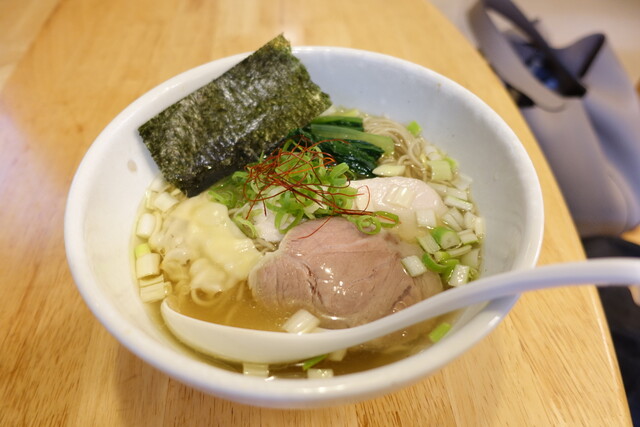
Approaching the station side of Narita, the city shifts quickly from temple-town procession to commuter rhythm: narrow streets, train lines, compact storefronts, and the kind of ramen rooms where the counter does the heavy lifting. Menya Fukuichi belongs to that Japanese tradition of small shops that make little distinction between everyday price and serious craft. The format is modest, but the signal is not: selection for Tabelog 100 Ramen EAST in both 2017 and 2025 places it in a curated field where consistency matters more than spectacle.
Narita’s dining identity is often flattened into airport transit and omotesando eel lunches, yet the better read is more varied. The city has a strong unagi thread, casual izakaya cooking, sweets for temple visitors, and a practical ramen culture serving locals, solo diners, families, and travelers timing trains. Menya Fukuichi sits inside that everyday ecosystem rather than outside it. For a wider snapshot of the city’s food options, Our full Narita restaurants guide maps the broader field, from ramen counters to unagi houses and informal drinking rooms.
Narita ramen, judged by repeatability rather than ceremony
Ramen in Japan rewards specialization at several levels: the soup shop, the tsukemen specialist, the abura-soba counter, the tantan-men room, the late-night chain. The Narita market adds another pressure, because the city has both local routines and transient demand. A serious station-area ramen shop must work for a weekday lunch, a solo dinner, and a traveler who has one meal before moving on. That is a different test from a reservation-led Tokyo counter, where scarcity itself becomes part of the theatre.
The category range here matters. Ramen, abura-soba, maze-soba, and brothless tantan-men point to a shop operating across the contemporary noodle vocabulary rather than only one classic bowl. In Japanese ramen culture, that range carries a specific meaning: broth is not the sole measure of ambition. Sauce, fat, spice, noodle texture, and mixing technique have become equally important, especially in abura-soba and maze-soba formats where the diner finishes the dish by combining components at the table. That makes the room useful for readers who want to understand how regional ramen has moved beyond the old shoyu-miso-shio-tonkotsu shorthand.
The recognition is useful because it filters noise. Tabelog’s Ramen EAST 100 list covers a competitive side of the country’s noodle scene, and repeat selection across non-consecutive years says more than a single burst of attention. It suggests a shop that has remained visible after the first wave of interest passed. That distinction matters in ramen, where novelty moves quickly and social media can over-reward limited releases, visual drama, or extreme richness.
A compact counter culture with a broader Narita context
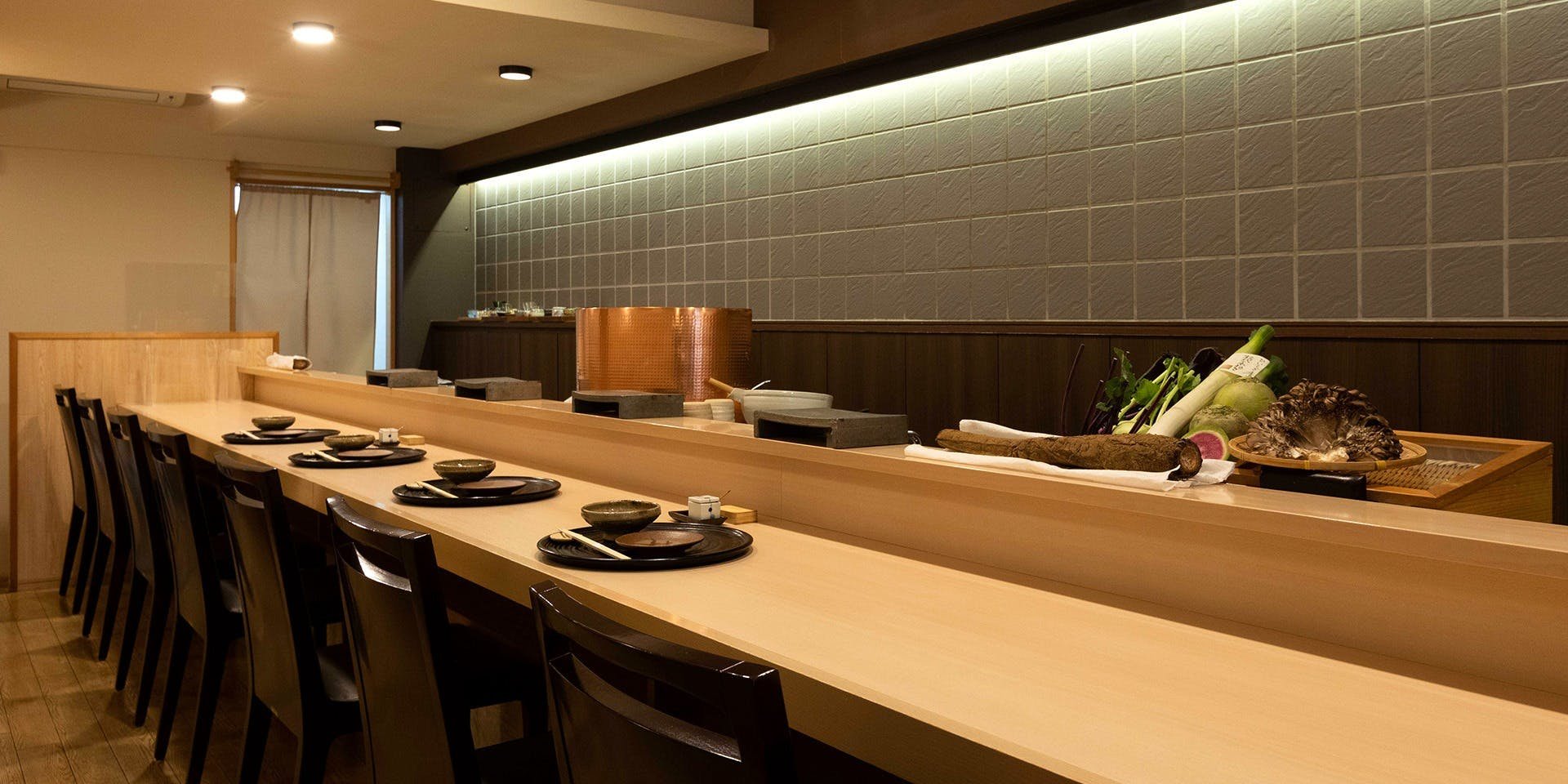
Room’s small scale aligns with a familiar Japanese ramen grammar: counter seating, short dwell time, and a focus on the bowl rather than table service. This is not the same Narita experience as a slower eel lunch at Kikukawa (うなぎ四代目菊川), nor does it occupy the same spending lane as Surugaya in the local comparison set. It also differs from the more standardized comfort of Ippudo (一風堂), where brand familiarity is part of the appeal. Menya Fukuichi reads as the local, compact alternative: less polished, more rooted in the station neighbourhood, and more dependent on repeat local trust.
For travelers comparing a quick Narita meal, the city offers several useful contrasts. Ginza Kagari (銀座 篝) brings a Tokyo-born ramen name into the airport-city orbit, while Japanese Ramen Tomita (日本の中華そば富田) signals the draw of a recognized Chiba noodle lineage. Halal Dosa Biryani shows another side of Narita’s traveler-facing food culture, where dietary access and airport movement shape demand. These comparisons make the point clearly: Narita is not just a pre-flight convenience zone. It is a compact food city with sharply different use cases packed close together.
Against local comparison venues, the price tier is also part of the editorial story, even if the body of the experience is more important than the bill. Torihan Uohan and Tekoteko sit in higher casual-dining lanes, Pizzeria Positano moves into a broader restaurant spend, and Kintoki no Amataro Yaki represents the low-cost snack end of temple-town eating. The ramen counter occupies a middle position: inexpensive enough for routine use, serious enough to earn repeat attention from ramen-focused diners.
How to place it in a Narita itinerary
The strongest reason to prioritize this kind of shop is cultural literacy. A visitor who only eats eel near the temple or defaults to airport dining misses how Japanese station towns actually feed themselves. Ramen counters are part of that infrastructure: quick, specialized, often deeply local, and built around solo comfort as much as group dining. Menya Fukuichi gives Narita a ramen address with outside recognition, but its real value is how naturally it fits the city’s rhythm.
The practical read is simple. This is better treated as a focused noodle stop than as a long meal. It suits solo dining, a small group, or a family that is comfortable with compact Japanese restaurant pacing. The non-smoking policy and children-welcome note broaden its usefulness, while the counter-led layout keeps expectations grounded. Readers building a fuller stay can pair the food planning with Our full Narita hotels guide, then decide whether the evening calls for Our full Narita bars guide, Our full Narita wineries guide, or Our full Narita experiences guide.
Across Japan, the same lesson appears in different forms: regional food culture is often easiest to read through modest rooms with a clear specialty. For other points of comparison, the national spread runs from -Grilled beef Sukiyaki- KAMAKURA TANUKIAN 鎌倉 たぬき庵 in Kamakura to. 鮪と炭火焼き うお炭 秋葉原店 in Tokyo,.cafe in Osaka,.know in Kumamoto, (Shoku) Vietnam in Kawasaki, and [Curry Senmon Ten] Maruyama Kyoju. in Sapporo. Even outside Japan, focused casual formats carry similar editorial weight, from Jōdo Saké Bar in Los Angeles to Onigiri Time in Pasadena. The point is not luxury; it is clarity of purpose.
Pricing, Compared
Nearby venues at a similar price tier for orientation.
| Venue | Cuisine | Price | Awards | Notes |
|---|---|---|---|---|
| Menya FukuichiThis venue — the venue you are viewing | $ | , | ||
| Ginza Kagari (銀座 篝) | Ginza, Chicken Paitan Ramen | $$ | , | |
| Torihan Uohan | $$ | , | Narita, Japanese Izakaya with Chicken & Seafood | |
| Surugaya | $$$ | , | Nakamachi / Naritasan Shinsho-ji Temple approach, Traditional Unagi (eel) Restaurant | |
| Kintoki no Amataro Yaki | $ | , | near Narita Station / Naritasan Omotesando, Traditional Japanese Obanyaki / Manju Sweet Shop | |
| Mitsumoto Tei (三本亭) | $$ | , | Narita Airport, Yoshoku (Japanese Western Cuisine) |
Continue exploring
More in Narita
At a Glance
- Cozy
- Lively
- Hidden Gem
- Solo
- Casual Hangout
- Late Night
- After Work
- Standalone
Compact ramen shop with counter-focused seating and a casual, bustling atmosphere typical of popular local ramen-ya near a train station.