
Narita’s airport-adjacent dining scene is often read through ramen, eel, and quick transit meals, but its South Asian cooking has a serious local marker here. Halal Dosa Biryani brings Indian, Indian curry, and Pakistani cooking into an Aeon Mall food-court format, with Tabelog Asian cuisine and Ethnic cuisine EAST Tabelog 100 selections in 2022, 2023, and 2024.
Pearl is the En Primeur Club membership app — saves, bookings, and concierge access live there. Same editors, same standards.
- Address
- 24 Uingutsuchiya, Narita, Chiba 286-0029, Japan
- Phone
- +81 476-37-8045
- Website
- tabelog.com
- Directions
- Get directions
 Saves & bookings on Pearl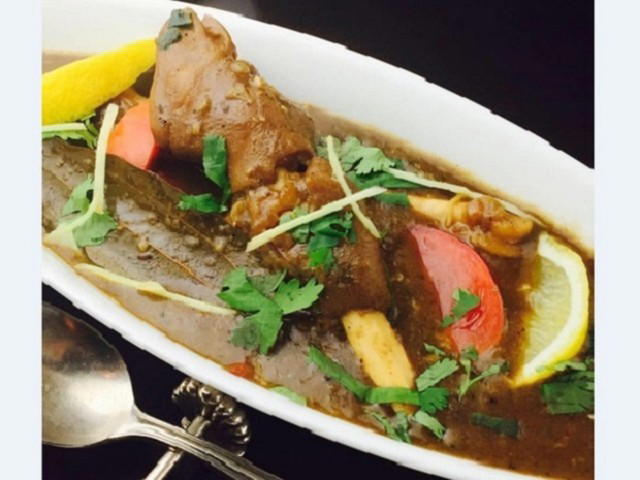
The approach is not theatrical: escalators, mall signage, families between errands, and the democratic clatter of a food court. That setting matters. In Narita, where meals are shaped by airport timing and temple-town day trips, South Asian cooking must be legible, quick to order, and broad enough for solo travelers, families, and local regulars. Halal Dosa Biryani sits inside that practical rhythm.
Narita’s dining shorthand runs through noodles, grilled eel, and sweets near the station and Shinshoji temple routes. Its restaurant map also includes transit-friendly branches and mall counters, a casual format easy to underestimate. Yet Japan’s serious curry and South Asian food culture has long been built through modest rooms and commercial complexes as much as chef-led dining rooms. The useful question is not whether the room feels grand, but whether the cooking has enough identity to register beyond convenience.
South Asian cooking in a Narita format built for movement
The menu category is the clue: Indian, Indian curry, and Pakistani. That combination places the restaurant in Japan’s broader South Asian category, where rice, breads, spice gravies, and halal considerations overlap for a mixed audience. Sourcing here is less about named farms or rare produce than pantry discipline. South Asian kitchens rise or fall on dried spices, rice handling, lentils, flours, and keeping heat, sourness, fat, and grain in proportion across dishes for different occasions.
In a food court, that discipline shows through range rather than ceremony. Dosa points to fermented rice-and-lentil batter and South Indian technique; biryani makes rice the main event, not a side dish; curry fits the Japanese diner’s most familiar South Asian frame; Pakistani cooking adds meat, spice, and bread-culture gravitas. The point is not fusion, but a compact vocabulary of regional references translated into a mall setting where customers may have twenty minutes or may linger with children.
The Tabelog Asian cuisine and Ethnic cuisine EAST Tabelog 100 selections in 2022, 2023, and 2024 give that format a sharper credential. Tabelog’s Hyakumeiten lists tend to reward category specialists across Japan, not only formal dining rooms, which is why a Narita mall counter can sit in conversation with more destination-led ethnic restaurants. The 3.61 rating also signals local approval in a crowded casual ethnic market where score inflation is not automatic.
That recognition changes how to read the place. It is less useful to compare it with Narita’s higher-spend eel or izakaya meals, where the night centers on one cuisine tradition and a slower table. Better comparison points are the city’s practical meal circuit: ramen, curry, sweets, and station-adjacent counters competing for travelers who do not want a long sit-down meal. Within that set, the South Asian pantry gives the meal more breadth than a single-bowl stop.
How it fits Narita's casual restaurant map
Narita’s airport geography creates specific dining pressure. Visitors arrive with luggage, jet lag, or train schedules; locals use the same commercial zones for family shopping and weekday meals. Restaurants in malls and around the station can matter more than their setting suggests because they serve the city’s actual tempo, not a romantic version of it.
For a ramen-led read, Ginza Kagari (銀座 篝), Ippudo (一風堂), and Japanese Ramen Tomita (日本の中華そば富田) show how airport-area Narita absorbs established noodle brands and high-recognition formats. Kikukawa (うなぎ四代目菊川) pulls the map toward eel, a more traditional Chiba and temple-route meal, while Kintoki no Amataro Yaki represents the city’s quick sweet-stop logic. Against that mix, Halal Dosa Biryani gives Narita a halal-friendly South Asian option with enough recognition to plan around rather than treat as fallback.
The comparison venues underline the price-and-format spread. Surugaya occupies a higher local spend band, Torihan Uohan sits in a dinner-oriented bracket, and Menya Fukuichi competes in the everyday noodle economy. Kintoki no Amataro Yaki is closer to snack pricing than a full meal. The South Asian counter belongs to the accessible middle, where the decision is less about occasion than appetite, dietary fit, and timing.
Travelers building a fuller Narita itinerary can use Our full Narita restaurants guide for dining, then widen the trip through Our full Narita hotels guide, Our full Narita bars guide, Our full Narita wineries guide, and Our full Narita experiences guide. The broader Japan file helps calibrate casual dining across regions too: -Grilled beef Sukiyaki- KAMAKURA TANUKIAN 鎌倉 たぬき庵 in Kamakura. 鮪と炭火焼き うお炭 秋葉原店 in Tokyo.cafe in Osaka.know in Kumamoto, (Shoku) Vietnam in Kawasaki, and [Curry Senmon Ten] Maruyama Kyoju. in Sapporo all show how specific formats travel through different cities. Outside Japan, Jōdo Saké Bar in Los Angeles and Onigiri Time in Pasadena offer a reverse lens on how Japanese and Asian casual formats are reframed abroad.
Who should choose it
This is a smart choice for travelers wanting South Asian food in Narita without a long meal, and for families needing a flexible room rather than a hushed counter. The 50-seat food-court setup, non-smoking policy, children-welcome listing, and mall parking make it functionally easier than many small urban curry shops. The absence of private rooms or private-use format sets expectations: open, casual, shared-space dining.
The editorial case is strongest for diners who value category credibility over luxury atmosphere. Narita already has plenty of meals built around local Japanese staples and airport convenience. Halal Dosa Biryani adds halal-friendly South Asian cooking, recognition within an eastern Japan ethnic-cuisine list, and a setting that fits the city. That combination is more useful than polished theatrics, especially where the next train, shuttle, or family errand often decides lunch.
How It Stacks Up
Comparable venues by cuisine and price in the same metro.
| Venue | Cuisine | Price | Notes |
|---|---|---|---|
| Halal Dosa Biryani | Halal South Indian & Pakistani Curry House | $ | Aeon Mall Narita |
| Japanese Ramen Tomita (日本の中華そば富田) | Traditional Japanese Tsukemen Ramen | $$ | Narita |
| Torihan Uohan | Japanese Izakaya with Chicken & Seafood | $$ | Narita |
| Pizzeria Positano | Italian Pizza | $$ | Hanazakicho |
| Kintoki no Amataro Yaki | Traditional Japanese Obanyaki / Manju Sweet Shop | $ | near Narita Station / Naritasan Omotesando |
| Ippudo (一風堂) | Tonkotsu Ramen | $ | Narita International Airport |
Recognition history
Dated appearances from independent guides and award organizations, with the underlying list record or original source where available.
Tabelog 100 #8 · No. 8
Tabelog · Tabelog 100 - Asian cuisine / Ethnic cuisine - EAST - 2024
Continue exploring
More in Narita
At a Glance
- Lively
- Casual
- Casual Hangout
- Family
- Solo
- Group Dining
- After Work
- Standalone
Current opening hours
- Monday
- 10 AM–8:30 PM
- Tuesday
- 10 AM–8:30 PM
- Wednesday
- 10 AM–8:30 PM
- Thursday
- 10 AM–8:30 PM
- Friday
- 10 AM–8:30 PM
- Saturday
- 10 AM–8:30 PM
- Sunday
- 10 AM–8:30 PM
Hours can change for holidays and private events. Last verified .
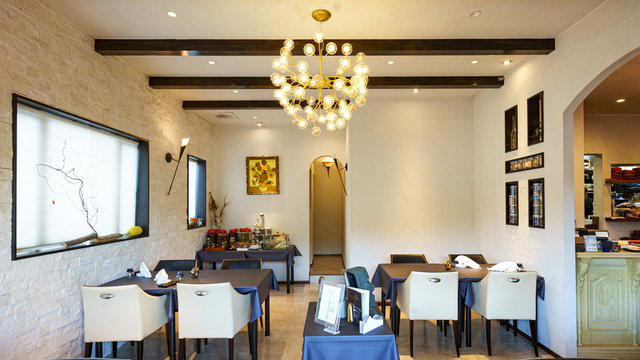
Bright, casual food-court setting inside Aeon Mall Narita with clean, functional seating and a busy, high-traffic atmosphere suited to quick meals during shopping or travel layovers.