
Narita’s dining map is not only airport-adjacent ramen and unagi; its stronger addresses also include small-format Italian rooms that take sourcing and wine seriously. Pizzeria Positano brings pizza, pasta, take-out, a sommelier-listed drinks program, and Tabelog Pizza 100 recognition into a 26-seat format near Narita Station, with family use and date-night dining both in range.
Pearl is the En Primeur Club membership app — saves, bookings, and concierge access live there. Same editors, same standards.
- Address
- 533 Hanazakicho, Narita, Chiba 286-0033, Japan
- Phone
- +81 476-24-1727
- Website
- pizzeria-positano.jp
 Saves & bookings on Pearl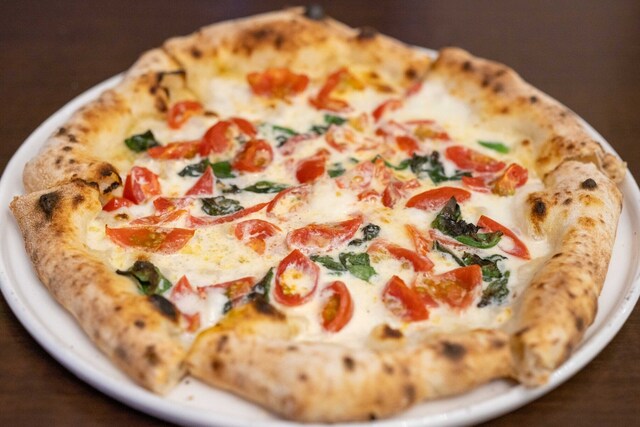
Approaching Hanazakicho from the station side, the dining rhythm changes quickly: commuter movement, temple-bound visitors, and airport stopover traffic all fold into a compact restaurant district where small rooms have to be clear about what they do. In that setting, pizza is not a novelty category. It competes with ramen, unagi, izakaya cooking, and quick sweets for travelers who may have one serious meal in Narita before a flight or train.
Pizzeria Positano belongs to the smaller Italian tier in that mix: 26 seats, pizza and pasta as the core categories, a first-floor takeaway function, and a second-floor restaurant format. The award signal matters here. Selection for Tabelog Pizza 100 in 2025, with earlier selection in 2023, places it inside Japan’s specialist pizza conversation rather than the broader casual-Italian pack. That distinction is useful in Narita, where many visitors default to speed and convenience; this is a case for slowing down without turning dinner into a formal tasting-menu event.
Pizza in Narita works when the sourcing does the talking
Ingredient sourcing is the quiet test of a Japanese pizzeria. The category has matured well beyond imported imagery of Naples: serious rooms now have to reconcile flour, tomato, dairy, char, wine, and service tempo with local expectations for precision. The stronger Japanese pizza restaurants tend to treat the dough and toppings as a controlled system rather than a vehicle for abundance. Pizzeria Positano’s public positioning around pizza, pasta, Italian cooking, wine, cocktails, and sommelier service points to that more disciplined model.
That matters because Narita is not Tokyo, and it should not be judged as a Tokyo annex. The city’s restaurant economy is shaped by Naritasan Shinshoji traffic, station turnover, airline schedules, and local repeat use. A pizza restaurant here has to work for several audiences at once: families, dates, friends, takeaway customers, and diners who are choosing wine with dinner. The Italian format gives it flexibility, but Tabelog Pizza 100 recognition narrows the claim: the pizza program is the anchor, not a side category.
Compared with the local price field, the positioning is clear. Menya Fukuichi sits in a lower ramen bracket around JPY 1,000 to JPY 1,999, Tekoteko occupies a more casual JPY 2,000 to JPY 2,999 band, and Surugaya pushes into a JPY 4,000 to JPY 4,999 unagi-adjacent bracket. Pizzeria Positano’s dinner range of JPY 5,000 to JPY 5,999 puts it at a higher casual-dining level for Narita, which makes the sourcing, drinks, and pacing more relevant than portion value alone.
A compact room with takeaway below and restaurant pacing above
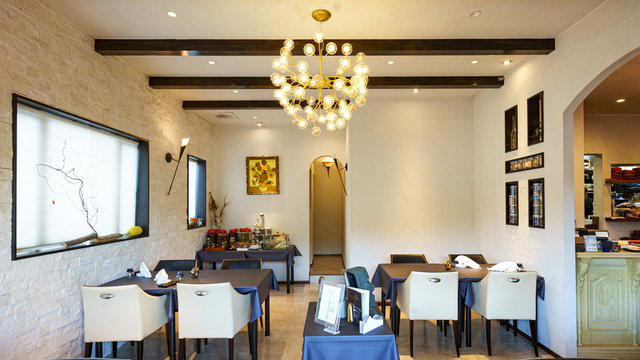
The split format is the useful clue. A first-floor takeaway pizza shop changes the building’s relationship with the street; the second-floor restaurant gives the meal more time. That combination suits Narita better than a purely formal dining room would. Travelers can read it quickly, locals can use it repeatedly, and families are not forced into ceremonial service. Children are welcome, private rooms are not part of the setup, and the room’s scale keeps the experience closer to a neighborhood Italian address than a hotel dining room.
The wine signal also separates it from simpler station-area eating. Wine and cocktails are listed, with sommelier service noted, which gives the room a different center of gravity from quick ramen or snack-led dining. This is where the ingredient angle becomes practical: pizza with a considered wine program asks diners to think in terms of acidity, fat, salt, and heat rather than only toppings. Pasta broadens the table, but the reason to prioritize the address is the pizza-and-wine structure.
For travelers building a Narita food day, the contrast is useful. Ramen seekers can look to Ippudo (一風堂), Ginza Kagari (銀座 篝), or Japanese Ramen Tomita (日本の中華そば富田); eel has its own gravitational pull at Kikukawa (うなぎ四代目菊川); broader South Asian cravings can point toward Halal Dosa Biryani. Against that field, the restaurant is the choice when the meal should feel ingredient-led but not ceremonial.
Where it fits in a Narita itinerary
The logistics favor a station-based plan: the restaurant is near Narita Station and Keisei Narita Station, with no on-site parking and paid parking nearby. Service runs mainly in the evening on weekdays, while lunch is a weekend and public-holiday proposition; Monday closure patterns can vary, so timing deserves attention before building a tight airport-day schedule. Reservations are available, which is the sensible route for a 26-seat room with award recognition.
Payment flexibility is broader than many small Japanese restaurants: major credit cards, electronic money, and QR code payments are accepted. Non-smoking status, take-out, and children-welcome policy make it easier to fold into a group itinerary. The trade-off is scale. A small room can feel personal, but it gives less margin for spontaneous arrival during peak weekend movement around the station.
Use it when the Narita meal needs structure without stiffness. A same-day transit dinner, a family table after temple walking, or a local date can all fit the format. For broader planning, see our full Narita restaurants guide, plus our full Narita hotels guide, our full Narita bars guide, our full Narita wineries guide, and our full Narita experiences guide.
Readers comparing wider Japan and international dining notes can also browse -Grilled beef Sukiyaki- KAMAKURA TANUKIAN 鎌倉 たぬき庵 in Kamakura. 鮪と炭火焼き うお炭 秋葉原店 in Tokyo.cafe in Osaka.know in Kumamoto, (Shoku) Vietnam in Kawasaki, [Curry Senmon Ten] Maruyama Kyoju. in Sapporo, Jōdo Saké Bar in Los Angeles, and Onigiri Time in Pasadena.
At-a-Glance Comparison
Comparable venues by cuisine and price in the same metro.
| Venue | Cuisine | Price | Notes |
|---|---|---|---|
| Pizzeria PositanoThis venue — the venue you are viewing | Italian Pizza | $$ | Not listed |
| Mitsumoto Tei (三本亭) | Yoshoku (Japanese Western Cuisine) | $$ | Narita Airport |
| Surugaya | Traditional Unagi (eel) Restaurant | $$$ | Nakamachi / Naritasan Shinsho-ji Temple approach |
| Kikukawa (うなぎ四代目菊川) | Traditional Japanese Unagi (Grilled Eel) | $$$ | Narita Airport Terminal 2 |
| Halal Dosa Biryani | Halal South Indian & Pakistani Curry House | $ | Aeon Mall Narita |
| Pizzeria e bar LEGAME | Neapolitan-style Pizzeria & Italian Bar | $$ | Kozunomori |
Recognition history
Dated appearances from independent guides and award organizations, with the underlying list record or original source where available.
Tabelog 100 #84 · No. 84
Tabelog · Tabelog 100 - Pizza - 2025
Continue exploring
More in Narita
At a Glance
- Cozy
- Classic
- Romantic
- Quiet
- Date Night
- Group Dining
- Family
- Celebration
- Casual Hangout
- Standalone
- Extensive Wine List
- Street Scene
Current opening hours
- Monday
- Closed
- Tuesday
- 5–11 PM
- Wednesday
- 5–11 PM
- Thursday
- 5–11 PM
- Friday
- 5–11 PM
- Saturday
- 11 AM–3 PM, 5–11 PM
- Sunday
- 11 AM–3 PM, 5–11 PM
Hours can change for holidays and private events. Last verified .
Chic, serene, and cozy, with a classic Italian feel that suits relaxed lunches, dinners, and celebratory meals.