Our verdict
Japanese Ramen Tomita sits on the fourth floor of Narita Airport's Terminal 1, positioning a bowl of serious ramen squarely inside one of Asia's busiest transit hubs. The Tomita name carries weight in Japanese ramen circles, associated with a meticulous broth-building approach. For travellers with time between connections, it represents a more considered option than most airport dining tends to offer.

Pearl is the En Primeur Club membership app, where members save venues, book tables and use the concierge.
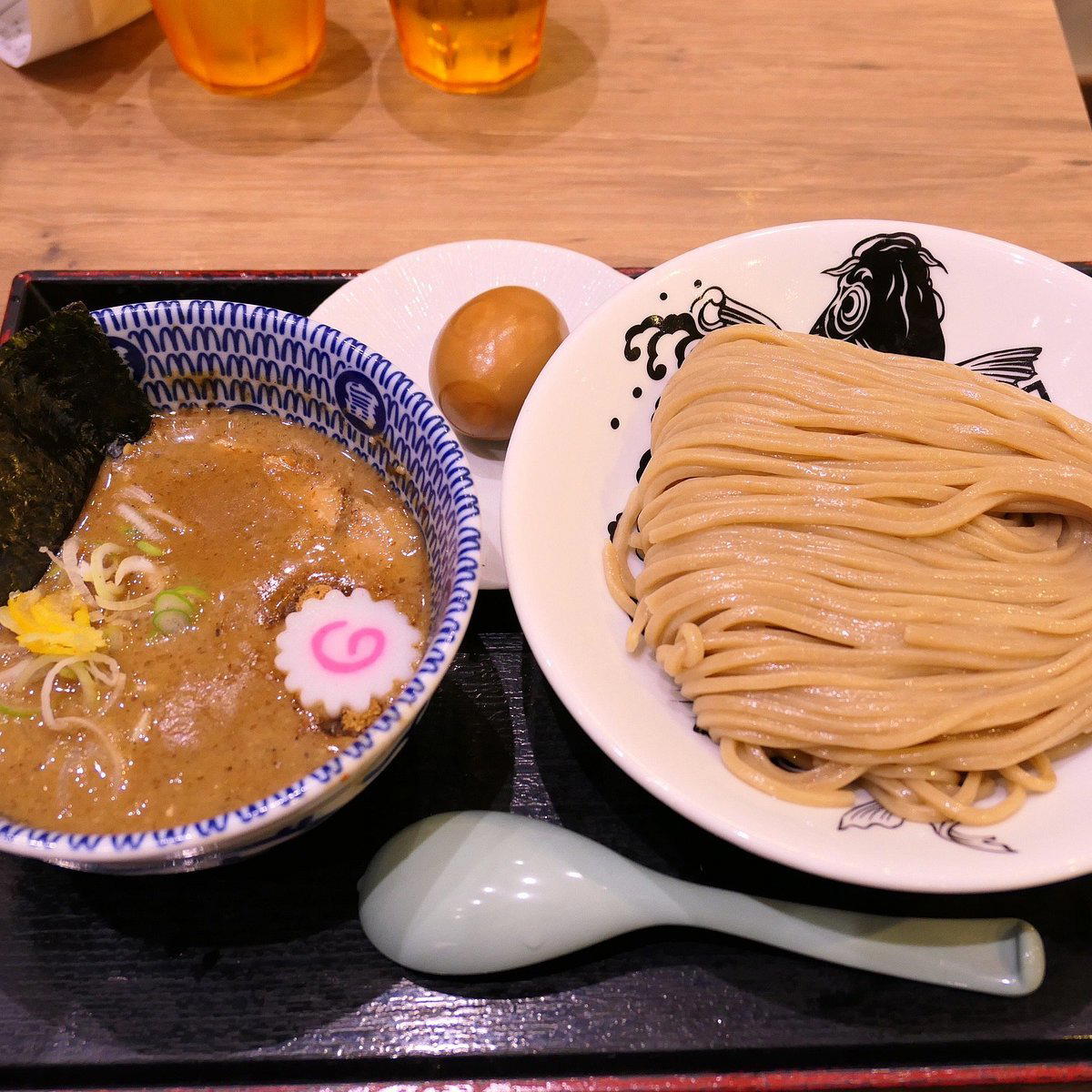
The menu
What to order
- Tsukemen
- Chuka soba
Ramen at Altitude: The Airport Terminal as Dining Context
Narita International Airport is not, by reputation, a place where serious eating happens. The fourth floor of Terminal 1 functions like most airport dining floors in major Asian hubs: a corridor of familiar names serving passengers whose primary concern is time, not cuisine. What makes Japanese Ramen Tomita worth a second look is the context it occupies within that space. Airport ramen counters in Japan tend to fall into two categories: franchise operations running diluted versions of a regional style, and satellite outposts of names with genuine reputations outside the terminal. Tomita falls into the latter group, and that distinction matters when you're weighing a 90-minute connection against a bowl of noodles.
The address places it at 三里塚御料牧場1-1, Terminal 1, fourth floor, Narita City, Chiba Prefecture. That specificity is worth noting because Terminal 1 and Terminal 2 at Narita serve different airlines and different ends of the airport, and getting the floor right before you clear security matters. The fourth floor is landside, which means it's accessible before departure checks and theoretically to arriving passengers as well, depending on their routing.
The Narita Dining Scene and Where Ramen Sits Within It
Narita City itself has a dining character shaped by transit rather than residence. The area around the airport supports a working population of airport staff, airline crew, and the logistics industry that has grown up around one of Asia's major cargo hubs. The old town of Narita, centred on Naritasan Shinshoji Temple, has its own distinct dining strip with eel restaurants and traditional teahouses that reflect the temple's centuries-long draw for pilgrims. But the airport precinct operates on a different logic entirely, where volume and convenience tend to dominate.
Against that backdrop, a ramen counter with a recognisable name represents something worth flagging. Japan's ramen scene has developed a tier of operators over the past two decades who treat the bowl with the same seriousness that other cuisines reserve for tasting menus. Long broth-cooking times, precise noodle specifications, and carefully sourced toppings have become competitive markers in that tier. The presence of a name from that world inside an airport terminal is itself a signal about how Japanese dining culture travels, and how it has chosen to represent itself to international passengers.
For a broader picture of what the Narita area offers across different dining categories, the full Narita restaurants guide covers everything from the eel specialists of the old town to the ramen counters and tonkatsu houses of the airport corridor. Other terminal options worth knowing about include Ippudo (一風堂), the Hakata-origin chain that now operates across airport locations globally, and Ginza Kagari (銀座 篝), known for its chicken paitan broth and a version of the Tokyo ramen style that has drawn significant attention in its Ginza home location.
The Tomita Name and What It Implies About the Bowl
In Japanese ramen culture, the Tomita lineage is associated with a specific approach to shoyu ramen built on long-simmered, clear-but-concentrated broth. That pedigree does not automatically transfer to an airport satellite, and it would be unfair to evaluate any transit-location outpost by the same standards as its origin counter.
What the name does carry, even in a terminal setting, is a set of expectations about broth concentration, noodle quality, and the ratio of fat to clarity in the soup. Whether those standards hold at the Narita Terminal 1 location is something each diner will need to assess on arrival, but the framing itself is more demanding than what most airport counters invite.
Narita Terminal 1 in Comparison to Peer Airport Dining in Asia
Airport dining in Asia has moved considerably over the past decade. Singapore's Changi, Hong Kong International, and Tokyo's Haneda have all developed terminal dining floors where the restaurants are branches of named operations rather than anonymous concession holders. Narita Terminal 1's fourth floor sits within that broader shift, though it lags behind Haneda's domestic terminal dining, which has attracted some of Tokyo's more serious operators. The presence of Tomita at Narita is consistent with the trend but does not place the terminal in the upper tier of Asian airport dining floors.
For travellers who approach airport time as an extension of a Japan itinerary rather than a dead zone between flights, the comparison points outside Narita are worth holding in mind. Serious dining in Japan's major cities operates at a different register entirely. Harutaka in Tokyo, Gion Sasaki in Kyoto, and HAJIME in Osaka represent the end of that spectrum that Narita airport dining is not trying to reach. Within the airport itself, Tomita sits closer to the considered end of the available options, alongside Kikukawa (うなぎ四代目菊川) for eel, Mitsumoto Tei (三本亭) for a different take on Japanese comfort food, and Saboten (新宿さぼてん) for the tonkatsu category.
Travellers whose broader Japan trip has taken in Goh in Fukuoka or akordu in Nara will find the terminal setting a significant shift in register. That gap is the honest framing: this is airport dining done with more care than the norm, not a destination in its own right.
Planning a Visit
Terminal 1 at Narita serves airlines including Japan Airlines and some international carriers, while Terminal 2 handles ANA and others. Confirm your terminal before planning a meal at this location. The fourth floor is accessible landside, which means arrival passengers who have cleared customs and pre-departure passengers both have access, but the routing depends on your specific airline's facilities. For connections under 90 minutes, the time required to travel between terminals and locate the counter on the correct floor should factor into the calculation. Japan's airport dining counters, including those on the Tomita model, often operate on queue-based systems at peak times, so building in margin is advisable. For reference points at different price tiers and contexts in Japan's broader dining scene, the guides for Le Bernardin in New York City and Atomix in New York City illustrate how different cities approach the serious end of the dining spectrum, while venues across Japan like 一本杉川嶋 in Nanao and 湖雲荘 in Takashima reflect regional Japanese hospitality at a different pace entirely.
Frequently asked questions
What part of town is Japanese Ramen Tomita (日本の中華そば富田) in?
Japanese Ramen Tomita (日本の中華そば富田) is located at 三里塚御料牧場1-1 (第1ターミナル 4F), 成田市, 千葉県, 286-0116, Narita.
How hard is it to get a table at Japanese Ramen Tomita (日本の中華solely富田)?
The original Tomita location in Matsudo has historically drawn queues measured in hours, with waits commonly exceeding two to three hours on weekends. The Terminal 1 airport outpost at Narita operates in a different context: foot traffic is defined by departure schedules rather than destination dining, which tends to smooth demand across the day. That said, peak morning and midday departure windows can create a rush, so arriving outside standard boarding clusters is advisable. No reservations system is documented for this location.
What's the signature dish at Japanese Ramen Tomita (日本の中華そば富田)?
The Tomita name in Japanese ramen circles is attached to a specific style of shoyu ramen: a clear but deeply concentrated broth built from long-simmered chicken and dashi, with a clean finish that differs markedly from tonkotsu-heavy or tsukemen-first operations. The airport location in Narita Terminal 1 (4F) carries that lineage forward, making classic chuuka soba the bowl to order.
How hard is it to get a table at Japanese Ramen Tomita (日本の中華そば富田)?
Reservations are recommended for Japanese Ramen Tomita (日本の中華そば富田) in Narita. Confirm current policy via the venue's official channels.
What's Japanese Ramen Tomita (日本の中華そば富田) best at?
The Tomita operation built its reputation on shoyu-based chuuka soba executed with a precision more common to dedicated ramen-ya than transit dining. Locating that standard inside Narita Terminal 1 (4F) means travellers on Japan Airlines and international carriers from Terminal 1 have access to a bowl grounded in a recognisable ramen lineage rather than the generic airport approximation. The format rewards those who know what to order rather than those browsing a broad menu.
The Essentials
Comparable venues nearby, for context on price, style, and recognition.
| Venue | Cuisine | Price | Awards | Notes |
|---|---|---|---|---|
| Japanese Ramen Tomita (日本の中華そば富田)This venue (the venue you are viewing) | Japanese Ramen and Tsukemen | $10–20 | Not listed | Not listed |
| Saboten (新宿さぼてん) | Tonkatsu (Japanese Pork Cutlet) | $10–20 | Not listed | Narita Airport, Tonkatsu (Japanese Pork Cutlet) |
| Surugaya | Traditional Unagi (eel) Restaurant | $30–50 | Tabelog 100 #73 | Nakamachi / Naritasan Shinsho-ji Temple approach, Traditional Unagi (eel) Restaurant |
| Tatsu (日本の大衆食堂 たつ吉) | Japanese Grill & Craft Beer | $10–20 | Not listed | Narita Airport, Japanese Grill & Craft Beer |
| Ginza Kagari (銀座 篝) | Chicken Paitan Ramen | $10–20 | Not listed | Ginza, Chicken Paitan Ramen |
| Pizzeria Positano | Italian Pizza | Not listed | Tabelog 100 #84 | Hanazakicho, Italian Pizza |
Continue exploring
More in Narita
Details
- Well Known
- Solo
- Casual Hangout
- Standalone
- Local Sourcing
- Counter Dining
- A La Carte
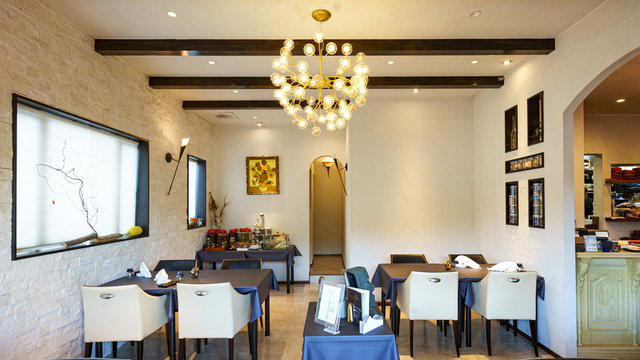
Casual airport-terminal ramen shop atmosphere.