Our verdict
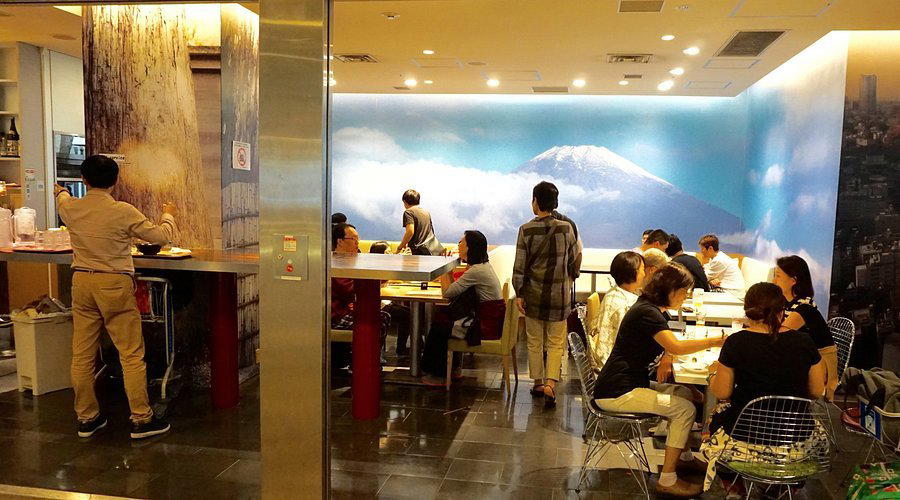
Tatsu (日本の大衆食堂 たつ吉) occupies the third floor of Narita International Airport's Terminal 1 Central Building, positioning it squarely within the tradition of Japanese taishu shokudo, the unpretentious, all-purpose dining halls that serve working populations and transit crowds alike. For travellers moving through one of Asia's busiest aviation hubs, it offers a grounded alternative to the international fast-food chains that dominate airport retail.

Pearl is the En Primeur Club membership app, where members save venues, book tables and use the concierge.
The menu
What to order
- Kisin udon
- Tendon
- Tonkatsu
Airport Dining and the Shokudo Tradition at Narita Terminal 1
The taishu shokudo, literally 'popular dining hall for the masses', occupies a specific and durable place in Japanese food culture. These are not destination restaurants or chef-driven tasting experiences; they are the reliable middle tier that feeds office workers, shift staff, and travellers who want something recognisably Japanese without ceremony or significant cost. The format has survived decades of competition from convenience store onigiri, fast-casual chains, and international franchises because it delivers something those formats cannot: a sit-down meal with multiple courses, a defined set menu structure, and the sense of an actual dining room rather than a counter or a tray.
Tatsu (日本の大衆食堂 たつ吉) operates in exactly this tradition, positioned on the third floor of Narita International Airport's Terminal 1 Central Building. Its full name signals the format immediately: 大衆食堂, a term that carries no pretension and makes no luxury claims. In the context of Narita Airport, a facility that processes tens of millions of passengers annually and houses dining options ranging from convenience kiosks to more formal Japanese restaurants, a shokudo occupies a specific and useful position. It is the choice when you want to eat something cooked, familiar, and Japanese without making a reservation or consulting a tasting menu.
What to Know Before You Go: The Logistics of Eating at Narita T1
The practical context matters here, because Narita Airport's layout shapes the dining decision as much as cuisine preference does. Terminal 1 is divided into a North Wing and South Wing, connected through the Central Building. The Central Building's third floor houses several dining options, and the floor is generally accessible to both departing passengers (post-security, via the terminal's internal connections) and arriving passengers who have cleared customs. Confirming access based on your specific flight status and terminal routing before planning a meal stop is advisable, as access configurations can shift with airport operations.
Unlike the kind of specialist restaurants that populate destination dining guides, places like Harutaka in Tokyo or Gion Sasaki in Kyoto, where booking windows extend weeks or months ahead, a shokudo in an airport terminal operates on a walk-in basis. The format assumes transient custom: passengers with checked itineraries, crew with short turnarounds, airport staff on meal breaks. There is no booking system to plan around, and none of the logistics that govern reservation-only dining apply. The relevant planning question is not whether you can get a table, but whether you have timed your transit to allow a sit-down meal rather than a gate snack.
Narita's distance from central Tokyo, approximately 60 kilometres from Shinjuku, with journey times ranging from around 35 minutes on the Narita Express to over an hour on slower rail options, means many travellers treat the airport as a transit point rather than a destination. That dynamic actually strengthens the case for eating at the airport rather than delaying until arrival in the city, particularly on long-haul inbound flights where the time between landing and reaching a central Tokyo restaurant can exceed two hours.
The Shokudo in Context: Where Tatsu Sits Among Narita's Airport Dining
Narita Terminal 1 supports a range of Japanese dining formats. Ramen is well represented: Ginza Kagari (銀座 篝), known in its Ginza original for chicken paitan broth, operates in the terminal, as does Ippudo (一風堂), the Hakata-origin tonkotsu chain with a large national and international footprint. Japanese Ramen Tomita (日本の中華そば富田) represents a more specialist ramen proposition. For eel, Kikukawa (うなぎ四代目菊川) carries a generational restaurant identity into the terminal environment. Mitsumoto Tei (三本亭) rounds out the mid-range Japanese offer.
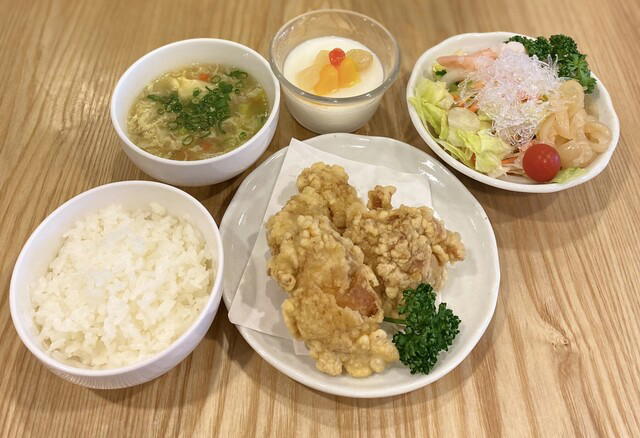
Against that peer group, the shokudo format sits at the broadest and most accessible end of the spectrum. Where ramen specialists or unagi restaurants ask you to commit to a single dominant ingredient or preparation style, a taishu shokudo typically covers multiple categories: set meals built around rice, miso soup, grilled fish, pork cutlets, or simmered dishes. The format suits travellers who want to cover the bases of a Japanese meal rather than focus on one regional speciality. It also positions differently on price, generally running below the more specialist options in the terminal. For a broader view of what Narita's dining scene offers, our full Narita restaurants guide maps the options across formats and price points.
Japan's Shokudo Format Beyond the Airport
Understanding the shokudo format helps calibrate expectations in a way that pure venue information cannot. Across Japan, the taishu shokudo has historically served communities where eating out needed to be fast, affordable, and reliable rather than memorable. The aesthetic is typically spare: laminated menus with photographs, efficient service, communal or close-set seating, and a kitchen that runs on volume rather than refinement. The measure of quality in this format is consistency and comfort, not creativity or provenance. A good shokudo gets the basics right, rice cooked properly, broth with appropriate depth, protein handled without waste, and does so at a pace that matches its customers' schedules.
That context is worth holding when comparing Narita's airport dining with what Japan's more formal restaurant culture looks like. The distance between a taishu shokudo and the destination-tier restaurants that define Japanese fine dining internationally, places like HAJIME in Osaka or Goh in Fukuoka, is not just price or prestige. It is a fundamentally different contract with the diner: one optimised for inclusion and speed, the other for focused attention over an extended meal. Both are authentically Japanese formats; they simply serve different moments in the traveller's day.
For those arriving into Japan for the first time, a meal at a shokudo in the airport can function as orientation, a first contact with the rhythms and conventions of Japanese dining room culture, including the etiquette of communal dining spaces, the structure of set meals, and the pace of service, before the more considered restaurant choices begin once you reach your destination. Further reading on how Japan's regional restaurant scenes compare can be found in EP Club's coverage of venues like akordu in Nara and destination lists from cities including Nanao, Sapporo, and Takashima.
Planning Your Visit
Tatsu is located at 三里塚御料牧場1-1, Terminal 1 Central Building, 3F, Narita, Chiba 282-0011. No reservation is required or available; the restaurant operates on walk-in custom consistent with the airport dining format. The address places it directly within the terminal building, accessible without exiting the airport facility.
Frequently asked questions
What's Tatsu (日本の大衆食堂 たつ吉)'s location?
Tatsu (日本の大衆食堂 たつ吉) is located at 三里塚御料牧場1-1 (第1旅客ターミナルビル 中央 3F), 成田市, 千葉県, 282-0011, Narita.
Is Tatsu (日本の大衆食堂 たつ吉) accessible before clearing immigration at Narita Airport?
Tatsu is located on the third floor of the Terminal 1 Central Building at 三里塚御料牧場1-1, Narita, Chiba 282-0011, a zone that connects the North and South Wings of the terminal. Access before or after immigration depends on which security checkpoint you have passed and which wing your flight departs from; the third-floor central position places it broadly within the post-security departures area. Confirm your specific gate zone against the terminal map when planning a stop.
What's the signature dish at Tatsu (日本の大衆食堂 たつ吉)?
The taishu shokudo format, which Tatsu operates within at Narita Terminal 1's Central Building 3F, typically anchors its menu around teishoku set meals, donburi rice bowls, and noodle dishes. These formats have defined the shokudo category across Japan for decades and suit the transit pace of airport dining. For current menu specifics, check the Terminal 1 dining directory on arrival.
Is Tatsu (日本の大衆食堂 たつ吉) reservation-only?
No reservation is required or accepted. Tatsu operates as a taishu shokudo inside Narita Terminal 1 Central Building, a format built around walk-in service for transit passengers and airport staff. Seating is first-come, first-served, consistent with the shokudo tradition of quick, accessible dining.
In Context: Similar Options
| Venue | Cuisine | Price |
|---|---|---|
| Tatsu (日本の大衆食堂 たつ吉)This venue (the venue you are viewing) | Japanese Grill & Craft Beer | $10–20 |
| Ippudo (一風堂) | Tonkotsu Ramen | $10–20 |
| Ginza Kagari (銀座 篝) | Chicken Paitan Ramen | $10–20 |
| Kikukawa (うなぎ四代目菊川) | Traditional Japanese Unagi (Grilled Eel) | $30–50 |
| Mitsumoto Tei (三本亭) | Yoshoku (Japanese Western Cuisine) | $20–30 |
| Japanese Ramen Tomita (日本の中華そば富田) | Japanese Ramen and Tsukemen | $10–20 |
Continue exploring
More in Narita
Details
- Casual
- Lively
- Casual Hangout
- After Work
- Beer Program
- Sake Program
- A La Carte
- Craft Beer
Casual airport bistro atmosphere with quick service and everyday Japanese comfort food.