Rte Twisk sits along one of Hong Kong's most scenic driving routes, winding through the Twisk Pass between Tsuen Wan and Tai Po Road. The area draws cyclists, hikers, and drivers who stop to take in the refined terrain of the New Territories. It represents a quieter, more rural counterpoint to the density of Hong Kong's urban dining scene.
Pearl is the En Primeur Club membership app — saves, bookings, and concierge access live there. Same editors, same standards.
- Address
- Hong Kong
- Directions
- Get directions
 Saves & bookings on Pearl
Where the City Thins Out
Hong Kong's dining conversation tends to anchor itself in Central, Wan Chai, and Tsim Sha Tsui, but Rte Twisk in Hong Kong is a casual Traditional Cantonese Dim Sum restaurant with a walk-in-friendly policy and an average price of about US$8 per person. Venues like Amber and Caprice define one end of the spectrum, while Forum and Ta Vie occupy adjacent territory in the high-end Cantonese and Franco-Japanese registers. But the New Territories tell a different story about how Hong Kong eats when it steps away from the performance of urban fine dining.
Route Twisk, the winding mountain road that connects Tsuen Wan to Tai Po Road via the Twisk Pass, sits in that other story. The road cuts through the hilly interior of the New Territories, gaining altitude quickly as it moves away from the industrial flatlands of the western corridor. For most of its length, there is no skyline, no harbour view, no neon. What there is instead is a corridor of green hillside, the sound of wind through scrub vegetation, and the occasional rest point where drivers and cyclists stop before the descent.
The Terrain as Context
The physical environment of Route Twisk is the product of Hong Kong's geography rather than its planning. The Tai Lam Country Park, which the road bisects, covers a substantial portion of the New Territories' interior and has resisted the kind of development pressure that reshaped the harbour-facing districts from the 1980s onward. That resistance is part of what makes the area legible in a way that dense urban Hong Kong sometimes is not: the landscape reads as landscape, not as infrastructure.
For diners and travellers accustomed to Hong Kong's vertical restaurant model, where venues stack above lobbies and MTR exits, the shift to a road-based, car-dependent corridor is a genuine change of register. The contrast with, say, the Le Salon de Thé de Joël Robuchon in ifc mall in Central, or the polished interiors of AMMO, is not subtle. The New Territories corridor around Twisk operates on different assumptions about how people arrive, how long they stay, and what they are looking for.
A Broader Pattern in Hong Kong's Periphery
The communities that have grown up along and around Route Twisk reflect a broader pattern in how Hong Kong's outer districts have developed their own dining and food cultures, often independent of the trends that dominate the central food press. Areas like Tsuen Wan, at the eastern foot of Twisk, have their own restaurant ecosystems built around local patronage rather than tourist or expat traffic. Chin Sik in Tsuen Wan is one example of the kind of place that serves a neighbourhood rather than a destination diner.
Further afield, the pattern repeats in different registers. Hoi Tin Garden in Tuen Mun and Enchanted Garden Restaurant on Lantau Island sit in the same general geography of Hong Kong's non-central dining life, where the assumptions are different and the audience is local. Even further out, places like Lei Garden in Sha Tin demonstrate that quality Cantonese cooking has always had a foothold in the New Territories, operating on its own terms and its own reputation.
This is not a consolation geography. Hong Kong's periphery has produced food worth seeking, and the country park roads that connect its outer districts have long been part of how residents experience the city's less-publicised pleasures. The former Jumbo Floating Restaurant in Aberdeen once drew visitors across the southern coast for a version of Hong Kong dining that was as much about setting as substance. The logic of place shaping appetite is not new here.
Arriving and Reading the Area
Route Twisk is accessible by car from both the Tsuen Wan side and the Castle Peak Road end near Tai Po Road, though the road itself is narrow in sections and demanding by Hong Kong standards. The pass sits at elevation and can be subject to mist and reduced visibility in the cooler months between November and February. Cyclists use the route regularly, particularly on weekends, which affects both traffic flow and the character of any roadside stopping point during those periods. Visitors coming from the urban core should allow time for the MTR connection to Tsuen Wan, followed by a taxi or car hire for the ascent: public bus access is limited once the road begins to climb.
The broader Tsuen Wan district, as the lower gateway to the route, offers a more accessible starting point for those who want to read the area before committing to the ascent. Food options there range across the price spectrum and cuisine types that characterise a working Hong Kong district, distinct from the curated restaurant blocks of Central and Western.
Where Rte Twisk Sits in the City's Story
Hong Kong's restaurant culture is frequently narrated through its Michelin-starred tier: 8 1/2 Otto e Mezzo Bombana on the Italian side, Ta Vie in the innovative Franco-Japanese register, the Euro-influenced fine dining that has made the city one of Asia's most densely awarded food destinations. That narrative is real, but it accounts for a fraction of how the city actually eats. Block 18 Doggie's Noodle in Yau Tsim Mong, King of Soybeans in Wong Tai Sin, and Habib's Indian and Middle Eastern Food in Kwun Tong represent the other register: specific, neighbourhood-formed, indifferent to the broader critical conversation.
Route Twisk sits outside both registers in a different sense. It is not a dining district and does not position itself as one. What it offers is something Hong Kong's urban core cannot easily provide: the sensory experience of the city's country park geography, the sound and smell of vegetation rather than ventilation shafts, and the altitude that gives the New Territories its intermittent sense of remove from the harbour density below. For visitors who have covered the central eating circuits and want to understand what else the city holds, the road through Twisk Pass is part of that education.
Our full Hong Kong restaurants guide covers the city's dining spectrum in detail, from the Michelin-tier counters of Central to the neighbourhood-built institutions of the outer districts. For context on how Hong Kong's leading tables compare internationally, the formats and pricing models at Le Bernardin in New York and Lazy Bear in San Francisco offer a useful reference point for the ambition and discipline that defines the upper tier of the global conversation Hong Kong participates in.
Practical Notes
Readers planning a visit to this corridor should confirm current access conditions, particularly during winter months when mist and road conditions on the pass can change quickly. Weekend timing, when cycling traffic peaks, affects both road speed and the character of any stops along the route. Those arriving from Central should budget approximately 45 to 60 minutes travel time to the Tsuen Wan base, before the ascent begins.
Nearby-ish Comparables
Comparable venues nearby, for context on price, style, and recognition.
| Venue | Cuisine | Price | Notes |
|---|---|---|---|
| Rte TwiskThis venue — the venue you are viewing | Traditional Cantonese Dim Sum | $$ | Not listed |
| Putien | Authentic Fujian Cuisine | $$ | Wan Chai |
| Kung Wo Dou Ban Chong | Traditional Hong Kong Tofu Specialty | $ | Sham Shui Po |
| Rú | Modern Cantonese Fine Dining | $$$ | Tsuen Wan |
| Tai Hing | Hong Kong Roast Meats & Comfort Food | $$ | Tsim Sha Tsui |
| Hee Kee | Authentic Cantonese Typhoon Shelter Seafood | $$ | Wan Chai |
Continue exploring
More in Hong Kong
Restaurants in Hong Kong
Browse all →
Bars in Hong Kong
Browse all →
At a Glance
- Classic
- Rustic
- Cozy
- Casual Hangout
- Brunch
- Local Sourcing
- Mountain
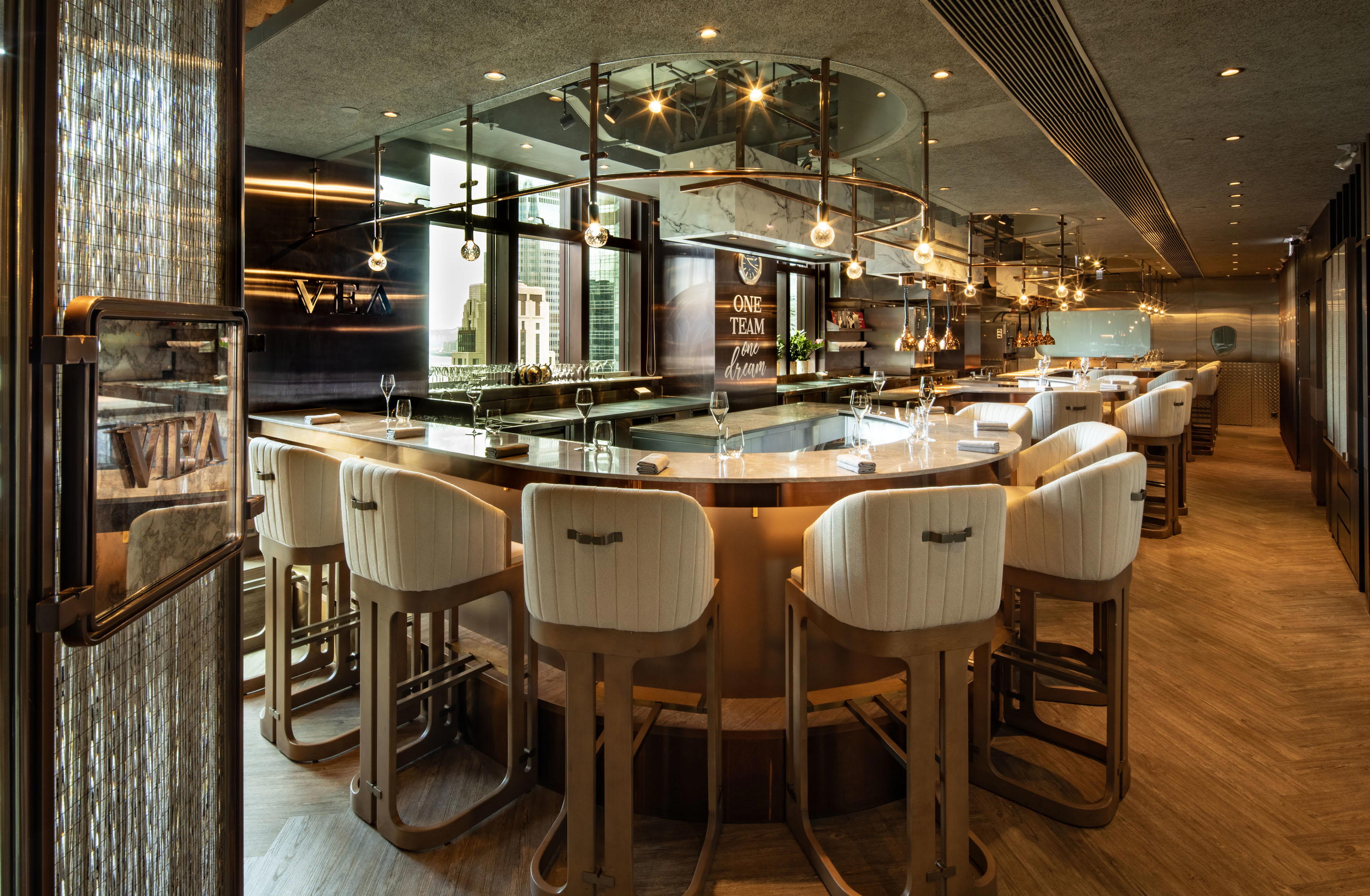
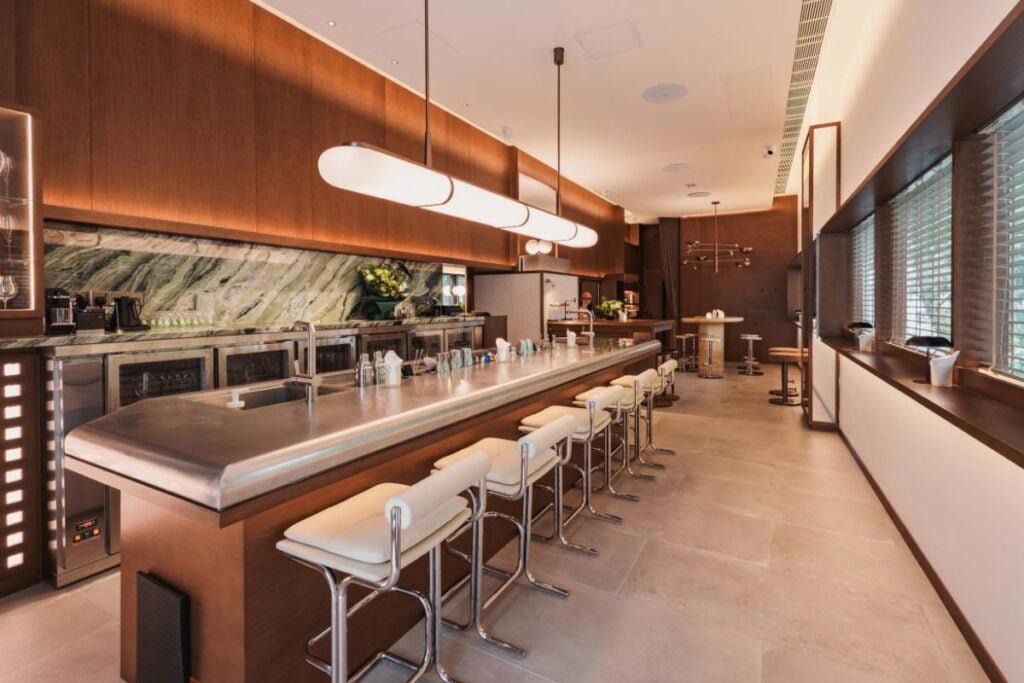
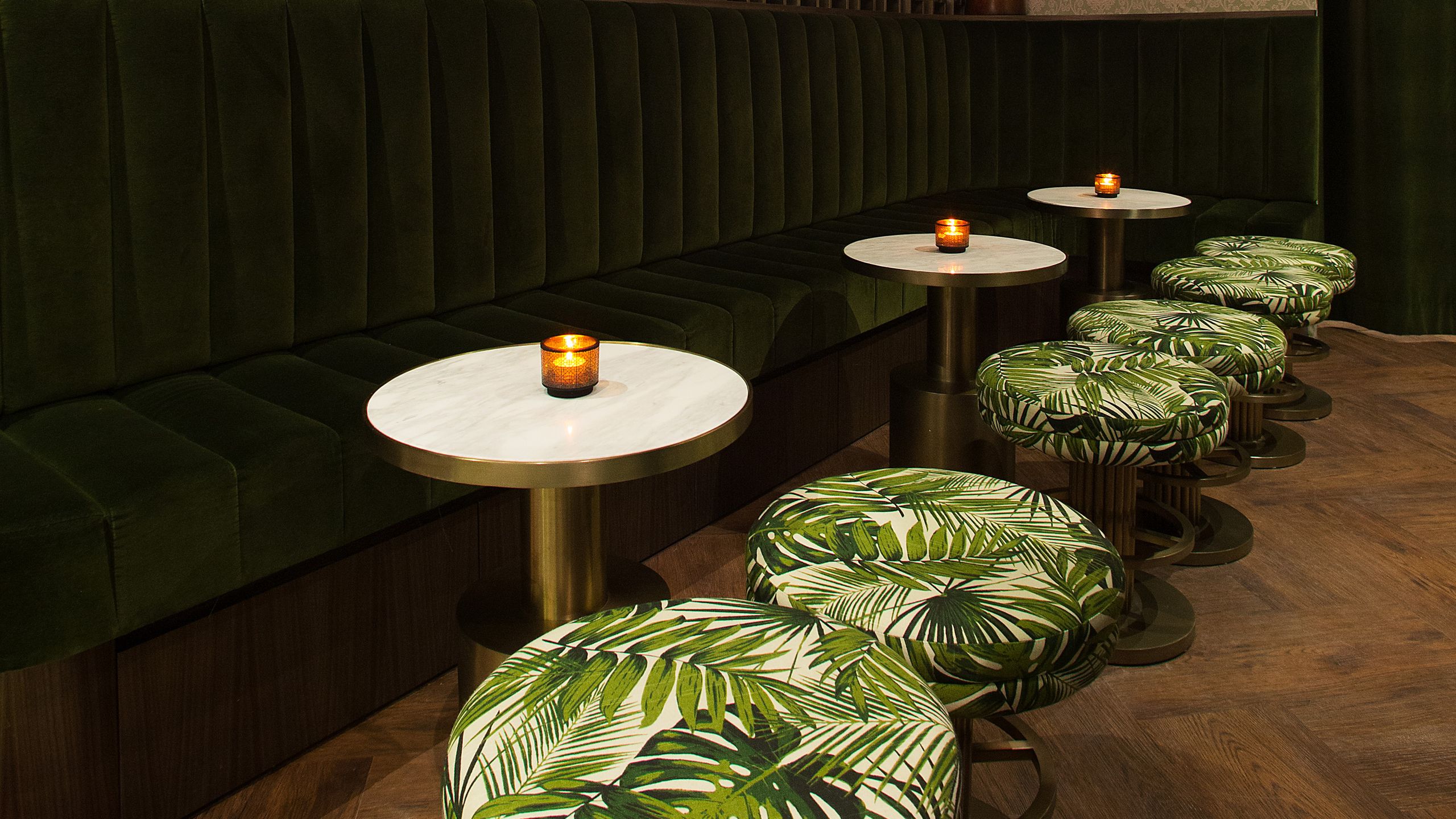
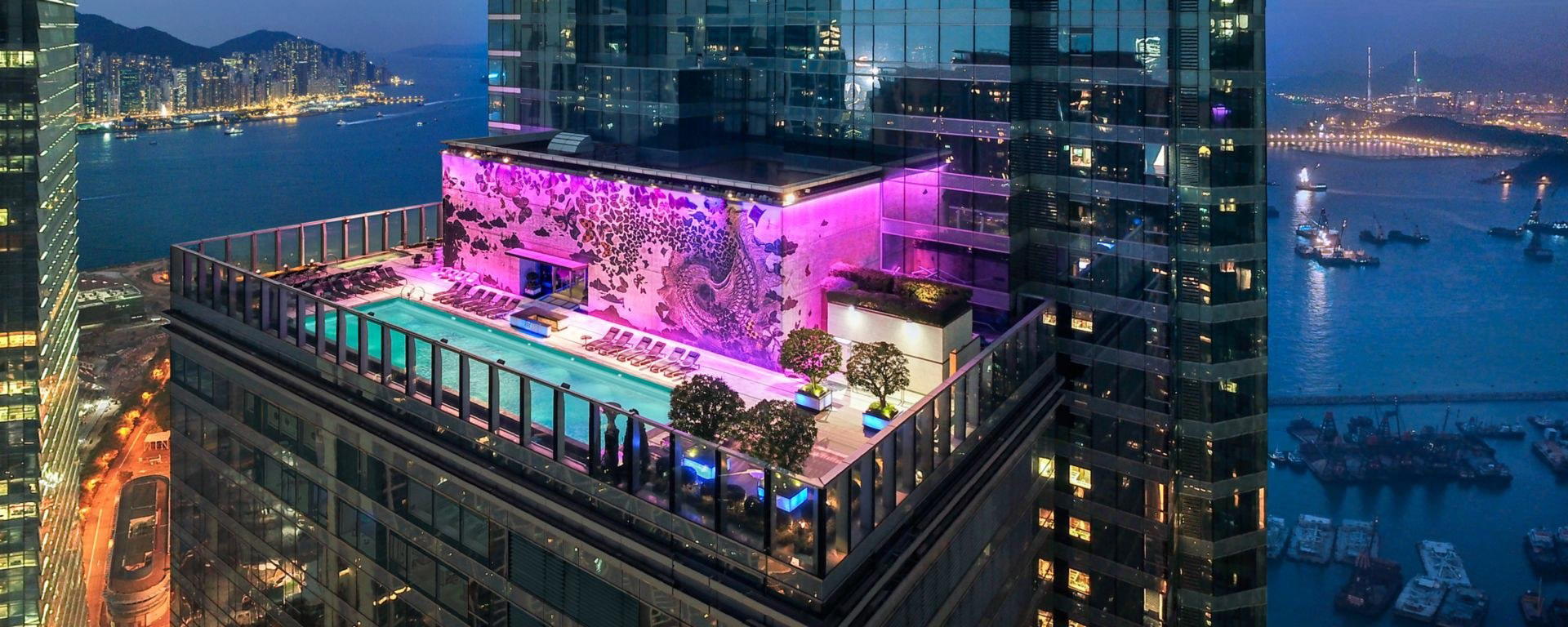
Old-school charm with serene mountain views and down-to-earth traditional atmosphere.