Kung Wo Dou Ban Chong is one of Hong Kong's most enduring tofu and soy milk shops, operating across generations in a city that has largely replaced such specialist dairies with convenience chains. The shop occupies a particular place in the tradition of Hong Kong street food craft, where a single ingredient becomes the basis for a serious, disciplined menu. Expect queues, cash, and no-frills presentation.
Pearl is the En Primeur Club membership app — saves, bookings, and concierge access live there. Same editors, same standards.
- Address
- Hong Kong, Hong Kong
- Directions
- Get directions
 Saves & bookings on Pearl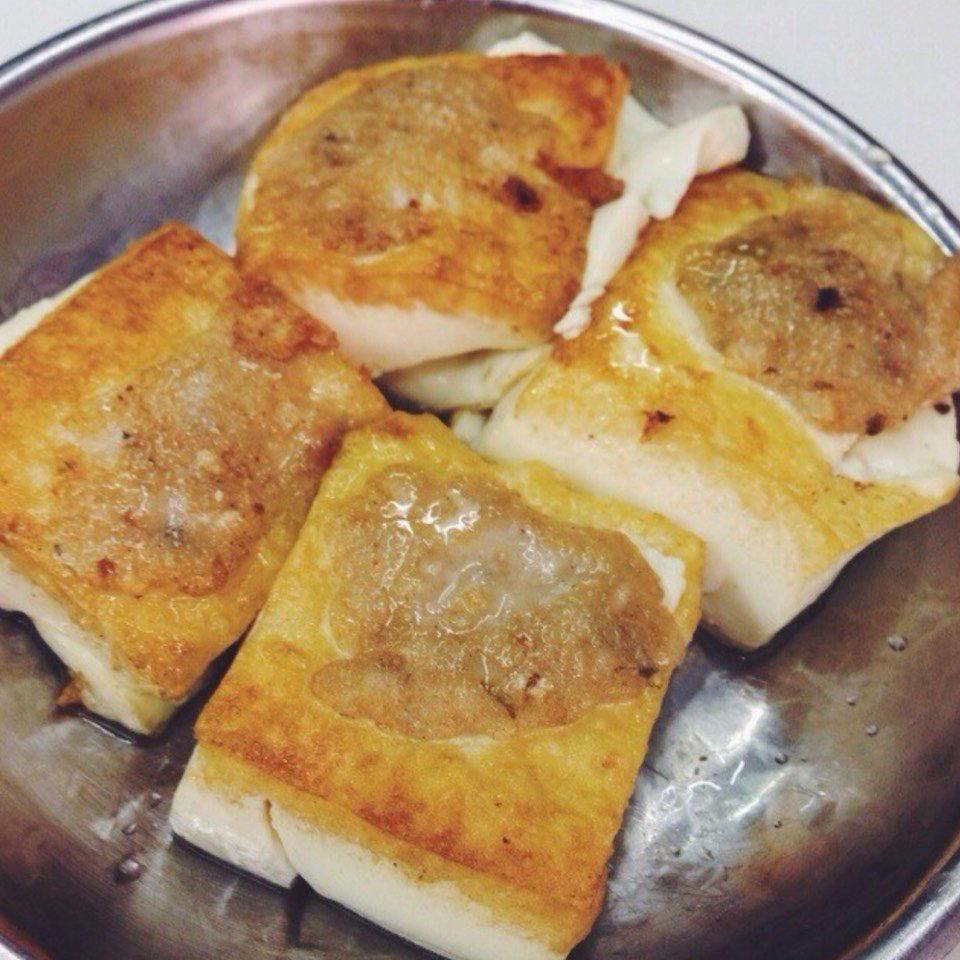
Where Soy Craftsmanship Outlasts the City Around It
Kung Wo Dou Ban Chong is a traditional Hong Kong tofu specialty shop in Hong Kong, with a casual, walk-in-friendly format and a price level of about US$5 per person. Hong Kong's food culture has always operated on two tracks simultaneously: the formal, internationally recognised dining scene that places the city alongside Paris and Tokyo in any serious conversation about fine restaurants, and a parallel world of specialist producers who have been doing one thing with notable discipline for decades. Kung Wo Dou Ban Chong belongs firmly to the second category. In a city where Amber and Caprice compete at the upper tier of French contemporary dining, and where 8 1/2 Otto e Mezzo Bombana has established Italian cuisine as a serious category, the more instructive story is sometimes found in the shops that have refused to pivot, diversify, or rebrand.
The tradition Kung Wo Dou Ban Chong represents is older than any Michelin star in Hong Kong. Soy dairies of this type were once a neighbourhood fixture across the city, producing fresh tofu, soy milk, and douhua from soybeans ground and pressed daily. The logic was direct: fresh production, same-day consumption, hyper-local distribution. That model has almost entirely disappeared, replaced by factory-produced alternatives sold through supermarkets and convenience chains. The shops that remain are no longer simply food producers; they are operating records of a craft that urban development and consumer behaviour have systematically dismantled.
The Evolution of a Soy Dairy in a Changing City
Understanding what the restaurant is today requires understanding what it has survived. The broader category of traditional Hong Kong tofu shops peaked mid-twentieth century, when fresh soy products were everyday staples rather than objects of culinary curiosity. The shops that have persisted into the present have done so through a combination of generational continuity and a refusal to modernise in ways that would compromise the production method. It is a production philosophy with practical consequences for what ends up in the bowl.
The shift in how these shops are now consumed, by the city around them, marks a meaningful change. A generation ago, the queue outside a soy dairy was a neighbourhood queue: residents collecting morning soy milk, the same faces each day. The queue today draws a wider demographic, including local regulars and visitors seeking out the shop. The shop has not changed to meet that audience.
This mirrors a broader pattern visible across Hong Kong's specialist food culture. Operations like King Of Soybeans in Wong Tai Sin occupy a similar position: practitioners of a single-ingredient discipline whose continued existence constitutes an argument about what Hong Kong food culture is prepared to preserve. The contrast with the city's formally decorated restaurants is less a hierarchy than a spectrum. Where Ta Vie sits at the intersection of Japanese and French technique, and where Forum represents Cantonese cooking at a banquet register, the restaurant occupies the register where craft and dailiness are the same thing.
What the Counter Offers
The menu at a traditional soy dairy of this type is deliberately narrow. Fresh soy milk, served hot or cold, is the anchor product. Tofu prepared in varying textures, from the soft, custard-like douhua to firmer pressed varieties, represents the other axis of the offering. The discipline lies not in variety but in execution: each product is only as good as the soybeans used, the grinding, the coagulation timing, and the temperature at service. There is no kitchen technique to mask a weak base ingredient, no sauce to compensate for imprecise texture.
That narrowness is worth appreciating in the context of Hong Kong's wider dining scene, where menus have generally moved toward elaboration and format diversity. The tasting menus at the city's decorated restaurants, from the French contemporary registers of Amber to the Latin American precision of places like Gaia in Central, are exercises in controlled complexity. A soy dairy operates on exactly the opposite logic: remove everything unnecessary, then refine what remains.
The Practical Visit
Shops of this type operate on production schedules rather than restaurant hours. Fresh soy milk and tofu are produced in batches, and once a batch sells out, that product is finished for the day. Arriving early is not a preference but a practical necessity if you want the full range. Cash is the expected payment method at operations of this generation, and the transaction is typically fast: order, receive, eat at a standing counter or nearby, leave. There is no reservation system, no dress consideration, and no ambient experience beyond the production itself, which in a working soy dairy is often visible from the counter.
For visitors approaching Hong Kong primarily through its decorated dining tier, this calls for a different approach. The city's broader restaurant scene includes everything from formally structured fine dining to the neighbourhood-specific operations found in areas like Tuen Mun and Tai Po. A soy dairy visit fits leading as a morning exercise, before the city's lunch service begins and before the first batches disappear.
Hong Kong's food geography extends across the harbour and into the New Territories, with operations like Lei Garden in Sha Tin representing Cantonese fine dining in the suburban districts, and more idiosyncratic spots like the Former Jumbo Floating Restaurant site in Aberdeen marking how quickly even celebrated formats can disappear. The endurance of a working soy dairy is, against that backdrop, genuinely notable.
Recognition, Side-by-Side
Comparable venues nearby, for context on price, style, and recognition.
| Venue | Cuisine | Price | Notes |
|---|---|---|---|
| Kung Wo Dou Ban ChongThis venue — the venue you are viewing | Traditional Hong Kong Tofu Specialty | $ | Not listed |
| Bee Cheng Hiang (美珍香) | Singaporean Bakkwa Specialist | $ | Tsim Sha Tsui |
| Lan Fong Yuen (蘭芳園) | Hong Kong Cha Chaan Teng | $ | Central |
| Shui Kee | Hong Kong Cha Chaan Teng | $ | Sheung Wan |
| Joy Hing Roast Meat | Cantonese Roasted Meats (Siu Mei) | $ | Wan Chai |
| Mak's Noodle | Traditional Cantonese Wonton Noodles | $ | Central |
Continue exploring
More in Hong Kong
Restaurants in Hong Kong
Browse all →
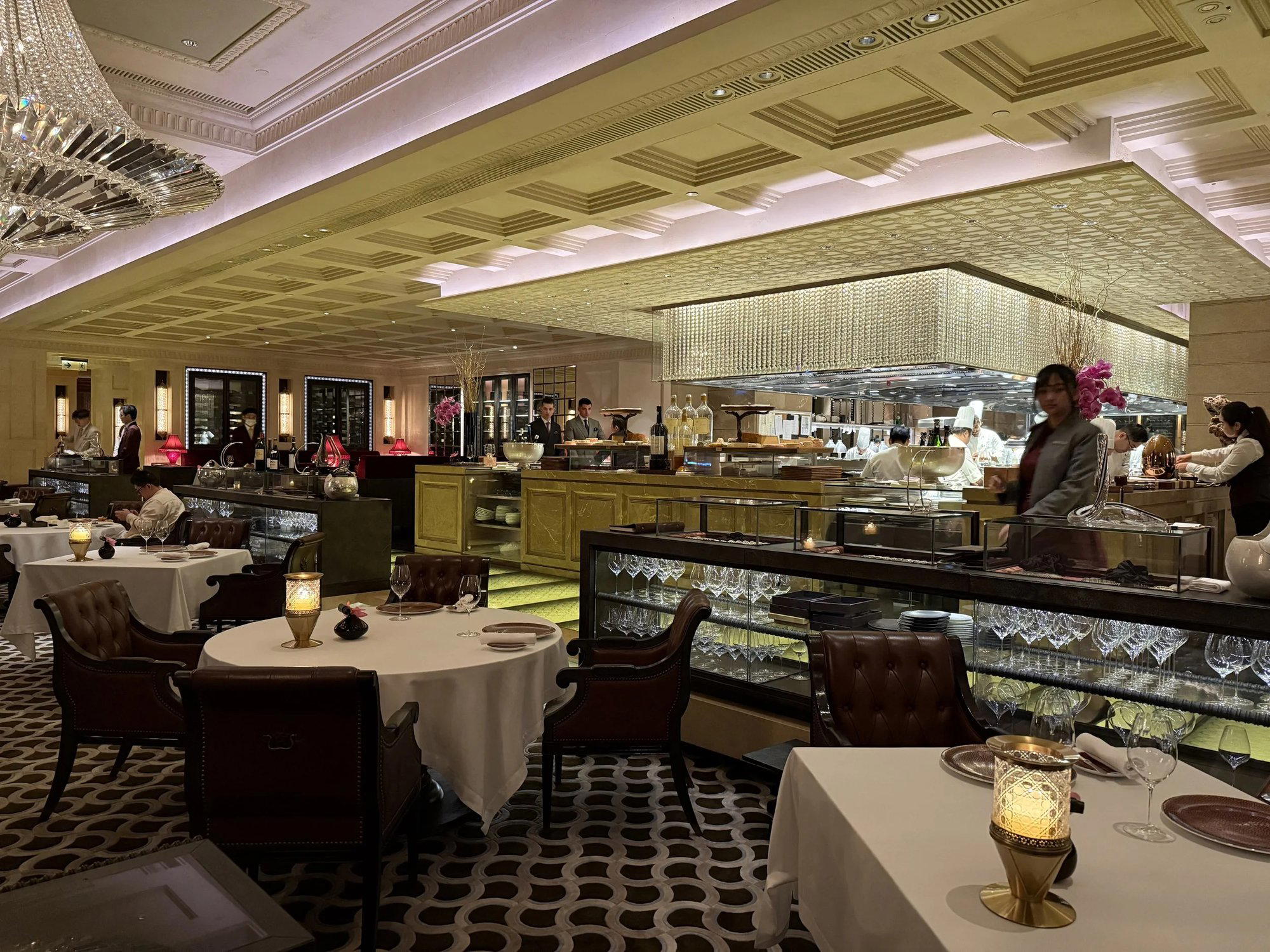
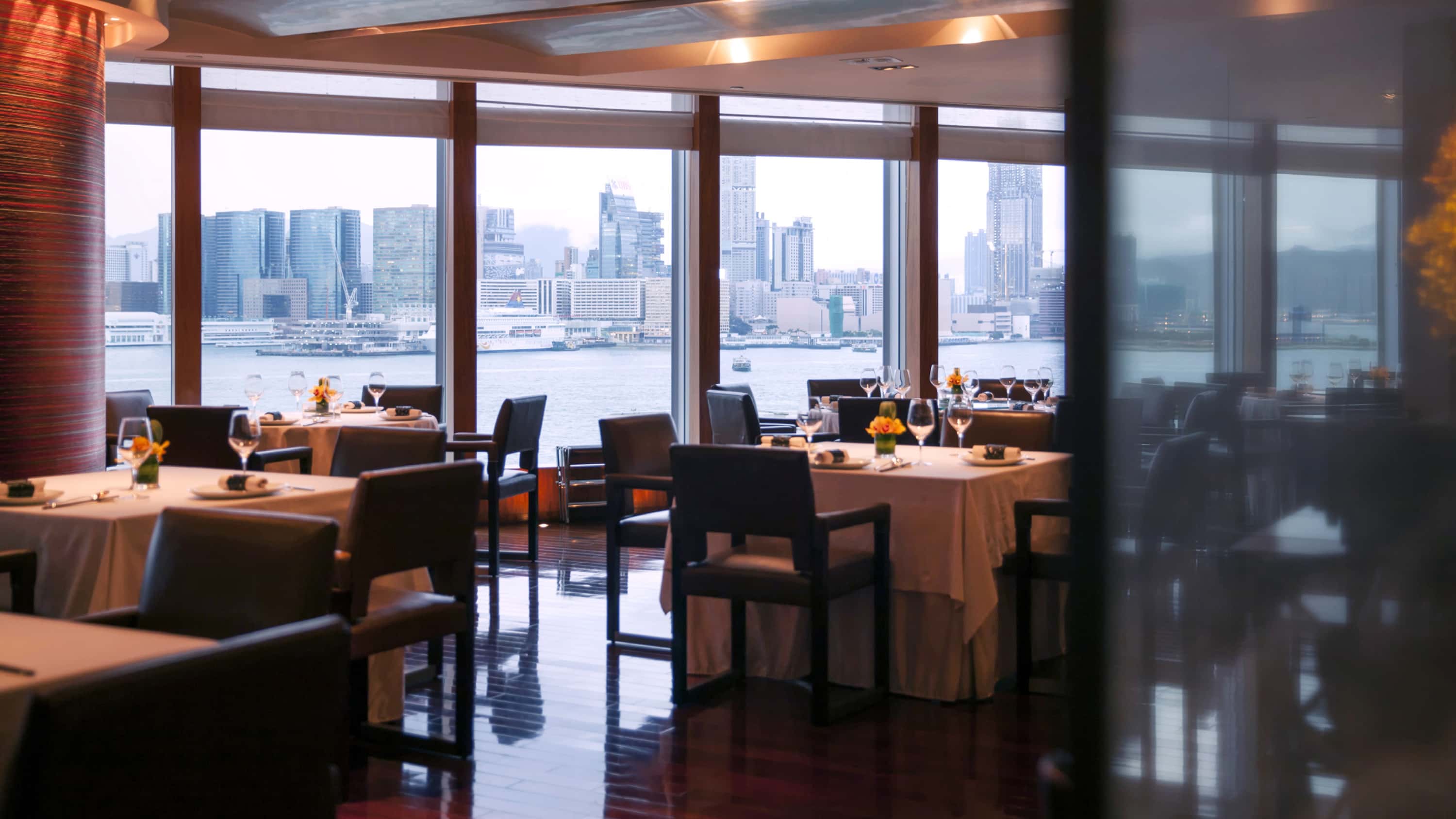
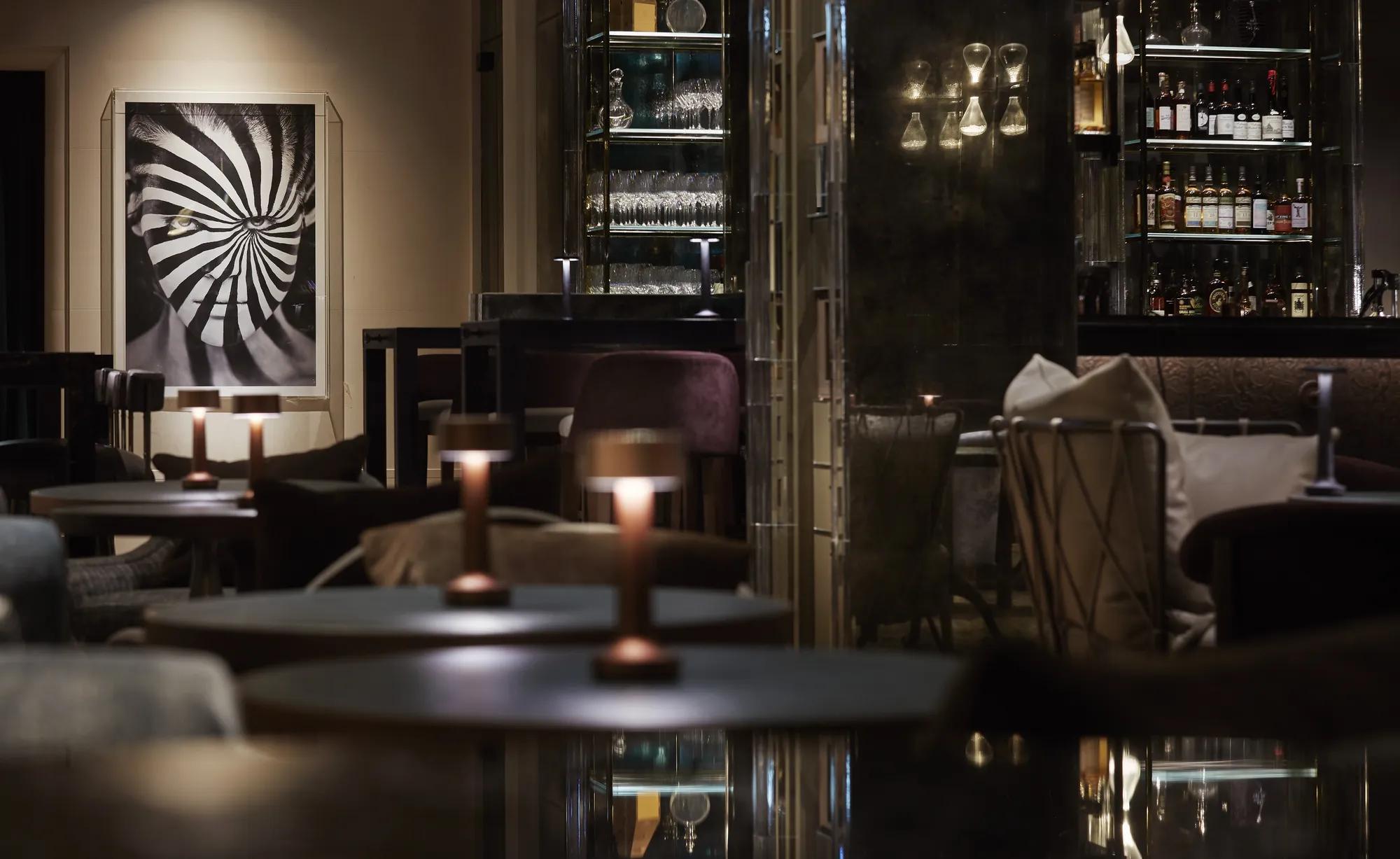
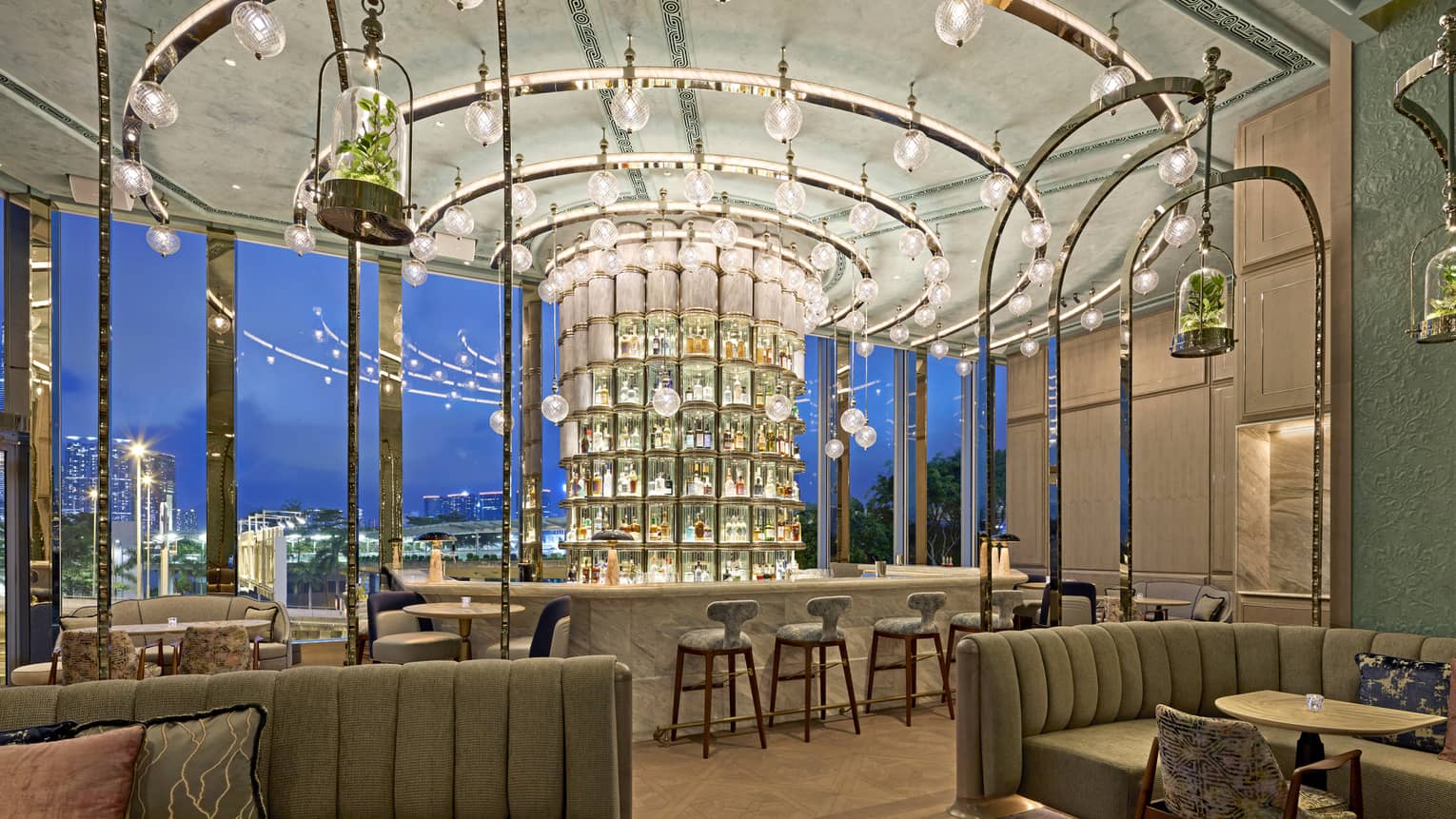

At a Glance
- Classic
- Cozy
- Casual Hangout
- Historic Building
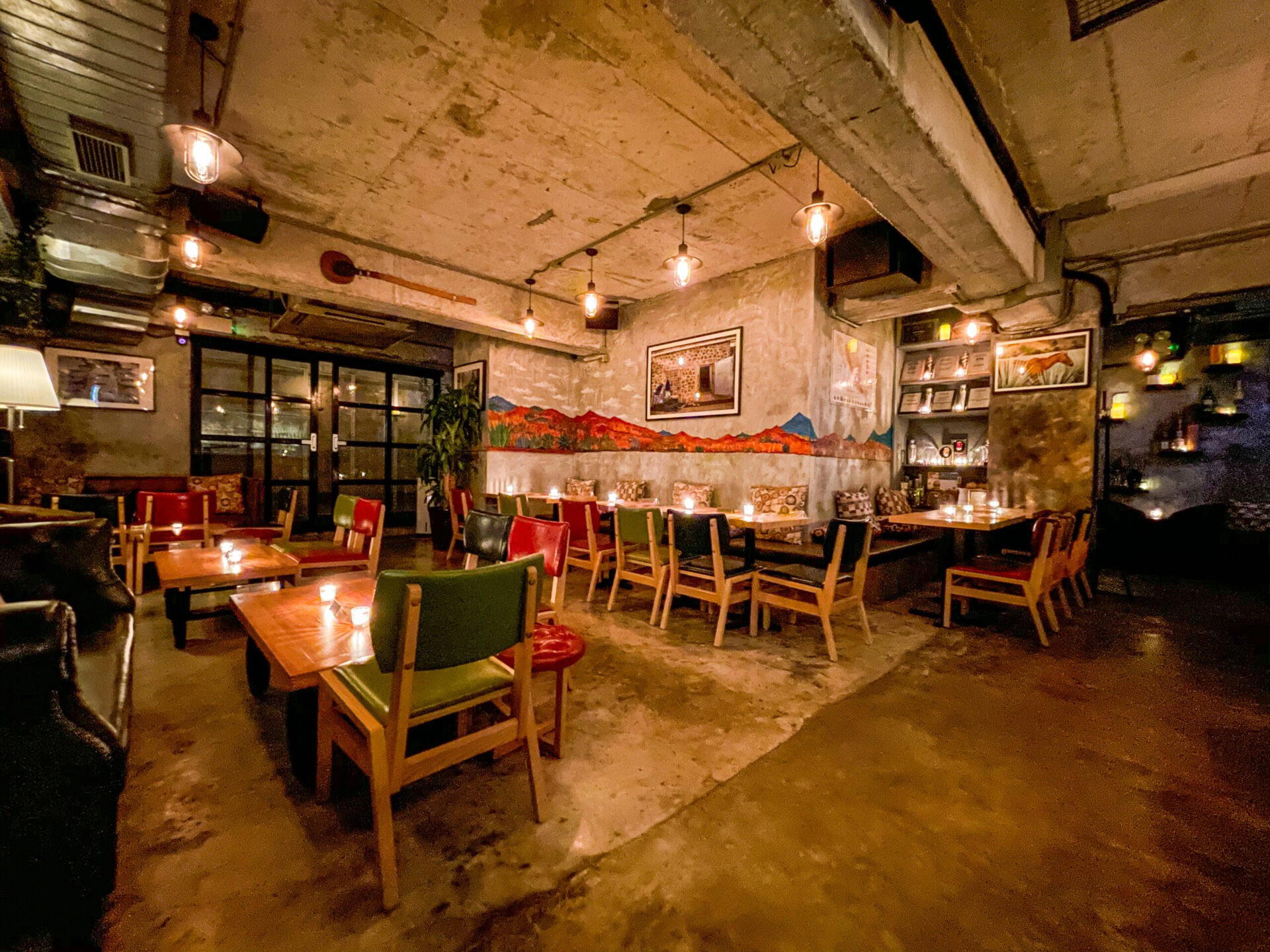
Small eating space with murals depicting tofu production, styled to attract younger crowds alongside traditional appeal.