Tai Hing at Hong Kong International Airport's Terminal 1 (Gate 40) sits within one of the world's most transit-heavy dining corridors, where Cantonese chain operators compete for the attention of time-pressed travellers. As a long-running cha chaan teng format with roots in Hong Kong's roast-meat tradition, it offers a functional, locally grounded alternative to the international fast-casual options that dominate most major airport terminals.
Pearl is the En Primeur Club membership app — saves, bookings, and concierge access live there. Same editors, same standards.
- Address
- Gate 40, Terminal 1
- Directions
- Get directions
 Saves & bookings on Pearl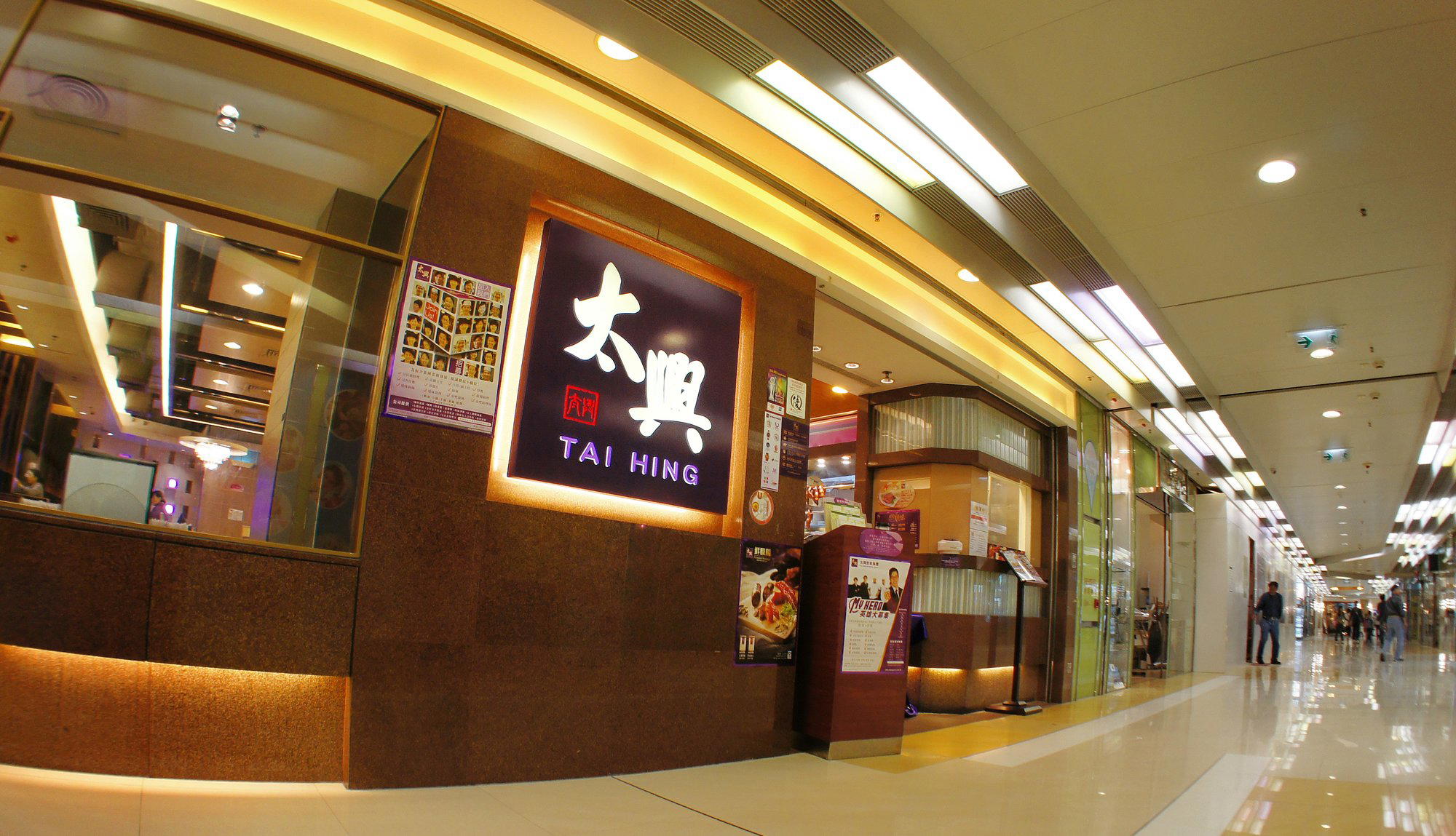
The Airport Dining Tier Tai Hing Occupies
Hong Kong International Airport's Terminal 1 is one of the highest-throughput transit hubs in Asia, and its food and beverage floor reflects that scale. International chains sit alongside homegrown operators, and the hierarchy between them is less about prestige than it is about format legibility for a diverse, jet-lagged crowd. Tai Hing operates within that environment as a reliable anchor of the Cantonese casual tier, a format that has its own internal logic and, for Hong Kong residents in particular, a genuine cultural reference point.
Gate 40, where this location sits, places it in the departures area of Terminal 1, accessible after security to passengers on relevant piers. That positioning matters. Airport dining at this level functions differently from city dining: the progression of a meal is shaped by gate calls, luggage weight, and the uncertainty of boarding sequences rather than by the diner's own pace. What Tai Hing offers within that constraint is a menu anchored in roast meats and congee, formats that translate well to time-compressed eating without losing the structural logic of a Cantonese meal.
What the Cha Chaan Teng Format Means in This Context
The cha chaan teng, Hong Kong's hybrid café format that emerged in the mid-twentieth century as a local response to Western-style diners, has a specific role in the city's food culture. It is where Cantonese households have historically eaten between proper restaurant meals: milk tea, toast with butter and jam, macaroni soup, and roast pork on rice. The format is democratic by design, with a wide price band and a menu that covers breakfast, lunch, and dinner without distinct transitions.
Tai Hing as a chain has built its identity around the roast-meat side of that tradition rather than the café hybrid side. Its city locations, which span Hong Kong Island, Kowloon, and the New Territories, have established a consistent product: roast goose, char siu (barbecued pork), and soy-braised proteins over rice or noodles. The airport location inherits that product identity rather than reconfiguring it for the transit context. That consistency is both its limitation and its value, travellers familiar with the brand know what they are getting before they sit down.
For the broader dining ecosystem within Terminal 1, this positioning creates a useful reference point. Among Hong Kong's airport options, Cantonese operators serve a function that international fast-casual chains cannot replicate: they offer the city's own food culture to departing residents and to arriving visitors who want an immediate, accessible introduction to local eating patterns. The restaurant occupies an entirely different register, one defined by speed, familiarity, and cultural continuity rather than tasting-menu depth.
Reading the Meal as a Sequence
If you are eating at the restaurant in this context, the meal follows a compressed but recognisable arc. The format invites a direct progression: a hot drink first (milk tea or Hong Kong-style coffee, the cha chaan teng signature), then a main plate built around roast meat, typically a single protein or a combination plate over rice, and a soup to close. That three-stage structure mirrors the basic logic of a longer Cantonese meal.
The roast-meat plate functions as the centre of gravity. Cantonese roasting technique, the controlled application of heat and lacquering glazes to achieve specific skin textures and fat rendering, is a craft with its own regional grammar, and the format rewards diners who approach it as a structured dish rather than a convenience item. The contrast between caramelised exterior and yielding interior is the point of the thing, not an incidental feature. In that sense, even at the airport tier, the meal has an internal logic worth following.
The restaurant's airport location sits several tiers below both, but it is not attempting to compete with either. Its competitive set is the other accessible, brand-recognised operators within Terminal 1.
Hong Kong's Airport as a Dining Environment
HKIA Terminal 1 is one of the few airports globally where a traveller can move from a regional chain serving roast goose to a wine bar to a Japanese ramen specialist within a five-minute walk. That density of formats is a product of the airport's scale (it consistently ranks among the world's highest-traffic cargo and passenger hubs) and of Hong Kong's own culture of eating, a city where food decisions are frequent, considered, and tied to specific formats for specific times of day.
The Cantonese casual tier within the terminal is its own ecosystem. It exists for residents who know the product and want continuity before a long-haul flight, and for visitors who have enough cultural literacy to read a roast-meat menu without assistance. It does not require the booking infrastructure of a fine-dining room or the navigational signage of a tourist-facing chain. You arrive, you sit, you order. The meal is over in time for boarding.
For those planning a broader Hong Kong visit beyond the airport, our full Hong Kong restaurants guide maps the city's dining tiers across neighbourhoods, from the formal Cantonese houses of Central and Wan Chai to more local-oriented stops across the territories. Elsewhere in the city's orbit, options like Lei Garden in Sha Tin, Hoi Tin Garden in Tuen Mun, and Coconut Soup in Yau Tsim Mong illustrate how different districts carry their own eating traditions. King Of Soybeans in Wong Tai Sin, Gaia in Central And Western, and One-ThirtyOne in Tai Po extend that map further. For visitors moving through the city's outer areas or waterfront, Former Jumbo Floating Restaurant in Aberdeen and Gangstas in Islands offer distinct reference points. Habib's Indian & Middle Eastern Food in Kwun Tong and I Love Istanbul in Tsuen Wan reflect the city's less-discussed but substantial non-Cantonese dining infrastructure.
For travellers connecting through Hong Kong rather than stopping in the city proper, the restaurant at Gate 40 provides a functionally sound, locally grounded meal within the constraints of the transit environment. Within Terminal 1's food tier, it represents the Cantonese roast-meat tradition with more fidelity than most airports manage for their home city's cuisine.
Practical Considerations
The restaurant's Gate 40 location is accessible post-security within Terminal 1 departures. No booking is available or necessary at this format; the operation runs on walk-in throughput. Seating turnover is fast and wait times are typically short. Budget approximately thirty to forty-five minutes for a full meal including ordering and payment. The pricing sits within the accessible tier of airport F&B, comparable to other Cantonese chain operators in the terminal rather than the full-service restaurant bracket.
- 5-Star Roast Pork
- Iced Milk Tea
- Claypot Chicken and Vegetables
- Steamed Pork with Salted Fish
- Sweet and Sour Pork
- Barbecued and Marinated Platter
A Lean Comparison
Comparable venues nearby, for context on price, style, and recognition.
| Venue | Cuisine | Price | Notes |
|---|---|---|---|
| Tai HingThis venue — the venue you are viewing | Not listed | $$ | Not listed |
| Rte Twisk | Not listed | $$ | Tsuen Wan Northwest, Traditional Cantonese Dim Sum |
| Sun Hon Kee Restaurant | Wu Tip Shan, Modern Hakka Cuisine | $$ | Not listed |
| Mammy Pancake | Tsim Sha Tsui, Hong Kong Egg Waffles | $ | Not listed |
| Hoi Kwong Seafood Restaurant (海港食家) | Not listed | $$ | Ap Lei Chau, Traditional Cantonese Seafood |
| Dynasty | Not listed | $$$ | Wan Chai, Traditional Cantonese & Dim Sum with Harbour Views |
Continue exploring
More in Hong Kong
Restaurants in Hong Kong
Browse all →
Bars in Hong Kong
Browse all →
At a Glance
- Casual
- Well Known
- Lively
- Casual Hangout
- Brunch
- Group Dining
- Standalone
- Open Kitchen
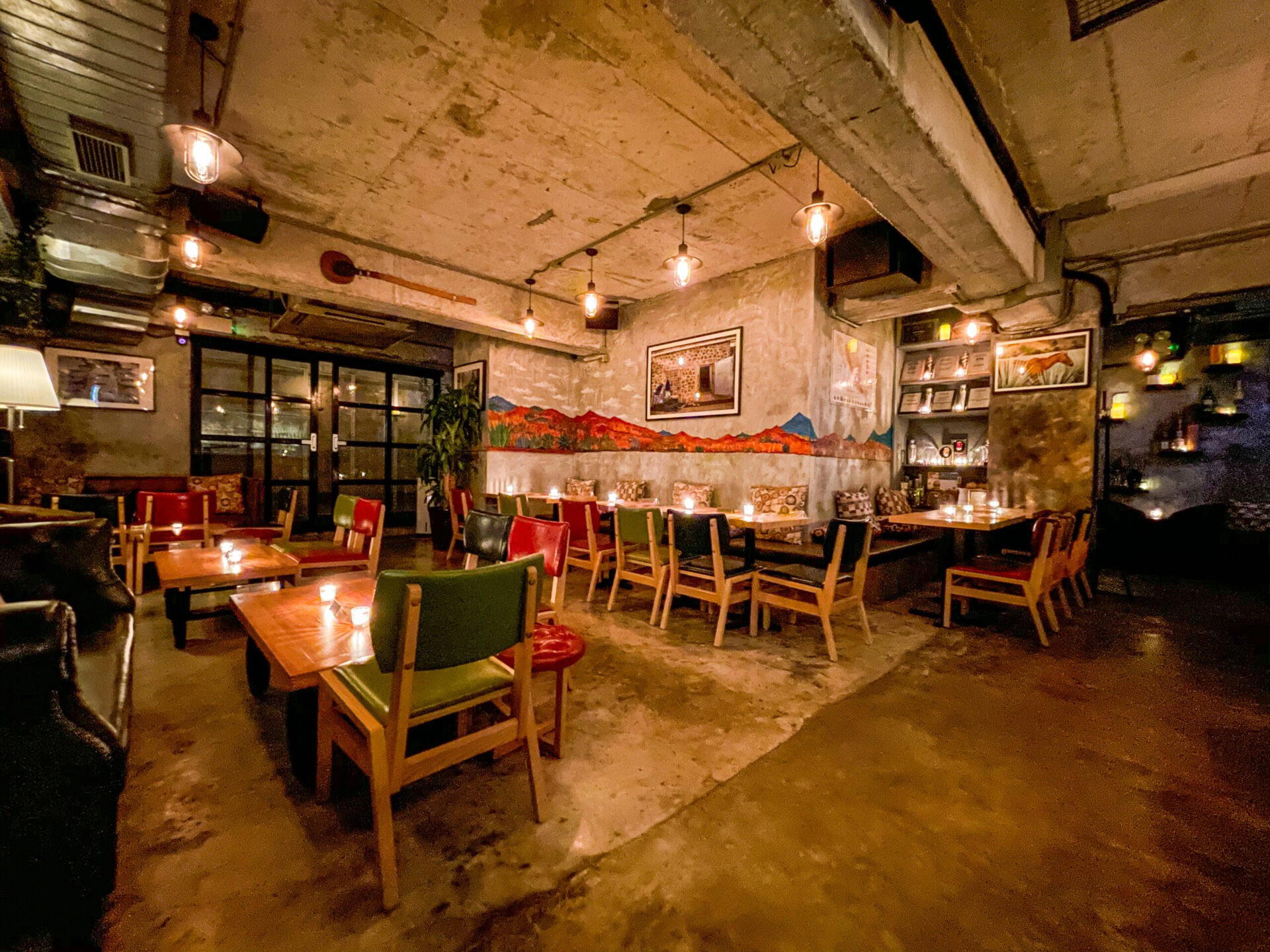
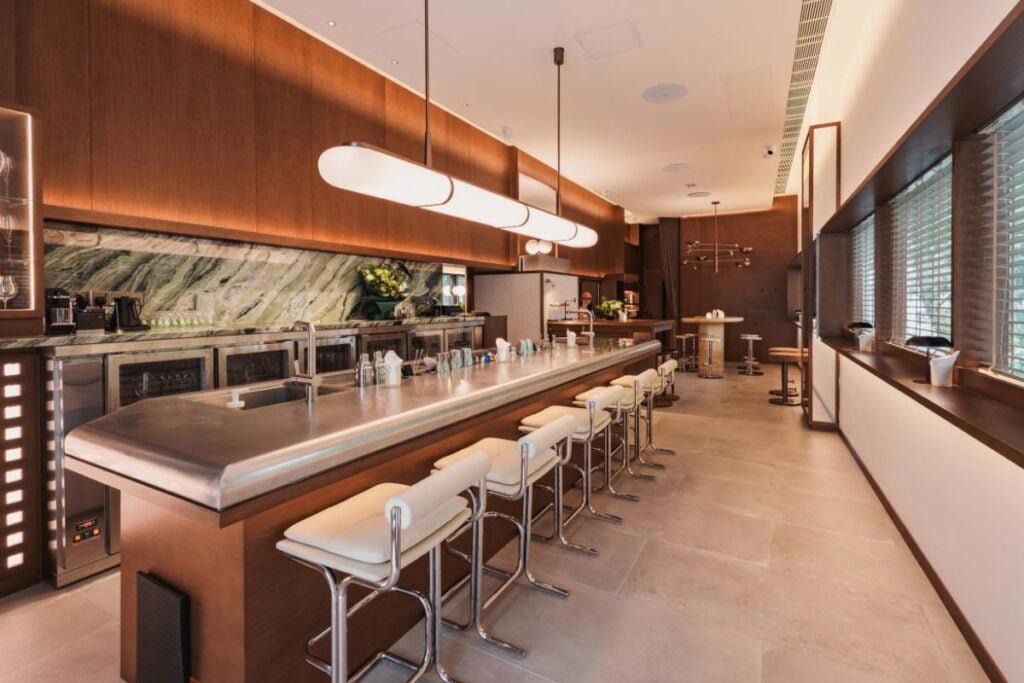
Casual, bustling neighborhood eatery with quick table turnover and efficient QR code ordering; bright and unpretentious with a focus on comfort and convenience.