Chin Sik sits in Tsuen Wan, one of Hong Kong's most quietly serious dining districts, where neighbourhood restaurants often outperform their central counterparts on value and ingredient honesty. The local dining culture here leans toward produce-driven Cantonese cooking, where sourcing decisions and kitchen discipline matter more than room design or media attention. For travellers exploring beyond the harbour-front circuit, Tsuen Wan rewards that effort.
Pearl is the En Primeur Club membership app — saves, bookings, and concierge access live there. Same editors, same standards.
- Address
- Tsuen Wan, Hong Kong
- Phone
- +85224922831
- Directions
- Get directions
 Saves & bookings on Pearl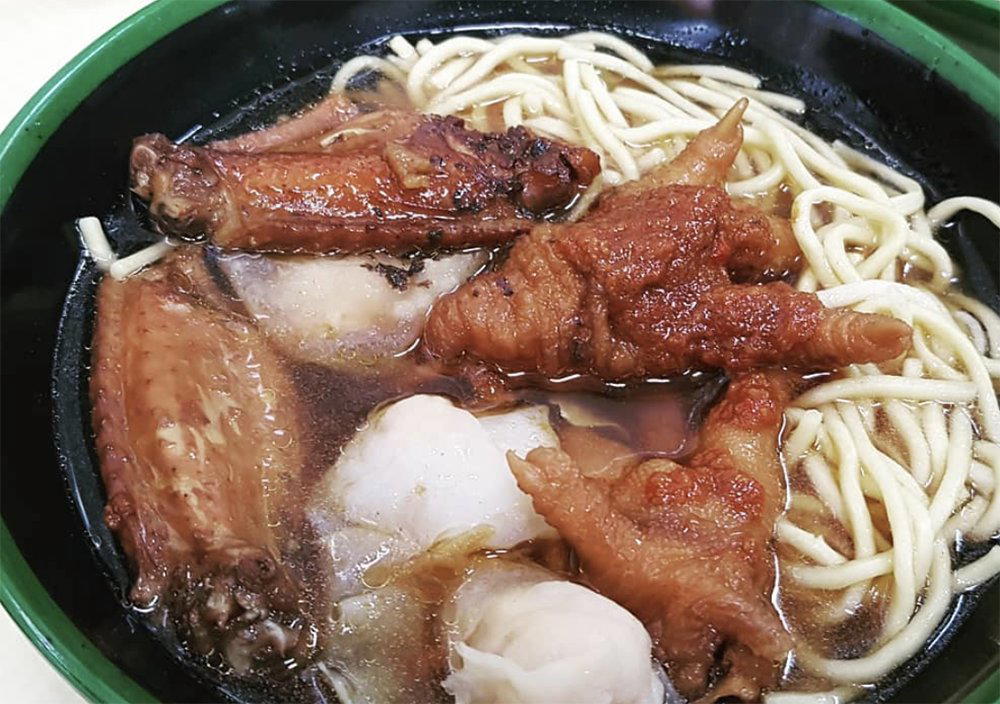
Tsuen Wan's Dining Character: Where the City Eats Without Performing
Hong Kong's restaurant conversation tends to orbit Central, Wan Chai, and the hotel dining rooms that cluster around the harbour. That focus is understandable, Amber in Hong Kong and the long-running prestige of Le Salon de Thé de Joël Robuchon Hong Kong (ifc mall) in Central have long shaped the city’s dining conversation. But the New Territories side of Hong Kong, and Tsuen Wan in particular, operates on a different register entirely. Restaurants here are not competing for hotel guests or expense-account lunches. They are cooking for the neighbourhood, and that accountability tends to produce a different kind of honesty on the plate.
Tsuen Wan sits at the western end of the MTR Tsuen Wan Line, roughly twenty minutes from Central by rail, close enough for a deliberate detour but far enough that most visitors never make it. That geographic separation has preserved something worth preserving: a dining culture where kitchen decisions are measured against local regulars who eat the same food weekly, not tourists who arrived once and will never return. The standards that matter here are freshness, price integrity, and the kind of consistency that only comes from sourcing the same suppliers across years rather than seasons.
The Ingredient Logic Behind Neighbourhood Cantonese Cooking
The broader context for understanding a restaurant like Chin Sik is the Cantonese approach to ingredients, which prioritises live or same-day produce over preparation technique. This is not a recent trend. Hong Kong's wet markets have historically supplied neighbourhood kitchens with fish pulled from tanks that morning, tofu made within the district, and vegetables arriving from the New Territories' own farming belt or from across the border in Guangdong province, where supply relationships often run decades deep.
That sourcing logic is what separates Cantonese neighbourhood cooking from its more theatrical counterparts elsewhere. At the fine-dining end of the Hong Kong spectrum, venues such as AMMO in Central And Western work with produce in a more curated, European-influenced frame. Further down the price tier, the discipline is rawer and more direct: the ingredient either holds up on its own or the dish fails. There is no sauce architecture to compensate. This is the competitive environment in which Tsuen Wan's neighbourhood restaurants operate, and it is a demanding one.
Across Hong Kong's outer districts, this same principle plays out in different registers. Lei Garden in Sha Tin represents the more polished end of the New Territories dining spectrum, with a formal Cantonese format and the kind of kitchen investment that earns critical attention. At the more local end, places like Hoi Tin Garden in Tuen Mun hold their ground through community trust built over years of consistent sourcing. Chin Sik operates within that broader pattern of outer-district restaurants earning their standing through repetition and ingredient discipline rather than occasion dining.
Tsuen Wan in the Context of Hong Kong's Wider Dining Geography
Placing Chin Sik accurately requires understanding where Tsuen Wan sits in Hong Kong's broader dining map. The city's restaurant culture is genuinely distributed across districts in a way that visitors often underestimate. The heritage of floating seafood dining, represented by venues like the Former Jumbo Floating Restaurant in Aberdeen, points to a long tradition of Hong Kongers travelling across districts specifically to eat. That tradition continues in quieter form throughout the New Territories, where specific kitchens attract loyal followings from multiple neighbourhoods.
The comparison with Kowloon-side dining is also instructive. Venues such as Block 18 Doggie's Noodle in Yau Tsim Mong demonstrate how a single-minded focus on one format, in that case, noodles, can generate a reputation that travels beyond the immediate postcode. Tsuen Wan has its own version of that dynamic, with neighbourhood restaurants developing a following based on a specific dish type or sourcing relationship rather than a full-format dining experience.
For visitors whose itinerary includes more than Hong Kong Island, Tsuen Wan is accessible enough to include as part of a wider New Territories day. One-ThirtyOne in Tai Po and Sai Kung Sing Kee in Sai Kung represent different corners of that outer-district dining map, each with its own sourcing identity and neighbourhood logic. The restaurant fits within that same category of restaurants where the draw is the cooking itself, not the setting or the occasion.
Neighbourhood Context and the Case for the Detour
Tsuen Wan's street-level dining mix reflects the district's demographic character: a working residential area with a strong Cantonese base, supplemented by immigrant communities that have added South Asian and Middle Eastern food options alongside the dominant local formats. That kind of dining diversity is visible across Hong Kong's outer districts, from Habib's Indian and Middle Eastern Food in Kwun Tong to the multicultural mix around I Love Istanbul in Tsuen Wan itself, which sits in the same neighbourhood and points to the district's appetite for cooking from beyond the Cantonese tradition.
The case for making the trip from central Hong Kong to Tsuen Wan is essentially the same case that applies to neighbourhood dining in any dense city: proximity to the source, accountability to the local customer, and pricing that reflects actual food cost rather than real estate overhead. In cities like New York, that logic underpins the appeal of outer-borough dining in the same way that Tsuen Wan operates as a counterpoint to the harbour-front dining circuit. Venues like Atomix in New York City and Le Bernardin in New York City occupy a rarefied tier built on technique and occasion; what their cities also contain, and what visitors often miss, is the deeper stratum of neighbourhood restaurants where the cooking is less performing and more functional in the leading sense.
Quick Comparison
Comparable venues nearby, for context on price, style, and recognition.
| Venue | Cuisine | Price | Notes |
|---|---|---|---|
| Chin SikThis venue — the venue you are viewing | Hong Kong Cart Noodles | $$ | Not listed |
| I Love Istanbul | Turkish | $$ | Tsuen Wan |
| Tung Po Kitchen | Hong Kong Dai Pai Dong | $$ | Wan Chai |
| Chilli Fagara | Authentic Sichuan Ma-La-Tang | $$ | Central |
| Tasty Congee & Noodle Wantun Shop | Traditional Cantonese Congee & Wonton Noodles | $$ | Wan Chai |
| Dim Sum and the Art of Chinese Tidbits | Traditional Cantonese Dim Sum | $$ | Wan Chai |
Continue exploring
More in Tsuen Wan
Restaurants in Tsuen Wan
Browse all →
Bars in Tsuen Wan
Browse all →


At a Glance
- Cozy
- Casual Hangout
- Late Night
Current opening hours
- Monday
- 11 AM–1:30 AM
- Tuesday
- 11 AM–1:30 AM
- Wednesday
- 11 AM–1:30 AM
- Thursday
- 11 AM–1:30 AM
- Friday
- 11 AM–1:30 AM
- Saturday
- 11 AM–1:30 AM
- Sunday
- 11:30 AM–1:30 AM
Hours can change for holidays and private events. Last verified .
Long narrow space with a few tables inside and outside, offering a casual street food atmosphere.