Set within the Asia Society Hong Kong Center in Admiralty, AMMO occupies a converted colonial-era explosives magazine that gives the dining room a structural gravity few venues in the city can match. The kitchen draws on European technique applied to ingredients with clear regional provenance, positioning it firmly within Hong Kong's more considered mid-to-upper dining tier.
Pearl is the En Primeur Club membership app — saves, bookings, and concierge access live there. Same editors, same standards.
- Address
- Hong Kong, Admiralty, Justice Dr, 9號亞洲協會香港中心低層
- Phone
- +85225379888
- Website
- ammo.com.hk
- Directions
- Get directions
 Saves & bookings on Pearl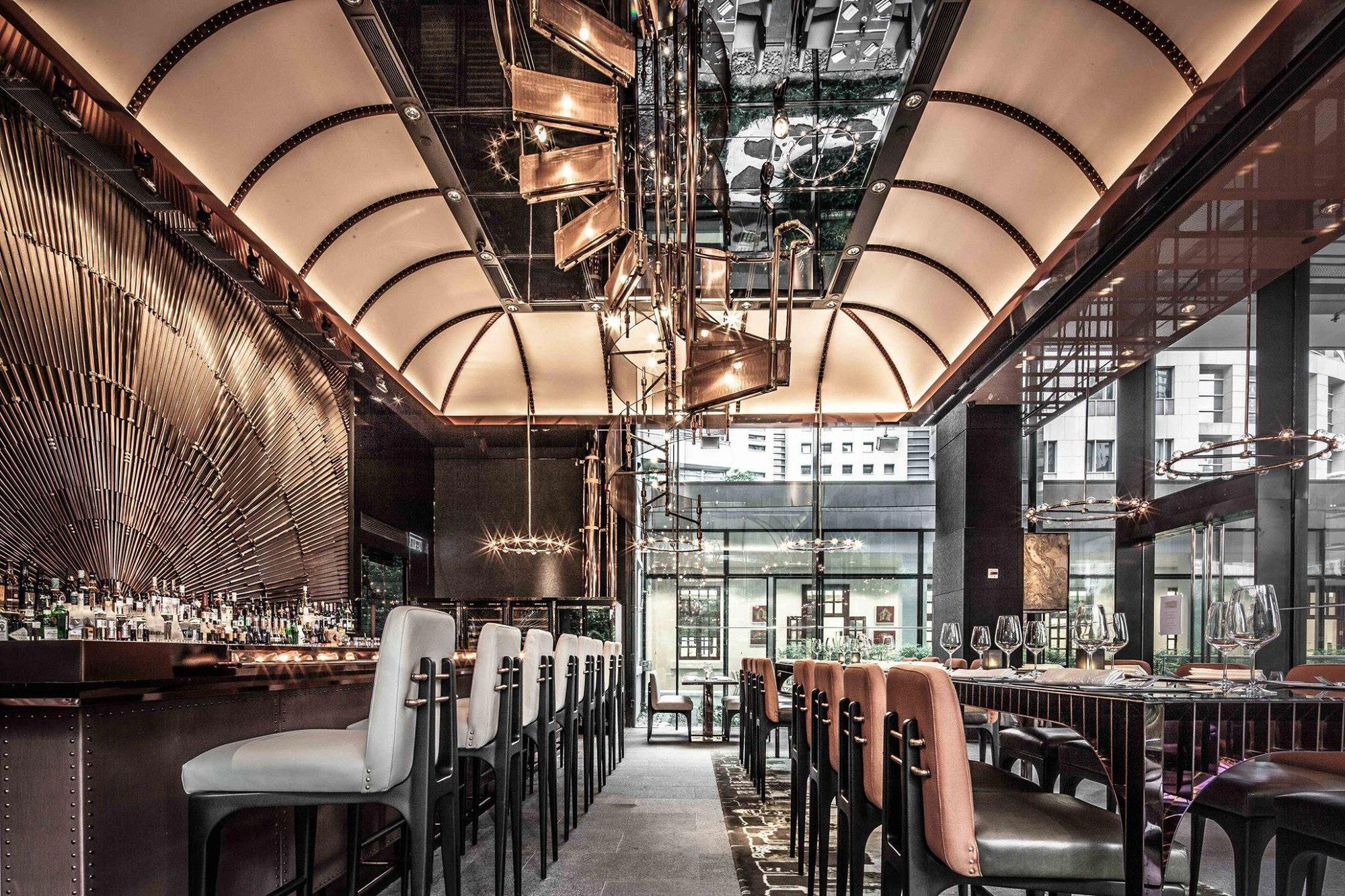
A Dining Room Built Into History
Admiralty sits at the hinge between Central's financial density and the greener, quieter corridors that run toward Pacific Place and the Asia Society complex. It is in this slightly removed pocket that AMMO occupies a converted colonial explosives magazine, a listed heritage building that dates to the British garrison era. That architectural context is not decorative detail: the thick stone walls, vaulted ceilings, and surrounding garden terraces shape the physical experience of the meal before a single plate arrives. In a city where dining rooms are more typically stacked inside glass towers or carved out of basement retail, that kind of spatial grounding is genuinely rare.
Hong Kong's dining scene has spent the last decade pulling in two directions simultaneously: a high-gloss international tier represented by counters and formal rooms such as 8½ Otto e Mezzo BOMBANA and Amber in Hong Kong, and a broader mid-tier that has grown considerably more technically ambitious over the same period. AMMO occupies the latter space, where European cooking traditions meet a Hong Kong audience that expects ingredient quality and kitchen confidence in equal measure.
Sourcing as the Foundation
The ingredient-sourcing argument matters more in Hong Kong than in many comparable cities. The territory imports the overwhelming majority of its food supply, which means the sourcing decisions a kitchen makes carry weight that goes beyond menu copywriting. A restaurant that commits to traceability and supplier relationships is operating against significant logistical friction, and that effort tends to show in the plate.
AMMO's kitchen works within a European framework, a category that in Hong Kong tends to mean one of two things: a Cantonese-inflected continental style that softens edges for local palates, or a more disciplined, sourcing-led approach that treats European technique as a lens through which quality ingredients are handled with minimal interference. The better operators in this tier align with the latter. Across the broader Central and Western dining scene, venues such as Aaharn and Café Hunan demonstrate that sourcing specificity, whether for Thai produce or Hunanese ingredients, functions as a credibility signal to a Hong Kong audience that has grown increasingly fluent in reading those signals.
The garden terrace at AMMO, available when weather permits, extends the sourcing logic into the physical setting. Alfresco dining in Hong Kong is seasonally constrained, the humid subtropical climate making the October-to-March window the reliable, and restaurants that manage outdoor space well tend to fill those tables quickly during the cooler months. Visitors planning around this should factor in the seasonal dimension: a terrace booking in November occupies a different category of experience than the same table in July.
Where AMMO Sits in the Admiralty and Central Tier
The question worth asking about any restaurant in this part of Hong Kong is which comparable set it actually competes against. Admiralty dining has a slightly different character than the Central core: it draws a professional lunch crowd from the surrounding office towers and a more leisure-oriented dinner audience that often comes from the hotel corridor along Queensway or from the cultural programming at the Asia Society itself. That dual audience shapes what a kitchen needs to deliver: lunch service that moves efficiently without sacrificing quality, and dinner that earns its own evening rather than coasting on location.
By positioning within the Asia Society complex, AMMO automatically draws a culturally engaged audience, attendees of exhibitions, film screenings, and public programs who are predisposed to a considered rather than perfunctory dining experience. This is a meaningful competitive advantage in a city where foot traffic alone can sustain a mediocre operation indefinitely. It also sets a standard: the audience arriving from an arts program expects the dining experience to match the register of the broader visit.
For comparison across Hong Kong's wider dining spectrum, the contrast is instructive. The Former Jumbo Floating Restaurant in Aberdeen represented a different relationship between setting and food, where spectacle was the product. Le Salon de Thé de Joël Robuchon Hong Kong (ifc mall) in Central sits in a retail-anchored luxury tier. AMMO's position in a heritage arts complex places it in a smaller, more specifically curated category where the physical and cultural context is inseparable from the dining proposition.
For readers building out a broader Hong Kong itinerary, Central and Western offers a wide range of dining formats and price points. Across the wider city, venues such as Block 18 Doggie's Noodle in Yau Tsim Mong, Lei Garden in Sha Tin, and Hoi Tin Garden in Tuen Mun demonstrate how different the city's dining registers can be once you move beyond the Central core. For international comparison, the sourcing discipline that defines the more serious European kitchens in Hong Kong shares a philosophical reference point with operations such as Le Bernardin in New York City and Lazy Bear in San Francisco, where ingredient provenance is treated as a structural element of the menu rather than a marketing addition.
Planning Your Visit
The surrounding district includes Bayi and cafe TOO among the Central and Western options, giving the area genuine range for those building a multi-meal itinerary.
- Slow Cooked Egg with Toro and Sea Urchin
- Seared Chilean Seabass with Ginger Soy Sauce
- Sous-Vided Australian Lamb Rack
- Lobster Macchiato
- Crab Meat Risotto
- Pistachio Tiramisu
Comparison Snapshot
Comparable venues nearby, for context on price, style, and recognition.
| Venue | Cuisine | Price | Notes |
|---|---|---|---|
| AMMOThis venue — the venue you are viewing | Italian-Japanese Fusion with Contemporary European Influence | $$$ | Not listed |
| Dragon Academy HK | Modern Cantonese Noodles & Dim Sum | $$$ | Central |
| Ye Shanghai | Traditional Shanghainese | $$$ | Admiralty |
| Cristal Room by Anne-Sophie Pic | Modern French with Asian Influences | $$$$ | Central |
| Carbone | New York-Style Italian | $$$$ | Central |
Continue exploring
More in Central And Western
Restaurants in Central And Western
Browse all →
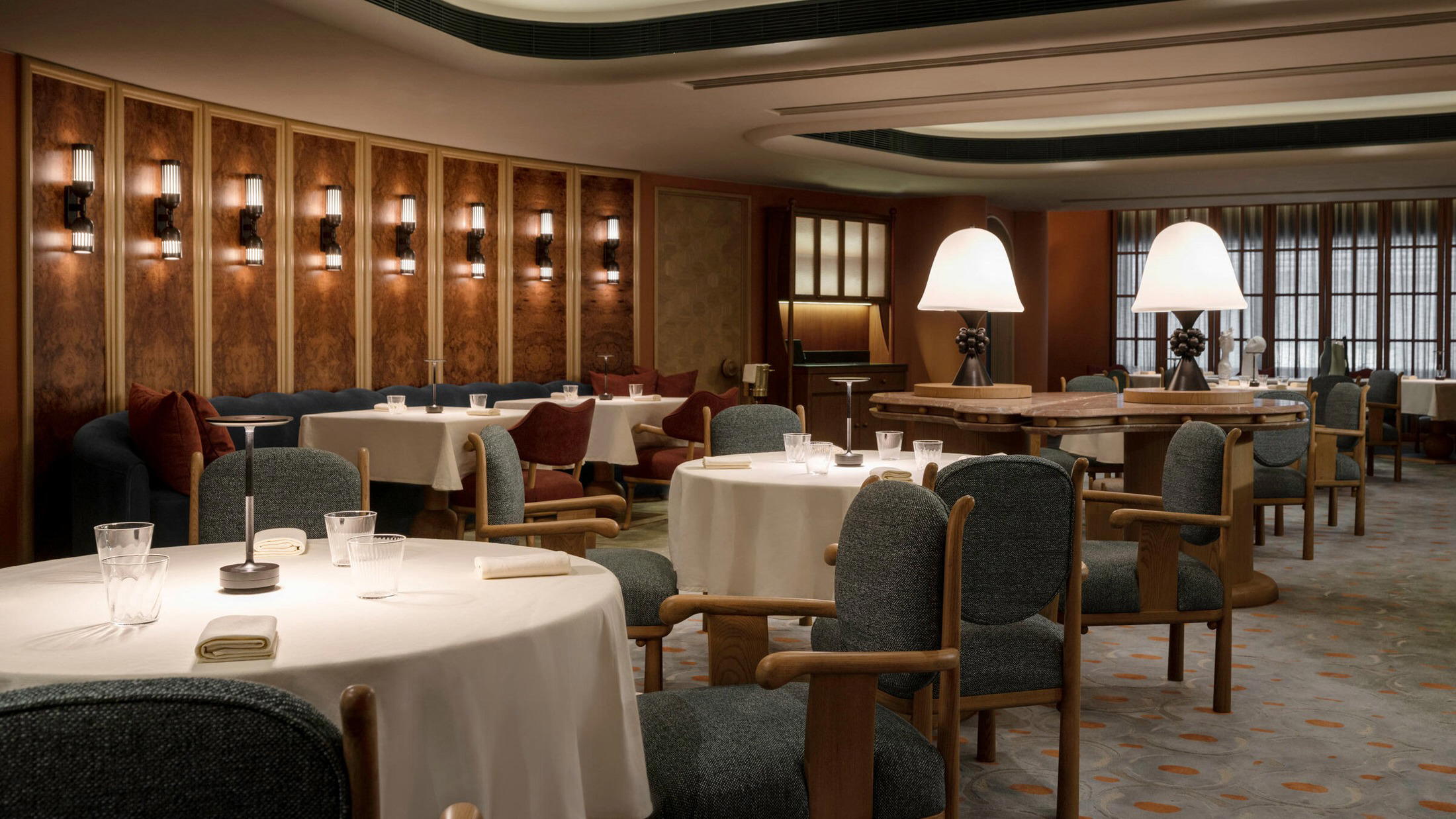
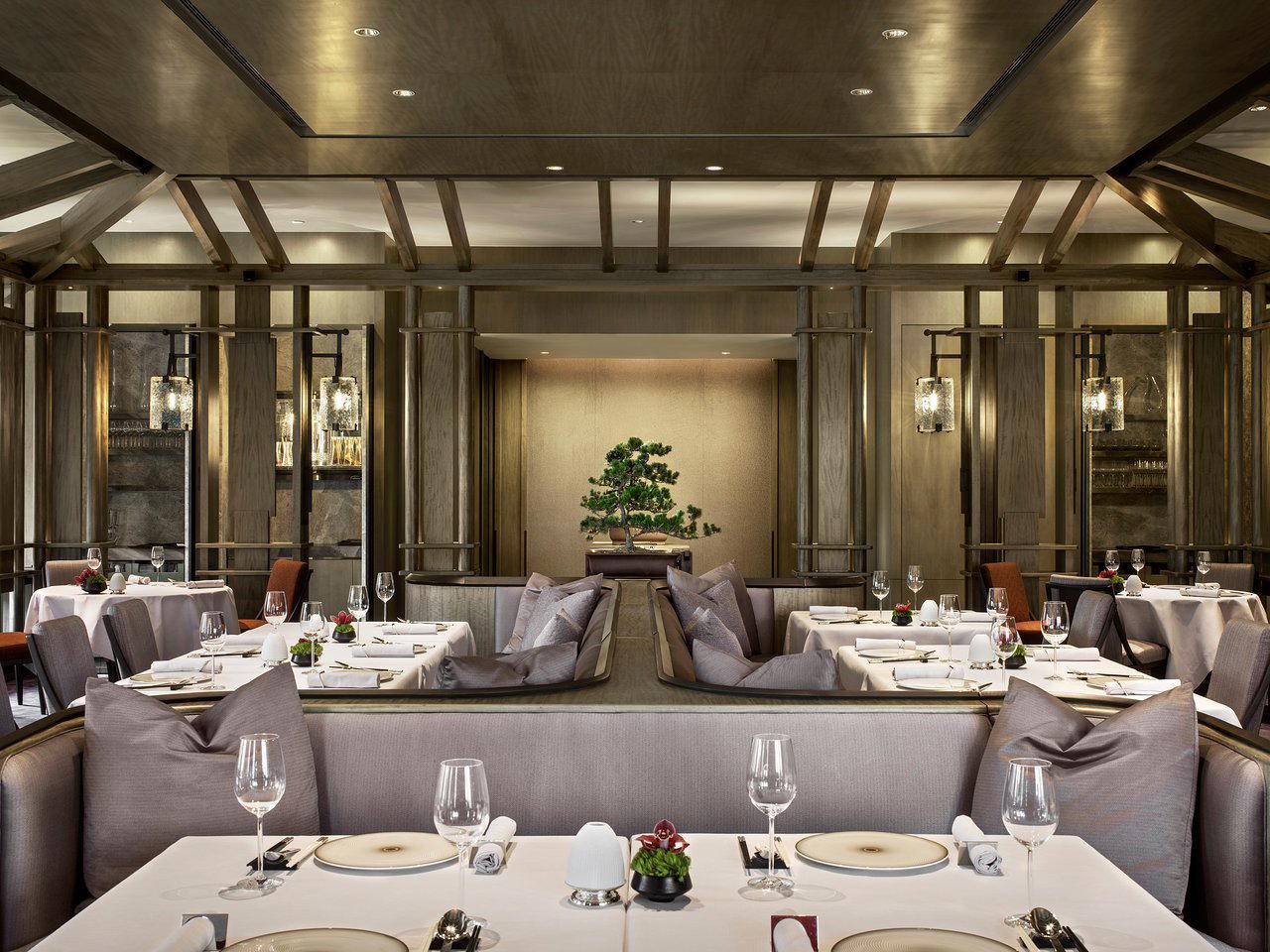
Bars in Central And Western
Browse all →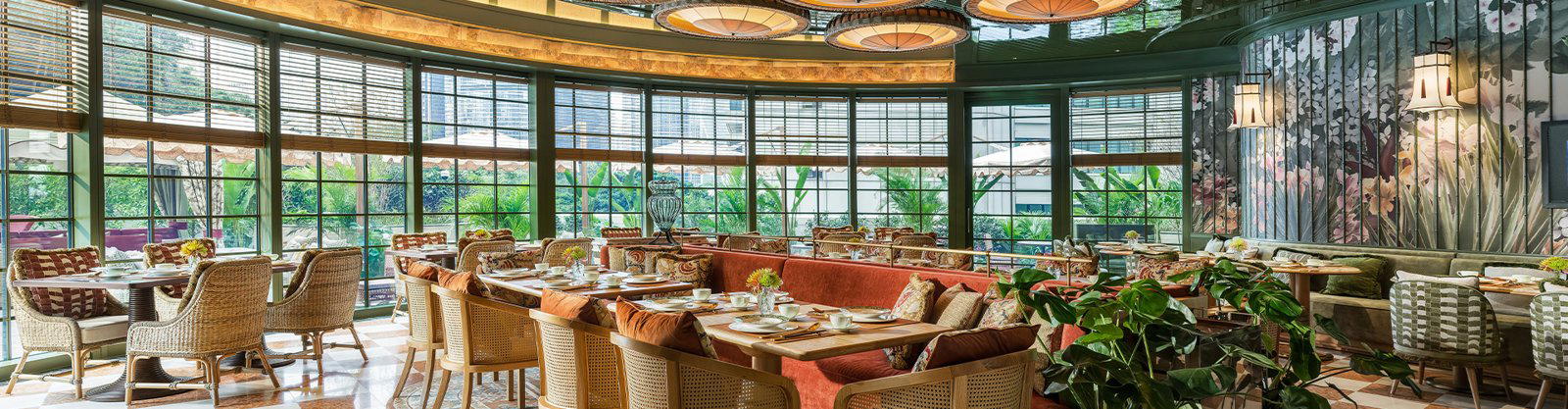
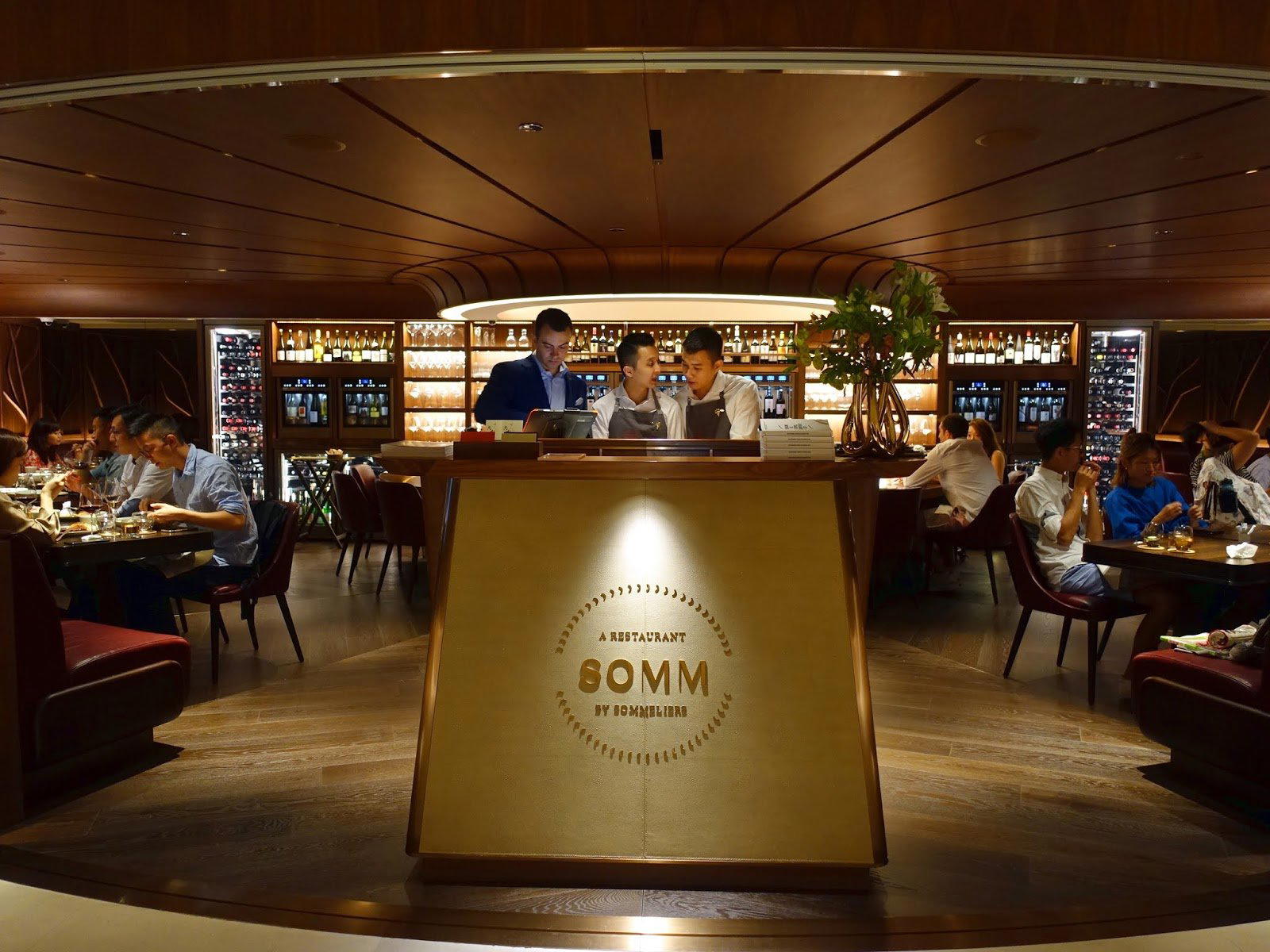
At a Glance
- Modern
- Elegant
- Sophisticated
- Scenic
- Date Night
- Business Dinner
- Special Occasion
- Garden
- Historic Building
- Design Destination
- Open Kitchen
- Extensive Wine List
- Craft Cocktails
- Local Sourcing
- Garden
Current opening hours
- Monday
- 12–10 PM
- Tuesday
- 12–10 PM
- Wednesday
- 12–10 PM
- Thursday
- 12–10 PM
- Friday
- 12–10 PM
- Saturday
- 12–10 PM
- Sunday
- 12–10 PM
Hours can change for holidays and private events. Last verified .
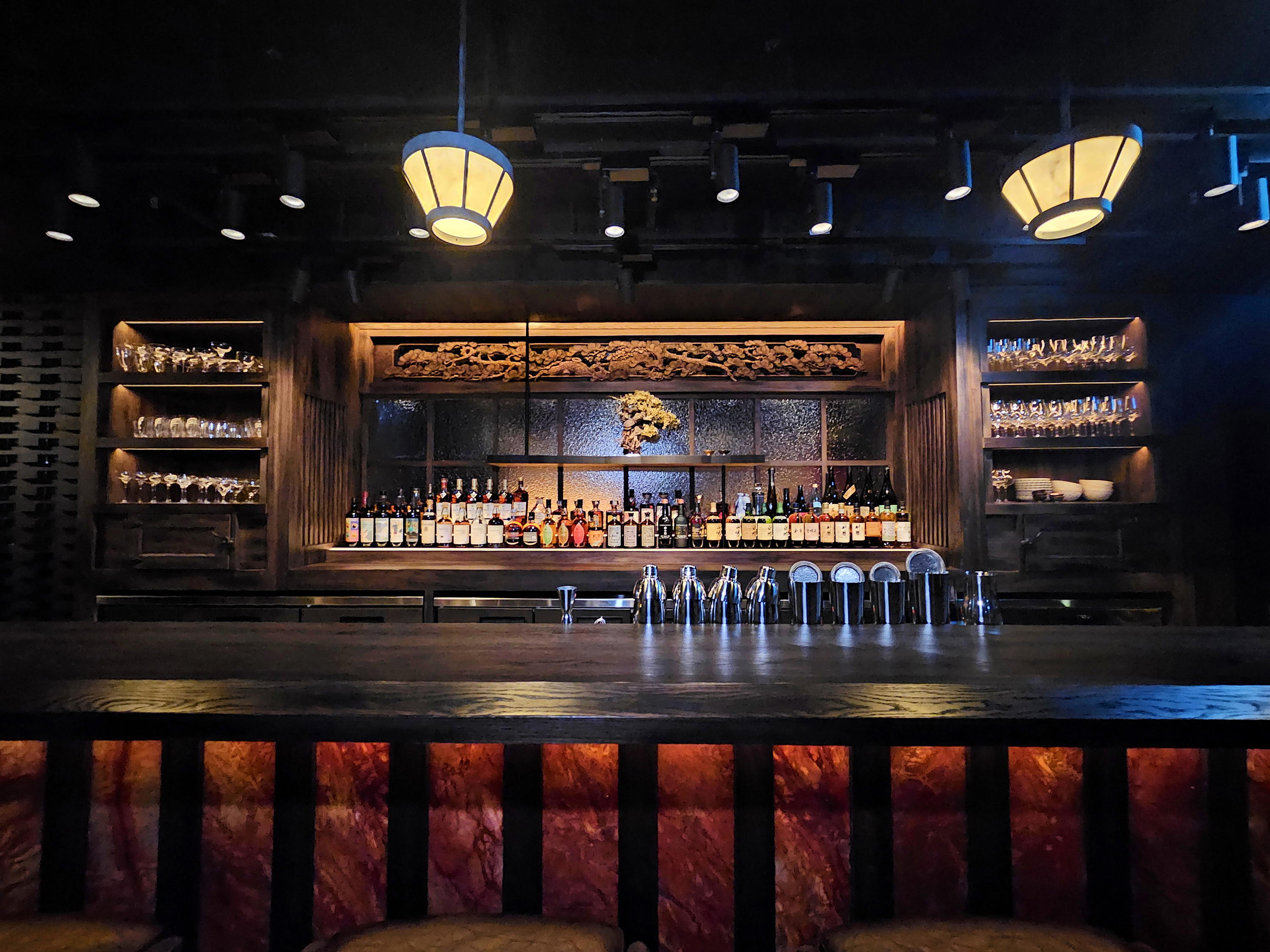
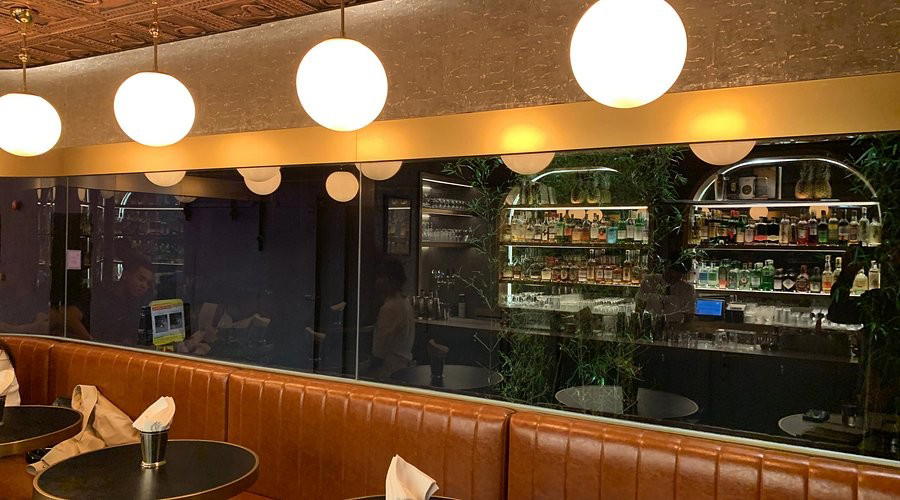
Art Deco with futuristic twist; floor-to-ceiling glass construction with copper embellishments, spiral staircases as chandeliers, and bunker-like ceiling creating a classy greenhouse aesthetic set against lush greenery.