Sitting inside the Hong Kong Disneyland Hotel on Lantau Island, Enchanted Garden Restaurant operates within one of Hong Kong's most self-contained resort environments. The dining room draws on the broader resort context to deliver a family-oriented meal in surroundings that lean heavily on theatrical presentation. For the Islands district, it occupies a distinct niche within a limited local dining field.
Pearl is the En Primeur Club membership app — saves, bookings, and concierge access live there. Same editors, same standards.
- Address
- Hong Kong Disneyland Hotel, Hong Kong Disneyland Resort, Lantau Island, Hong Kong
- Phone
- +85235106000
- Website
- hongkongdisneyland.com
- Directions
- Get directions
 Saves & bookings on Pearl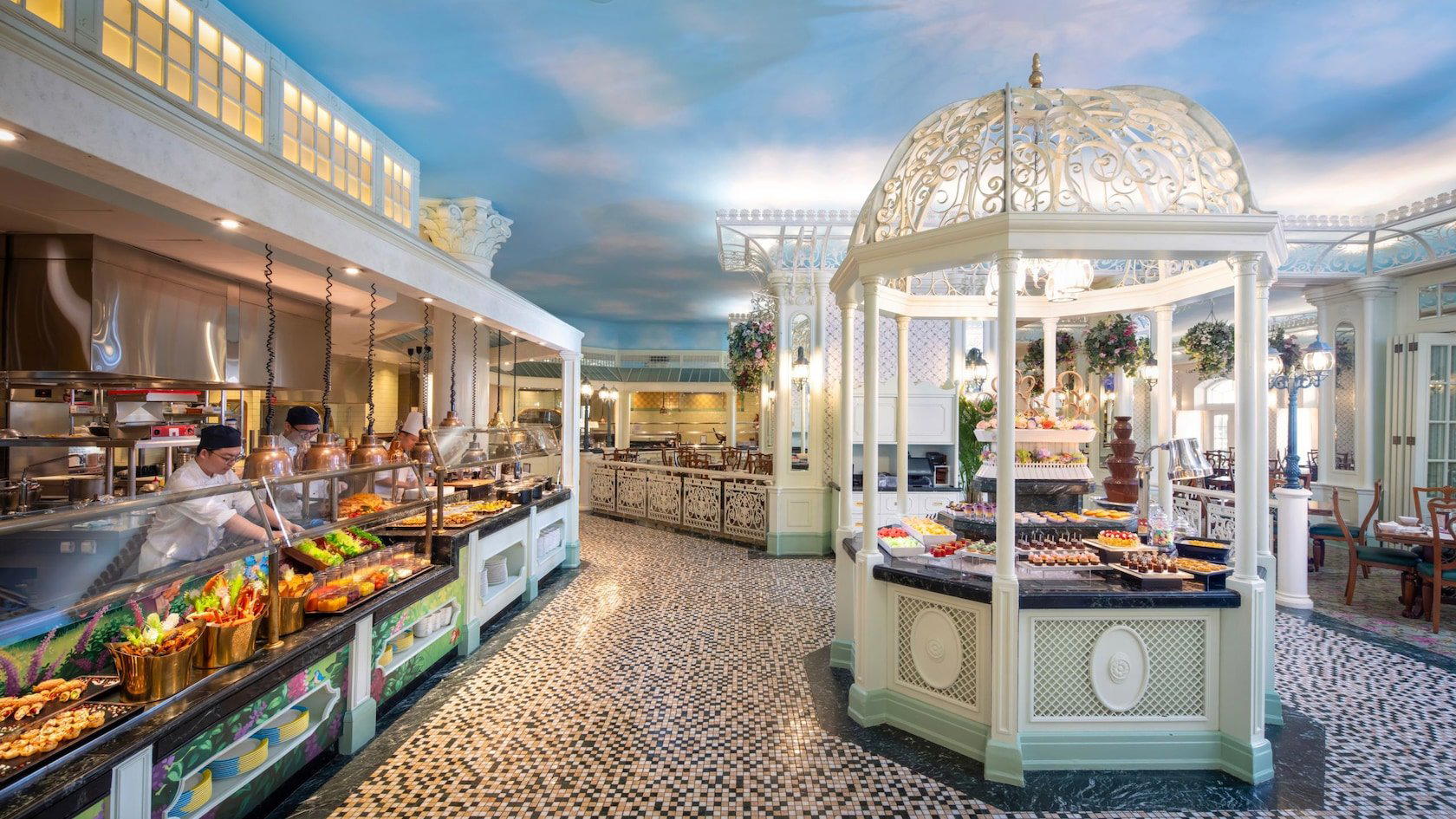
Dining at the Edge of the Resort: What Lantau Island's Disneyland Hotel Brings to the Table
The Islands district of Hong Kong is not where most serious dining conversations begin. Lantau Island's western reaches are defined by fishing villages, the Tung Chung corridor, and the contained world of Hong Kong Disneyland Resort, a self-sufficient environment with its own accommodation, entertainment, and food and beverage infrastructure. Within that infrastructure, Enchanted Garden Restaurant occupies the hotel dining tier, positioned inside the Hong Kong Disneyland Hotel as the property's principal all-day restaurant. That context matters before anything else is said about the food.
Resort hotel dining across Asia has followed two divergent paths over the past decade. On one side, international luxury properties have invested in destination restaurants with independent credentialing, spaces where the hotel address is incidental to the dining proposition. On the other, family-resort dining has leaned into experience as the primary delivery mechanism, where themed environments and convenience carry as much weight as what arrives on the plate. Enchanted Garden belongs firmly in the second category, and understanding that framing shapes every expectation that follows. This is a different brief from precision-led independent dining in the city.
The Room and What You Walk Into
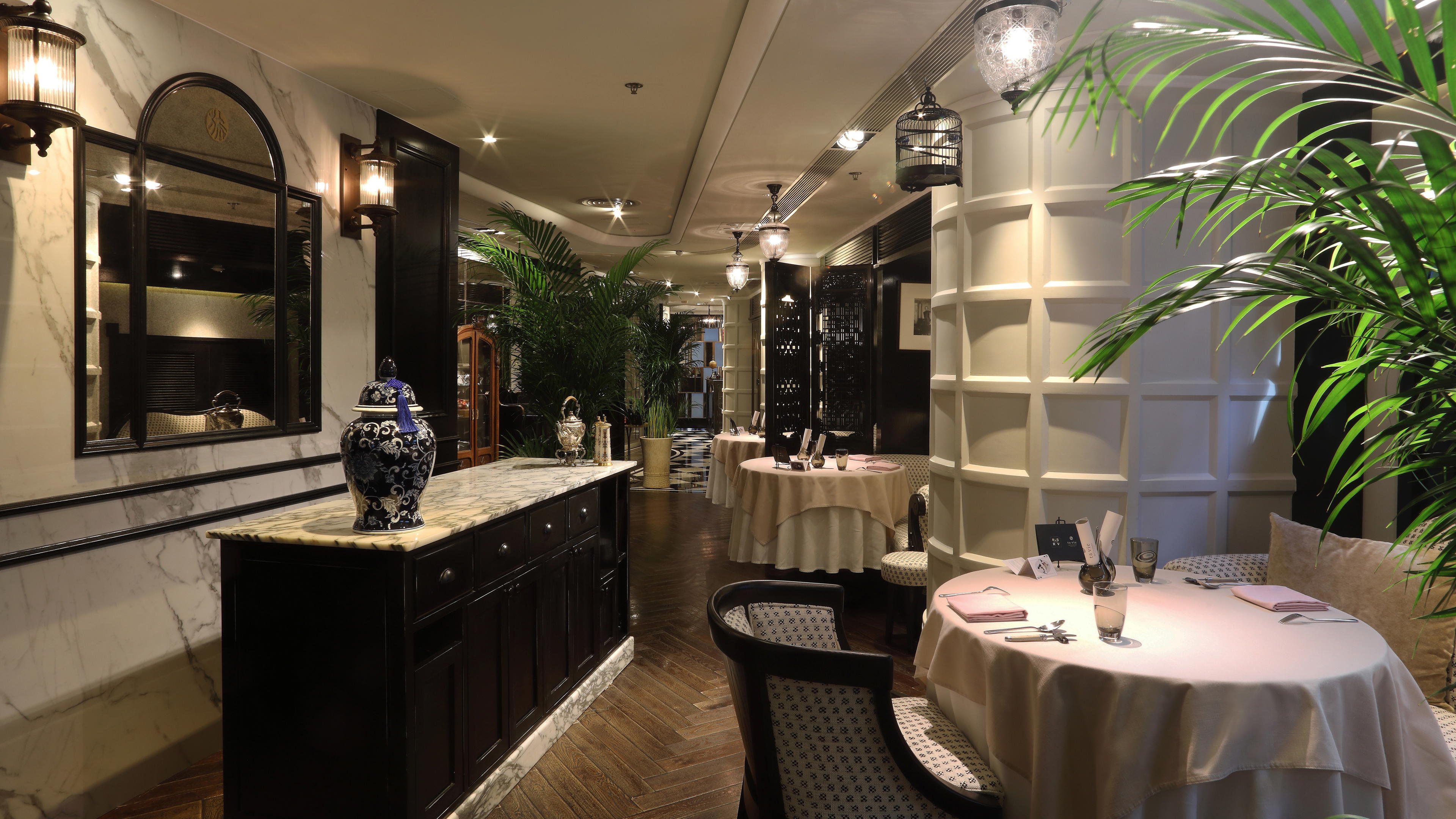
Approaching through the Hong Kong Disneyland Hotel's Victorian-inspired architecture, the transition from resort corridor to dining room carries the visual grammar of the broader property, high ceilings, soft theatrical lighting, and design references that nod to a storybook European garden. The room is built to function as an environment first, a restaurant second. Families arriving after a day at the park will find the pacing and the spatial layout calibrated to that reality: wide table spacing, accessible sightlines, and a format that does not demand sustained quiet.
For anyone arriving from urban Hong Kong's denser dining rooms, the tight counters of Central, the compact rooms of Wan Chai, the scale reads as generous. That spatial generosity is a deliberate resort-hotel design choice, and it produces a particular atmosphere: animated, child-tolerant, and unhurried in a way that Central-district restaurants rarely are.
What Sourcing Looks Like Inside a Resort Model
The ingredient-sourcing question at any resort hotel restaurant is worth examining seriously, because the constraints are different from those facing a standalone kitchen. A resort dining operation sources at volume and for consistency across a broad guest demographic. The priority is reliability across service periods rather than the single-supplier relationships or market-morning procurement that characterise Hong Kong's more independently minded kitchens.
Hong Kong's broader dining culture has a strong tradition of connecting sourcing to freshness, the wet market logic that runs through Cantonese cooking, the live-seafood tanks that define places like Sai Kung Sing Kee in Sai Kung, and the whole chain of relationships between fisherman, market, and wok. Resort dining sits at some distance from that tradition. The supply chain is longer, the storage requirements different, and the menu breadth, typically spanning multiple cuisine types to serve international guest profiles, works against the tight sourcing relationships that narrow, single-cuisine kitchens can maintain.
This does not mean the food is poorly sourced. It means the sourcing model is optimised for different outcomes: consistency, allergy management, broad palatability, and the ability to serve large numbers across extended service windows. For visitors whose primary frame of reference is the resort experience rather than Hong Kong's independent restaurant scene, this is a functional and often satisfying arrangement.
For a sense of how tightly sourced, locally rooted Hong Kong cooking operates at the other end of the spectrum, the contrast with Lei Garden in Sha Tin or the ingredients-first approach at One-ThirtyOne in Tai Po is instructive. These are kitchens where provenance is part of the proposition; Enchanted Garden operates within a different set of priorities entirely.
Who This Works For and When
The more useful question is not how Enchanted Garden compares to Hong Kong's independent dining circuit, but whether it delivers within its own brief. For families based at the resort, the convenience calculus is direct: you are already here, the children are already in the context, and the food needs to be accessible and consistent rather than challenging. On those terms, a hotel all-day restaurant of this type does what it is designed to do.
The Islands district offers limited alternatives for visitors without a car or willingness to commit to a longer transit journey toward Tung Chung or Central. Gangstas represents a different register within the Islands category, as does the broader dining field surveyed in our full Islands restaurants guide. But within the resort perimeter, Enchanted Garden holds a position of practical monopoly for hotel guests who choose not to venture further.
Timing your visit to avoid peak resort periods, school holidays, Chinese public holidays, and the high-season December window, will significantly affect the quality of the experience. The room's spatial generosity that reads as relaxed during quieter periods compresses noticeably when the resort is operating at capacity. Early dinner seatings, before the post-park rush arrives, generally allow for a more composed meal.
Planning Your Visit
Enchanted Garden Restaurant sits inside the Hong Kong Disneyland Hotel, accessible to both resort hotel guests and day visitors to the resort. Reaching it from urban Hong Kong means taking the MTR Tung Chung line to Sunny Bay, then transferring to the Disneyland Resort line, a journey of roughly 35 to 40 minutes from Kowloon. The hotel itself is a short walk from the resort's main entrance. Reservations are advisable for families during peak periods; walk-in availability is generally more accessible on weekday evenings outside school holiday windows. For context on the broader Hong Kong dining scene beyond the resort, the range runs from neighbourhood specialists to more formal city dining rooms.
Side-by-Side Snapshot
Comparable venues nearby, for context on price, style, and recognition.
| Venue | Cuisine | Price | Notes |
|---|---|---|---|
| Enchanted Garden RestaurantThis venue — the venue you are viewing | International Character Buffet | $$$ | Not listed |
| Gangstas | Authentic Mexican Street Food | $$$ | Yung Shue Wan |
| FEAST | International Semi-Buffet | $$$ | Tai Pak |
| Happy Paradise | Neo-Chinese | $$$ | Central |
| Gaia | Modern Italian Trattoria | $$$ | Central |
| Lu Feng LF Peak Kitchen | Cantonese Dim Sum | $$$ | Central |
Continue exploring
More in Islands
Restaurants in Islands
Browse all →
At a Glance
- Whimsical
- Elegant
- Scenic
- Family
- Celebration
- Brunch
- Garden
- Corkage Allowed
- Garden
Current opening hours
- Monday
- 7:30–11 AM, 5:30–10 PM
- Tuesday
- 7:30–11 AM, 5:30–10 PM
- Wednesday
- 7:30–11 AM, 5:30–10 PM
- Thursday
- 7:30–11 AM, 5:30–10 PM
- Friday
- 7:30–11 AM, 5:30–10 PM
- Saturday
- 7:30–11 AM, 12–2 PM, 2:45–4:15 PM, 5:30–10:30 PM
- Sunday
- 7:30–11 AM, 12–2 PM, 2:45–4:15 PM, 5:30–10:30 PM
Hours can change for holidays and private events. Last verified .
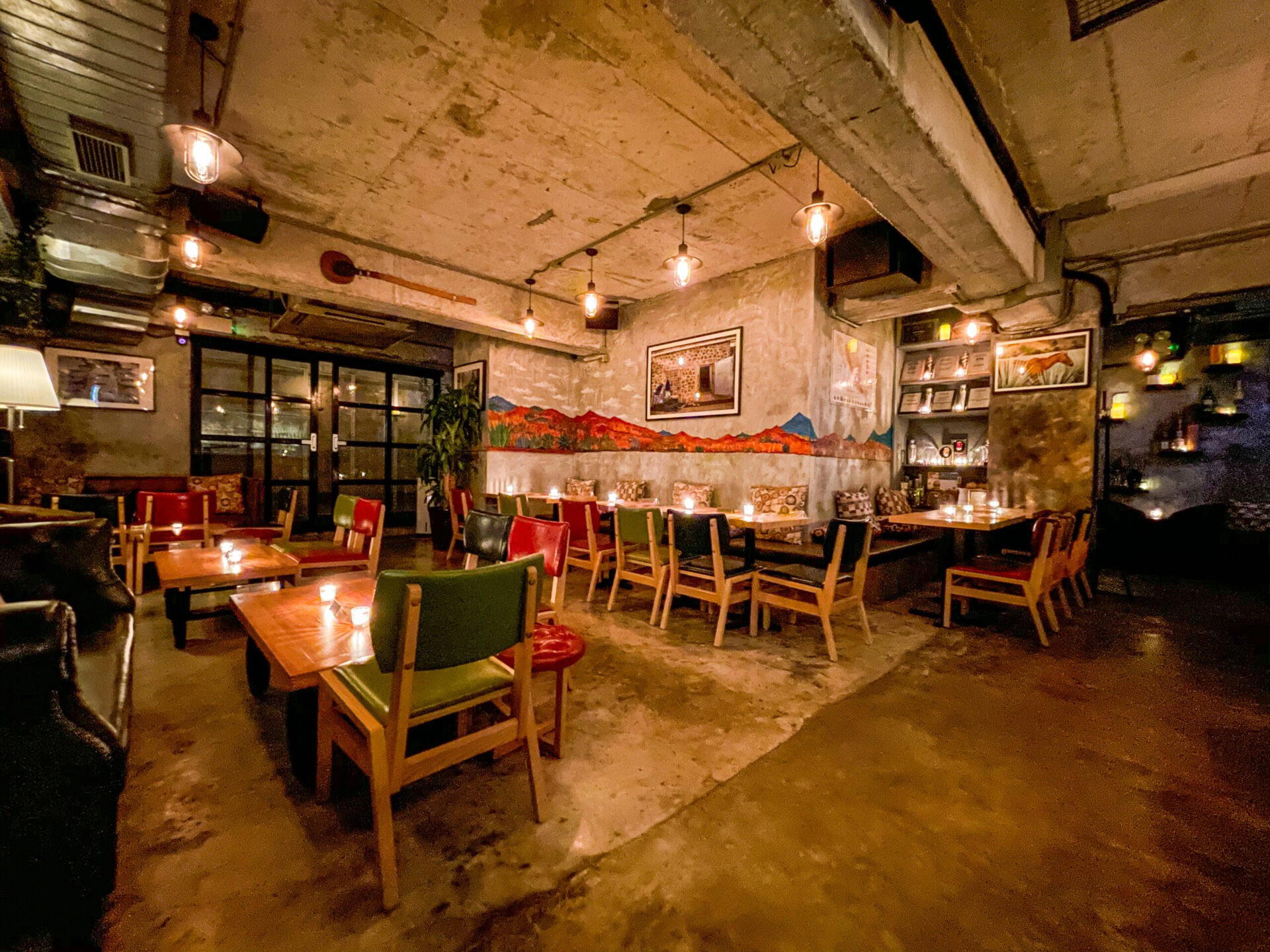
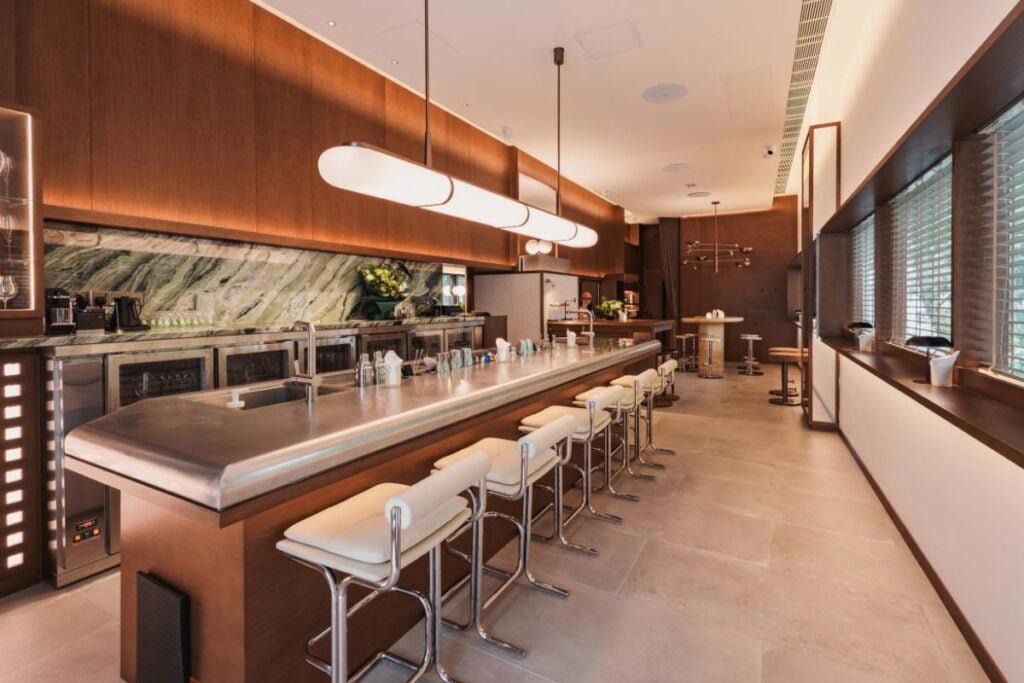
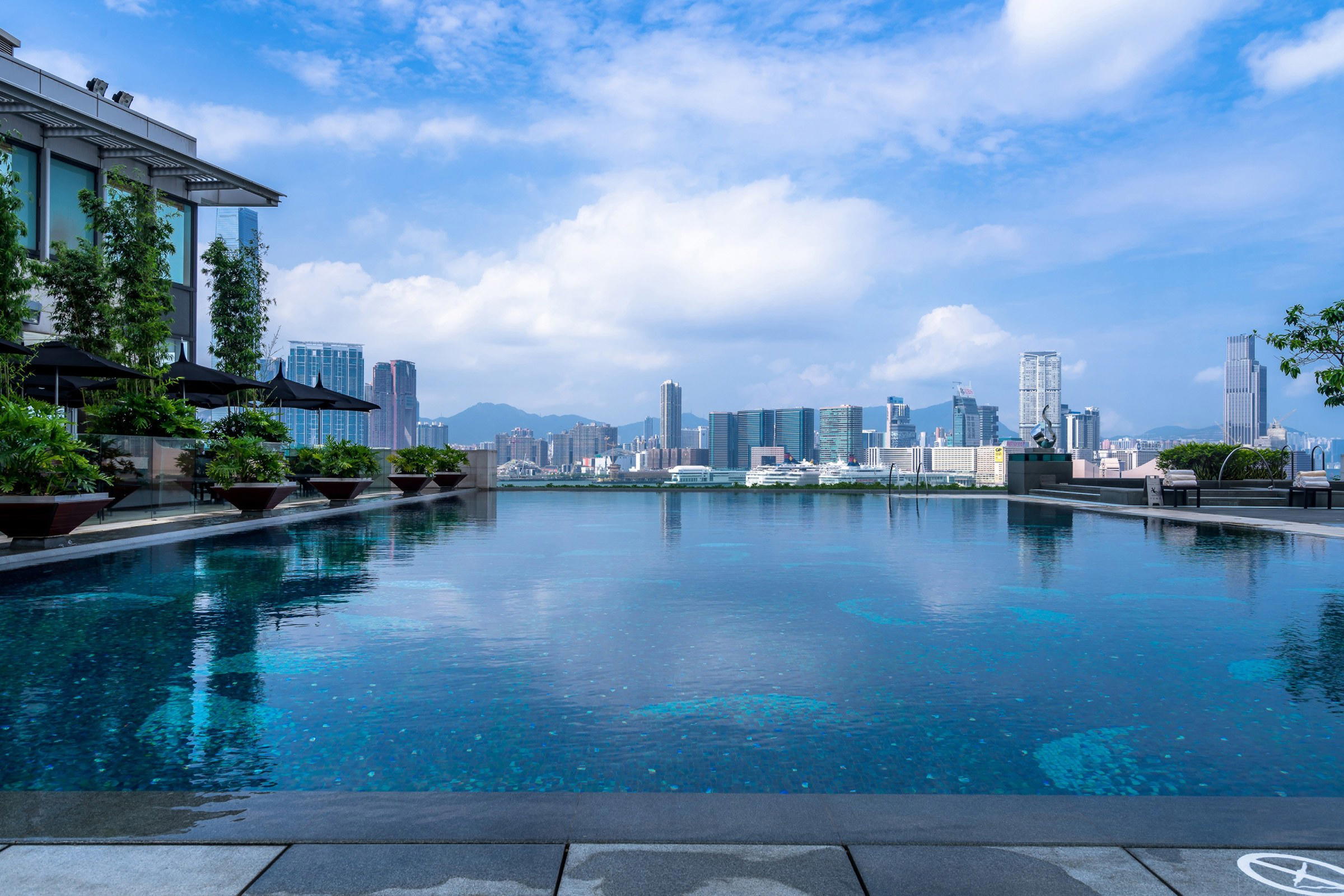
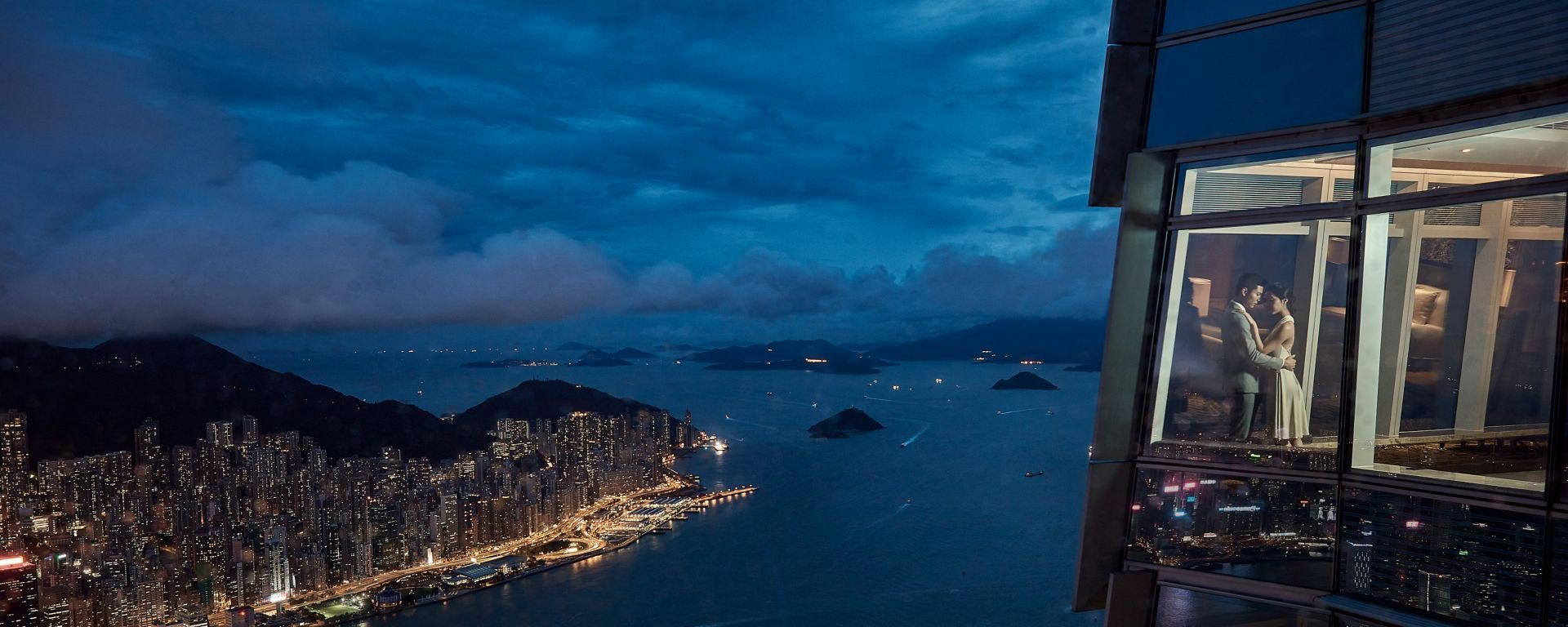
Elegant Victorian conservatory with magical vines, light color palette, and garden-like atmosphere.