
SCMP 100 Top Tables Restaurants
Our verdict
Rú places a quieter Tsuen Wan address inside Hong Kong’s broader conversation about serious dining beyond Central and Tsim Sha Tsui. The draw is less about spectacle than pacing: a high-floor room, lunch-and-dinner rhythm, and a setting that suits diners who want the city’s restaurant culture without the usual harbourfront shorthand.

Pearl is the En Primeur Club membership app, where members save venues, book tables and use the concierge.

The menu
What to order
- Crispy Japanese sea cucumber stuffed with minced pork and shrimp in seafood sauce
- Drunken abalone with Huadiao wine
- Double-boiled chicken broth with beancurd blossom and matsutake mushroom in king coconut
- Steamed minced pork patties with preserved vegetables
Hong Kong changes the temperature of a meal before a menu appears. Away from the most familiar luxury corridors, the city has a denser, lived-in cadence: shopping-centre lifts, residential towers, families between errands, and the low mechanical hum of neighbourhoods that have never needed to perform for visitors. Rú belongs to that city, where the approach is urban rather than ceremonial, and where a restaurant can feel serious without borrowing prestige from a harbour view.
That matters in Hong Kong. Dining culture is often flattened into a small circuit of luxury addresses, yet its more interesting geography is wider: established local dining rooms, compact counters in commercial blocks, hotel restaurants in transport hubs, and specialist rooms tucked into malls where rent, audience, and rhythm create another confidence. Rú sits in that Hong Kong pattern: polished, local-appetite driven, weekend-ready, and cross-generational rather than destination theatre.
A composed room in a city built for repeat diners
The sensory register starts with the way Hong Kong often uses interior routes as dining territory, turning lifts, corridors, and transitions into the meal’s prelude. Arrival is less about frontage than a shift in tempo, from retail noise or street movement to a contained room with its own rhythm. In practical, crowded Hong Kong, that contrast can be sharper because the city around the restaurant is not always choreographed for luxury consumption.
Rú’s appeal sits in that contrast. It does not need expense-account cues; it asks to be read through atmosphere, timing, and city fit. Lunch gives it daytime utility for Hong Kong’s mixed commercial and residential routines; dinner makes the room calmer, as daytime churn softens and the setting carries more of the experience.
For readers mapping Hong Kong by restaurant mood rather than administrative district, this counters usual cluster logic. Some Hong Kong dining rooms reward movement and noise; others work through formality, quiet pacing, or hotel polish. Rú is not simply part of those familiar circuits. Here the room must justify itself to people who may return, not merely to travellers collecting names.
Where Hong Kong changes the dining equation
The strongest way to understand Rú is through location discipline. Hong Kong restaurants outside familiar luxury corridors often work harder on usefulness: accessible meal periods, group-friendly formats, and settings that serve regular local demand. That does not make them casual by default; it means polish must coexist with everyday habits rather than float above them.
Comparison within Hong Kong is instructive. Tai Tsai (Tsuen Wan) speaks to a more everyday price-and-craving model, while Chin Sik is another local reference point on the city’s dining map. Rú sits in a more composed lane: not defined here by a published chef narrative or named signature dish, but by how it occupies a polished format in a city where practical eating and more deliberate dining often sit close together. In Hong Kong, address and context shape expectation before any cooking is considered, and that distinction matters.
Hong Kong’s restaurant geography rewards this calibration. A diner comparing urban texture might move from Chin Sik to Rú to see how one city holds both local utility and more deliberate dining. A broader itinerary might place it against unnamed dining rooms elsewhere in Hong Kong, not because they share cuisine, but because each shows how setting and city identity shape the meal before service begins.
That Hong Kong lens keeps expectations honest. Rú is not a trophy-table substitute for the city’s most familiar luxury addresses or a hotel-dining alternative. It is more interesting as evidence that Hong Kong’s serious dining culture keeps spreading outward, with rooms clearer once the city is read by urban habits rather than visitor shorthand. Hong Kong is not a compromise context. It is the frame.
How to place Rú in a wider Hong Kong itinerary
For travellers, the practical decision is less about chasing a headline than choosing what kind of Hong Kong meal belongs in the day. Rú fits a schedule that wants to see how residents use restaurant space beyond the best-known visitor corridors. It pairs naturally with a day built around Hong Kong’s commercial density rather than bar-hopping or hotel dining.
The broader EP Club map separates that choice from other city moods. For restaurant planning, start with Our full Hong Kong restaurants guide; for overnight strategy, compare districts through Our full Hong Kong hotels guide. If the evening is drink-led rather than meal-led, Our full Hong Kong bars guide gives another read on after-dark geography, while Our full Hong Kong experiences guide is better for building a day around culture and movement. Wine-focused readers can also use Our full Hong Kong wineries guide, though Hong Kong’s strength is distribution and collecting culture rather than vineyard proximity.
Several restaurant references show how wide that map has become. Some point to address-led city eating, others to more produced formats, polished rooms, or family-focused dining. Even broader comparisons underline the same editorial point: format and Hong Kong context often explain a venue more clearly than cuisine labels alone.
Rú’s value is contextual. It gives Hong Kong a polished dining marker without forcing it into the image of prestige used by the city’s most familiar luxury corridors. For a city too quickly reduced to skyline, malls, and guidebook shorthand, that is the reason to pay attention: the meal belongs to another Hong Kong, built through working city rhythms, with everyday volume still audible nearby.
Frequently asked questions
What are the opening hours for Rú?
Opening hours for Rú should be checked directly with the restaurant before visiting.
Where is Rú located?
Hong Kong.
What kind of recognition has Rú received?
Rú has been included in SCMP 100 Top Tables 2026 - Restaurants.
What's the standout thing about Rú?
Rú stands out as a polished Hong Kong dining room whose appeal is best understood through atmosphere, timing, and city context rather than a single headline detail.
Comparable Options
Nearby venues at a similar price tier for orientation.
| Venue | Cuisine | Price | Awards | Notes |
|---|---|---|---|---|
| RúThis venue (the venue you are viewing) | Modern Cantonese Fine Dining | $50–100 | SCMP 100 Top Tables Restaurants | Not listed |
| Tai Tsai (Tsuen Wan) | Authentic Taiwanese | $10–20 | Michelin Plate | Taiwanese |
| Testina | Italian | Not listed | Michelin Plate · World's 50 Best #60 | Not listed |
| Rte Twisk | Traditional Cantonese Dim Sum | $1–10 | Not listed | Not listed |
| Greater China Club | Modern Cantonese Fine Dining | $50–100 | Not listed | Cantonese |
Recognition history
Dated appearances from independent guides and award organizations, with the underlying list record or original source where available.
SCMP 100 Top Tables Restaurants
SCMP 100 Top Tables
Continue exploring
More in Hong Kong
Restaurants in Hong Kong
All restaurants in Hong Kong →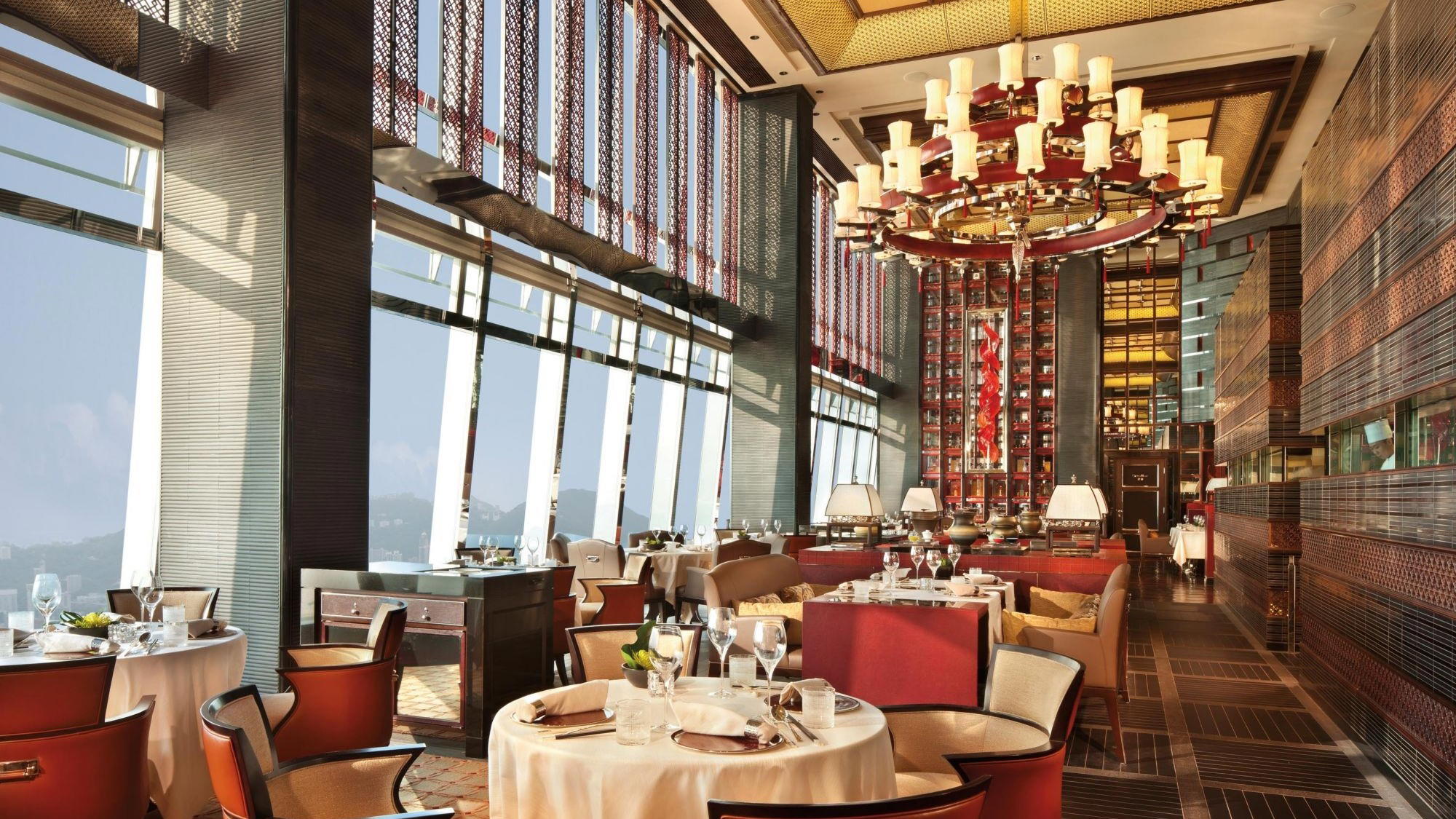
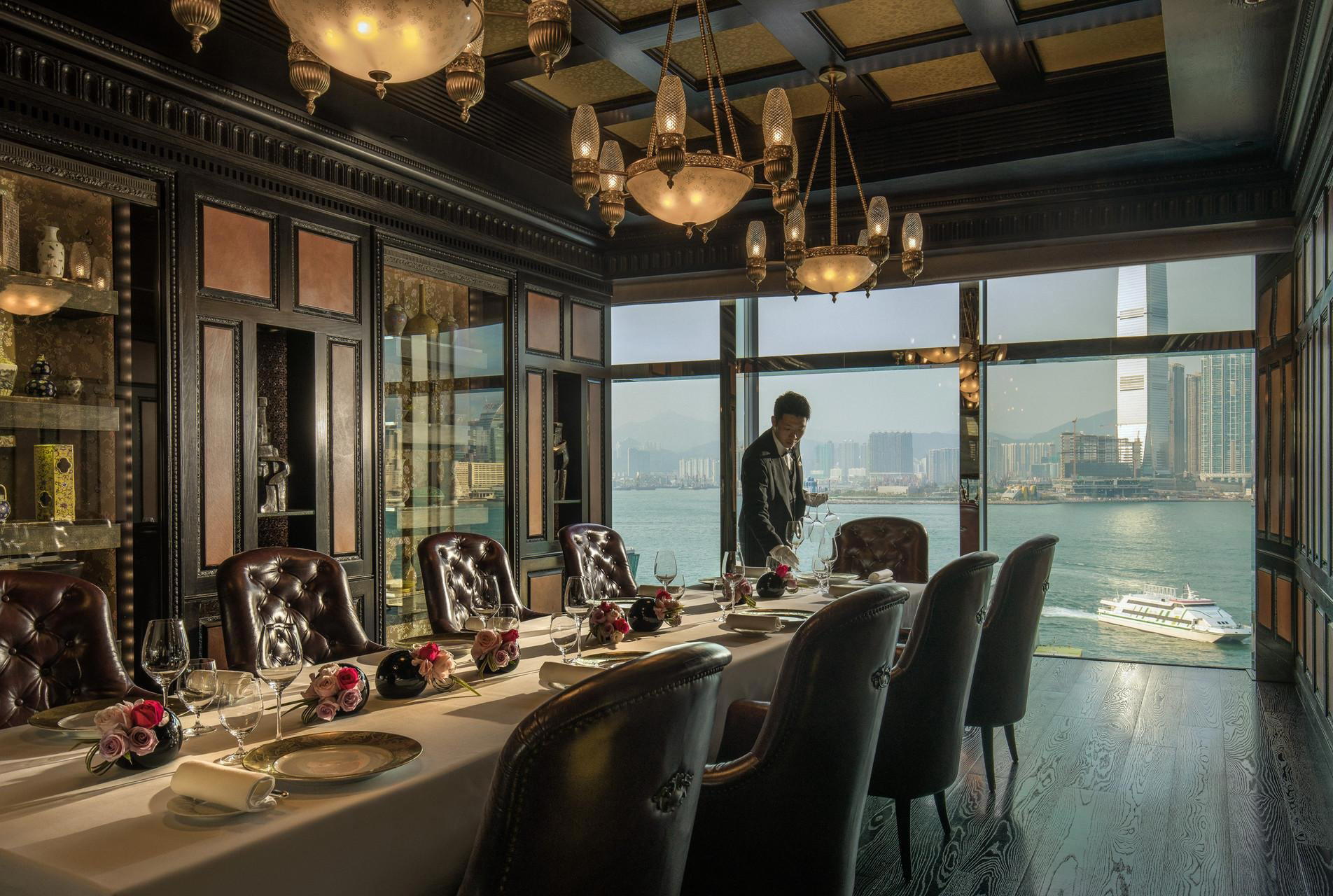
Bars in Hong Kong
All bars in Hong Kong →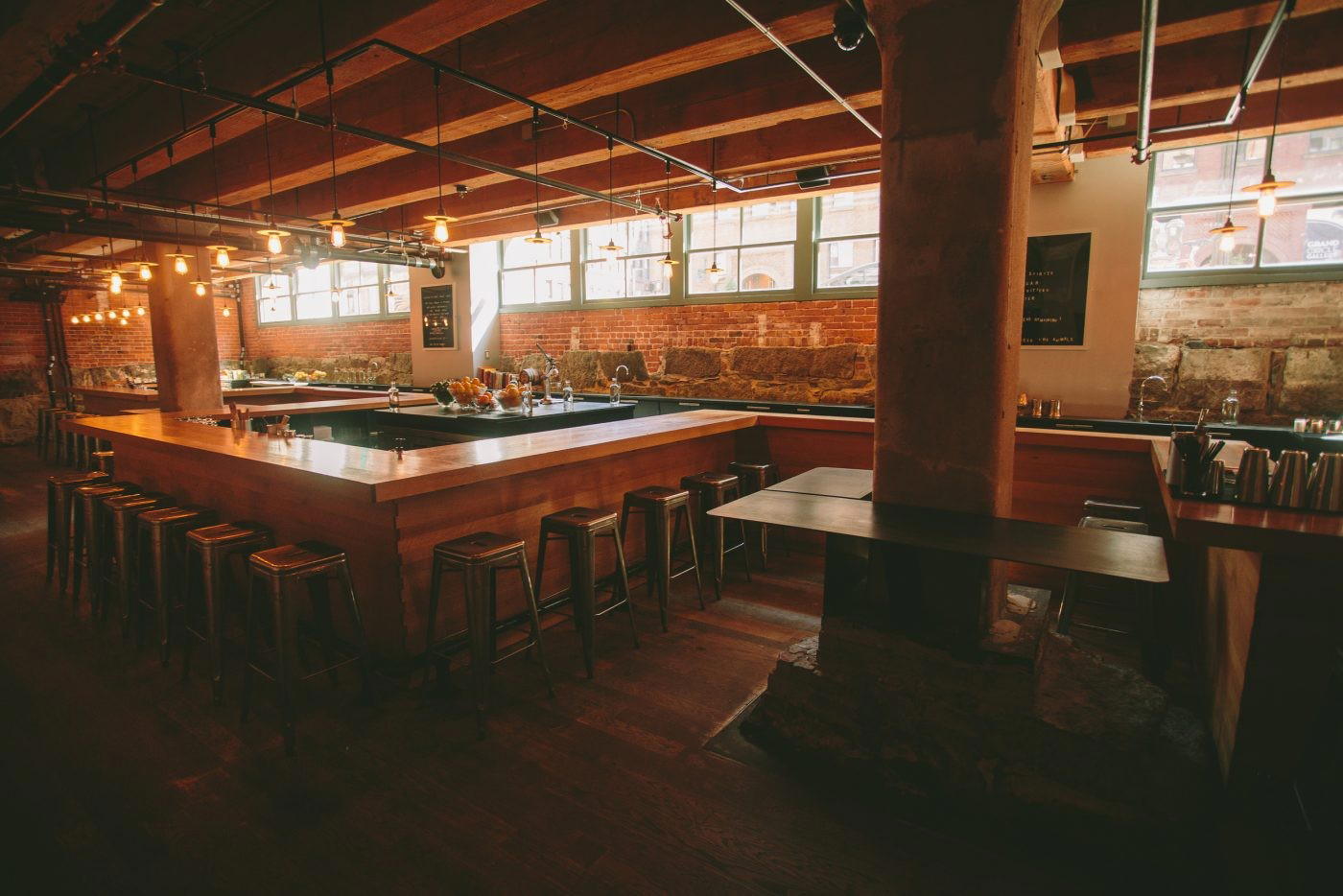
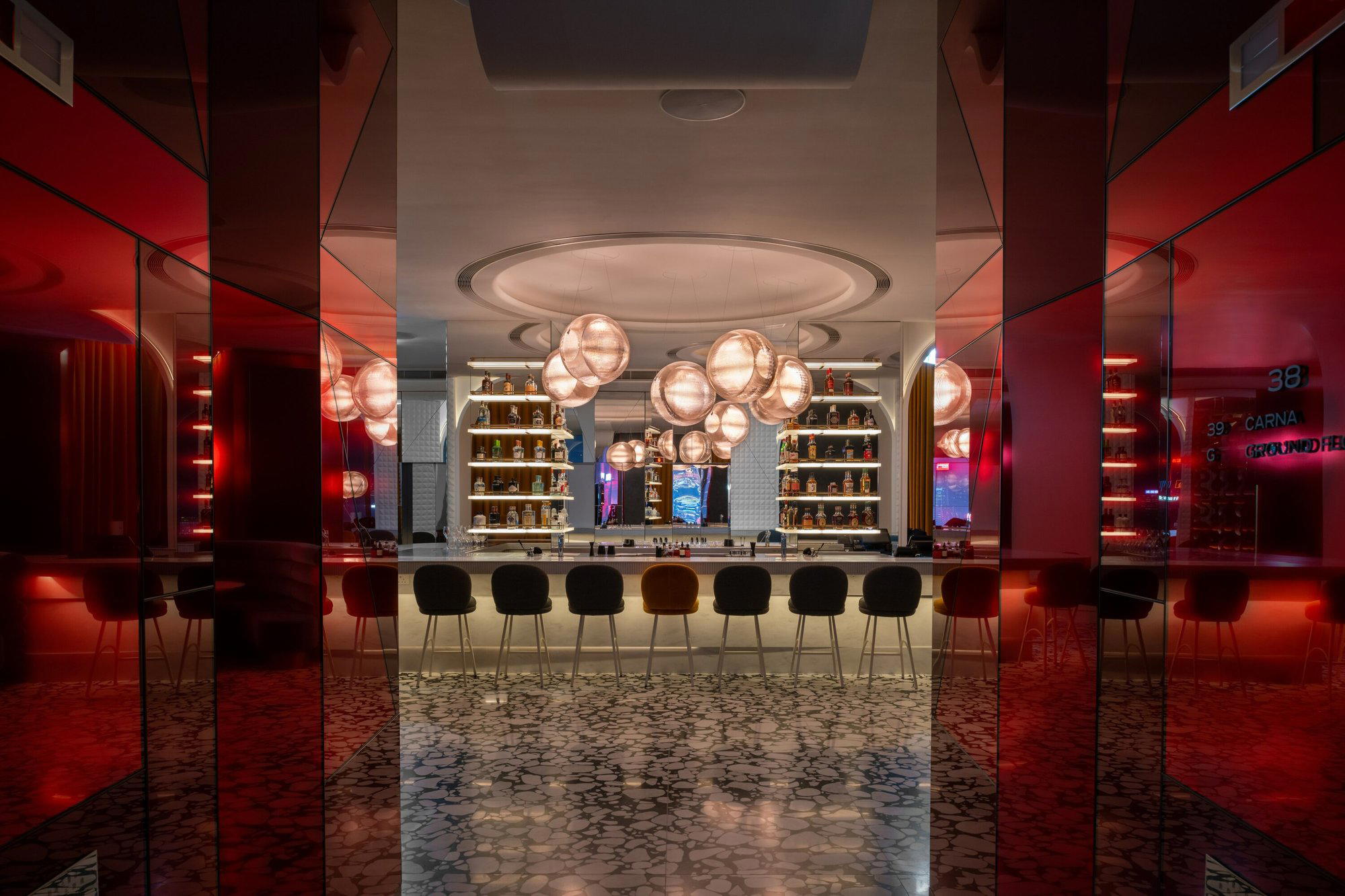
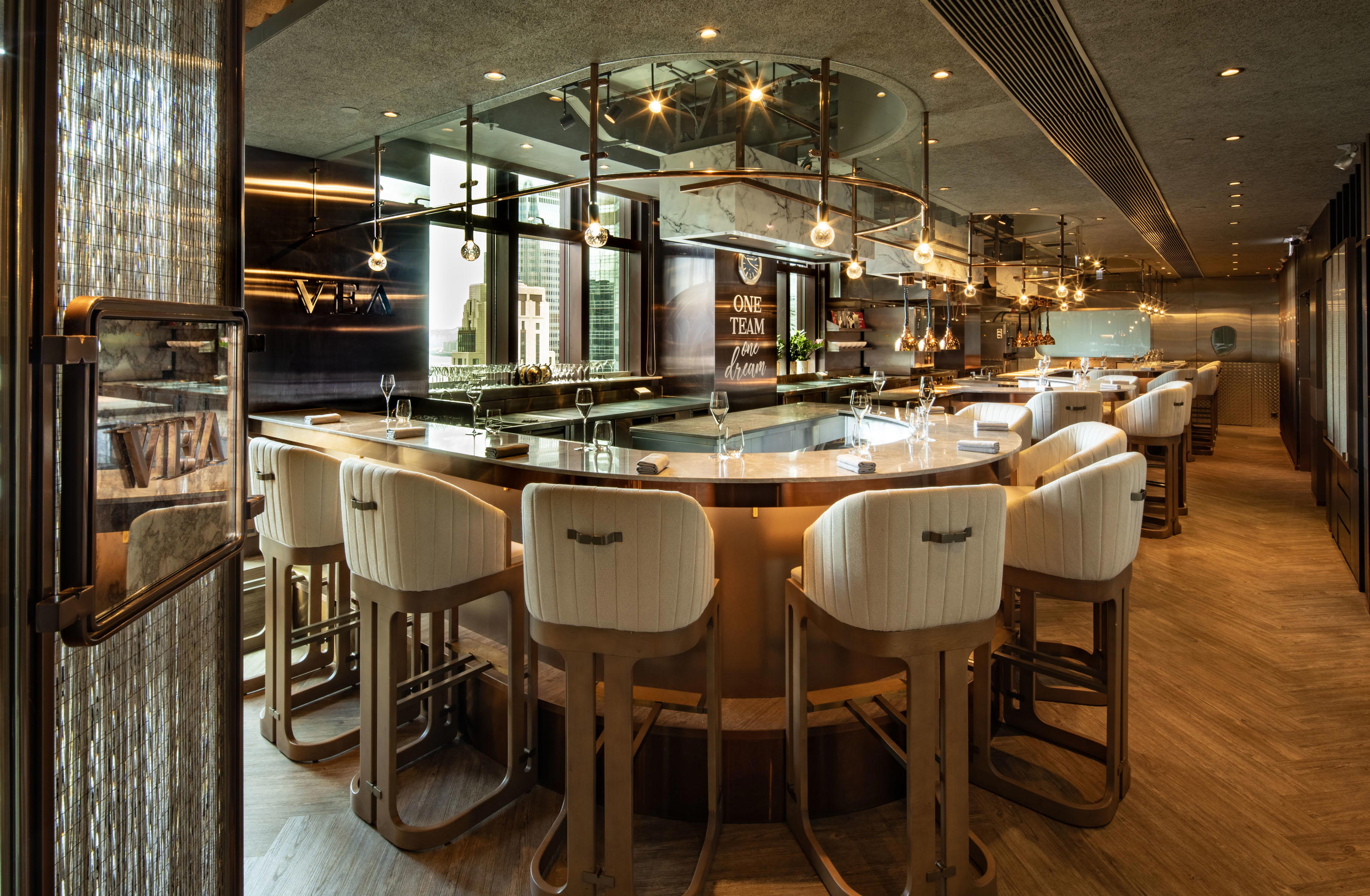
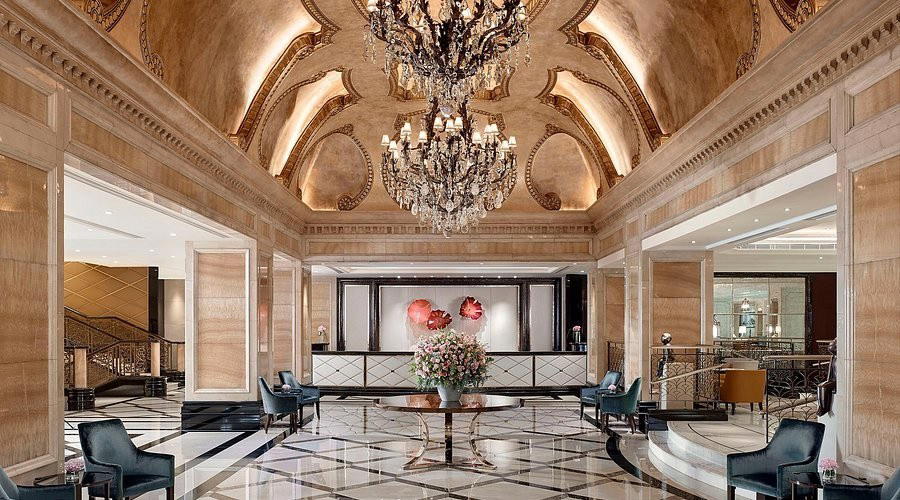
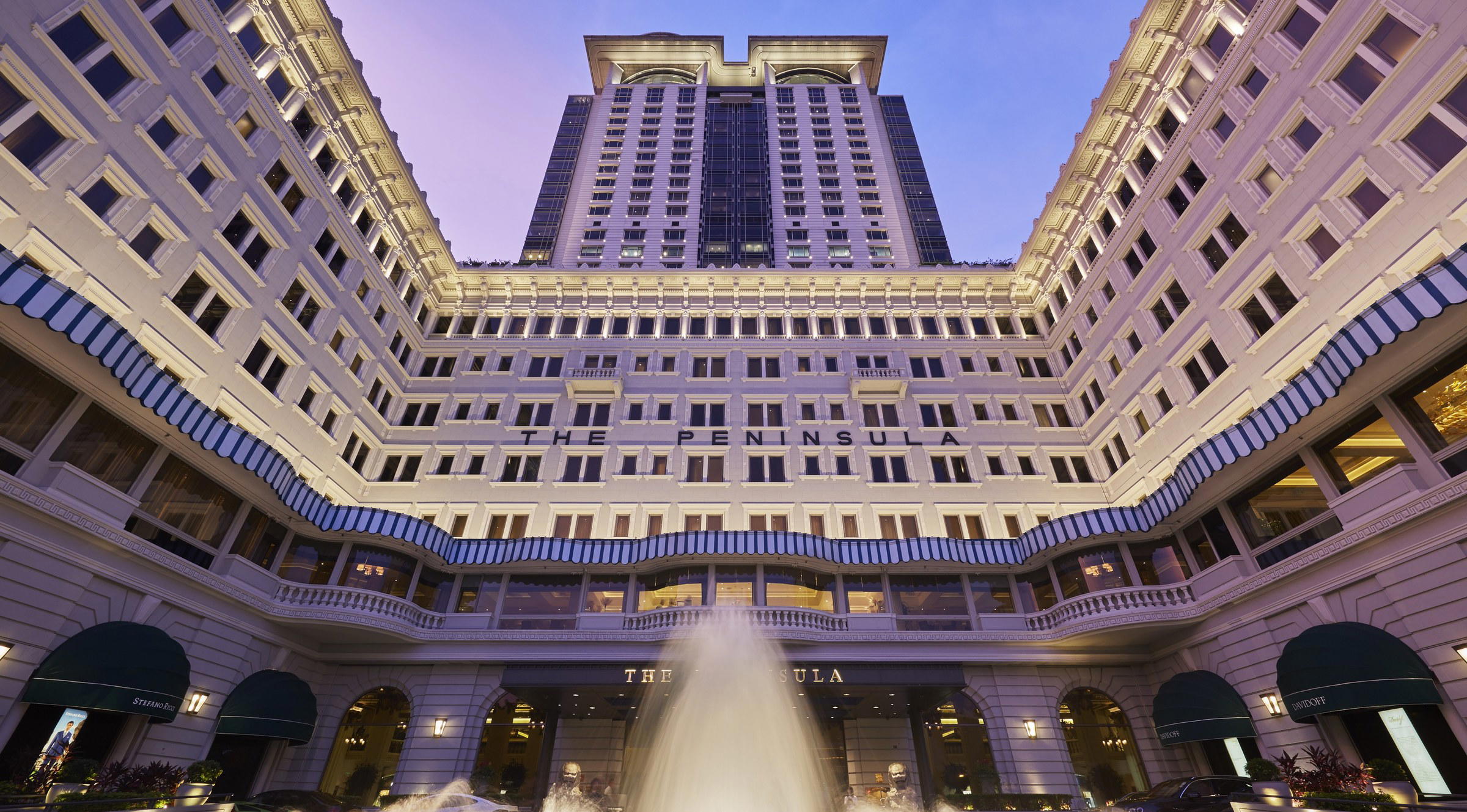
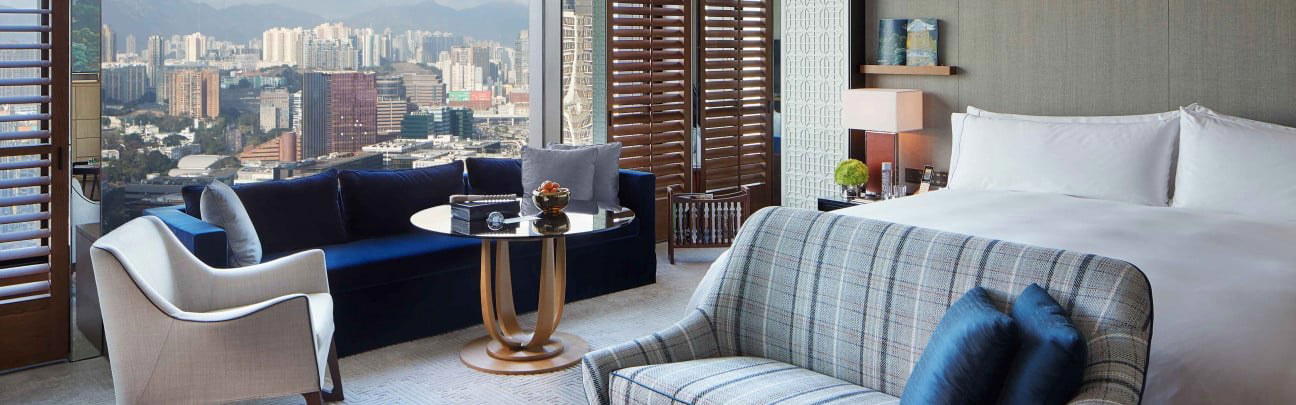
Hotels in Hong Kong
All hotels in Hong Kong →
Wineries in Hong Kong
All wineries in Hong Kong →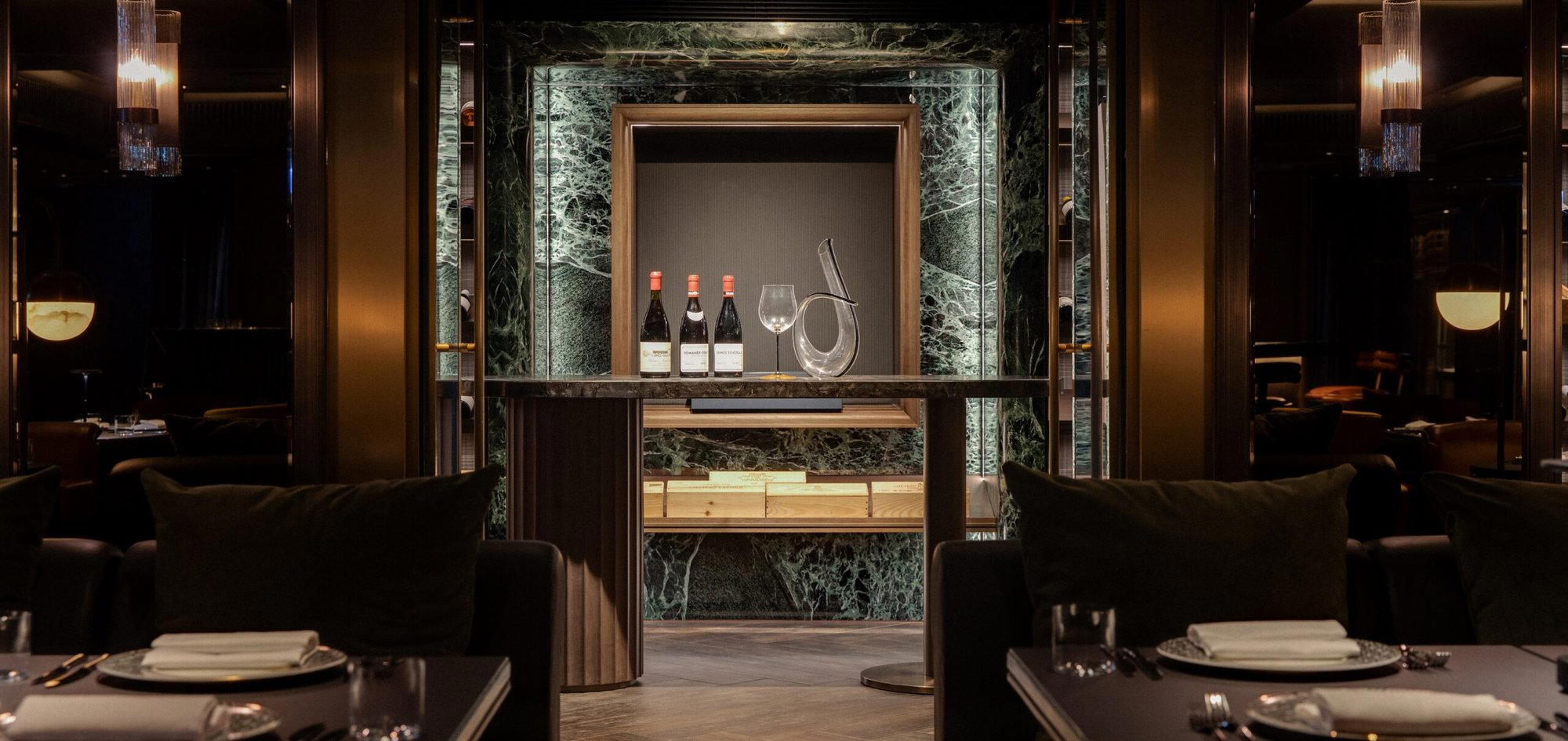
Details
- Elegant
- Modern
- Sophisticated
- Intimate
- Business Dinner
- Group Dining
- Family
- Celebration
- Special Occasion
- Private Event
- Private Dining
- Hotel Restaurant
- Extensive Wine List
- Corkage Allowed
- Local Sourcing
- Sustainable Seafood
- A La Carte
- Tasting Menu
- Set Menu
- Family Style
- Wine
- Tea
- Vegetarian Friendly
Current opening hours
- Monday
- 11:30 AM–3 PM, 6–10 PM
- Tuesday
- 11:30 AM–3 PM, 6–10 PM
- Wednesday
- 11:30 AM–3 PM, 6–10 PM
- Thursday
- 11:30 AM–3 PM, 6–10 PM
- Friday
- 11:30 AM–3 PM, 6–10 PM
- Saturday
- 10:30 AM–3:30 PM, 6–10:30 PM
- Sunday
- 10:30 AM–3:30 PM, 6–10:30 PM
Hours can change for holidays and private events. Hours as of .
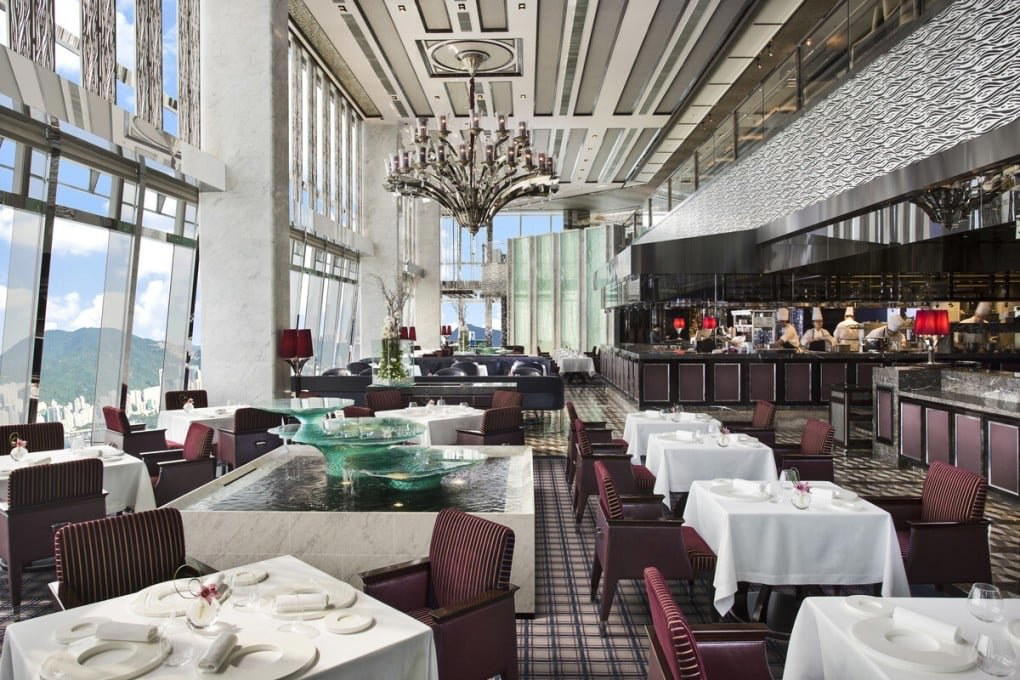
Tasteful modern Chinese elegance with a sophisticated hotel-restaurant feel, refined decor and attentive, polished service suited to business meals and special occasions.