On Via Borgognona, steps from the Spanish Steps, Nino Restaurant occupies a position in Rome's old-guard trattoria tradition that the city's more fashionable dining scene tends to overlook. The room and the cooking both carry the weight of a neighbourhood that has changed around them without asking permission. For visitors seeking Roman continuity over novelty, that resistance to reinvention is the point.
Pearl is the En Primeur Club membership app — saves, bookings, and concierge access live there. Same editors, same standards.
- Address
- Via Borgognona, 11, 00187 Roma RM, Italy
- Phone
- +393966786752
- Website
- ristorantenino.it
- Directions
- Get directions
 Saves & bookings on Pearl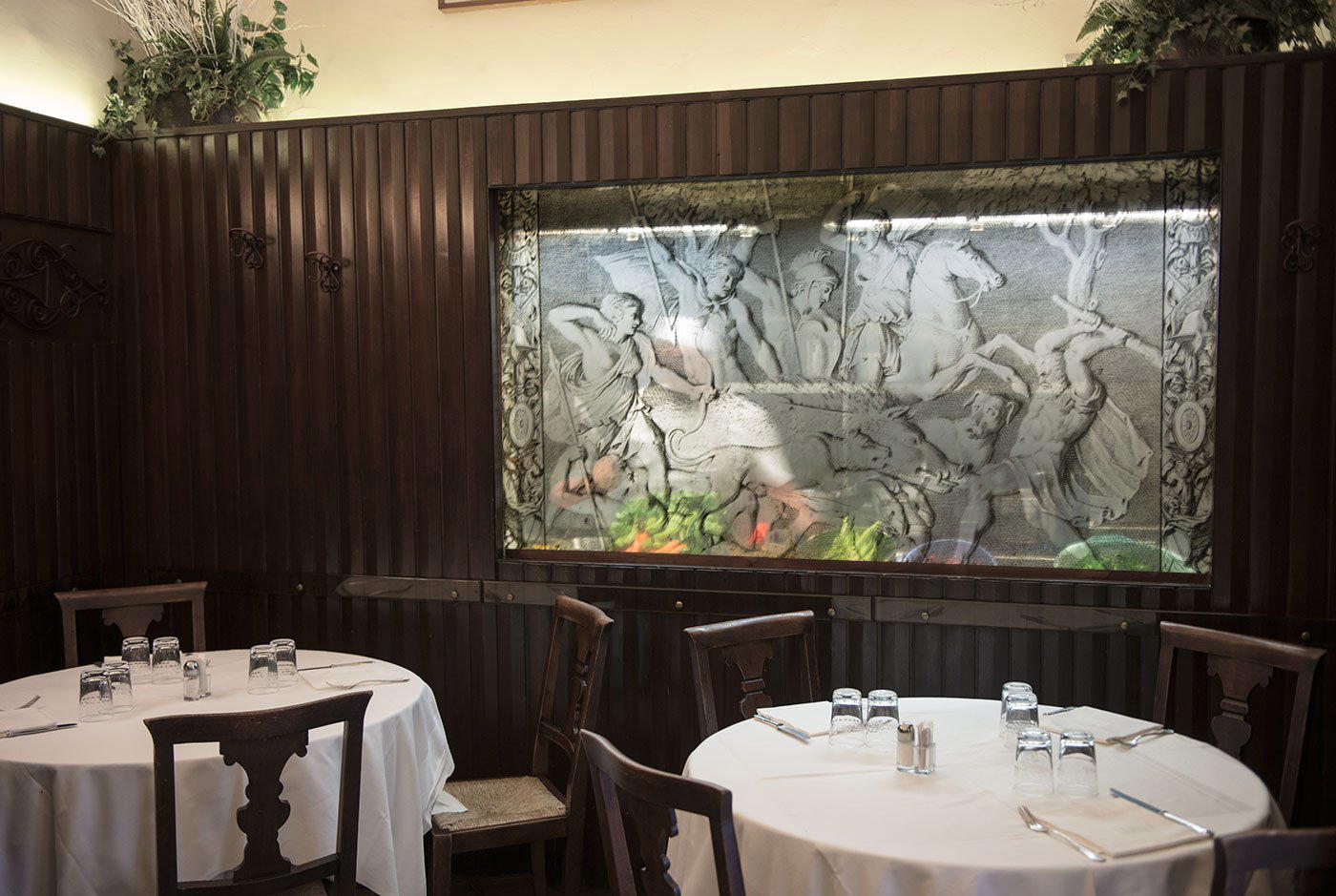
A Street That Remembers
Via Borgognona runs parallel to Via Condotti in Rome's first municipio, a corridor of fashion houses and private tailors that has catered to a moneyed international clientele since the nineteenth century. The street itself is narrow enough that afternoon light arrives at an angle, catching the ochre plasterwork of buildings that predate most of the shops occupying their ground floors. Arriving at Nino Restaurant on this block, the visitor encounters something that the neighbourhood's boutique retail has largely erased: a dining room that reads as a fixed point rather than a seasonal installation.
Rome's centro storico has seen significant pressure on this kind of establishment over the past decade. Tourist-facing restaurants have pushed into formerly residential or trade-focused streets, and several institutions that once served a local professional clientele have either closed or repositioned toward the visitor economy. The ones that remain tend to do so by serving a constituency that returns consistently, not one that discovers them once on a holiday itinerary. Nino occupies that category of Roman restaurant whose reputation travels by word of mouth across decades rather than through recommendation.
The Roman Trattoria in Its Older Form
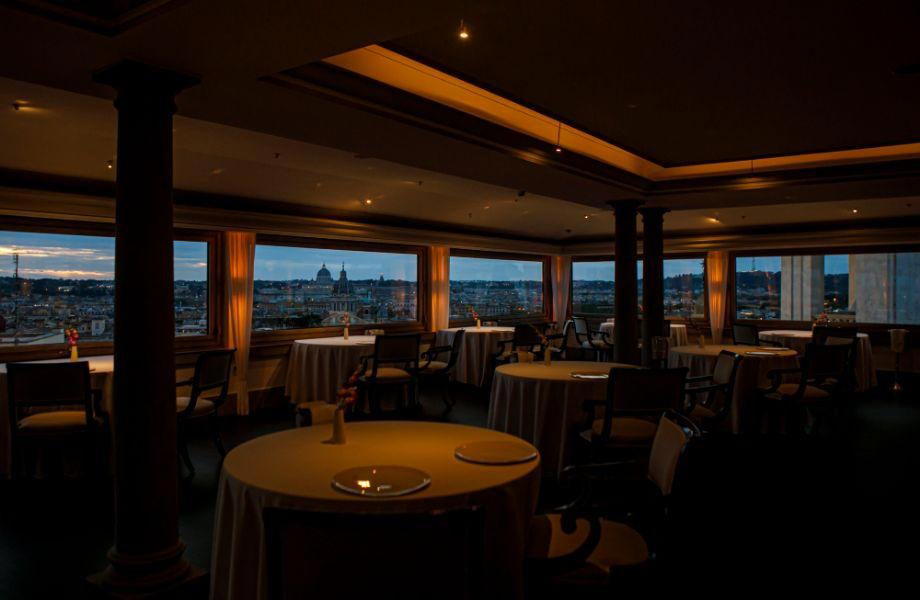
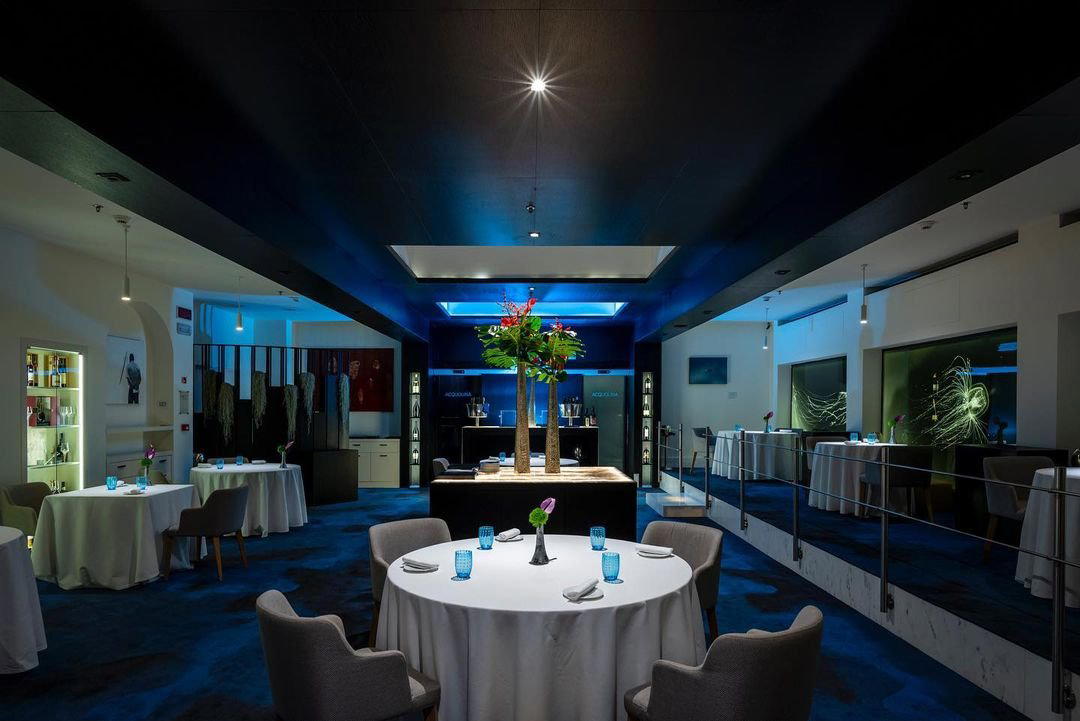
Rome's dining taxonomy sorts differently than Milan or Florence. The city has Michelin-decorated addresses, among them La Pergola, which holds three stars and operates at a price point that positions it against destination dining internationally, and creative tasting-menu houses like Il Pagliaccio, Acquolina, and Enoteca La Torre. But the city's dining character has historically rested on something older and less decorated: the neighbourhood trattoria that does not rotate its menu seasonally because its patrons expect the same dishes to be available every time they arrive.
Across Italy, this format has become a genuine conservation challenge. Places like Dal Pescatore in Runate and Enoteca Pinchiorri in Florence represent one trajectory for long-established Italian dining: formal recognition, tasting menus, international audiences. The trattoria format resists that arc. It is a lower-margin, higher-continuity operation that depends on volume, regularity, and the kind of institutional knowledge that accumulates only across multiple generations of service.
Nino sits within that tradition, on a street where the surrounding commerce runs toward leather goods and ready-to-wear rather than fresh produce or local fish markets.
Sourcing in a City-Centre Address
The sustainability calculus for a central Rome restaurant differs substantially from that of a coastal property like Quattro Passi in Marina del Cantone, where proximity to the water creates a short, legible supply chain from sea to plate, or a mountain-positioned address like Atelier Moessmer Norbert Niederkofler in Brunico, where the Alpine context has shaped a sourcing philosophy built around altitude and season. In the centro storico, the challenge is different: ingredient provenance requires active curation against the gravitational pull of large distributors who service the area's high-volume tourism trade.
Italian food culture has structural advantages here that the country's fine dining scene has increasingly made explicit. The slow food movement, which originated in northern Italy in the 1980s as a direct response to fast-food incursion, generated a network of producer relationships and ingredient certification systems that now extend throughout the peninsula. Restaurants positioned within that network, even informally, have access to a supply chain that prioritises variety preservation and small-producer economics over consistency and volume. The Roman trattoria format historically sourced from market relationships built over years, which creates a different kind of resilience than contract purchasing.
The comparison with decorated Italian addresses that have made sustainability a central part of their public identity is instructive. Uliassi in Senigallia, Reale in Castel di Sangro, and Piazza Duomo in Alba each operate in contexts where the surrounding landscape actively shapes the kitchen's vocabulary. Central Rome does not offer that same legibility, but it does sit within Lazio, a region with its own producer heritage in lamb, artichoke, pecorino, and cured pork that informed Roman cooking long before those ingredients became marketing categories.
Context in the Competitive Field
Rome's mid-range dining conversation has sharpened over the past few years. Creative addresses like Achilli al Parlamento have positioned themselves at the intersection of traditional Roman ingredients and contemporary technique, while the city's decorated restaurants have pushed further into tasting-menu territory. Against that backdrop, the old-guard trattoria occupies an increasingly specific and more defended position: it is not competing with the tasting-menu tier, and it is not susceptible to the same reputational volatility that affects trend-dependent openings.
The international reference points for this conversation sit beyond Rome. Osteria Francescana in Modena, Le Calandre in Rubano, and Enrico Bartolini in Milan each occupy the upper tier of Italian creative dining, where the conversation is about invention and identity as much as it is about classical tradition. The trattoria format has no ambition in that direction and no need of one. It serves a different reader entirely, one for whom continuity and familiarity carry more weight than novelty.
Nino fits a different brief, and understanding where it sits in that broader picture matters as much as understanding what it serves.
Planning a Visit
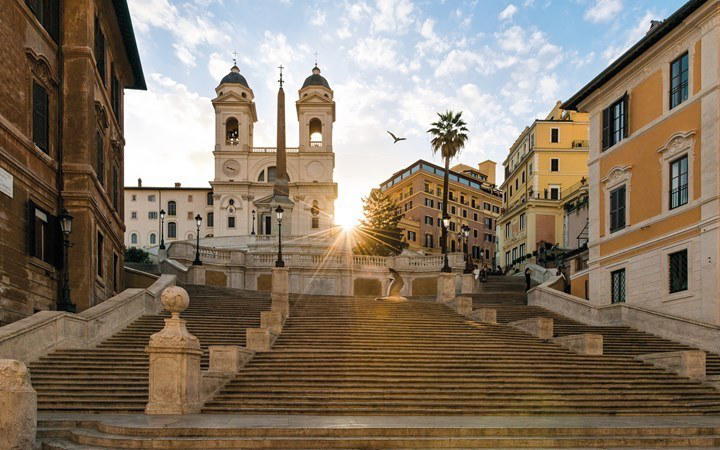
Via Borgognona 11 places Nino within walking distance of the Spanish Steps and the Trevi Fountain, making it practical for visitors staying in the first or second municipio. The address is served by bus lines along Via del Tritone and Via del Corso, and Spagna metro station on line A is the nearest underground stop, roughly three to four minutes on foot. For a restaurant in this area and format, reservations are advisable, particularly at lunch when the surrounding commercial district generates consistent foot traffic from shoppers and business visitors. Nino is recommended for reservations and is open Monday through Saturday for lunch from 12:30 to 3 PM and dinner from 7:30 to 11 PM; it is closed on Sunday.
The question of what to order and how to approach the room is answered by arriving without a fixed agenda. Rome's trattoria tradition rewards the diner who reads the room before the menu, asks what arrived that morning, and orders accordingly rather than working from a printed list. That approach, more than any specific dish, is what the format was built around, and it remains a reliable way to eat well in it.
Cuisine-First Comparison
Comparable venues nearby, for context on price, style, and recognition.
| Venue | Cuisine | Price | Notes |
|---|---|---|---|
| Nino RestaurantThis venue — the venue you are viewing | Traditional Tuscan-Roman | $$ | Not listed |
| Arso Trattoria Moderna | Traditional Roman Trattoria | $$ | .null |
| Clorofilla Cucina & Distillati | Modern Italian | $$ | Parione |
| Elio | Contemporary Italian | $$ | Pinciano |
| Propaganda Italian Cuisine | Modern Italian Trattoria | $$ | Celio |
| Agustarello A Testaccio | Traditional Roman Trattoria | $$ | Testaccio |

At a Glance
- Classic
- Cozy
- Elegant
- Well Known
- Date Night
- Family
- Special Occasion
- Historic Building
- Extensive Wine List
Current opening hours
- Monday
- 12:30–3 PM, 7:30–11 PM
- Tuesday
- 12:30–3 PM, 7:30–11 PM
- Wednesday
- 12:30–3 PM, 7:30–11 PM
- Thursday
- 12:30–3 PM, 7:30–11 PM
- Friday
- 12:30–3 PM, 7:30–11 PM
- Saturday
- 12:30–3 PM, 7:30–11 PM
- Sunday
- Closed
Hours can change for holidays and private events. Last verified .
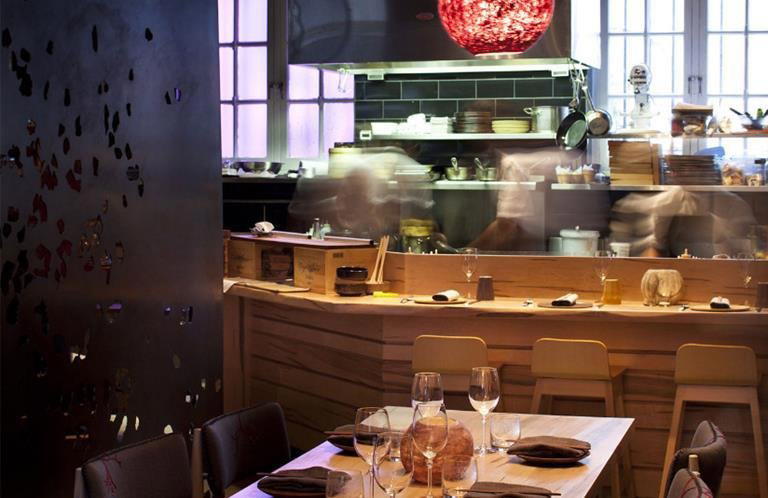
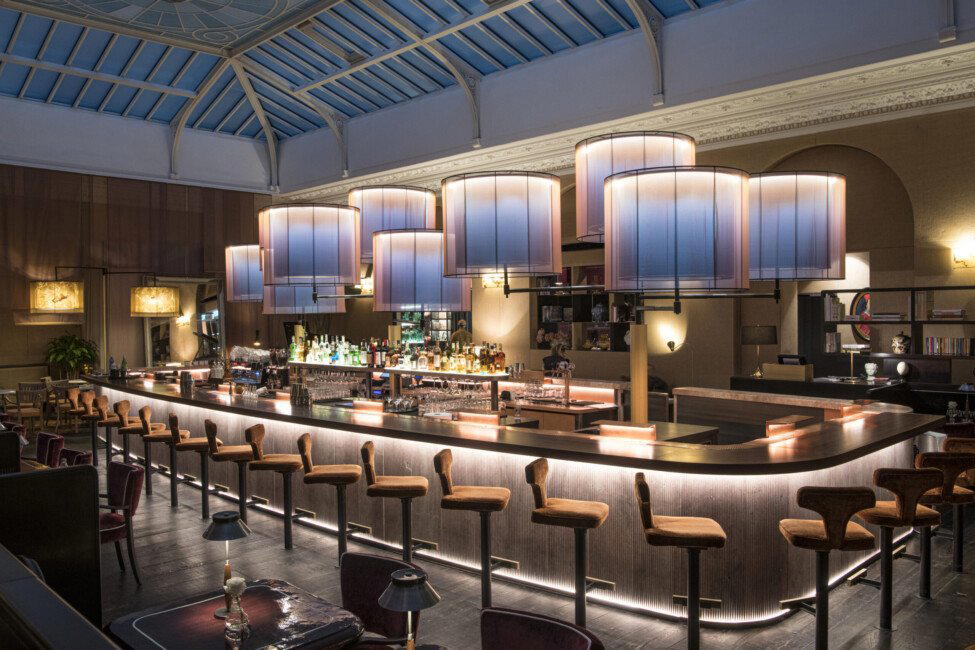
Warm and genuine traditional ambiance with beautiful prestigious furnishings in an old but charming decor.