On a quiet Trastevere street, La Tavernaccia Da Bruno operates at the junction of Roman trattoria tradition and the kind of floor-level attentiveness that keeps neighbourhood regulars returning for decades. The cooking is rooted in Roman and Lazio repertoire, the wine list reflects serious regional selection, and the room runs with the quiet coordination of a team that has worked together long enough to anticipate rather than react.
Pearl is the En Primeur Club membership app — saves, bookings, and concierge access live there. Same editors, same standards.
- Address
- Via Giovanni da Castel Bolognese, 63, 00153 Roma RM, Italy
- Phone
- +39 06 581 2792
- Website
- latavernacciaroma.com
- Directions
- Get directions
 Saves & bookings on Pearl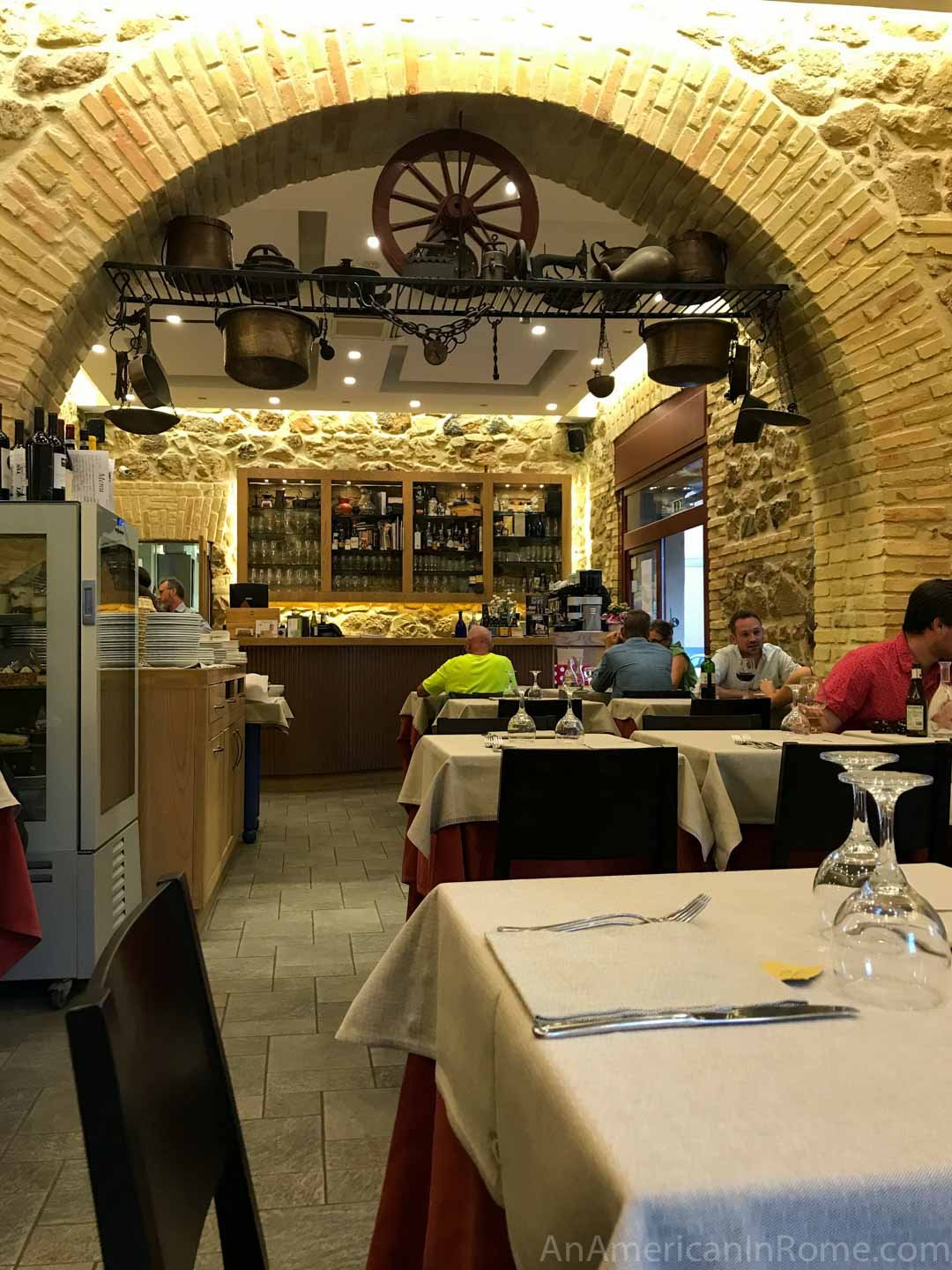
Trastevere's Trattoria Register
Rome's dining scene has always maintained a dual identity: on one side, the ambitious creative restaurants of Parioli and the centro storico, places like La Pergola, Il Pagliaccio, and Enoteca La Torre, where tasting menus and Michelin acknowledgment shape expectation; on the other, the working trattoria tradition that defines how Romans actually eat across generations. Trastevere sits at an interesting middle point in this division. The neighbourhood has absorbed enormous tourist pressure over the past two decades, which has pushed much of its original character toward the performative, exposed-brick backdrops optimised for social media rather than for the food itself. The trattorias that have held their ground through this shift share a common profile: a kitchen that knows its repertoire without needing to reinvent it each season, a floor team that reads the room rather than following a script, and a wine list that reflects where the kitchen is going rather than where a distributor needed to place stock.
Ristorante La Tavernaccia Da Bruno, on Via Giovanni da Castel Bolognese in the Trastevere quarter at number 63, operates in this rarer category. The address itself is instructive: it sits away from the high-traffic corridors around Piazza di Santa Maria in Trastevere, on a stretch where foot traffic is local and unhurried. Approaching on foot, the shift in register from the tourist-facing piazza restaurants is immediate, quieter street, less signage, the kind of unshowy frontage that in Rome usually signals either neglect or confidence. Here it is the latter.
What the Room Tells You Before the Menu Arrives
The interior grammar of a Roman trattoria communicates something before a dish is placed. Tablecloths, the weight of the glassware, how long the staff take to acknowledge a new table, all of these are signals about what register of service and cooking to expect. La Tavernaccia Da Bruno reads as a room that prioritises the mechanics of a working dinner over decorative gestures. The space runs with the kind of floor choreography that comes from longevity: front-of-house staff who have likely worked the same tables for years, who know when to leading up water and when to leave a table alone, and who carry menus as a formality rather than as the primary communicative tool of the evening. In Rome's neighbourhood dining tradition, this level of floor literacy is the actual product, not an enhancement of it.
This editorial angle matters because the leading Roman trattoria experiences are fundamentally team performances. The kitchen's output depends on the floor's ability to pace a meal, to recommend correctly, to handle a table of four with different appetites without the interaction becoming transactional. At La Tavernaccia Da Bruno, the alignment between kitchen and floor, what the trade calls the back-of-house and front-of-house working as a single mechanism, is part of what the restaurant's standing in the neighbourhood reflects. Compare this to the creative end of the Rome spectrum: Acquolina and Achilli al Parlamento operate in a register where the team dynamic is equally deliberate but shaped around tasting menu progression and technical explanation. La Tavernaccia's version of team excellence is less theatrical and more demanding, it has to feel effortless.
The Cooking Tradition at Stake
Roman cuisine carries a specific culinary logic: it is a peasant tradition refined by centuries of urban density, built on offal, cured pork, dried pasta, and the vegetables of the Castelli Romani and Lazio hinterland. The dishes that define it, cacio e pepe, amatriciana, coda alla vaccinara, abbacchio, are not complex to describe but technically demanding to execute at the level where they taste as they should rather than as a tourist approximation. The difference between a correct cacio e pepe and a passable one is almost entirely about technique, timing, and the quality of the Pecorino Romano used. No amount of creative plating resolves poor execution of the fundamentals.
This is the culinary context within which La Tavernaccia Da Bruno operates. Its kitchen is positioned in the Roman-Lazio tradition, which puts it in a different competitive conversation from the contemporary Italian restaurants that attract international attention. For reference points at the ambitious creative end of Italian regional cooking, kitchens like Reale in Castel di Sangro, Uliassi in Senigallia, or Piazza Duomo in Alba define what technique applied to regional product looks like at the highest denomination. La Tavernaccia's proposition is different and not lesser for it: fidelity to a canon rather than commentary on it. That distinction matters when evaluating what you are paying for and whether the room delivers.
Wine, Service Coordination, and the Question of Pacing
A trattoria wine list that functions well is not about depth of vertical selections or trophy bottles. It is about range across price points, a short list of producers whose wines match the cooking weight, and a sommelier or senior floor person who can make a recommendation in thirty seconds without turning it into a lecture. Italian regional wine has considerable range within Lazio itself: Est! Est!! Est!!! di Montefiascone, Frascati Superiore, Cesanese del Piglio, and the volcanic-soil whites of the Castelli Romani all offer different registers for a Roman meal. A serious list at this type of venue will have at least one option from each of these categories that doesn't require the diner to already know Italian wine geography to order confidently. The floor team's role in wine service at a neighbourhood trattoria is primarily navigational, connecting the table to the right bottle for the table's food without friction.
This floor-level wine literacy is where the team dynamic angle matters most practically for a diner. Italy's broader trattoria tradition at its most considered, from Dal Pescatore in Runate to Quattro Passi in Marina del Cantone, demonstrates that regional cooking and serious cellar management are not contradictory. La Tavernaccia Da Bruno's address in Trastevere places it in a neighbourhood where the wine and food conversation between kitchen and floor remains grounded in Roman and Lazio tradition rather than extending to national or international reference points. That focus, when executed with discipline, is a strength rather than a limitation.
Planning a Visit
Via Giovanni da Castel Bolognese 63 is accessible on foot from most of Trastevere in under ten minutes, or from the Largo Argentina area in fifteen to twenty minutes walking across the river. For first-time visitors to Rome's trattoria tier, the useful comparison set is the neighbourhood's other serious operators rather than the Michelin-tracked creative restaurants of the centro storico. Dinner is the more settled service in Roman trattoria culture, with lunch often abbreviated in pace. Reservations at established Trastevere restaurants are advisable across the week, particularly Thursday through Saturday, when the neighbourhood draws both locals and visitors. For a broader orientation to where this type of restaurant sits within Rome's full dining range, the EP Club Rome restaurants guide maps the competitive set from neighbourhood trattoria to three-Michelin-star level.
Comparable Spots, Quickly
Comparable venues nearby, for context on price, style, and recognition.
| Venue | Cuisine | Price | Notes |
|---|---|---|---|
| Ristorante La Tavernaccia Da BrunoThis venue — the venue you are viewing | Traditional Roman Trattoria | $$ | Not listed |
| Arso Trattoria Moderna | Traditional Roman Trattoria | $$ | .null |
| Piazzetta | Traditional Italian Trattoria | $$ | Colonna |
| Borgo Nuovo | Roman Trattoria & Pizzeria | $$ | Borgo |
| Trattoria L'avvolgibile | Traditional Roman Trattoria | $$ | Appio-Latino |
| Vitaminas24 | Organic Vegan Italian | $$ | Prenestino-Labicano |
Continue exploring
More in Rome
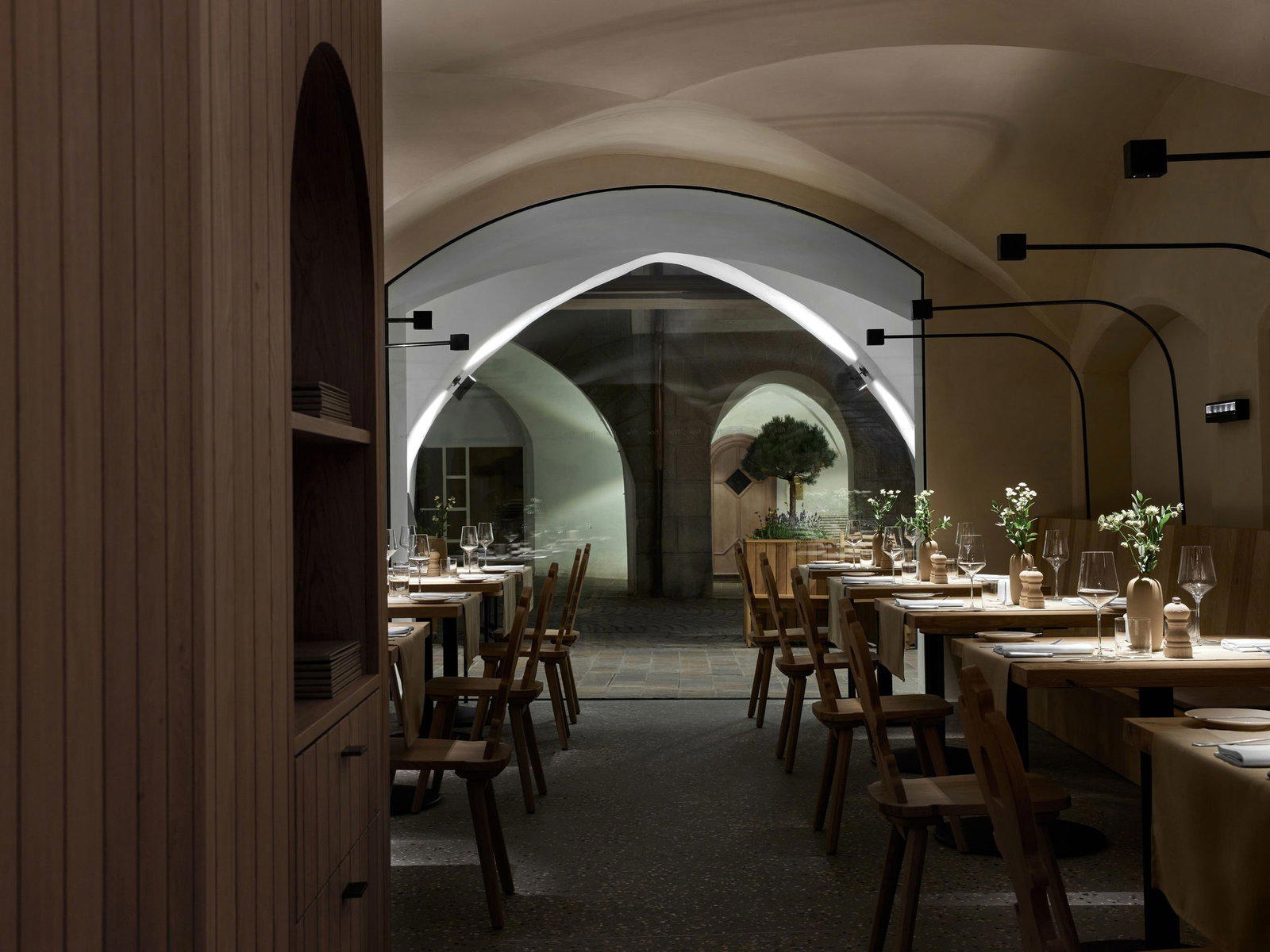
Restaurants in Rome
Browse all →
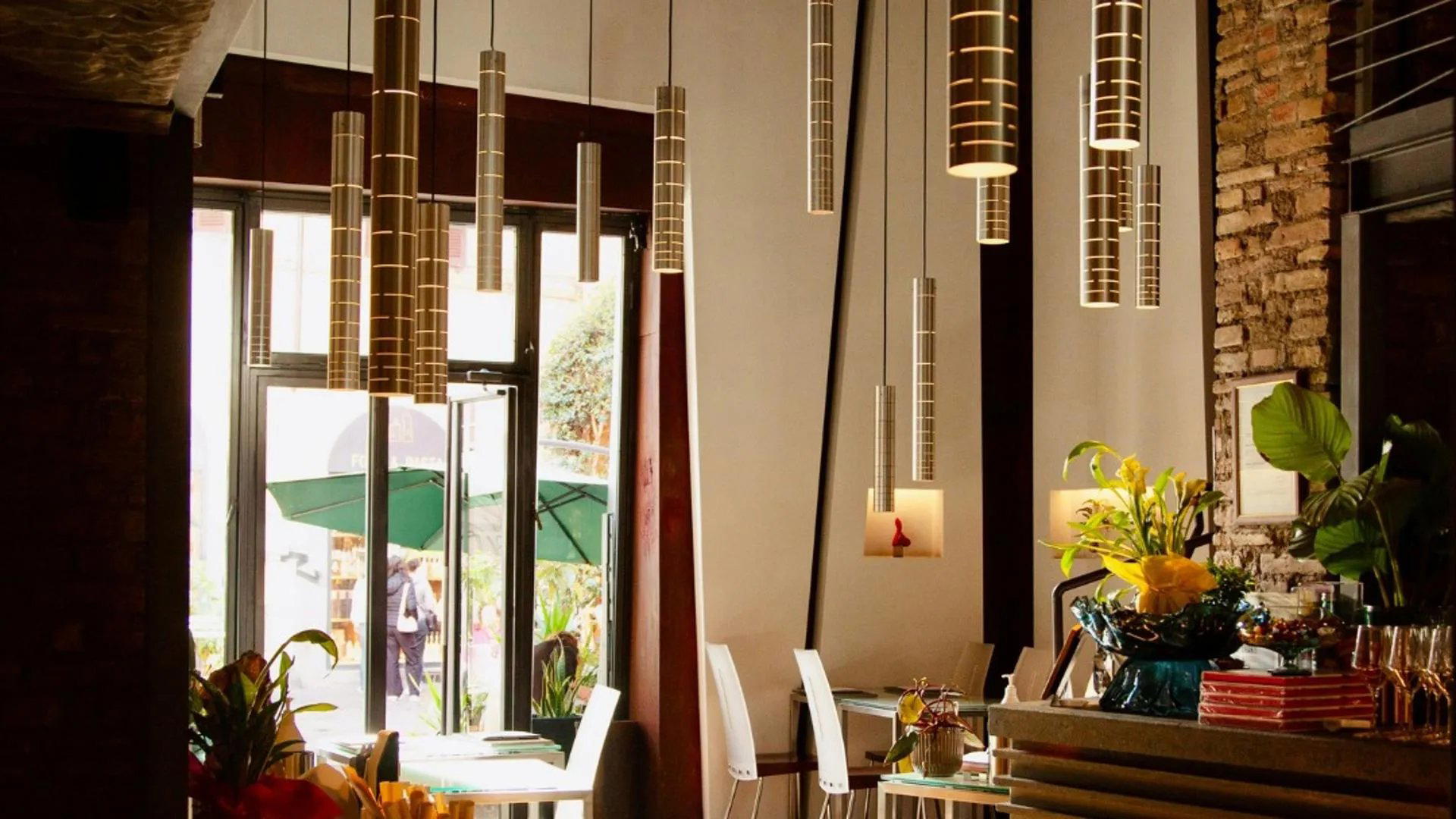
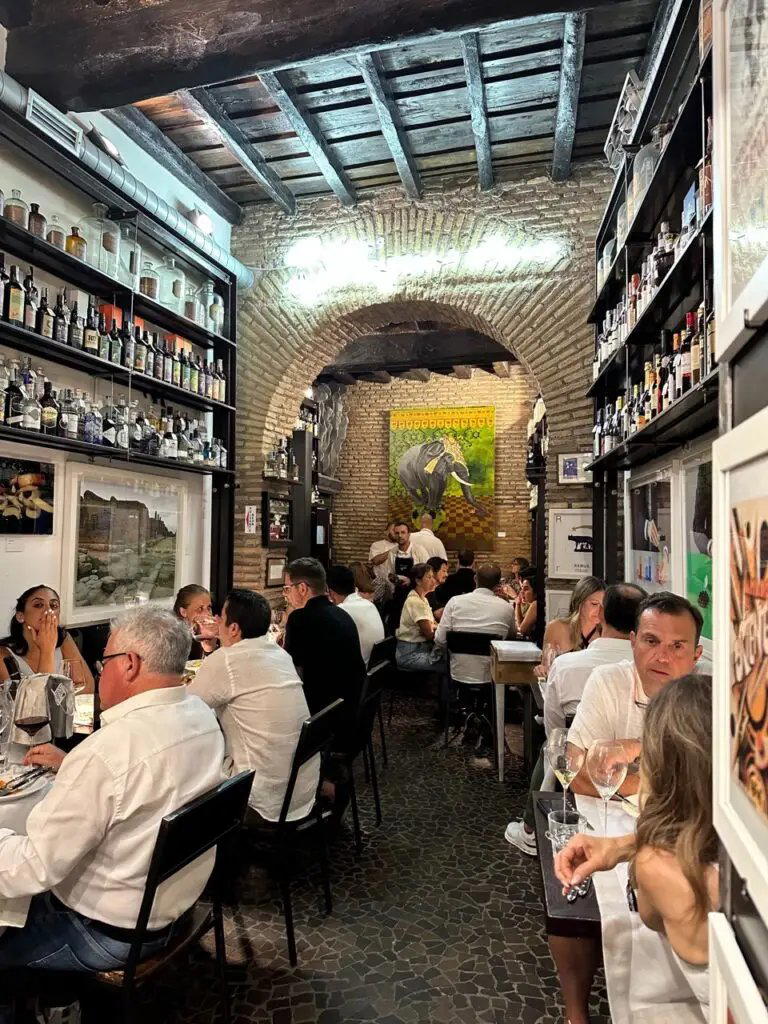
Bars in Rome
Browse all →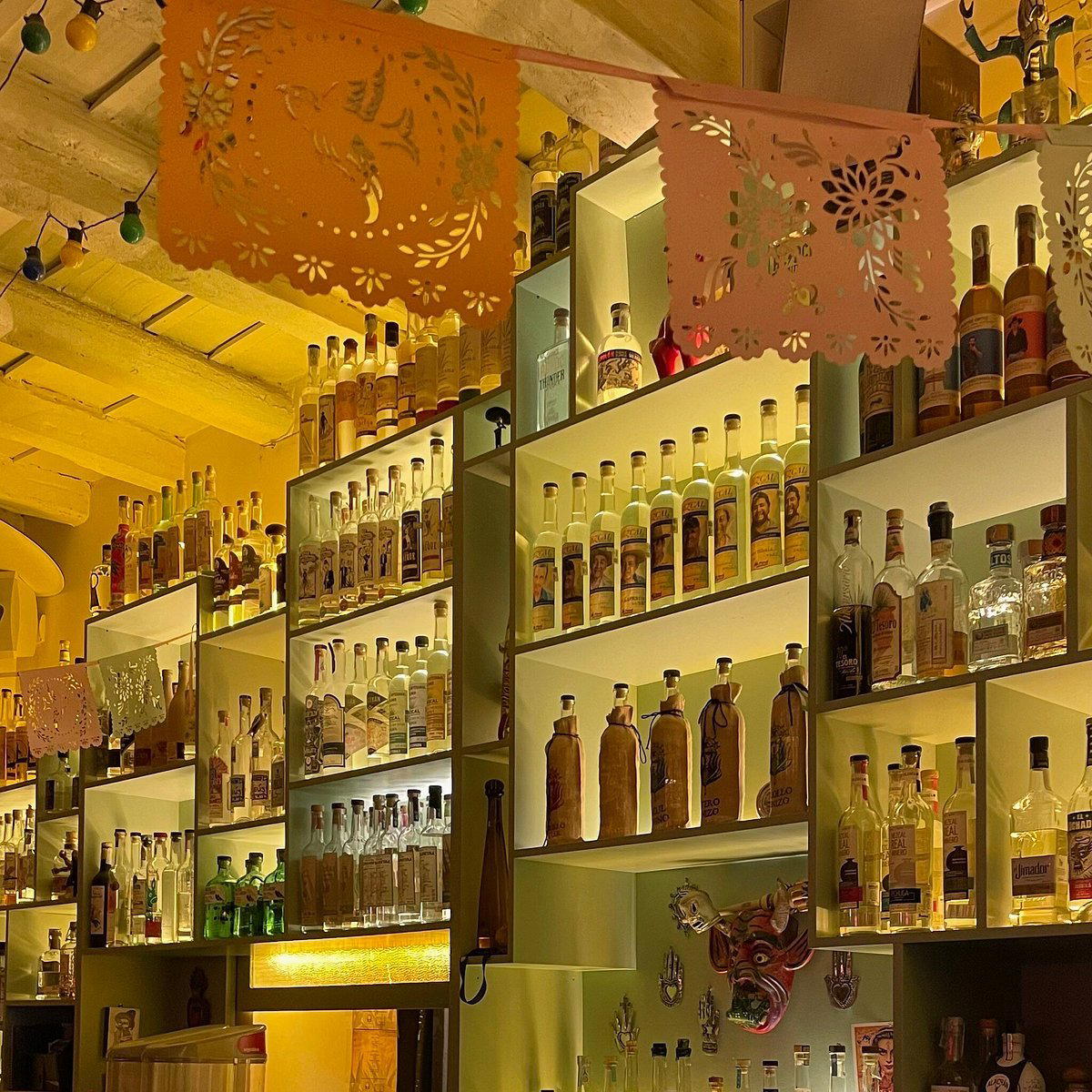
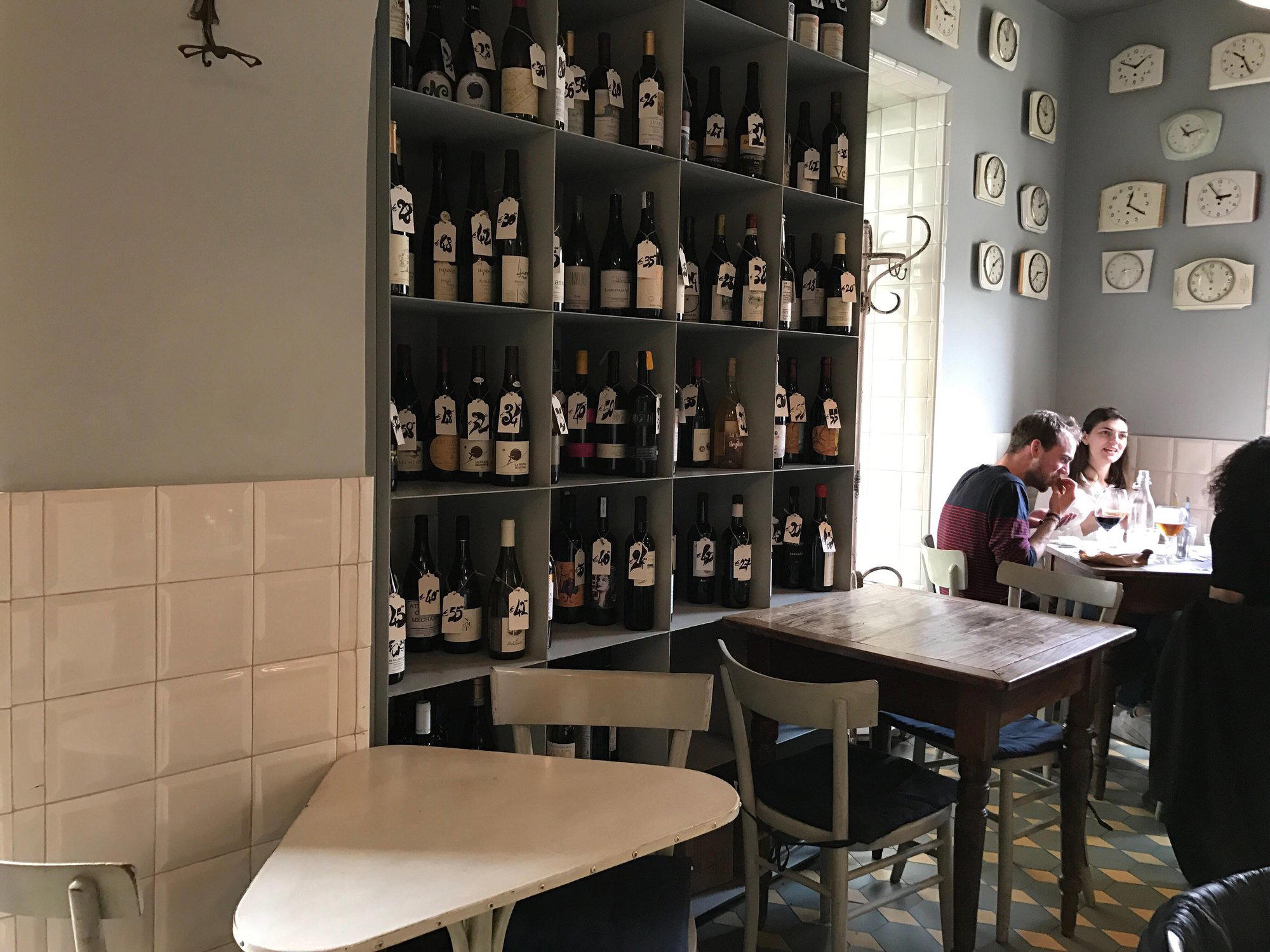
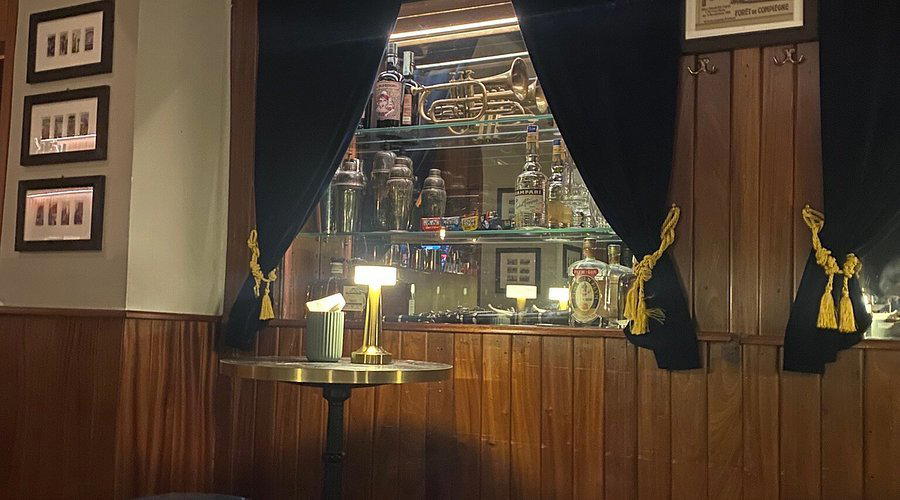
Hotels in Rome
Browse all →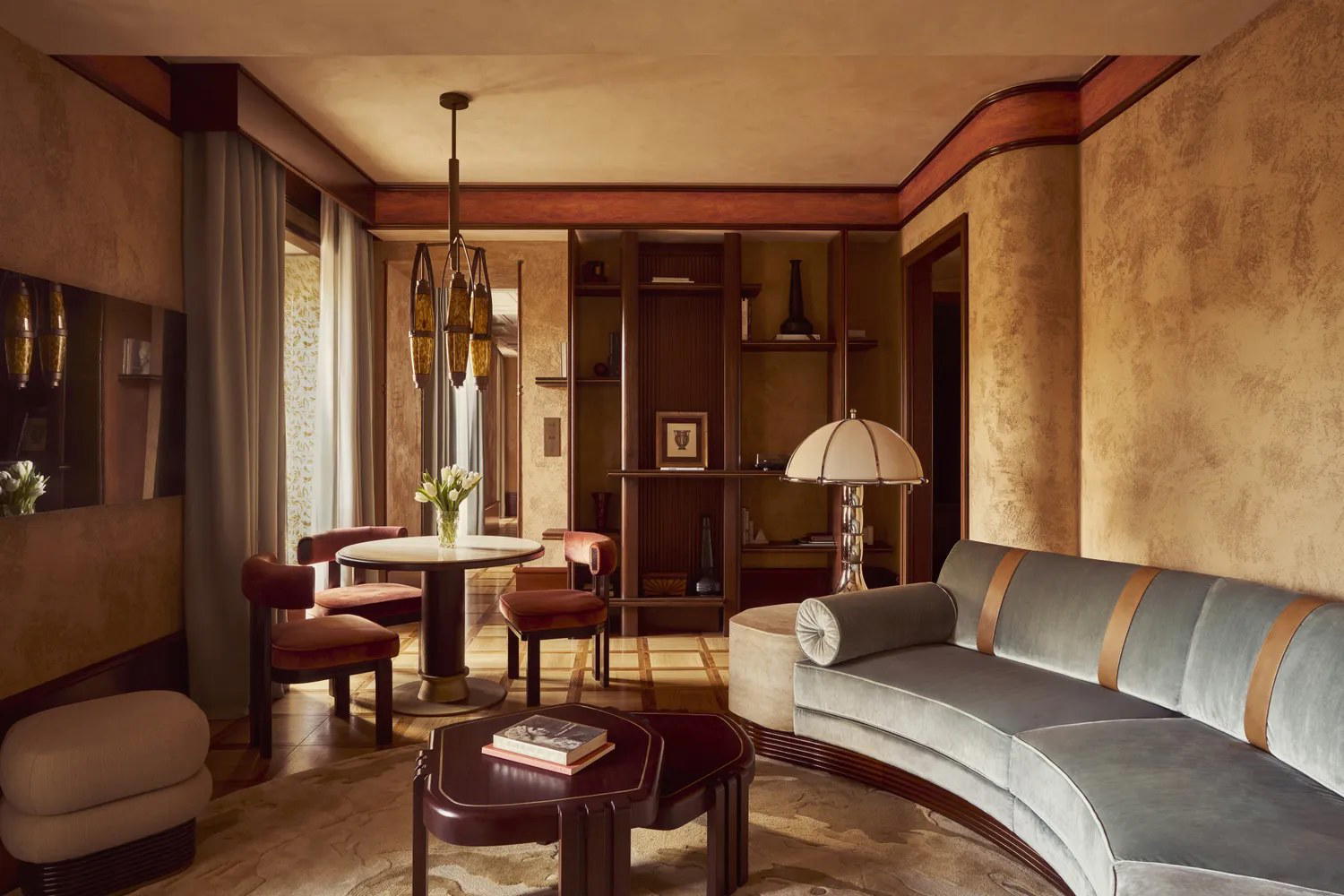
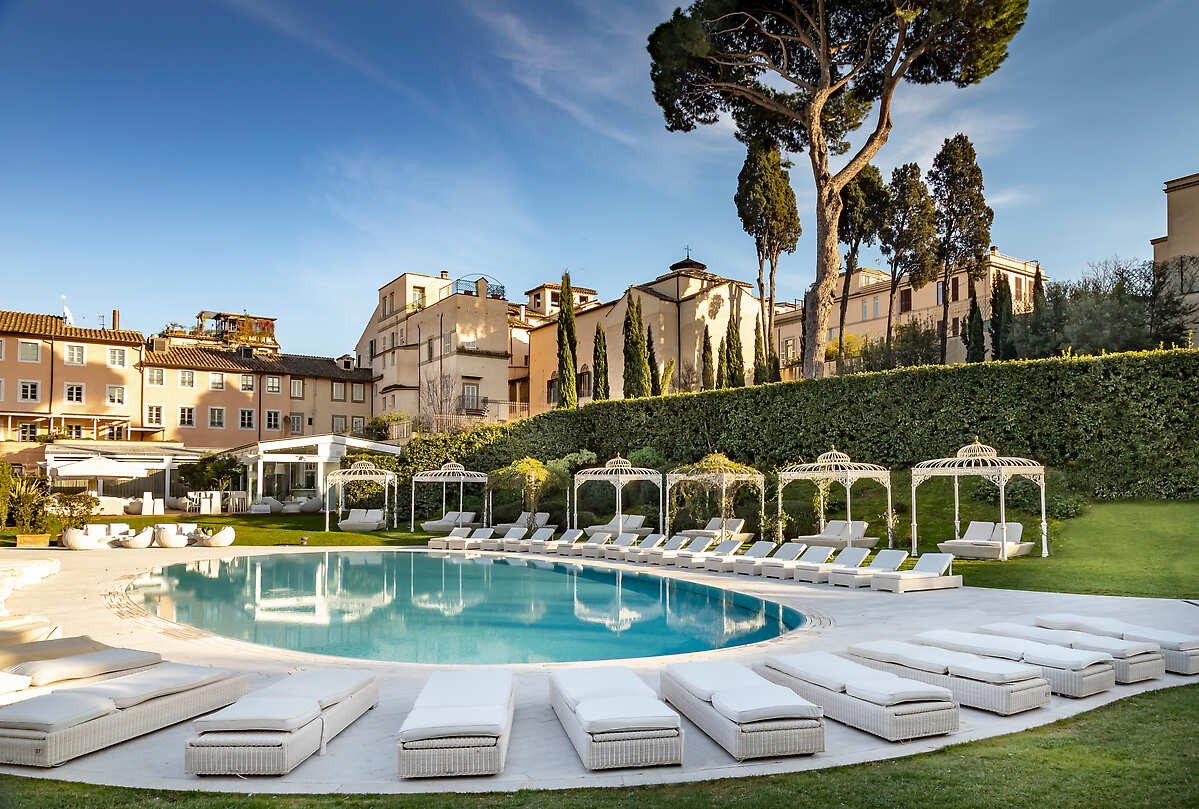

At a Glance
- Rustic
- Cozy
- Classic
- Group Dining
- Family
- Casual Hangout
- Historic Building
- Extensive Wine List
Current opening hours
- Monday
- 1–3 PM, 7:30–11 PM
- Tuesday
- 1–3 PM, 7:30–11 PM
- Wednesday
- Closed
- Thursday
- Closed
- Friday
- 1–3 PM, 7:30–11 PM
- Saturday
- 1–3 PM, 7:30–11 PM
- Sunday
- 1–3 PM, 7:30–11 PM
Hours can change for holidays and private events. Last verified .
Warm, cozy, and rustic with stone views, antique kitchen utensils, and a lively yet non-chaotic atmosphere.