Riva Rosa sits on the quieter northern edge of Venice at Via San Mauro, 296, away from the tourist circuits that crowd San Marco and the Rialto. What the address signals, and what the city's dining patterns confirm, is a restaurant operating in the tradition of neighbourhood-rooted Venetian dining rather than the spectacle end of the market. For travellers who have already worked through the obvious stops, it represents a different register entirely.
Pearl is the En Primeur Club membership app — saves, bookings, and concierge access live there. Same editors, same standards.
- Address
- Via San Mauro, 296, 30142 Venezia VE, Italy
- Phone
- +39 041 730850
- Website
- rivarosa.it
- Directions
- Get directions
 Saves & bookings on Pearl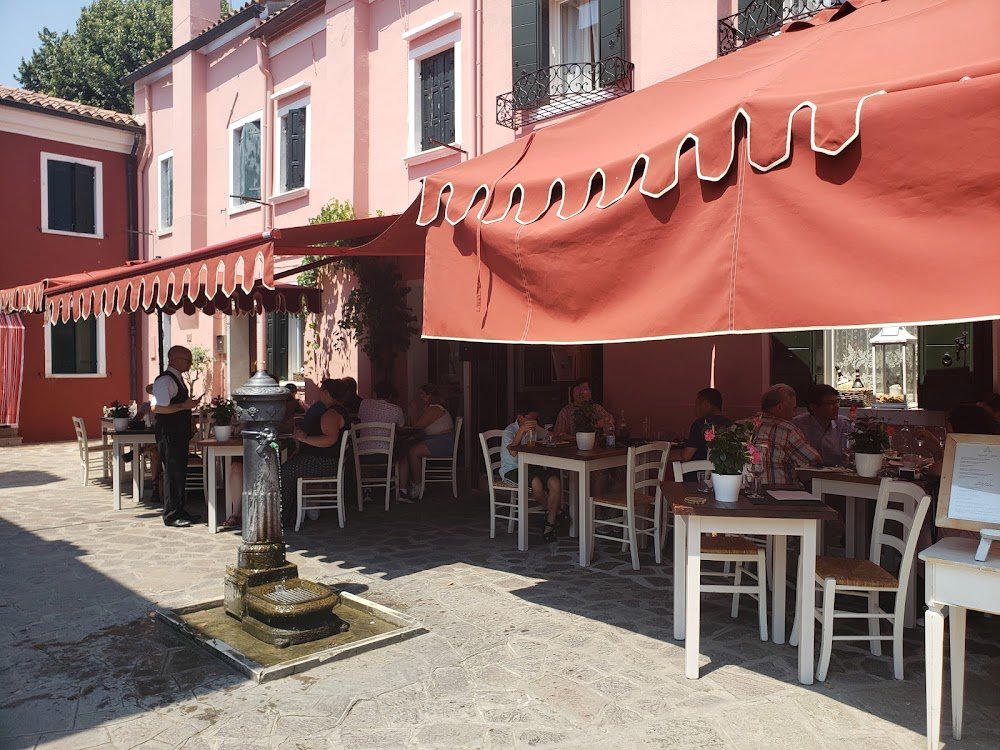
The Northern Shore and What It Means for Dining
Riva Rosa is a Venetian seafood restaurant in Venice's northern quarter, with a price point around $50 per person and a smart casual dress code. Move north toward the lagoon-facing edges of the island, and the character of dining shifts. Via San Mauro places Riva Rosa in a quieter part of Venice away from the Rialto circuit. This geography matters before you have even considered the food.
The same dynamic shapes Venice's broader restaurant ecology. Properties in the outer zones tend to price against a local-aware clientele rather than against the captive-audience economics of the centro storico. That translates, in most cases, to a different relationship between kitchen ambition and what ends up on the bill. It is worth holding that context when comparing Riva Rosa against the €€€€ tier occupied by Local or Ristorante Quadri, both of which operate inside or adjacent to the city's high-traffic historical core.
Venice and the Wine Question
Italian fine dining's relationship with wine has shifted considerably over the past two decades. The model once dominated by deep Tuscan and Piedmontese cellars has opened up, partly because sommeliers trained at Michelin-level restaurants across Italy began placing Venetian and northeastern Italian producers alongside Barolo and Brunello as serious cellar anchors. The Veneto's output, from Amarone della Valpolicella to the leaner, more mineral expressions coming out of the Soave Classico zone, now reads on serious wine lists as more than a regional courtesy. That shift matters for any restaurant operating in Venice with genuine cellar ambitions.
The northeastern Italian context also brings Slovenia, Friuli-Venezia Giulia, and the Alto Adige into play as sourcing territories. These are regions whose leading producers, from the oxidative orange wines of Oslavia to the Pinot Bianco and Gewürztraminer estates in the mountains north of Bolzano, have earned consistent placement at restaurants like Atelier Moessmer Norbert Niederkofler in Brunico and Reale in Castel di Sangro. Any Venice restaurant that takes wine seriously is drawing on this geography, whether it leans into it explicitly or simply benefits from the proximity of the producers.
At the upper end of Italy's wine program tier, the reference point remains Enoteca Pinchiorri in Florence, whose cellar is one of the documented benchmarks against which serious Italian restaurant wine programs are measured. Closer to Venice in style and geography, Dal Pescatore in Runate and Uliassi in Senigallia both operate wine lists that treat the Adriatic coast's producers as primary rather than supplementary. That regional framework is the appropriate one for understanding how a Venetian restaurant should be approaching its cellar.
Seafood, Lagoon Tradition, and the Menu Framework
Venetian cuisine is, at its structural core, a seafood tradition shaped by lagoon access and a centuries-old trade geography that brought spices, preserved fish, and Adriatic catch into the same kitchen. The cicchetti tradition, the raw bar counter culture at the city's bacari, and the more formal restaurant expressions of crudo and risotto nero all draw from the same source material. What separates the serious kitchens from the tourist-tier operations is sourcing proximity: whether the moeche (soft-shell crab), the scallops from the northern Adriatic, and the spider crab arrive via the Rialto fish market or via a distributor several steps removed.
Across Venice's credible dining tier, the kitchens at Glam Restaurant by Enrico Bartolini and Oro Restaurant represent the creative-contemporary end of that tradition, while Wistèria sits at a more neighbourhood-accessible point on the same spectrum. Restaurants operating at the €€€-€€€€ boundary in Venice, which represents the majority of the credible independent dining tier, are essentially navigating between these reference points: how contemporary to read the menu, how far to push sourcing transparency, and where the wine program fits within the kitchen's identity.
Italy's broader dining conversation around this kind of cooking has produced some of the country's most discussed restaurants of the last decade: Osteria Francescana in Modena set one kind of benchmark for creative Italian, while Piazza Duomo in Alba, Le Calandre in Rubano, and Quattro Passi in Marina del Cantone each represent distinct regional positions within the same broader creative Italian tier. For seafood-forward cooking that draws on Adriatic proximity, Uliassi is probably one direct national reference point.
Reaching the Address
Via San Mauro, 296 sits in the northern reaches of the main island, in the zone that postal addresses mark as Venezia VE 30142. From the main vaporetto network, the nearest landing points are on the northern edges of Cannaregio, requiring a short walk through a part of the city that most visitors do not reach until their second or third trip. That physical remove is not a complication so much as a filter. The visitors who make the effort are, almost by definition, the kind of travellers who have moved past the obvious itinerary. For those planning a broader exploration of the city's dining beyond the well-documented stops, our full Venice restaurants guide maps the credible tier across neighbourhoods.
For comparison at the international level, the precision of a destination like Le Bernardin in New York City illustrates what seafood-focused fine dining looks like when it reaches stronger examples from its category, while Lazy Bear in San Francisco shows how format discipline and locality can build a program that operates at a fundamentally different scale from the conventional restaurant model. Venice's own version of that conversation is quieter but ongoing, and the northern-island addresses are where much of the more considered version of it takes place. Enrico Bartolini in Milan sits at the summit of the Italian creative tier for context on where that national conversation currently lands.
Planning a Visit
Comparable Venues
Comparable venues nearby, for context on price, style, and recognition.
| Venue | Cuisine | Price | Notes |
|---|---|---|---|
| Riva RosaThis venue — the venue you are viewing | Venetian Seafood | $$$ | Not listed |
| Quadrino | Modern Venetian Bistro | $$$ | San Marco |
| L’Alcova | Traditional Venetian | $$$ | Santa Croce |
| Ristorante Casa Cappellari | Venetian Trattoria | $$$ | San Polo |
| AcquaStanca | Venetian Seafood Osteria | $$$ | Murano |
| da Celeste Pellestrina | Traditional Venetian Seafood | $$$ | Pellestrina |
Continue exploring
More in Venice
Restaurants in Venice
Browse all →
Bars in Venice
Browse all →
Hotels in Venice
Browse all →
At a Glance
- Romantic
- Elegant
- Cozy
- Scenic
- Date Night
- Special Occasion
- Group Dining
- Waterfront
- Terrace
- Extensive Wine List
- Local Sourcing
- Waterfront
- Street Scene
Current opening hours
- Monday
- 12–4:30 PM
- Tuesday
- 12–4:30 PM
- Wednesday
- Closed
- Thursday
- 12–4:30 PM
- Friday
- 12–4:30 PM
- Saturday
- 12–4:30 PM
- Sunday
- 12–4:30 PM
Hours can change for holidays and private events. Last verified .
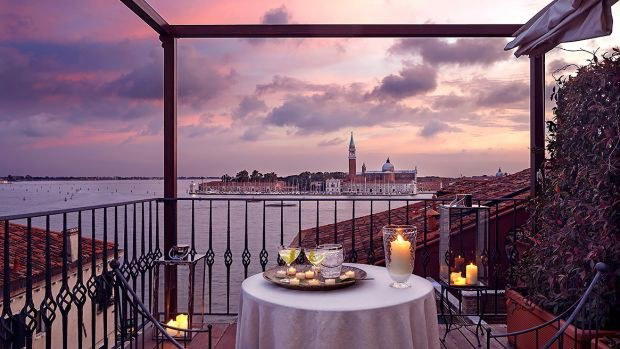
Combination of cottage and Mediterranean style with white wooden chairs, unplastered stone walls, playful chandeliers, and scenic terrace