Our verdict
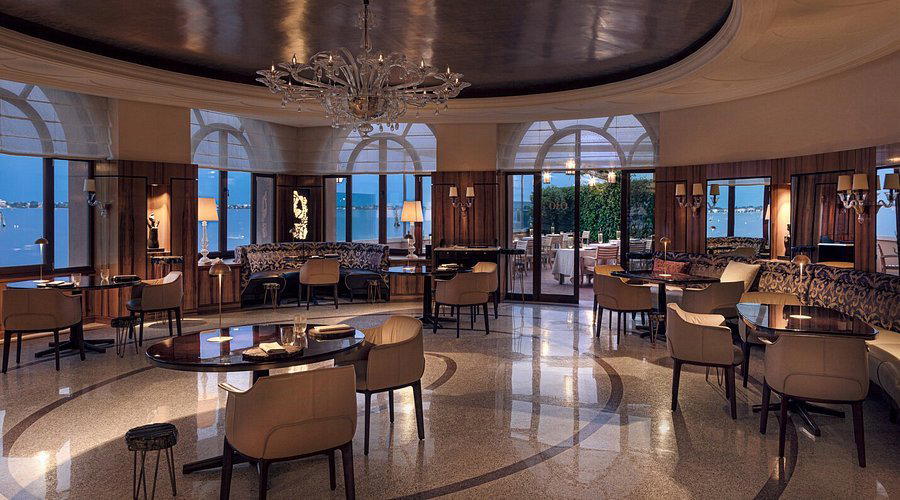
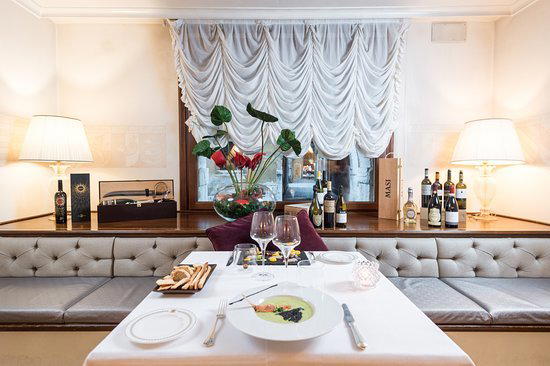
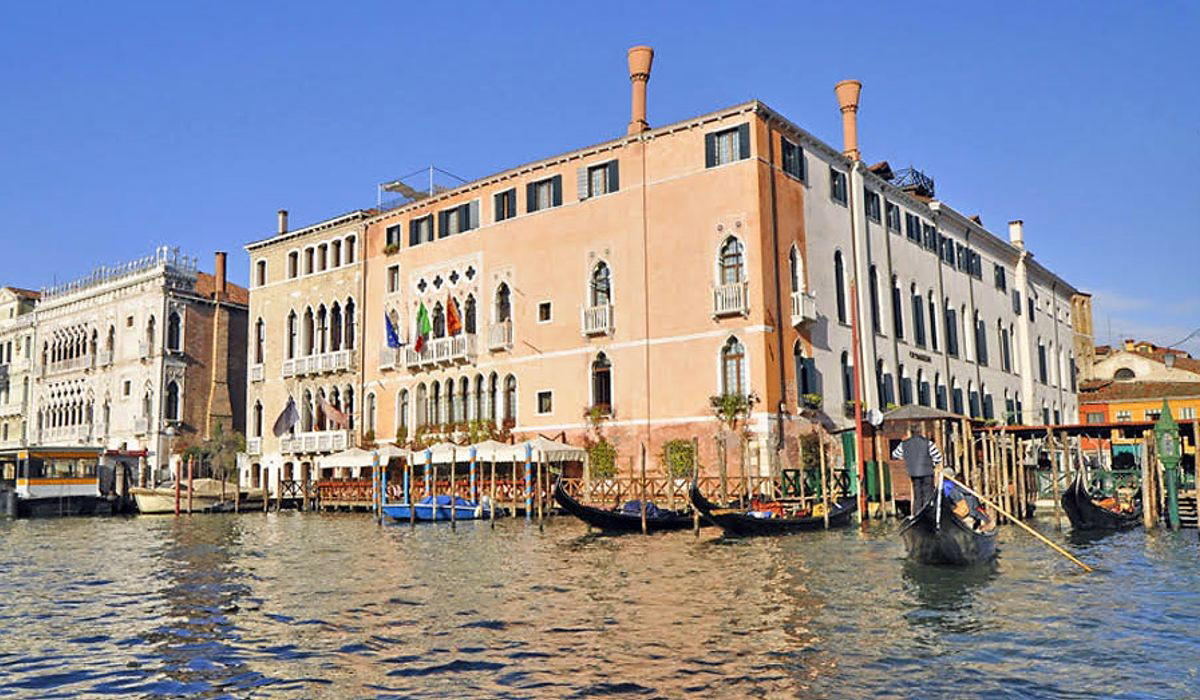
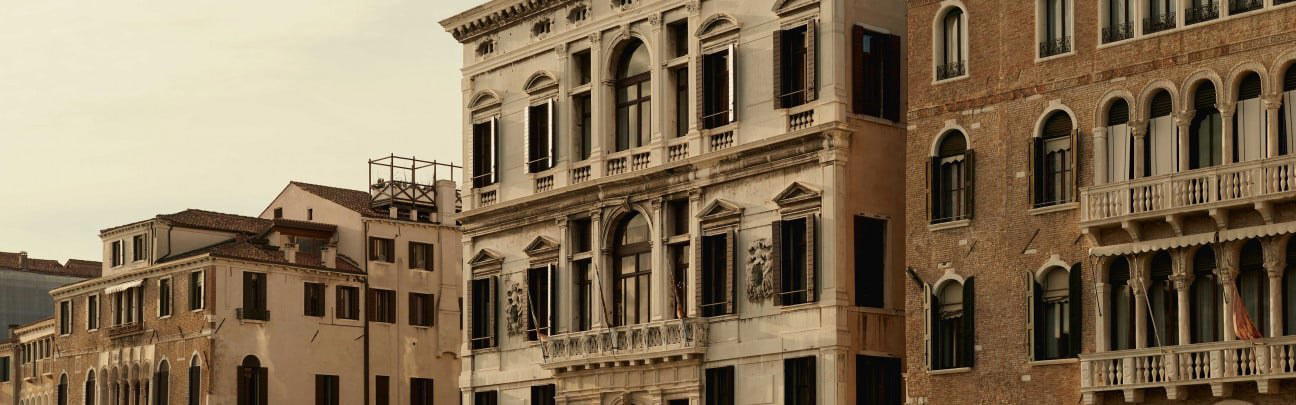
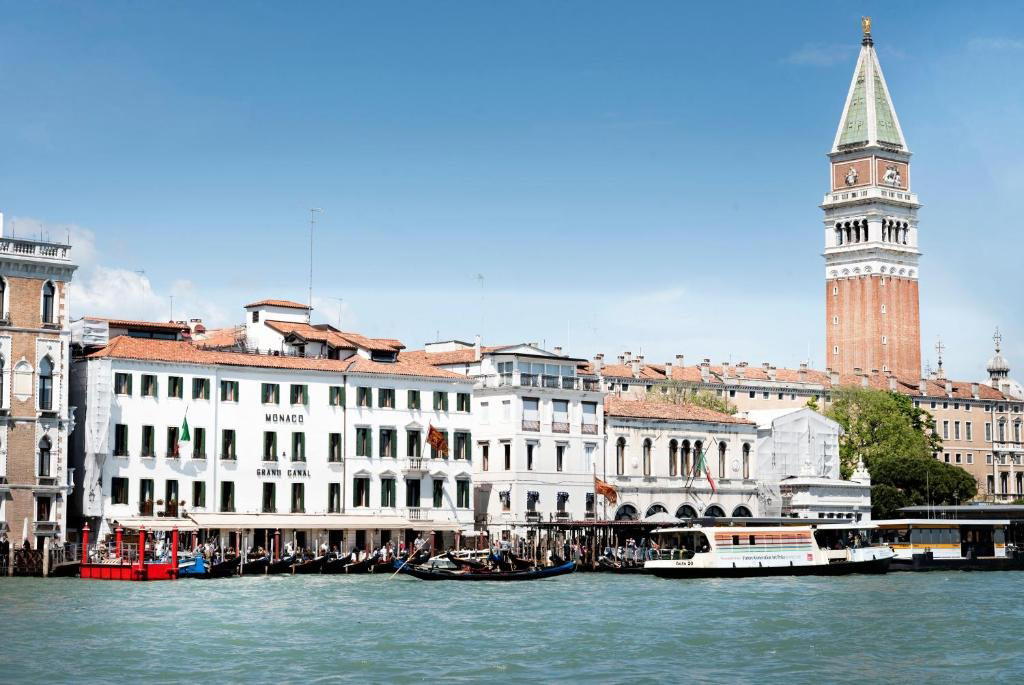
"L'Alcova Restaurant L’Alcova, within the posh Ca’Sagredo Hotel, is an intimate dining experience with just nine tables on a delightful panoramic terrace fronting the Grand Canal. It serves a traditional Venetian menu that changes daily and is sourced from the Rialto Market across the street. Dishes like monkfish with cherries and wild baby asparagus, and burrata-filled tortellini with clams, fresh basil, capers, and pine nuts, are paired with a wine list representing Italy’s different wine regions. The desserts here are stellar, so try to save room. It’s also not unusual for the chef to come chat with diners post-meal. This is a great romantic pick, just make sure to reserve ahead."

Pearl is the En Primeur Club membership app, where members save venues, book tables and use the concierge.

The menu
What to order
- Monkfish with cherries and wild baby asparagus
- Burrata-filled tortellini with clams
A Name on the Venetian Dining Circuit
Venice earns its reputation as one of the most demanding cities in Italy for serious dining. The logistics of supply alone separate its restaurant tier from mainland peers: everything arrives by boat, seasonal lagoon produce operates on its own calendar, and the weight of tourist volume means kitchens serving a discerning local clientele occupy a relatively narrow bracket of the overall market. L'Alcova holds a position within that bracket, drawing visitors researching Venice's more considered dining options alongside residents willing to plan ahead. The address places it within the Metropolitan City of Venice, the postal zone that covers the historic island, rather than the Mestre or Marghera mainland extensions.
The Venetian Pantry and What Kitchens Do With It
The editorial angle that makes Venice genuinely interesting for a food writer is the intersection of a hyperlocal ingredient tradition with techniques that have traveled in from broader Italian and European kitchens. The lagoon produces ingredients that exist almost nowhere else at scale: moleche (soft-shell crab harvested in spring and autumn when the crabs moult), moeche season running roughly April to May and October to November, go fish, spider crab, and the violet-tinged artichoke known as carciofo violetto di Sant'Erasmo, grown on the island of Sant'Erasmo and available from March through May. Sarde in saor, the sweet-and-sour sardine preparation, signals how Venetian kitchens have historically layered preservation technique onto the catch. The more technically ambitious restaurants in the city use these ingredients as the fixed point and apply methods drawn from contemporary Italian fine dining, the French tradition, and, increasingly, Japanese precision approaches to temperature and texture.
This tension between the local pantry and imported method is what separates the city's upper dining tier from its mid-market. Venues like Local, working in the Modern Italian and Contemporary register at the €€€€ price point, and Ristorante Quadri, with its Modern Cuisine positioning and historic Piazza San Marco address, both sit in that upper tier and price against peer counters rather than the city's mid-range trattoria circuit. Glam Restaurant by Enrico Bartolini brings the creative ambition of a chef with a significant multi-restaurant profile, linking Venice to the broader conversation around his Milan operation. Wistèria and Oro Restaurant extend the Contemporary Italian category across different neighbourhoods and formats. L'Alcova occupies this same terrain, where the source material is Venetian and the grammar of execution draws from a wider world.
Italy's Fine Dining Conversation and Where Venice Fits
The national context matters here. Italy's recognised fine dining tier runs through a handful of anchor addresses: Osteria Francescana in Modena, Le Calandre in Rubano, Enoteca Pinchiorri in Florence, Piazza Duomo in Alba, and Dal Pescatore in Runate. The coastal and seafood-led strand of that conversation includes Uliassi in Senigallia and Quattro Passi in Marina del Cantone. The alpine, hyper-regional approach appears in Atelier Moessmer Norbert Niederkofler in Brunico and Reale in Castel di Sangro. Venice does not dominate this conversation, partly because its logistics make consistency harder to sustain at the highest level, and partly because the city's primary economic driver remains tourism volume rather than destination-dining pilgrimage. The restaurants that do earn serious attention in Venice tend to be smaller in scale, more reliant on the lagoon ingredient calendar, and less dependent on the set-piece theatrics that read well in marketing but age poorly in practice.
The global reference points for lagoon-to-table precision cooking are worth noting. The treatment of the leading available seafood with minimal intervention, calibrated temperature, and technique drawn from multiple traditions is a conversation that runs through kitchens as different as Le Bernardin in New York City and, in its tasting-menu Korean-American register, Atomix. Venice brings its own fixed constraints to that conversation: the ingredient calendar cannot be circumvented, and any serious kitchen here is working with what the lagoon and the Adriatic provide on their own schedule.
Seasons and Timing in Venice
City's ingredient calendar should drive visit timing for anyone eating seriously here. Spring brings the carciofo violetto di Sant'Erasmo and the first moleche season. Autumn delivers the second soft-shell crab window and the arrival of the broader Adriatic cold-water catch. Summer concentrates tourist volume at its peak while simultaneously offering the broadest range of lagoon vegetables. Winter thins the crowds and narrows the pantry, but kitchens working with preserved and cured Venetian products, the saor tradition, dried baccalà, aged roe, are often at their most focused in the colder months. The spring and autumn shoulder seasons offer the clearest view of what a kitchen committed to local-first sourcing actually does with the leading available produce at its most abundant.
Planning a Visit
Practical logistics in Venice require more planning than in most Italian cities. Vaporetto access, the weight of visitor numbers in high season between June and August, and the concentration of reservations for the city's better tables in a relatively short shoulder season window mean that booking further ahead than you might for a comparable address in Milan or Rome is advisable. For visitors building a broader Italy dining itinerary, Venice sits naturally alongside day trips to the Veneto, Le Calandre in Rubano is less than an hour from the city by road, or as part of a northeast Italy circuit. Consult our full Venice restaurants guide for a mapped view of the city's dining options by neighbourhood and price point.
Frequently asked questions
Where is L’Alcova in Venice?
L’Alcova is located at 30100 Venice, Metropolitan City of Venice, Italy, Venice.
What do people recommend at L'Alcova?
What Venice's serious dining addresses consistently draw praise for is their handling of hyperlocal lagoon ingredients, carciofo violetto di Sant'Erasmo in spring, local molluschi, and the broader Venetian pantry that changes with the season. L'Alcova sits within that same city-wide ingredient tradition.
Do they take walk-ins at L’Alcova?
Reservations are recommended for L’Alcova in Venice. Confirm current policy via the venue's official channels.
What has L’Alcova built its reputation on?
L’Alcova is best approached by focusing on the core concept and signature offerings.
Comparable Venues
Comparable venues nearby, for context on price, style, and recognition.
| Venue | Cuisine | Price | Notes |
|---|---|---|---|
| L’AlcovaThis venue (the venue you are viewing) | Traditional Venetian | Not listed | Not listed |
| Ristorante Casa Cappellari | Venetian Trattoria | $50–100 | San Polo |
| LPV Ristorante | Classic Venetian Fine Dining | Not listed | Riva degli Schiavoni |
| Riva Rosa | Venetian Seafood | $50–100 | Burano |
| Trattoria Baccalà Divino | Venetian Baccalà Trattoria | $30–50 | Gazzera |
| La Patatina di San Giacomo | Italian Pizza and Seafood with Vegan Options | $30–50 | Santa Croce |
Continue exploring
More in Venice
Restaurants in Venice
All restaurants in Venice →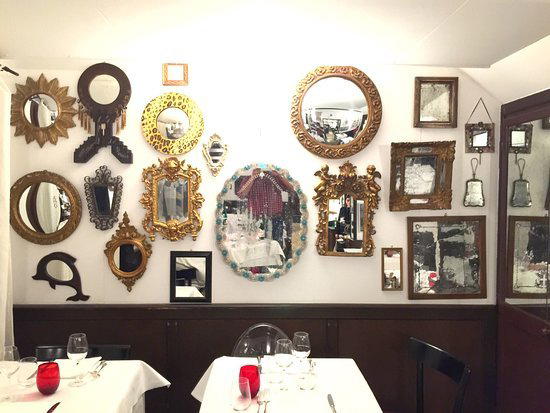
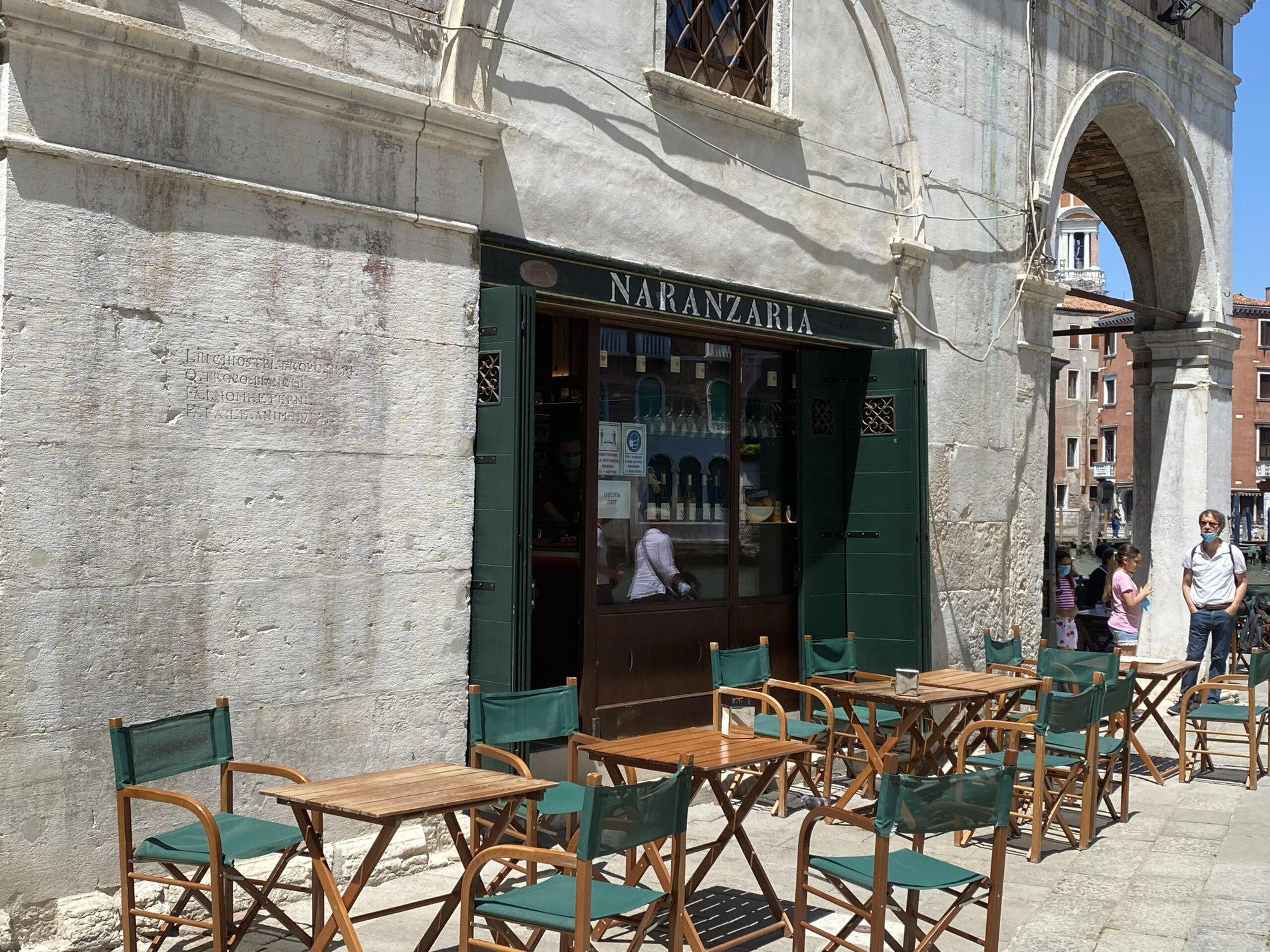
Bars in Venice
All bars in Venice →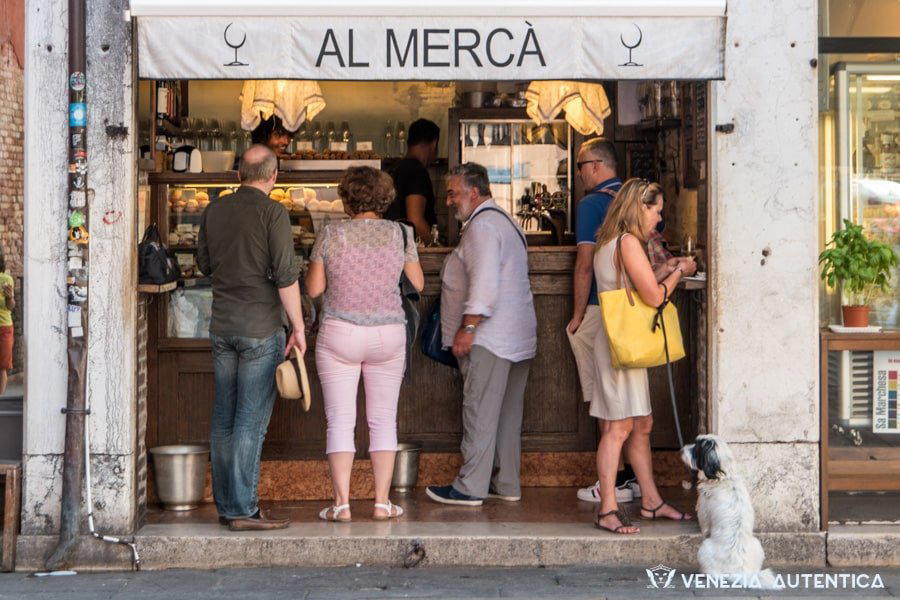
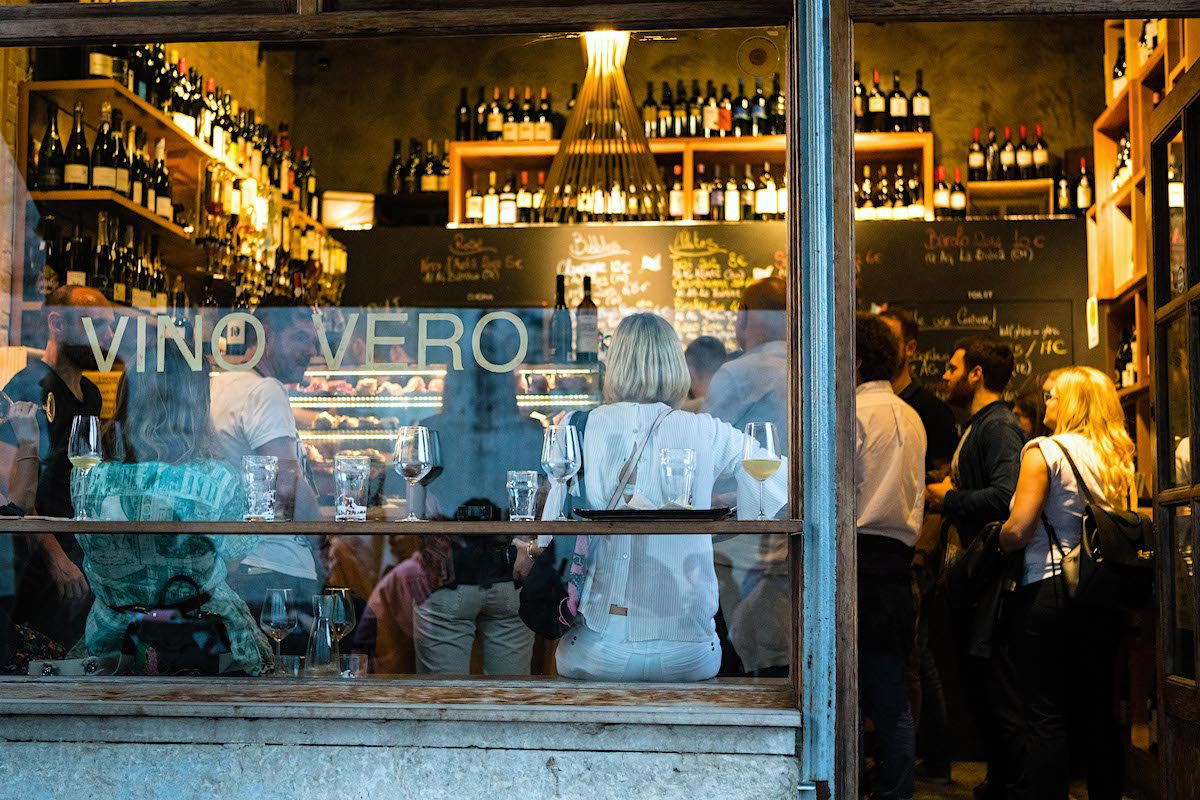
Details
- Romantic
- Elegant
- Intimate
- Scenic
- Sophisticated
- Date Night
- Special Occasion
- Waterfront
- Terrace
- Extensive Wine List
- Local Sourcing
- Waterfront
- A La Carte
- Vegetarian Friendly
Current opening hours
- Monday
- 12–2:30 PM, 7–10 PM
- Tuesday
- 12–2:30 PM, 7–10 PM
- Wednesday
- 12–2:30 PM, 7–10 PM
- Thursday
- 12–2:30 PM, 7–10 PM
- Friday
- 12–2:30 PM, 7–10 PM
- Saturday
- 12–2:30 PM, 7–10 PM
- Sunday
- 12–2:30 PM, 7–10 PM
Hours can change for holidays and private events. Hours as of .
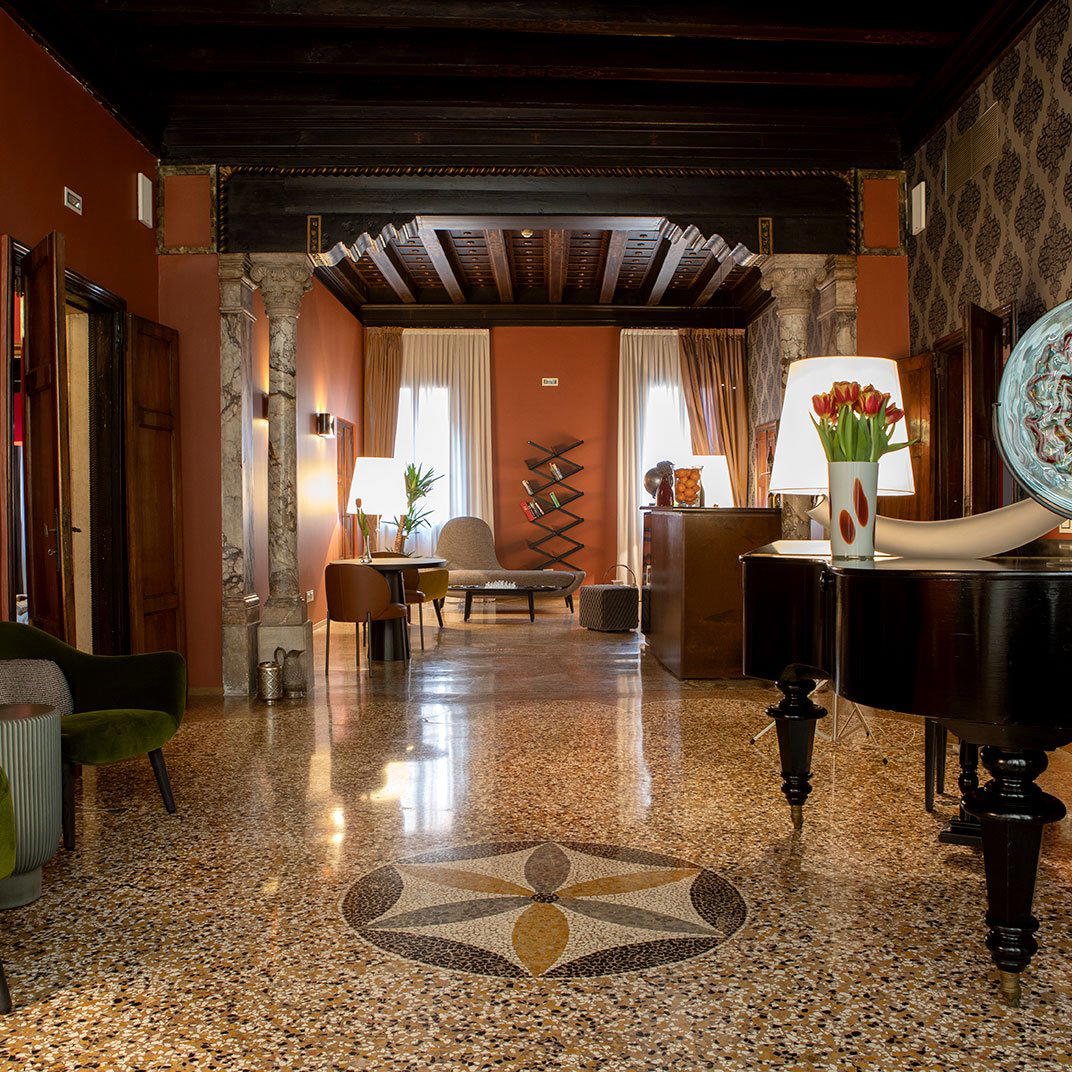
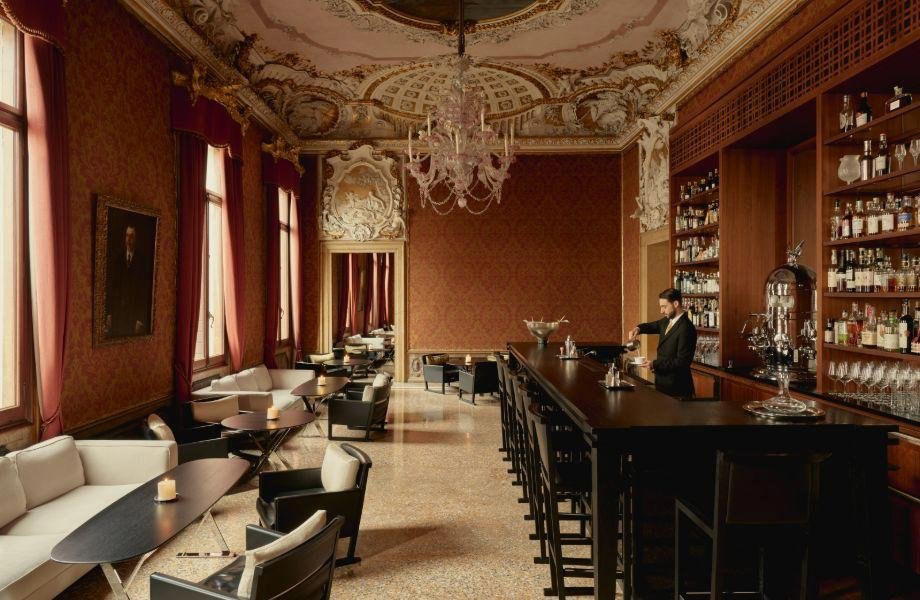
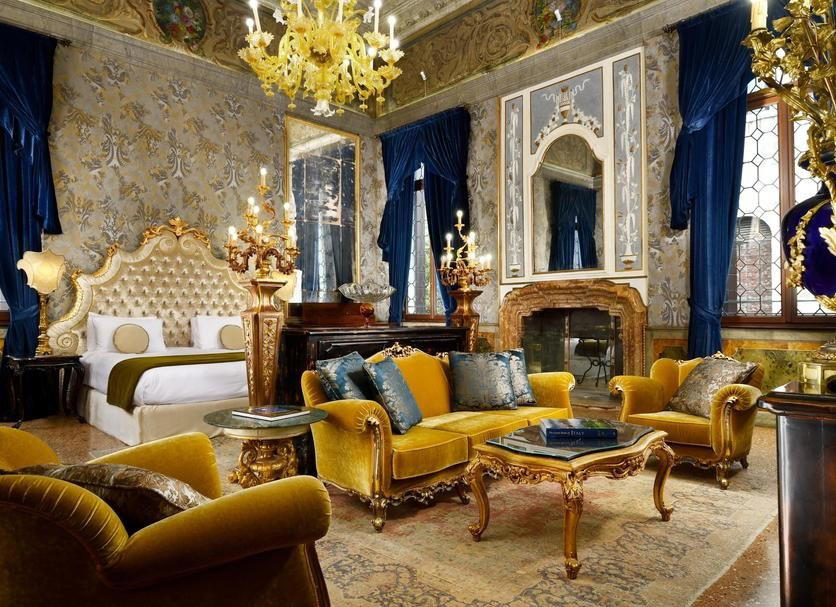
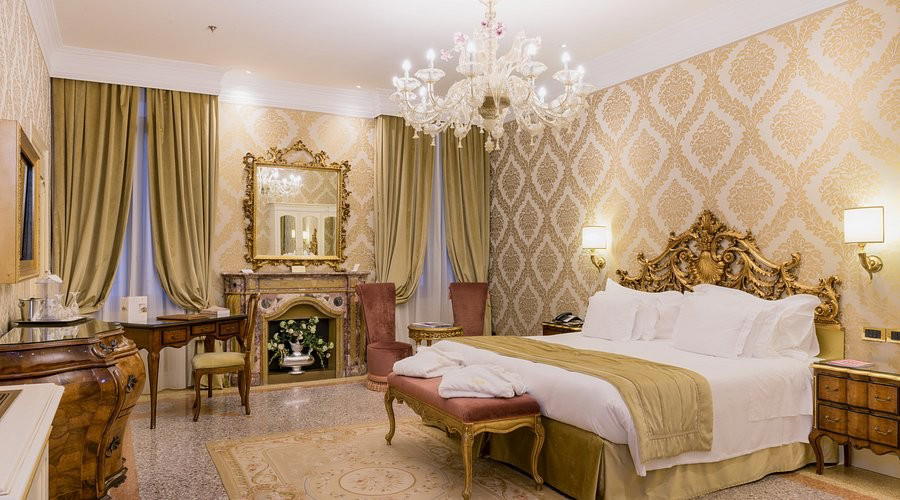
Elegant interiors and panoramic terrace overlooking the Grand Canal with a romantic, serene atmosphere.