
On Piazza San Marco at address 122, Quadrino occupies one of Venice's most charged locations, steps from the basilica and the weight of centuries of trading culture. The venue sits within a dining neighbourhood that has long separated serious local cooking from tourist-facing commodity, and understanding which side of that line it falls on matters before you book.
Pearl is the En Primeur Club membership app — saves, bookings, and concierge access live there. Same editors, same standards.
- Address
- P.za San Marco, 122, 30124 Venezia VE, Italy
- Phone
- +39415222105
- Website
- alajmo.it
- Directions
- Get directions
 Saves & bookings on Pearl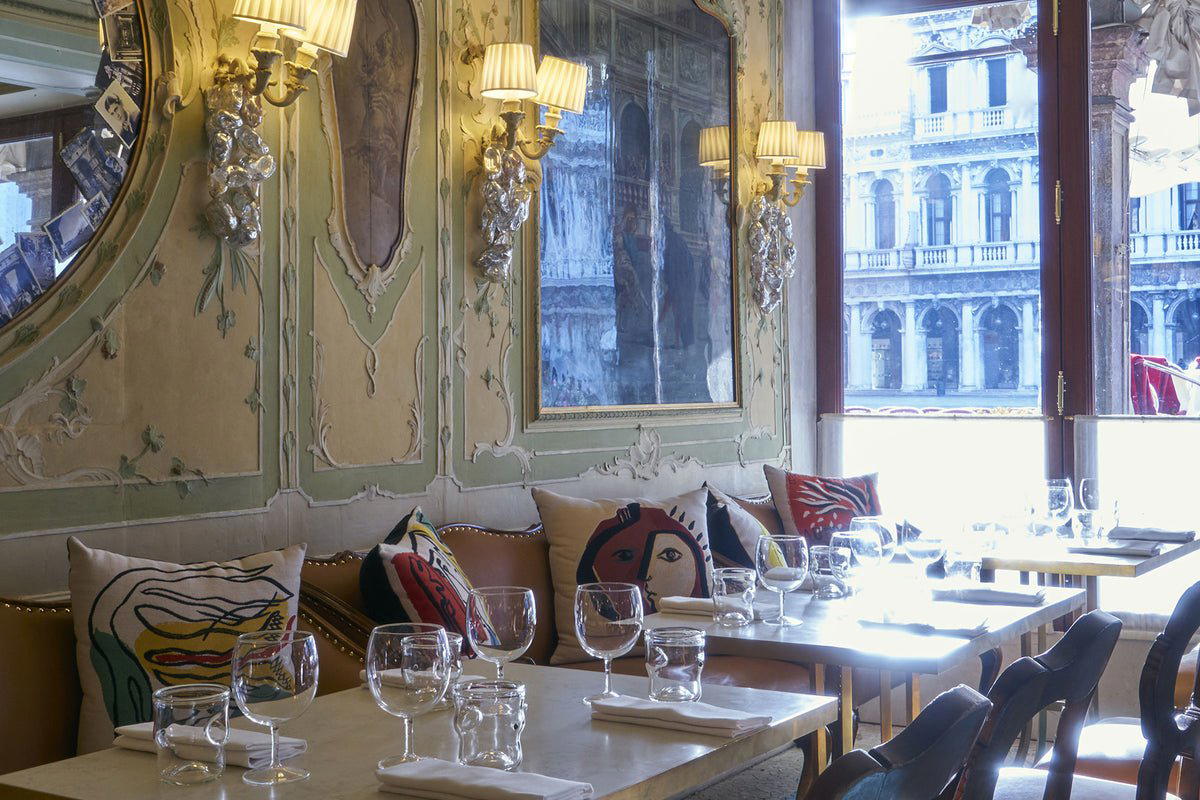
Piazza San Marco and the Problem of Proximity
Few addresses in European dining carry as much editorial baggage as Piazza San Marco. The square draws roughly 30 million visitors annually, and the hospitality industry that has crystallised around it spans everything from Michelin-starred institutions to cafes charging twelve euros for a cappuccino with a view. Quadrino is a Modern Venetian Bistro at P.za San Marco, 122, 30124 Venezia VE, Italy, with a price tier around $80 per person. Sitting at number 122, Quadrino occupies this contested geography, a location that, in Venice more than almost anywhere else in Italy, demands to be read carefully before it can be read at all.
The tension is worth naming directly. Venice's serious dining scene has spent the past decade sorting itself into two distinct tiers: a handful of ambitious, often sustainability-conscious kitchens working with Lagoon-sourced produce, reduced-waste protocols, and provenance-led menus; and a much larger volume of operations trading almost entirely on footfall and spectacle. The addresses associated with the former tend to sit away from the Piazza, in Castello, in the Cannaregio backstreets, or across the water on Giudecca. That Quadrino holds a San Marco address makes contextualisation more important, not less.
What the Lagoon Kitchen Looks Like in 2024
To understand where any San Marco-area restaurant sits within Venice's dining order, it helps to know what the serious end of the city's food culture now expects of itself. The movement that has defined ambitious Venetian cooking over the past several years is rooted in the Lagoon's own ecological logic: the fishing calendar, the seasonal rhythms of the valli da pesca (the managed fishing lagoons), and a growing resistance to the imported protein that dominated menus when tourist volumes made local sourcing economically inconvenient.
Kitchens that have bought into this framework, the approach associated with restaurants like Local, which has built its identity around Venetian produce chains, or Oro Restaurant, operating from the Bauer Palazzo at the contemporary Italian end, tend to foreground the seasonal specificity that the Lagoon demands. Moleche (soft-shell crab, available only in spring and autumn), schie (tiny grey lagoon shrimp), and locally caught branzino carry a different ethical and culinary weight than the same species imported from aquaculture operations further afield. The sustainability argument here is not abstract: it is tied to the survival of the traditional fishing communities that have worked the Lagoon for centuries.
Italy's broader fine dining conversation has moved in the same direction at scale. Operations like Atelier Moessmer Norbert Niederkofler in Brunico have made ethical sourcing and zero-waste cooking the structural principle of three-Michelin-star cuisine, while Uliassi in Senigallia has demonstrated what a coastal kitchen can do when it treats the Adriatic as a living system rather than an extraction site. These are not peripheral concerns at the premium end of Italian dining, they are increasingly the criteria by which serious kitchens are measured.
The San Marco Dining Tier
Within the Piazza San Marco orbit, documented anchor for premium dining is Ristorante Quadri, which holds Michelin recognition and operates from the square's north arcade, drawing comparisons with the Alajmo family's broader Italian portfolio that includes Le Calandre in Rubano. At that tier, menus price against Venice's wider luxury visitor economy rather than against neighbourhood trattorie. The question for any venue in the same postcode is whether it is operating within that premium tier, in which case it should be assessed against Glam Restaurant by Enrico Bartolini and Wistèria as peer references, or whether it is positioned at a more accessible price point serving the square's enormous daily footfall.
What the address at Piazza San Marco 122 does confirm is physical proximity to among the more heavily trafficked hospitality zones in Europe, which carries both commercial advantages and the reputational weight that serious Venetian dining has historically associated with compromise.
Approaching Quadrino: Practical Intelligence
Venice's geography makes logistics non-trivial. San Marco is accessible by vaporetto from the main arrivals points, from Santa Lucia train station, line 2 runs direct to San Marco Giardinetti in roughly 35 minutes; from Marco Polo Airport, the Alilaguna Blu line reaches San Marco in approximately 75 minutes, or a private water taxi cuts that to around 45. The square itself sees extreme volume between 10am and early evening, and any venue on the Piazza benefits operationally from guests who arrive outside peak pedestrian hours. For a considered meal, early lunch or dinner service times tend to mean a less compressed experience of the broader environment.
Reservations are recommended, and a useful approach is to book ahead. Walk-in availability at venues in this location varies sharply by season: the Carnevale period (typically late January to mid-February) and the summer high season from June through September represent the tightest windows, while November and early December offer greater flexibility and, for those engaged with the Lagoon's food culture, particularly interesting seasonal produce on Venetian menus.
For comparative context across the full range of Venice's documented dining options, the EP Club Venice restaurants guide maps the city's kitchens against neighbourhood, price tier, and culinary approach. Readers interested in how Venice's leading addresses compare to Italy's broader premium dining tier should also reference Osteria Francescana in Modena, Enoteca Pinchiorri in Florence, Piazza Duomo in Alba, Dal Pescatore in Runate, Reale in Castel di Sangro, Quattro Passi in Marina del Cantone, and Enrico Bartolini in Milan. For those whose dining horizon extends beyond Italy, Le Bernardin in New York City and Atomix in New York City represent the international reference points most frequently cited alongside Italy's leading seafood and tasting-menu formats.
Cuisine Context
Comparable venues nearby, for context on price, style, and recognition.
| Venue | Cuisine | Price | Notes |
|---|---|---|---|
| QuadrinoThis venue — the venue you are viewing | Modern Venetian Bistro | $$$ | Not listed |
| Taverna al Remer | Venetian Seafood Taverna | $$$ | Santa Croce |
| Ostaria Boccadoro | Modern Venetian Seafood | $$$ | Cannaregio |
| La Bitta | Traditional Venetian Meat Osteria | $$$ | Dorsoduro |
| Alla Rivetta | Traditional Venetian Seafood Trattoria | $$$ | Castello |
| Taverna San Trovaso | Authentic Venetian Seafood Trattoria | $$ | Dorsoduro |
Recognition history
Dated appearances from independent guides and award organizations, with the underlying list record or original source where available.
Relais Chateaux Award
Relais Chateaux
Continue exploring
More in Venice
Restaurants in Venice
Browse all →
Bars in Venice
Browse all →
Hotels in Venice
Browse all →
At a Glance
- Elegant
- Classic
- Intimate
- Well Known
- Date Night
- Casual Hangout
- Family
- Historic Building
- Open Kitchen
- Street Scene
Current opening hours
- Monday
- 12–3 PM, 7–10 PM
- Tuesday
- 12–3 PM, 7–10 PM
- Wednesday
- 12–3 PM, 7–10 PM
- Thursday
- 12–3 PM, 7–10 PM
- Friday
- 12–3 PM, 7–10 PM
- Saturday
- 12–3 PM, 7–10 PM
- Sunday
- 12–3 PM, 7–10 PM
Hours can change for holidays and private events. Last verified .
Historic interiors with 19th-century frescoes and stuccowork, elegant yet relaxed atmosphere overlooking the lively piazza.