On Obilićev venac, one of Belgrade's most architecturally charged pedestrian corridors, Restoran Opera occupies a setting that frames Serbian dining within a European historical register. The address places it alongside the city's premium restaurant tier, where the question increasingly is how kitchens balance Balkan pantry depth with continental technique. Opera enters that conversation from a position of geographic advantage and cultural weight.
Pearl is the En Primeur Club membership app — saves, bookings, and concierge access live there. Same editors, same standards.
- Address
- Obilićev venac 30, Beograd 11000, Serbia
- Phone
- +381113036200
- Website
- restoranopera.com
- Directions
- Get directions
 Saves & bookings on Pearl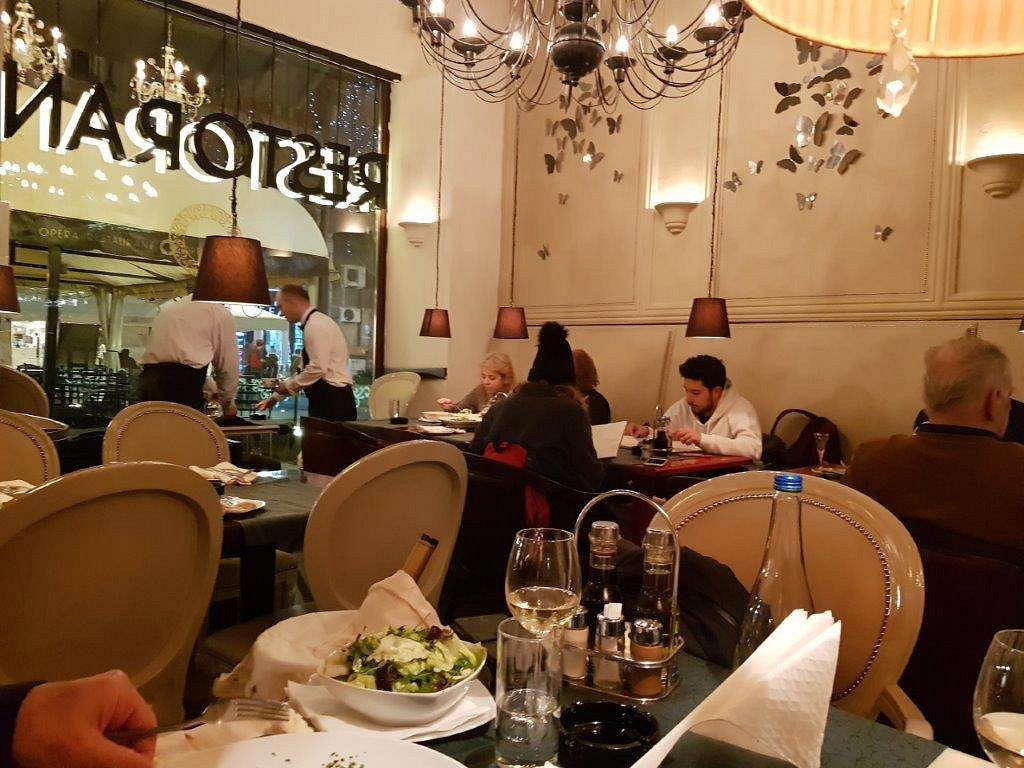
The Address and What It Signals
Obilićev venac is not a street that hides its ambitions. The pedestrian corridor running between Knez Mihailova and the Republic Square has, over the past decade, become one of Belgrade's most legible dining addresses: high footfall, high visibility, and a comparable set that forces any serious kitchen to compete on terms beyond mere location. Restoran Opera, at number 30, occupies this corridor with the confidence the address demands. Before you consider the menu, the setting already places the restaurant inside a specific conversation about what premium dining in central Belgrade looks like and who it is for.
That conversation has grown more complicated in recent years. Belgrade's restaurant scene has split into roughly three tiers: casual kafana-style operations where traditional Serbian cooking stays closest to its roots; a middle tier of modern bistros offering updated Balkan dishes at accessible prices; and a smaller upper tier where kitchens apply European or globally influenced technique to Serbian and regional ingredients. The Obilićev venac address puts Opera in contention for that upper bracket, alongside venues like Langouste and The Square, which similarly position themselves at the intersection of continental method and local pantry.
Serbian Ingredients, European Frame
The editorial question at a restaurant in this position is not simply what appears on the plate, but how the kitchen negotiates between two gravitational pulls: the deep Balkan larder on one side, and the codified techniques of European fine dining on the other. Serbia's ingredient base is genuinely strong. Vojvodina produces grain-fed pork and freshwater fish that rival anything from the Pannonian plain. Šumadija orchards supply plums and apples that find their way into everything from rakija to dessert reductions. Wild mushrooms, game from inland forests, and aged cheeses from mountain producers give Serbian kitchens a pantry that European restaurants would source at a premium.
The question any ambitious Belgrade kitchen faces is whether to treat that larder as background or foreground. Particularly interesting moves in Serbian contemporary dining, visible at places like Ambar and Avala, tend to foreground the ingredients and let technique serve them rather than the reverse. That approach reflects a broader shift across Central and Eastern European dining: kitchens that once competed by mimicking Western European fine dining are increasingly finding critical traction by asserting the specificity of their own regional products. The venues earning recognition in this cycle are those where a Vojvodina carp or a Zlatar cheese reads as a deliberate choice rather than a substitution.
For comparison, the same dynamic plays out in kitchens like Atomix in New York, where Korean technique and Korean pantry meet in a format legible to an international fine-dining audience, or at Le Bernardin, where a single-product focus disciplines the entire menu.
The Obilićev Venac comparable set
Placing Opera against its immediate neighbours is useful for understanding what the address demands. Barrel House occupies a more casual register on the same corridor, signalling that the street accommodates a range of price points rather than enforcing a single tone. The premium end of that range is where Opera's address positions it, but price tier on Obilićev venac is partly a function of room design, service register, and occasion-framing as much as ingredient cost. A restaurant at this address that presents Serbian cooking in a European fine-dining envelope is making a claim about how the city sees itself, not just about what the kitchen produces.
Serbia's broader restaurant geography is worth noting for travellers moving beyond Belgrade. The regional dining tradition runs deep in kitchens far from the capital: Kod Brana in Cacak and Lovački dom in Valjevo both operate within a more purely traditional register that the capital's premium tier has largely moved away from. The Danube riverbank kitchens, including Čarda Zlatna Kruna in Apatin, make the freshwater fish argument more directly, sourcing from the river rather than from inland farms. Etno Kuća Dinar in Vrsac and Kafana Dukat in Pirot represent the ethnographic end of the Serbian dining tradition, where the setting and ritual carry as much meaning as the food. Against that regional spread, a central Belgrade address like Opera's signals a different kind of ambition: European legibility combined with Serbian content.
Belgrade in a Regional Context
Visitors tracking the Central European dining circuit increasingly include Belgrade alongside Novi Sad and the mountain resort zones. Kafe Restoran Maša in Novi Sad illustrates how Serbia's second city is developing its own restaurant identity, distinct from Belgrade's capital-city ambitions. Grand in Kopaonik operates in the ski resort register, where seasonal volume shapes the offer in ways a year-round city kitchen avoids. Windmill in Pancevo, just across the river from Belgrade proper, and Aleksandar Gold in Uzice both point to how Serbia's dining ambition extends well beyond the capital's ring road. Kod poštara in Aran Elovac occupies a more rural register entirely. For a full account of how Belgrade's own scene is structured, the EP Club Belgrade restaurants guide maps the tiers in detail.
Planning Your Visit
Obilićev venac is walkable from Republic Square and from the main Knez Mihailova pedestrian zone, placing Opera within easy reach of Belgrade's central hotel cluster. For dining at this address, booking is recommended, particularly on weekend evenings when the corridor draws both local regulars and visitors. The pedestrian setting means arrival on foot is the natural approach; parking in central Belgrade is constrained, and the address rewards those staying within walking distance of the old town rather than those commuting from outlying districts.
At a Glance
Comparable venues nearby, for context on price, style, and recognition.
| Venue | Cuisine | Price | Notes |
|---|---|---|---|
| RESTORAN OPERAThis venue — the venue you are viewing | Stari Grad, Serbian & International | $$ | Not listed |
| Restoran Tri | Not listed | $$ | Stari Grad, Creative Balkan-Italian Fusion |
| Restoran Kolo | Not listed | $$ | Belgrade Waterfront, Modern Serbian Balkan |
| Bistro Tri | Vračar, Modern Serbian Bistro | $$ | Not listed |
| Durmitor | New Belgrade, Traditional Serbian BBQ | $$ | Not listed |
| Restaurant Djerdan | Zvezdara, Authentic Serbian Barbecue | $$ | Not listed |
At a Glance
- Elegant
- Intimate
- Classic
- Date Night
- Business Dinner
- Casual Hangout
- Historic Building
Current opening hours
- Monday
- 1–11 PM
- Tuesday
- 1–11 PM
- Wednesday
- 1–11 PM
- Thursday
- 1–11 PM
- Friday
- 1–11 PM
- Saturday
- 1–11 PM
- Sunday
- 1–11 PM
Hours can change for holidays and private events. Last verified .
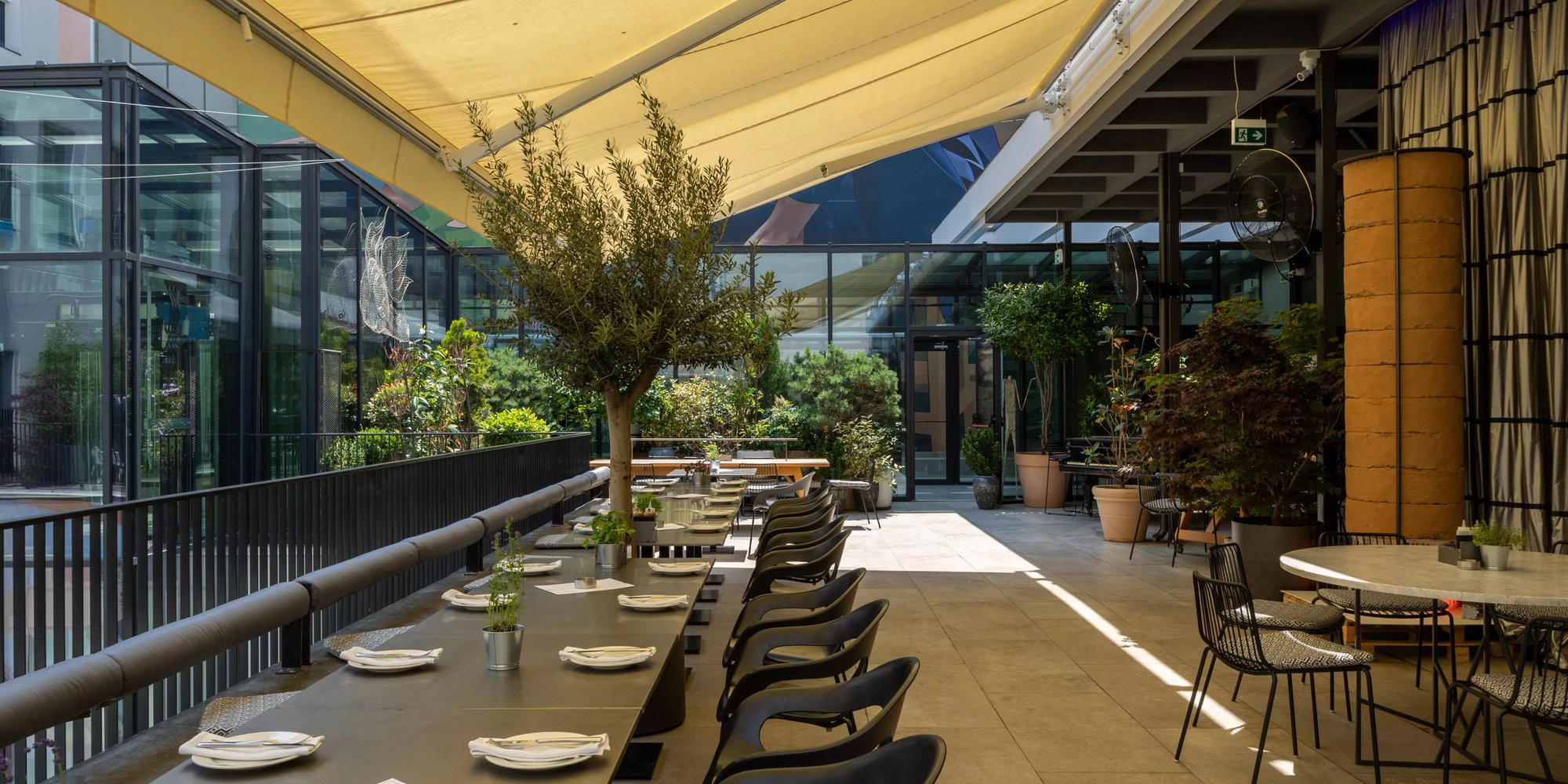
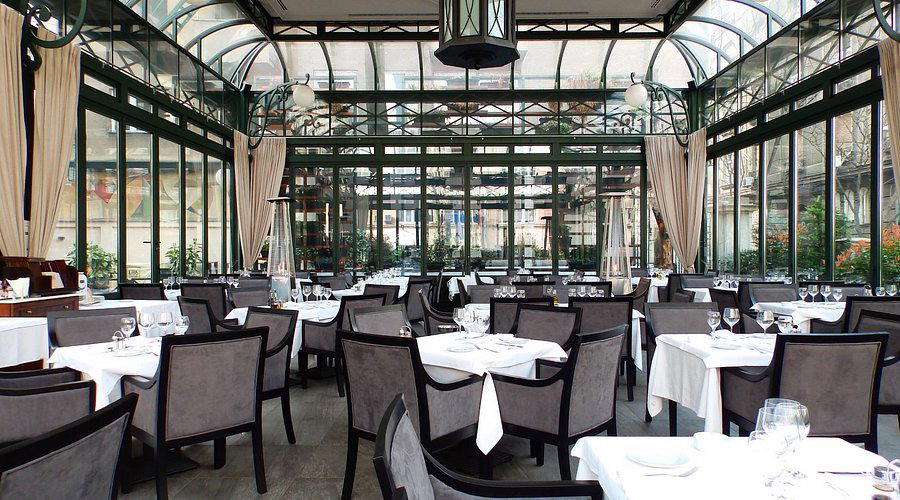
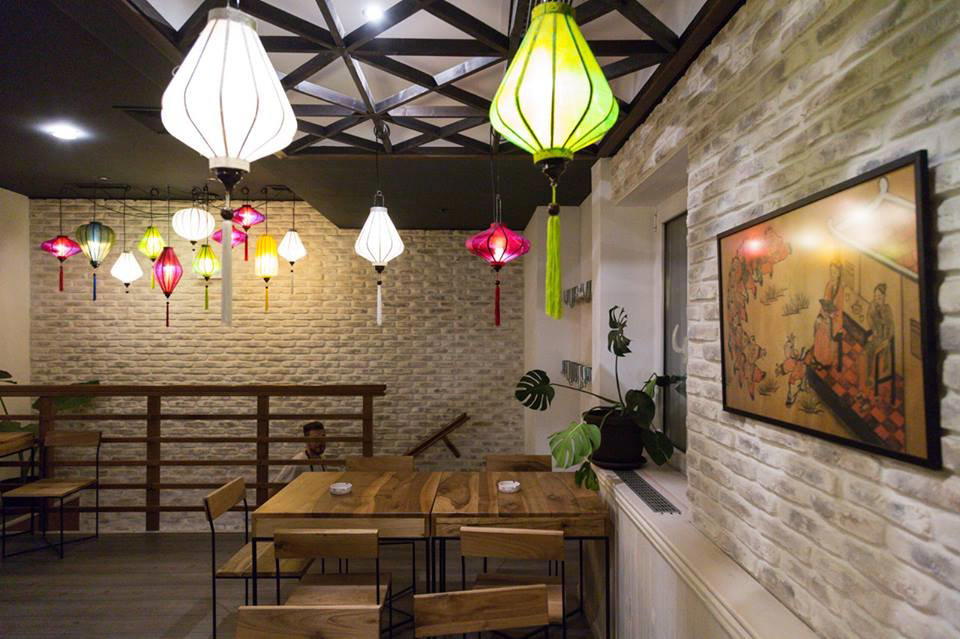
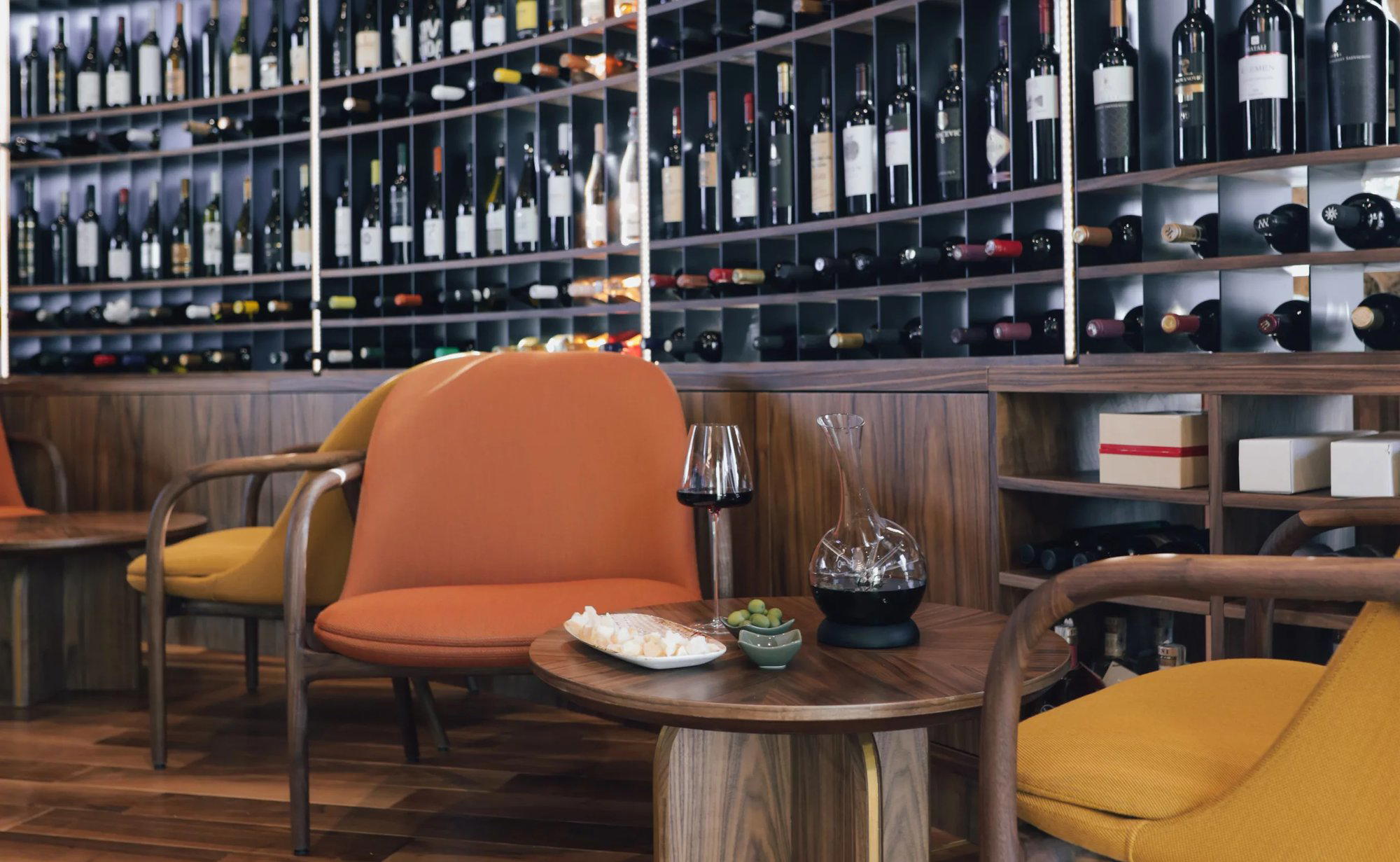
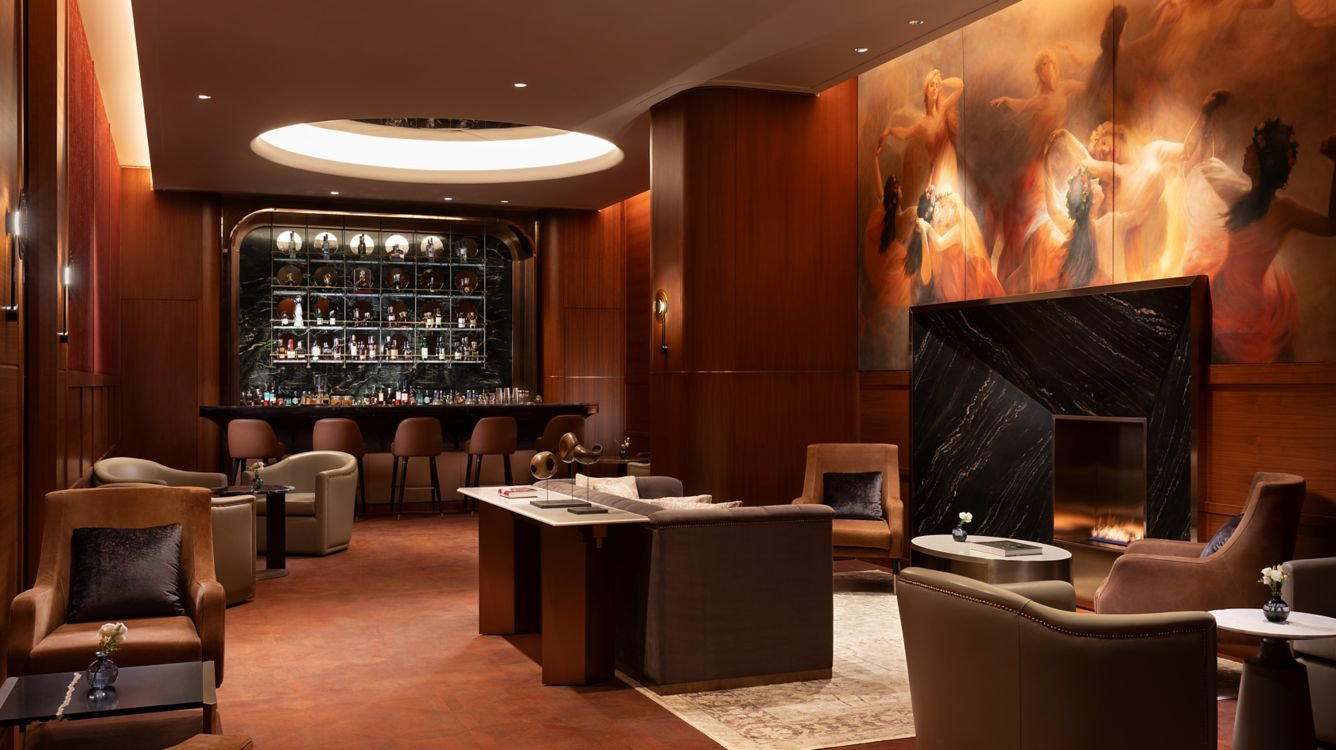
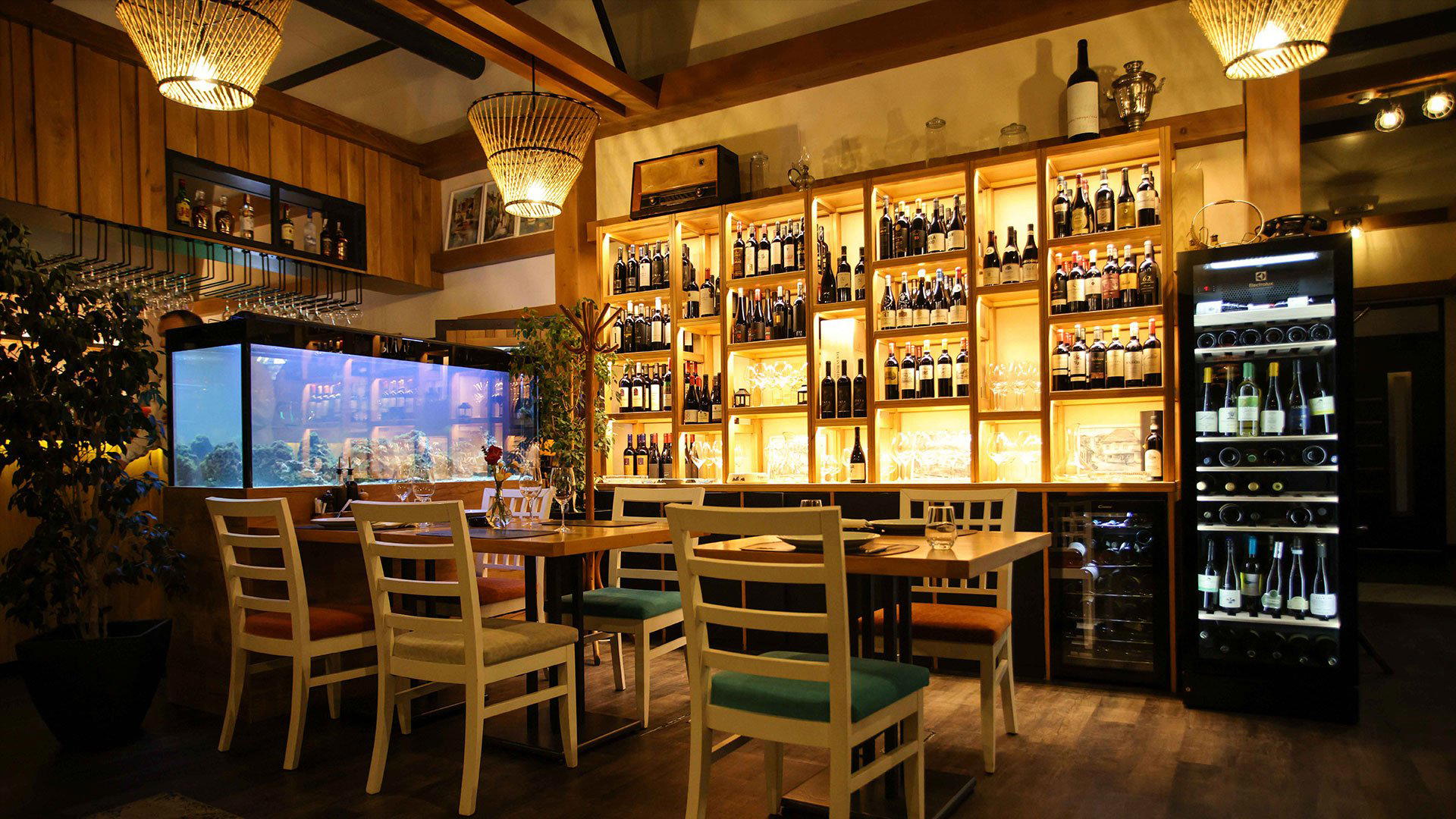
Relaxing elegance with stylish furniture, beautiful details creating an intimate and warm atmosphere.