Our verdict
Restoran Fig sits on Manastirska street in Rakovac, a village at the foot of Fruška Gora mountain, where Serbian countryside dining traditions meet a setting shaped by the monastery road that gives the street its name. For travellers moving between Novi Sad and the Fruška Gora monasteries, it represents the kind of place where the sourcing story is written into the geography itself.

Pearl is the En Primeur Club membership app — saves, bookings, and concierge access live there. Same editors, same standards.
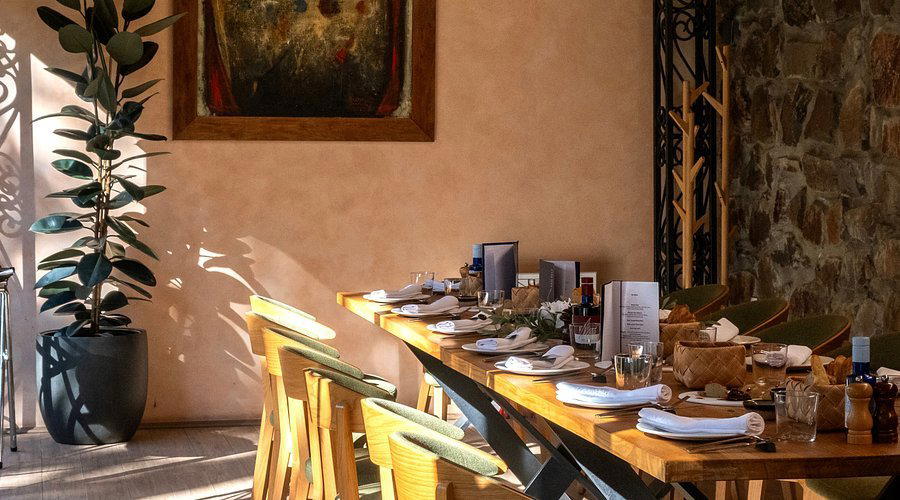
The menu
See the current menu on fig.rs →Where the Road to the Monastery Meets the Table
Rakovac sits at the southern edge of Fruška Gora, the low mountain range that runs across Vojvodina between the Danube and Sava rivers. The village's main artery, Manastirska street, takes its name from the medieval monasteries above — Rakovac Monastery dates to the sixteenth century — and Restoran Fig occupies a position on that road where the architecture of the surrounding hills and the agricultural character of the Vojvodinian plain both press close. Arriving here, you feel the particular logic of Serbian countryside dining: the meal is inseparable from the land that produced it, and the land is visible from the table.
Fruška Gora's geography makes it one of the most agriculturally layered zones in Serbia. The mountain's slopes support small orchards, herb gardens, and livestock pastures that have supplied local households and roadside restaurants for generations. Fig trees, which thrive in the warm microclimate sheltered by the ridge, are characteristic of the area, the restaurant's name is not arbitrary. This is a part of Serbia where restaurants draw from a kitchen garden and a local farmer network rather than a centralised supply chain, and that sourcing logic shapes what ends up on the plate.
The Fruška Gora Sourcing Tradition
The broader dining tradition across Fruška Gora leans heavily on proximity. Restaurants in the mountain villages between Rakovac, Stari Ledinci, and Grgeteg have historically operated on a farm-to-table model not as a philosophical statement but as a practical reality: produce came from the plot behind the building or from a neighbour's field within walking distance. That tradition persists across the Serbian countryside in a way that urban restaurants often try to replicate but rarely achieve at the same structural level.
In Vojvodina specifically, the kitchen draws from a dual influence: the rich flatland agriculture of the plain, which supplies grain, vegetables, and pork, and the hillside produce of Fruška Gora, which adds game, wild herbs, mushrooms, and fruit. The combination produces a regional table that is more varied than the Serbian interior and less internationally inflected than the Belgrade restaurant scene. For context, Belgrade's higher-end dining, represented by places like Langouste in Belgrade, operates at a price and ambition level that serves a different purpose entirely. Fruška Gora restaurants are not competing in that register; their argument is rootedness, not refinement.
Restoran Fig, positioned on the monastery road, sits inside this regional sourcing logic. The name itself references a fruit that marks the local agricultural identity of the area. Figs require a specific warmth and shelter that Fruška Gora's south-facing slopes provide, and their presence in a restaurant name signals a deliberate connection to place rather than a generic countryside aesthetic.
Reading Rakovac Against the Regional Pattern
Serbian countryside restaurants cluster into recognisable types. The kafana format, built around grilled meats, bread, and a rakija opening, remains the dominant structure across rural Serbia, venues like KAFANA DUKAT in Pirot or Kafana Studenac in Bajina Basta represent that model. A second category, the etno restoran, layers folk-cultural presentation over similar food, Etno Kuća Dinar in Vrsac and Koliba Etno Restoran in Leskovac both work in that register. A third category, the monastery-adjacent restaurant, draws specifically from the agricultural and sometimes monastic production of its immediate surroundings. Restoran Fig's position on Manastirska street places it closest to this third type.
The monastery-adjacent dining tradition in Serbia has a longer history than most visitors expect. Fruška Gora's sixteen active monasteries have maintained orchards, vineyards, and herb gardens for centuries, and the villages at their feet developed service economies, including food and accommodation, for pilgrims and travellers. That pilgrimage economy created a hospitality culture that is distinct from the urban kafana in its pace and in its relationship to the landscape. Meals here are not hurried. The geography is part of the meal.
For comparison across the Vojvodina region, Kafe Restoran Maša in Novi Sad operates within a different urban register, city-facing, accessible, a different pace. ČARDA ZLATNA KRUNA in Apatin, on the Danube, represents the riverine dining tradition that runs parallel to the Fruška Gora mountain tradition across the same region. These are complementary rather than competing expressions of Vojvodinian food culture.
Planning a Visit to Rakovac
Rakovac is reachable from Novi Sad in under thirty minutes by car, making it a practical half-day or evening excursion from the city. The Fruška Gora National Park road network connects the village to the monastery circuit, and most visitors combine a restaurant stop with a walk above the treeline or a visit to Rakovac Monastery itself. Given the limited public transport to the village, a car or taxi from Novi Sad is the standard approach. Spring and early autumn are the most active dining periods across Fruška Gora; summer draws more visitors, while winter sees reduced activity at smaller village restaurants.
Our full Rakovac restaurants guide covers additional options in the area for those building a wider Fruška Gora itinerary.
Travellers moving across Serbia more broadly will find useful reference points in venues like Lovački dom in Valjevo, which operates in a similar countryside-mountain context in western Serbia, or Kafana Pećinar Ljubiš in Cajetina, near Zlatibor. Kod Brana in Cacak and Aleksandar Gold in Uzice round out the western Serbian dining circuit for those travelling beyond Vojvodina. For the full range of Serbian regional dining, ETNO PODRUM BRKA in Nis and Windmill in Pancevo extend the picture into the south and Banat respectively. Internationally, the contrast with a venue like Le Bernardin in New York City or Atomix in New York City, both operating in a high-precision urban fine dining register, underscores what makes the Fruška Gora countryside restaurant tradition so structurally different: the supply chain here is the story, not a supporting detail. Similarly, Kod poštara in Aran Elovac and Grand **** in Kopaonik show how Serbian mountain hospitality scales across different regions and price points.
Frequently asked questions
Does RESTORAN FIG work for a family meal?
Rakovac's village restaurant scene generally draws a cross-generational crowd, and a spot on Manastirska — the road leading toward the monastery — tends to see families on weekend excursions from Novi Sad, reachable in under thirty minutes.
What's the overall feel of RESTORAN FIG?
The address on Manastirska street in Rakovac places the restaurant within the unhurried rhythm of a Fruška Gora village, where the draw is proximity to the mountain and monastery rather than urban dining theatre. Restaurants in this corridor tend toward relaxed, informal settings oriented around local produce and the Serbian countryside pace.
Is Restoran Fig a good stop when visiting Rakovac Monastery?
Restoran Fig sits on Manastirska street in Rakovac — the road that runs toward the monastery — making it a geographically sensible stop for visitors combining a monastery visit with lunch or dinner. Rakovac is under thirty minutes by car from Novi Sad, positioning the restaurant as part of a half-day excursion into Fruška Gora rather than a destination requiring significant detour.
What's the must-try dish at RESTORAN FIG?
Across the Fruška Gora village restaurant corridor — which includes Rakovac, Stari Ledinci, and Grgurevci — kitchens typically draw on the mountain's foraging traditions and local farm produce, with seasonal preparations varying considerably. For the most accurate picture of what's on the menu, contacting the restaurant directly is the practical step.
How It Stacks Up
Comparable venues nearby, for context on price, style, and recognition.
| Venue | Cuisine | Price | Notes |
|---|---|---|---|
| RESTORAN FIGThis venue — the venue you are viewing | Modern Serbian Wine Kitchen | $50–100 | Not listed |
| Petar at Tikas | Modern Serbian Cuisine | $20–30 | Palilula |
| JEDITE KOD SVIRCA | Serbian Gastro | $10–20 | Ruma Municipality |
| Ananda | Vegan Serbian-Western | Not listed | Novi Sad |
| SOKAČE | Traditional Serbian Grill | $10–20 | City Centre (Pap Pavla Street) |
| Sinđelić | Traditional Serbian | $10–20 | Voždovac |
Continue exploring
More in Rakovac
Restaurants in Rakovac
All restaurants in Rakovac →
Bars in Rakovac
Browse all →

Details
- Rustic
- Cozy
- Elegant
- Scenic
- Date Night
- Special Occasion
- Group Dining
- Wine Cellar
- Private Dining
- Extensive Wine List
- Local Sourcing
- Garden
- Mountain
- A La Carte
- Wine
- Vegetarian Friendly
Current opening hours
- Monday
- 12–9 PM
- Tuesday
- Closed
- Wednesday
- Closed
- Thursday
- Closed
- Friday
- 12–10 PM
- Saturday
- 12–10 PM
- Sunday
- 12–9 PM
Hours can change for holidays and private events. Last verified .
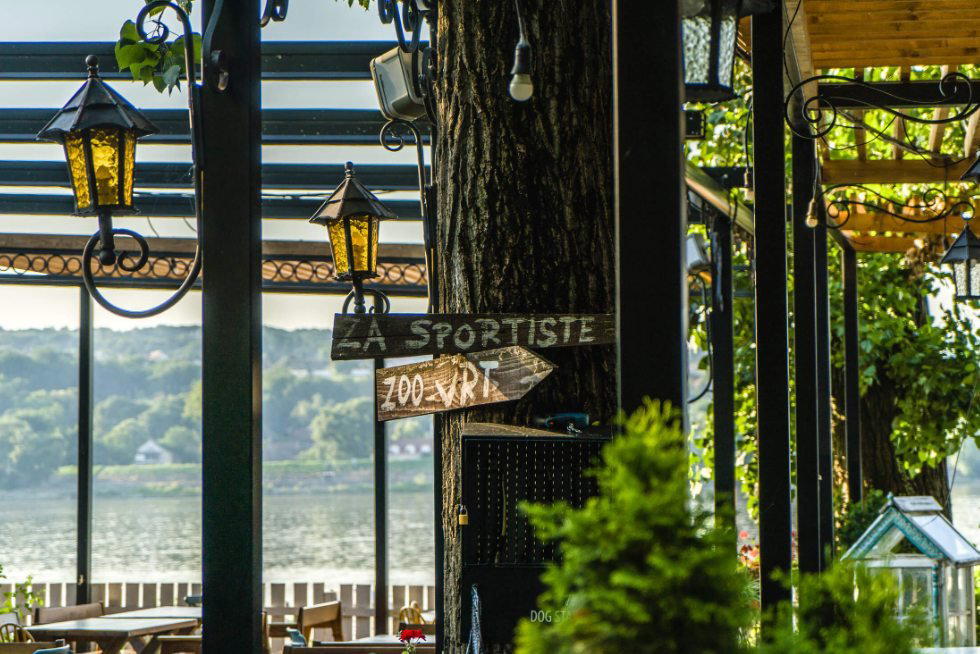
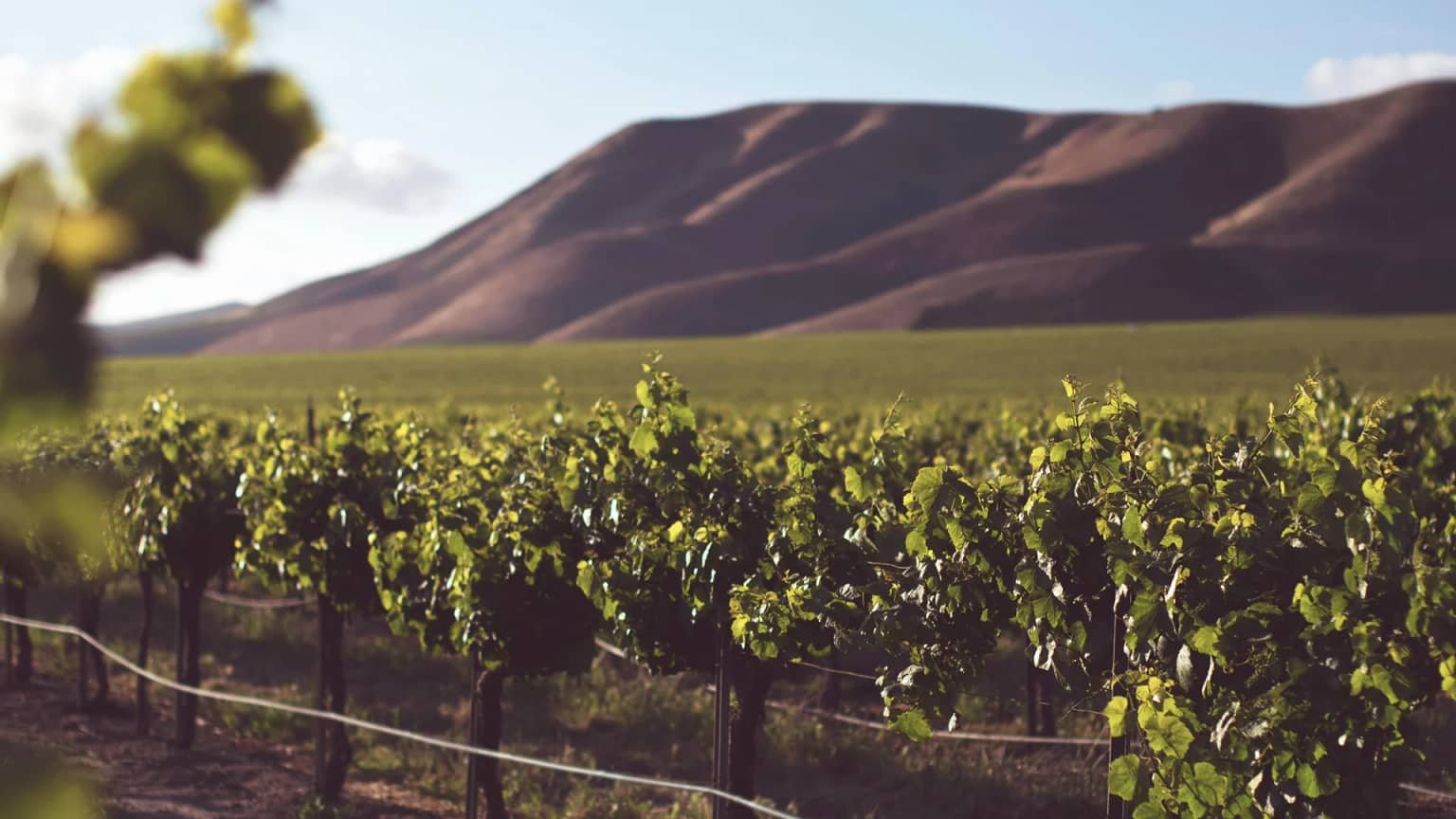
Cozy winery setting surrounded by Fruška Gora forest with shaded outdoor seating under dense trees, providing a serene natural atmosphere.