Krivina on Sremska 9 in Novi Sad serves as a Mediterranean wine bar with an extensive wine list, in a casual, conversational setting.
Pearl is the En Primeur Club membership app — saves, bookings, and concierge access live there. Same editors, same standards.
- Address
- Sremska 9, Novi Sad 21000, Serbia
- Phone
- +381652006878
- Website
- krivina.rs
- Directions
- Get directions
 Saves & bookings on Pearl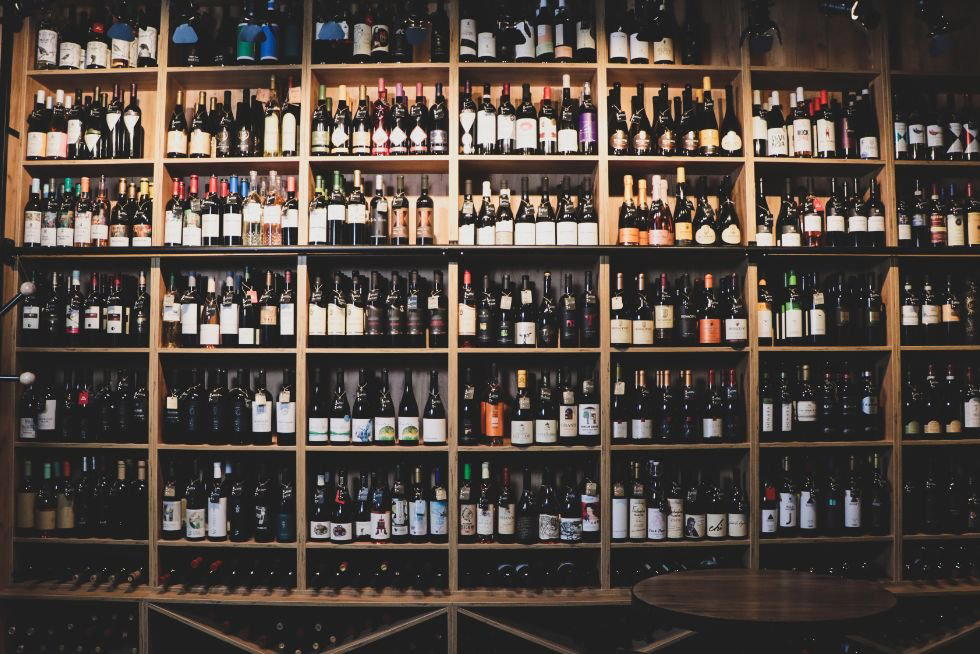
Sremska Street and the Grammar of Serbian Dining
Sremska Street cuts through the old core of Novi Sad with the kind of unhurried confidence that characterises the city's leading addresses. The street is short, walkable, and lined with facades that have absorbed a few centuries of Austro-Hungarian civic ambition. Arriving at number nine, the building asserts itself quietly against that backdrop. This is a dining room that announces itself through its address. In a city that has developed a genuinely layered restaurant scene over the past decade, a location on Sremska places a venue immediately within a specific tier of expectation.
Novi Sad operates as Serbia's second city in cultural output well above its population size. It held the European Capital of Culture designation in 2022, and the attention that brought accelerated what was already happening in its dining rooms: a move away from catch-all menus toward kitchens willing to commit to a point of view. The venues that emerged from that period, or consolidated their identity through it, now form the reference points against which newer openings are measured. Krivina sits on Sremska 9 within that broader story.
The Cultural Weight of the Kafana Tradition
To understand where a restaurant like Krivina fits in Novi Sad, it helps to understand what Serbian dining culture has historically produced and where it is going. The kafana, that distinctly Balkan institution of communal eating and extended sitting, shaped how generations of diners in this region understood a meal. It was never purely about food. It was about duration, about the table as a social contract, about food arriving as a series of shared dishes rather than as individual performance plates.
The contemporary Serbian restaurant scene in cities like Novi Sad and Belgrade is in productive tension with that tradition. Some kitchens, such as KAFANA DUKAT in Pirot, work explicitly within and alongside the kafana format. Others, particularly in urban centres, have moved toward European bistro structures or tasting menus while keeping regional produce and flavour logic at their core. Krivina occupies an address that sits at that intersection, on a street old enough to remember the kafana era but in a city actively building something new on top of it.
The Vojvodina region, of which Novi Sad is the capital, adds its own layer to this. Vojvodina's cuisine reflects centuries of Central European influence running through a Balkan foundation: paprika-heavy stews, freshwater fish from the Danube and Tisa, pork preparations that would not look out of place in Hungary or Croatia, and dairy traditions that trace back to pastoral economies that predate modern borders. A kitchen drawing on this geography has access to material that is genuinely specific, not generic Balkan, not generically European, but something shaped by a particular alluvial plain and its particular history.
Krivina in Its Peer Context
Novi Sad's current restaurant offerings span from fast-casual to considered dining. Within the Sremska and adjacent zone, the competition for a diner's evening is real. CUBO has established itself as a reference point for contemporary Serbian cooking in the city, while Ananda pulls a different crowd with its own format. FISH&ZELENIŠ demonstrates that there is appetite in Novi Sad for kitchens with a focused product thesis rather than broad menus.
Further afield in Serbia, the conversation about what serious regional dining looks like is happening in places like Langouste in Belgrade, where European technique meets Adriatic produce, and in more traditional formats like Etno Kuća Dinar in Vrsac, which anchors itself in ethnographic culinary heritage. Krivina's Sremska address places it in the urban, contemporary end of that spectrum rather than the heritage-tourism end. For travellers building a broader sense of Serbian dining, venues like Kod Brana in Cacak and Lovački dom in Valjevo offer useful contrasts to what city-centre Novi Sad dining has become.
The international comparison points are instructive too. The precision required to run a considered tasting format, as seen at Atomix in New York City, or the product discipline that defines Le Bernardin in New York City, sets a global standard against which ambitious kitchens in smaller cities are increasingly measured, whether they seek that comparison or not.
Planning a Visit to Sremska 9
Novi Sad is accessible by train and bus from Belgrade, with journey times from the capital running roughly ninety minutes by express rail. The city's central area, including Sremska Street, is compact and walkable from the main bus and train terminals. The address, Sremska 9, Novi Sad 21000, places Krivina within easy reach of the pedestrian zone and the Dunavski Park area. Approaching the venue directly on arrival is the practical route for reservations. Timing a visit for quieter evenings is sensible. Other options in the immediate area worth considering alongside Krivina include Caffe Pizzeria Big Blue and Comida Sanchez, both of which serve different ends of the market on the same street network. For those extending a trip through northern Serbia, Windmill in Pancevo and ČARDA ZLATNA KRUNA in Apatin represent the Danube-side dining tradition that gives Vojvodina much of its culinary character. Mountain dining at Grand in Kopaonik sits at the other end of the regional geography for travellers moving further south.
Price Lens
Comparable venues nearby, for context on price, style, and recognition.
| Venue | Cuisine | Price | Notes |
|---|---|---|---|
| KrivinaThis venue — the venue you are viewing | Sremska, Mediterranean Wine Bar | $$ | Not listed |
| Caffe Pizzeria Big Blue | Promenada, Italian Pizzeria | $$ | Not listed |
| SAVOCA | Not listed | $$ | Bulevar Oslobođenja, Italian Pizza & Pasta |
| Comida Sanchez | Salajka, Authentic Mexican Street Food | $$ | Not listed |
| Vremeplov | Not listed | $$ | Bulevar Oslobodjenja, Traditional Austro-Hungarian Pastry & Café |
| VIDA | Not listed | $$ | Petrovaradin, Health-Focused International |
At a Glance
- Cozy
- Intimate
- Casual Hangout
- Date Night
- Extensive Wine List
Current opening hours
- Monday
- 3–11 PM
- Tuesday
- 3–11 PM
- Wednesday
- 3–11 PM
- Thursday
- 3–11 PM
- Friday
- 3 PM–12 AM
- Saturday
- 3 PM–12 AM
- Sunday
- Closed
Hours can change for holidays and private events. Last verified .
Cozy ambiance both indoors and outdoors with acoustic concerts.