On Dunavska 17, one of Novi Sad's most historically layered streets, Kuća Mala operates within a small-format tradition that prizes restraint over scale. It sits in a peer group of Vojvodina-rooted dining rooms where local sourcing and reduced-footprint cooking carry more weight than theatrical presentation. For visitors already familiar with the broader Serbian dining scene, it represents a quieter register in a city with a growing appetite for considered hospitality.
Pearl is the En Primeur Club membership app — saves, bookings, and concierge access live there. Same editors, same standards.
- Address
- Dunavska 17, Novi Sad, Serbia
- Phone
- +381213015693
- Directions
- Get directions
 Saves & bookings on Pearl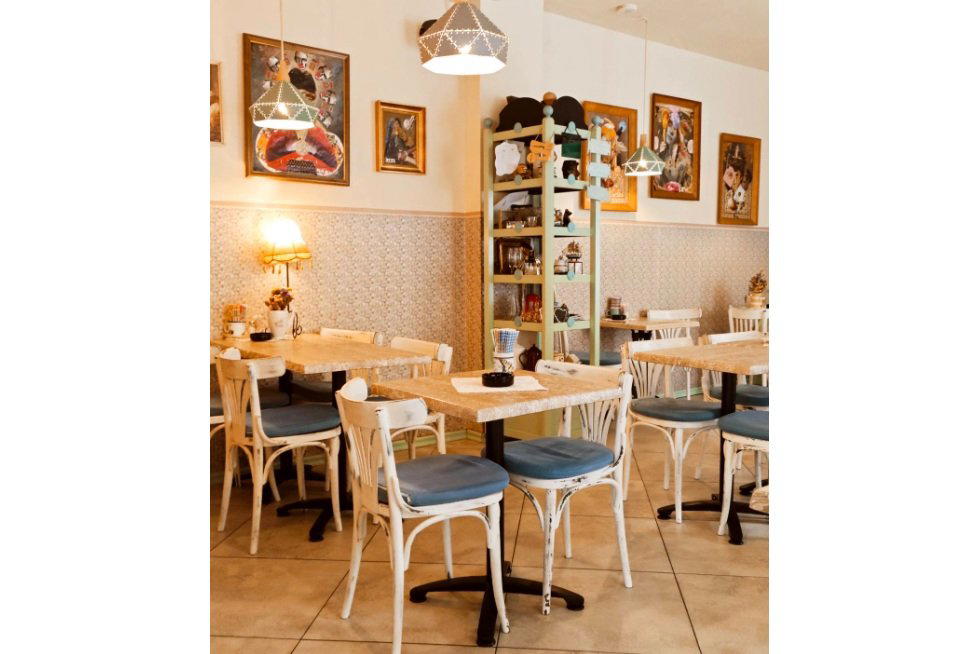
A Street That Sets the Tone
Dunavska runs parallel to the Danube embankment in central Novi Sad, and the buildings along it carry the architectural memory of Austro-Hungarian administration: heavy stone facades, interior courtyards, and proportions designed for a cooler, grander century. It is the kind of street where a small restaurant can disappear into the fabric of the city without announcement. Kuća Mala, at number 17, sits in exactly that register, a compact address on a street that has more history per metre than most Serbian cities manage per district. Approaching it, the scale communicates something before anything else does: this is not a large operation, and it is not trying to be.
That small-format model has been gathering momentum across Serbian dining over the past decade. In Belgrade, the shift from large kafana-style rooms to tighter, more deliberate dining spaces has been well-documented. Novi Sad, with its Vojvodina agricultural base and proximity to Hungarian and Croatian culinary traditions, has followed a parallel path, and in some respects moved faster, because the city's compact centre rewards foot-traffic discovery over destination-restaurant logic. Places like CUBO and Ananda occupy different points on that spectrum, but all share the assumption that scale is not a virtue in itself.
The Sustainability Argument in Serbian Dining
Across Serbia, one interesting conversation in food right now is not about technique, it is about supply chains. The country has one of Europe's more intact networks of small-scale agricultural producers: family farms in Vojvodina growing heritage grains and paprika varieties, river fishermen working the Danube and Sava tributaries, and livestock raised at a density that would be commercially unworkable in Western Europe. That infrastructure exists, but most urban restaurants have historically bypassed it in favour of cash-and-carry convenience. The shift toward direct sourcing, reducing intermediaries, tightening the distance between farm and plate, is arriving in Serbian dining rooms at roughly the same pace it arrived in Northern European cities around 2012.
Small-format venues like Kuća Mala are structurally better positioned to work within that model. A kitchen feeding forty covers has more flexibility to absorb the unpredictability of seasonal, direct-sourced supply than one managing two hundred. When a delivery is short, a small menu adapts. When a local producer offers something unusual, there is room to use it without reworking an industrial-scale prep system. The trade-off is limited capacity and, often, limited hours, which is why venues of this type tend to reward advance planning over spontaneous visits. For a wider view of where this approach sits within the city's dining character, the full Novi Sad restaurants guide maps the range from traditional kafana format to newer, more sourcing-conscious operations.
Vojvodina's Larder and What It Means for the Plate
The culinary geography of Vojvodina is often under-explained to visitors arriving via Belgrade. The province sits on the Pannonian Plain, flat, fertile, and historically organised around grain, sunflower, and livestock production. Its cooking traditions draw from Serbian, Hungarian, Slovak, and Romanian influences, producing a repertoire that includes fish paprikas, bean soups thickened with smoked meat, and slow-braised pork preparations that differ from central Serbian cooking in their spice weight and dairy use. That regional specificity matters when reading a small restaurant on Dunavska: the source material is different from what a Belgrade kitchen would default to, and a venue serious about local sourcing would reflect that difference on the plate.
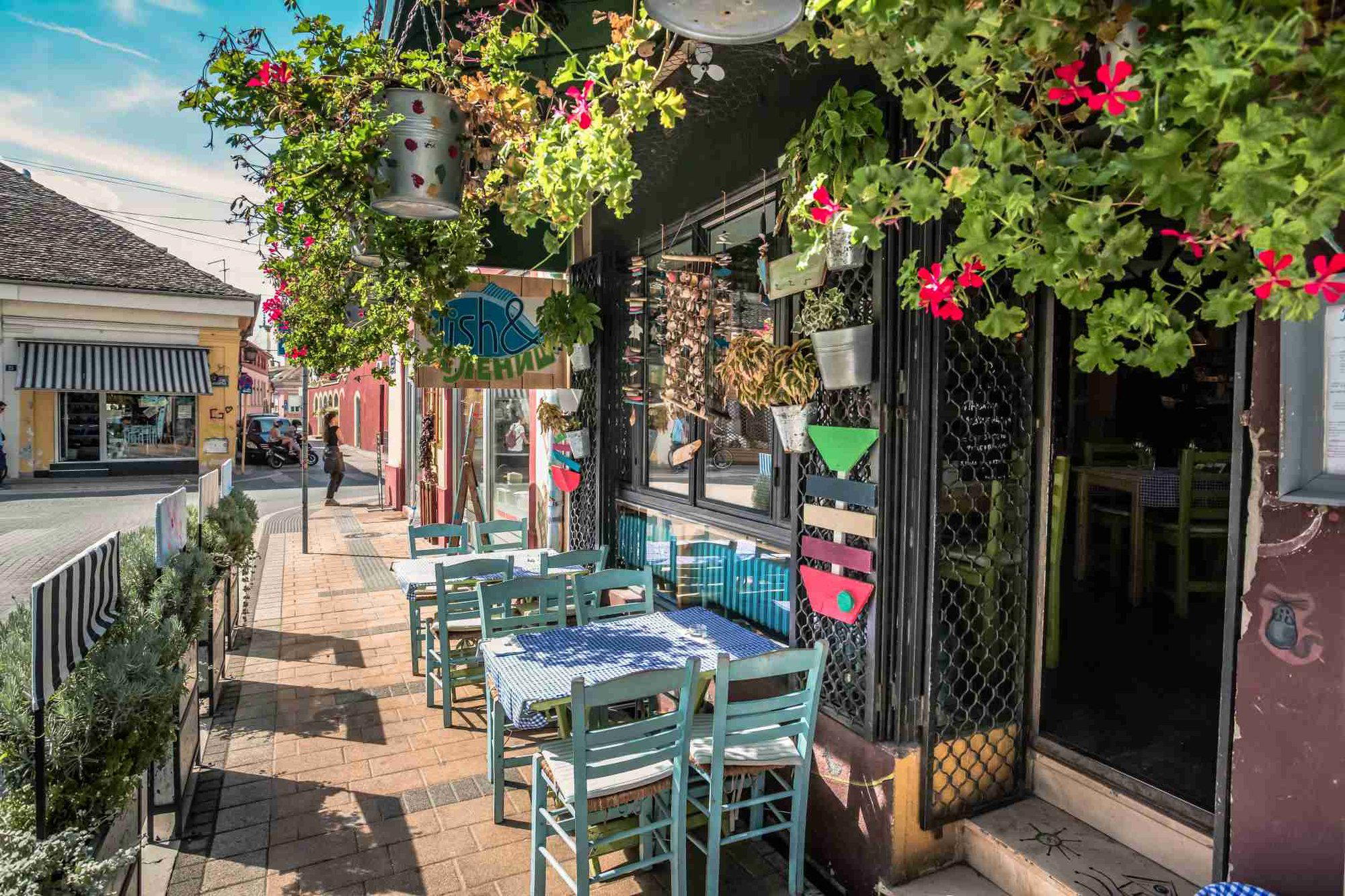
Comparable sourcing-focused venues elsewhere in Serbia illustrate the range of what this commitment can look like in practice. Etno Kuća Dinar in Vrsac anchors itself explicitly in Banat agricultural tradition. ČARDA ZLATNA KRUNA in Apatin, on the Danube northwest of Novi Sad, builds its identity around river fish from the same waterway that runs past Dunavska. FISH&ZELENI;Š in Novi Sad itself takes a more focused approach to Danube catch within an urban setting. Each represents a different way of resolving the same question: how closely can a restaurant's menu track its immediate geography?
The broader Serbian restaurant network shows similar patterns in other regions. Kod Brana in Čačak and Lovački dom in Valjevo both operate within a central Serbian tradition where game and highland livestock define the sourcing logic. KAFANA DUKAT in Pirot works from a southeastern tradition with distinct spice and meat-curing practices. The contrast with Vojvodina cooking is instructive: same country, substantially different raw material.
Where Kuća Mala Sits in the City's comparable set
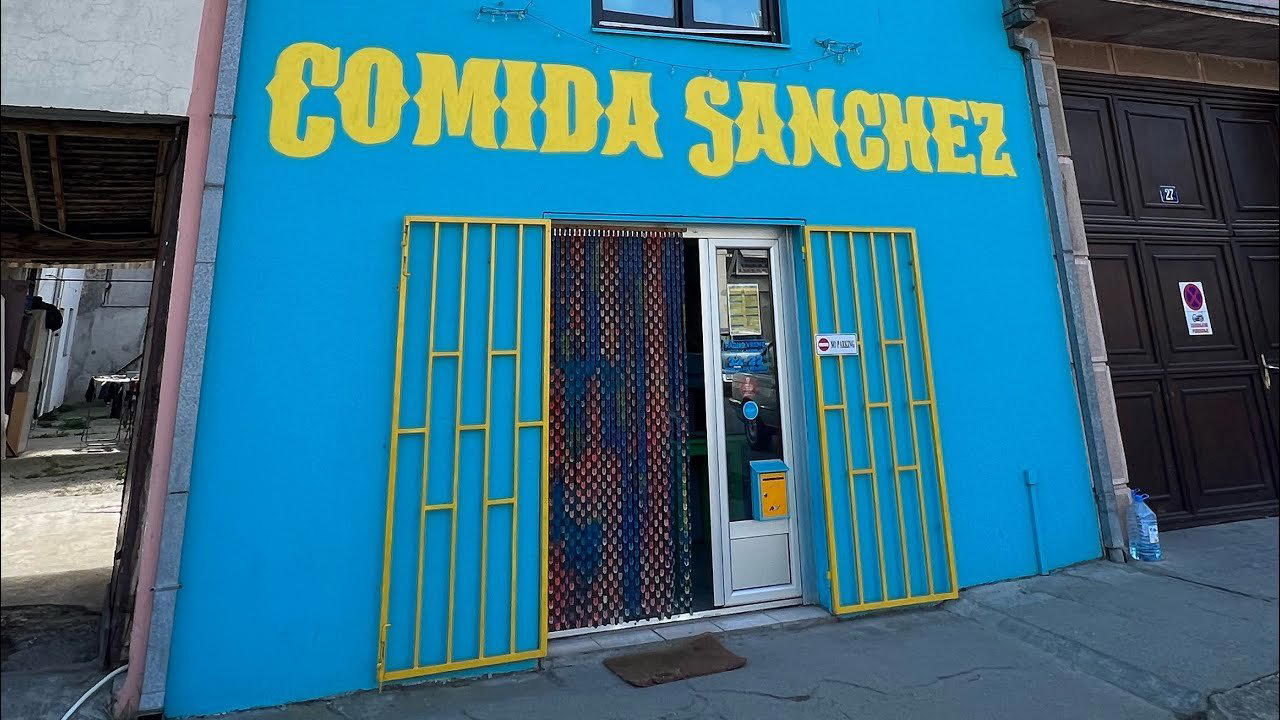
Novi Sad's central dining corridor runs roughly from the pedestrian zone around Zmaj Jovina through Dunavska toward the Petrovaradin Fortress embankment. The venues along this stretch range from high-volume tourist-facing operations to more deliberate rooms serving a local clientele. Comida Sanchez represents one stylistic direction, internationally inflected, format-driven. Caffe Pizzeria Big Blue sits at a more casual, high-frequency tier. Kuća Mala's address on Dunavska places it geographically within this corridor but, by format, closer to the quieter, smaller end of the spectrum.
For visitors who have calibrated their expectations against Belgrade's more internationally visible dining scene, where Langouste sets the standard for refined seafood and the city's ambition is legible in the investment behind individual openings, Novi Sad reads differently. The scale is smaller, the prices are generally lower, and the point of distinction is more likely to be ingredient provenance or regional recipe fidelity than technical elaboration. That is a different value proposition. Venues at the opposite end of the global spectrum, like Le Bernardin in New York City or Atomix in New York City, define what maximum technical and sourcing ambition looks like at scale; the restaurant operates in a register where the conversation is local, the room is small, and the supply chain, at its leading, is measurable in kilometres.
Planning Your Visit
Dunavska 17 is within easy walking distance of the Novi Sad city centre and the main pedestrian zone, making it accessible without transport planning for most visitors staying centrally. Given the small-format nature of the venue, walk-in availability cannot be relied upon, particularly during peak evening hours or festival periods, Novi Sad hosts EXIT Festival in July and the Novi Sad Wine Carnival in late spring, both of which significantly increase pressure on central dining. Contacting the venue directly before arrival is advisable. As with most restaurants in this tier across Serbia, the experience is better suited to an unhurried evening than a time-pressured dinner. Kod poštara in Aran Đelovac offers a rural counterpoint for those willing to travel off the main corridors.
A Minimal comparable set
Comparable venues nearby, for context on price, style, and recognition.
| Venue | Cuisine | Price | Notes |
|---|---|---|---|
| Kuća MalaThis venue — the venue you are viewing | city center, Pizza & European | $$ | Not listed |
| Fish & Zeleniš | City Center, Mediterranean Seafood | $$ | Not listed |
| Salaš 137 | Not listed | $$ | Čenej, Traditional Vojvodina Farmstead Cuisine |
| Loft Downtown | Stari Grad, International Cafe | $$ | Not listed |
| Konoba Riba Ribi Grize Rep | Not listed | $$ | Bulevar cara Lazara, Mediterranean Seafood |
| SOKAČE | Not listed | $$ | City Centre (Pap Pavla Street), Traditional Serbian Grill |

At a Glance
- Cozy
- Intimate
- Casual Hangout
- Family
- Brunch
- Terrace
Current opening hours
- Monday
- 8 AM–11 PM
- Tuesday
- 8 AM–11 PM
- Wednesday
- 8 AM–11 PM
- Thursday
- 8 AM–11 PM
- Friday
- 8 AM–1 AM
- Saturday
- 9 AM–1 AM
- Sunday
- 9 AM–11 PM
Hours can change for holidays and private events. Last verified .
Charming and cozy with colorful decorations, pleasant lighting creating a warm, private oasis away from city hustle.