SOKAČE occupies a quiet address on Pavla Papa in central Novi Sad, operating in the tradition of the Serbian kafana, that particular institution where the boundary between a long lunch and an extended evening dissolves naturally. The name itself, a regional word for an old neighbourhood street or alley, signals an intention to root the experience in local identity rather than international convention. For anyone tracing Serbian urban dining culture, it belongs on the itinerary.
Pearl is the En Primeur Club membership app — saves, bookings, and concierge access live there. Same editors, same standards.
- Address
- Pavla Papa 11, Novi Sad 21101, Serbia
- Phone
- +381216622007
- Website
- sokace.rs
- Directions
- Get directions
 Saves & bookings on Pearl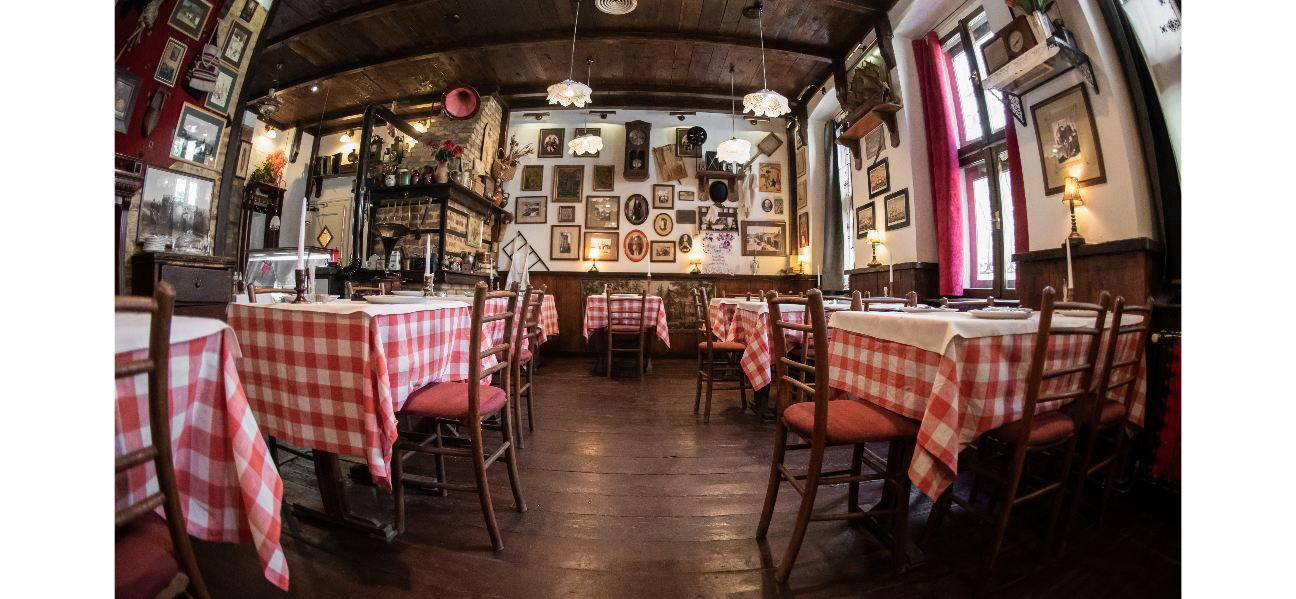
The Street That Lends Its Name
In Serbian, a sokače is more than a physical alleyway. It is a social corridor, the kind of narrow neighbourhood passage where conversations carry between buildings and time moves at a different pace than on the main boulevard. SOKAČE is a restaurant serving traditional Serbian grill at Pavla Papa 11 in Novi Sad, Serbia. The address on Pavla Papa 11 sits away from the loudest stretch of pedestrian traffic, in the part of the city where locals eat rather than where they perform eating for visitors. That spatial logic shapes everything about what kind of place SOKAČE is and what kind of experience it is built to deliver.
Where SOKAČE Fits in Novi Sad's Dining Architecture
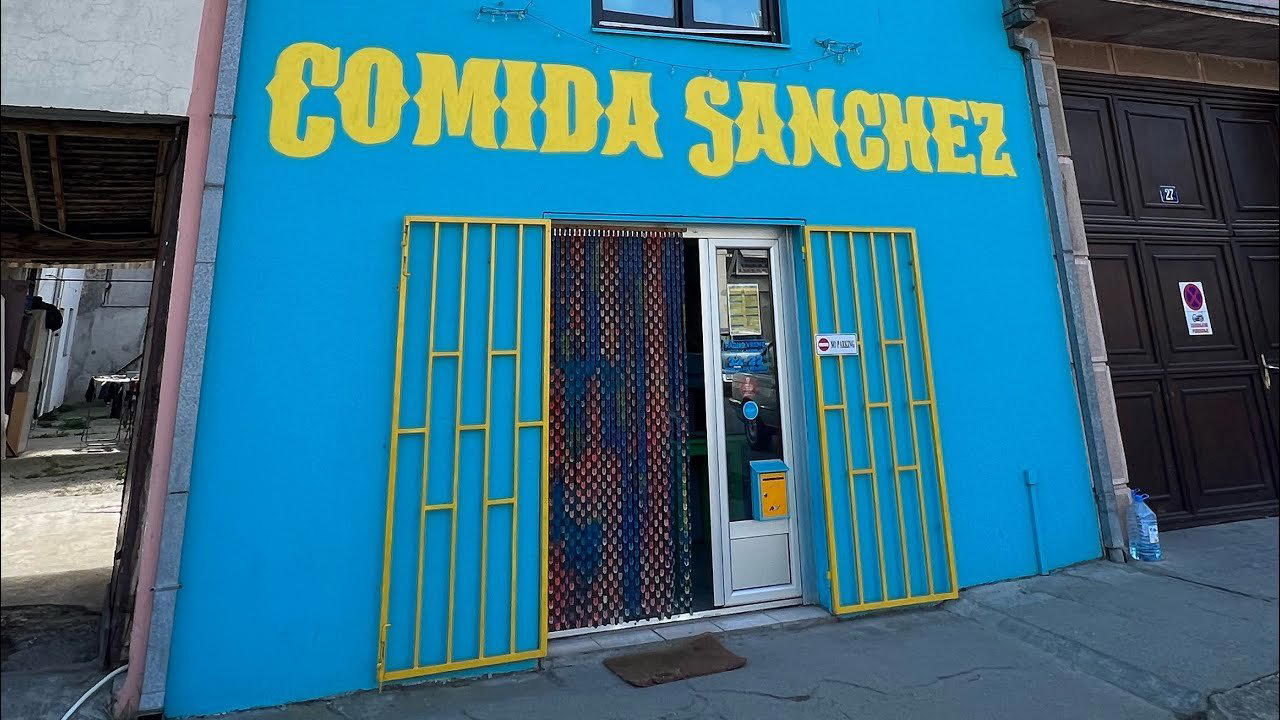
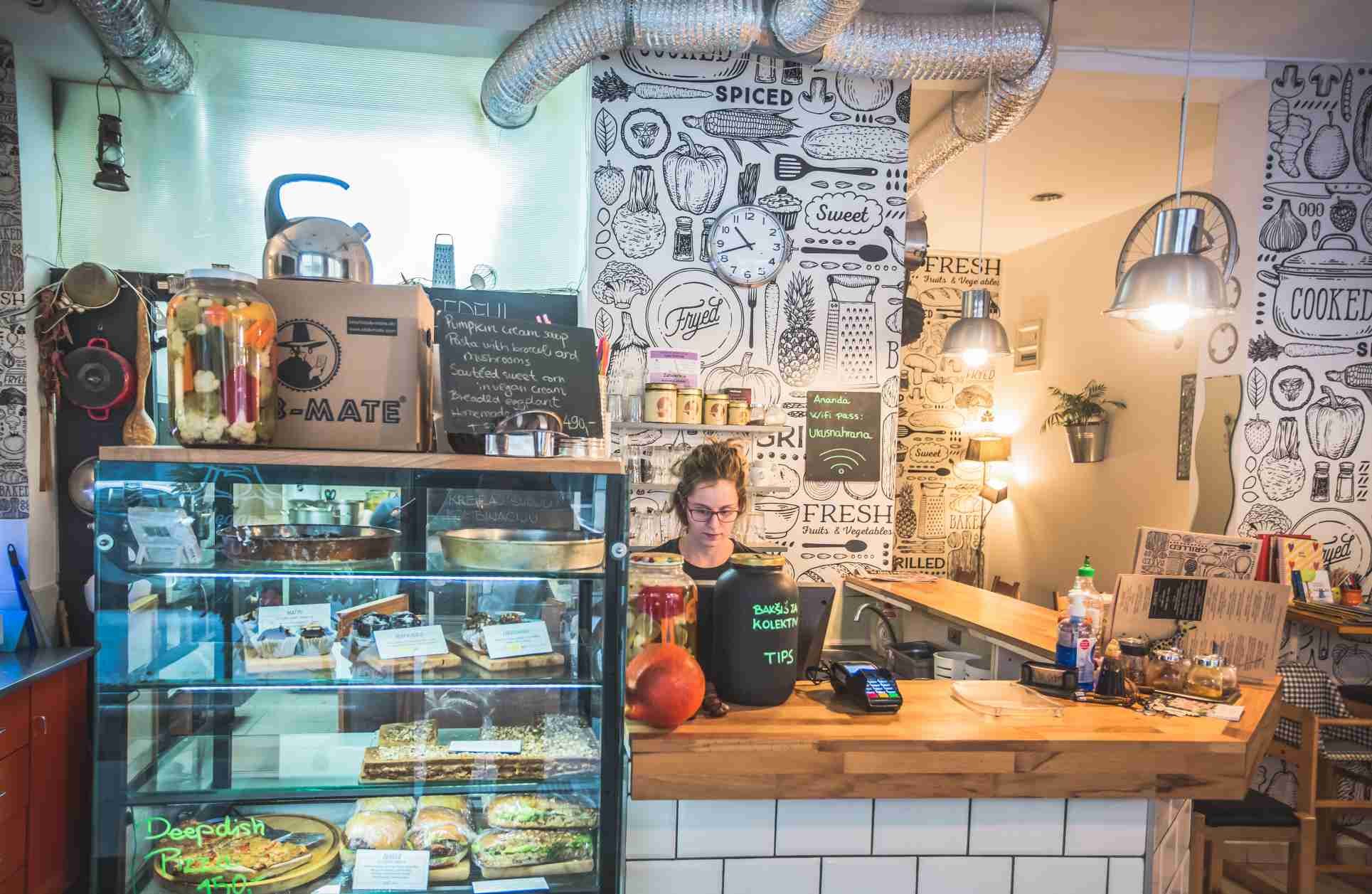
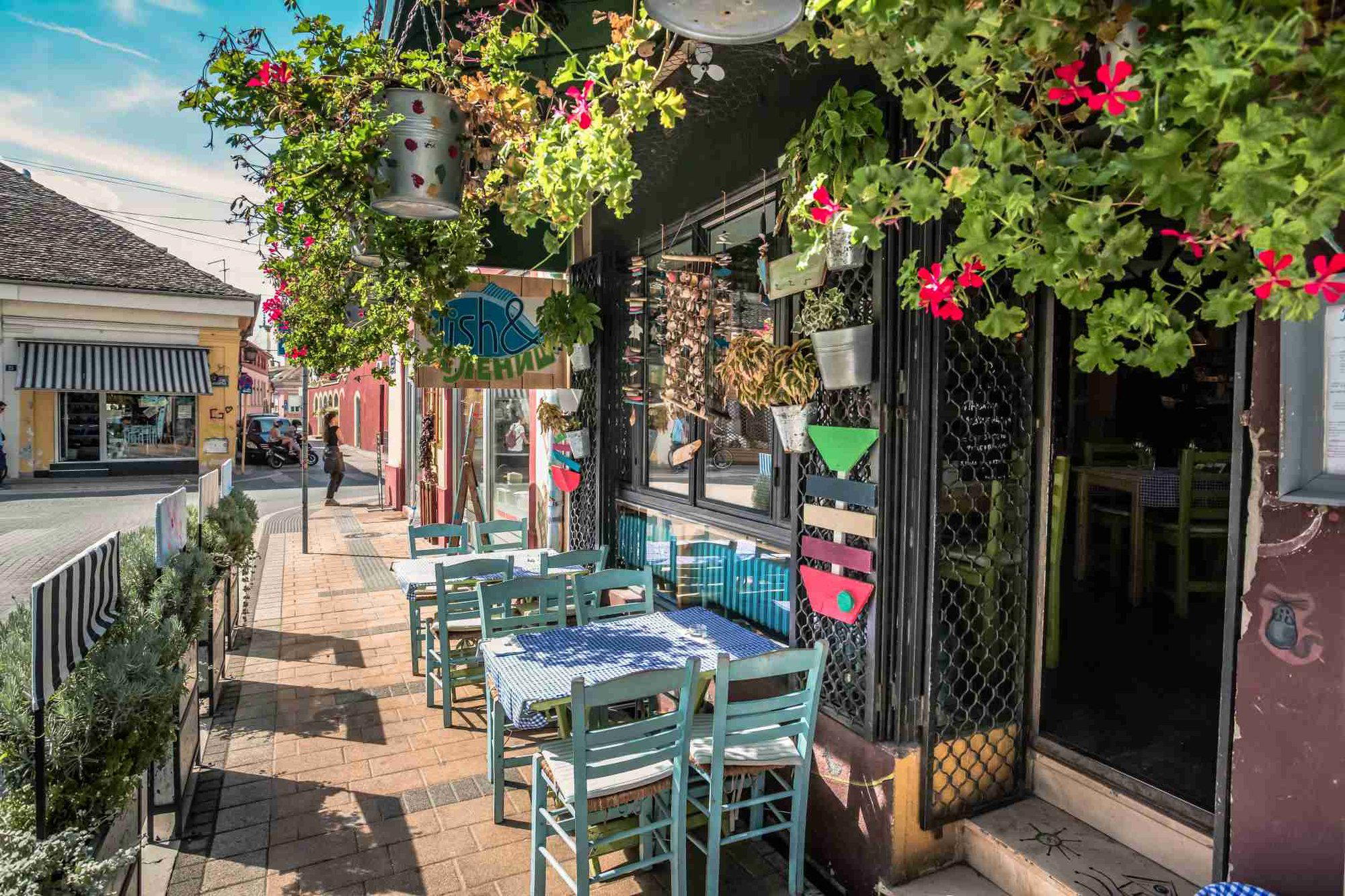
Novi Sad has developed a dining scene more varied than its size might suggest. The city now carries a range of formats: contemporary European cooking at places like CUBO, fish-forward approaches at FISH&ZELENI;Š, global-leaning menus at Ananda, and more casual neighbourhood anchors like Caffe Pizzeria Big Blue and Comida Sanchez. SOKAČE sits outside those categories. Its name and address point toward the kafana tradition, a format that predates the modern restaurant in Serbian cities and still operates as the dominant social institution for a large share of the population.
The kafana is not simply a tavern. It is the place where weddings spill over into second-night celebrations, where business is conducted over grilled meat and domestic wine, where a table of four can occupy a room for three hours without anyone treating that as unusual. The format demands a particular kitchen register: dishes that hold well, portions that feed generously, flavours built on domestic produce rather than imported novelty. In a city where international formats compete for the younger dining market, venues that commit to this register without apology occupy a distinct and durable position. Across Serbia, comparable commitments to the kafana tradition are visible at places like KAFANA DUKAT in Pirot and Kod Brana in Cacak, different cities, similar philosophical ground.
The Cultural Weight of the Vojvodina Table
Novi Sad is the administrative centre of Vojvodina, and Vojvodina's food culture is meaningfully distinct from the rest of Serbia. Centuries of Austro-Hungarian administration left a culinary imprint that overlays the older Balkan base: paprikash preparations, stuffed cabbage in its regional variants, bean soups thickened differently than those further south, game dishes that reflect the flat agricultural terrain of the province. The Danube and the surrounding rivers add a freshwater fish tradition that is absent from much of inland Serbia. This is not a uniform cuisine, it is a layered one, assembled from successive migrations and administrative boundaries that moved repeatedly across the same population.
A restaurant operating under a name that invokes neighbourhood identity in this city is implicitly making a claim about that heritage. The sokače as a concept belongs to the older urban fabric of towns across Vojvodina and the wider former Yugoslav space, where mixed populations lived in close quarters and the street was genuinely communal. That history is part of what the name carries. Similar gestures toward rooted, place-specific identity appear at venues like Etno Kuća Dinar in Vrsac and Lovački dom in Valjevo, where the connection to local culinary tradition is the primary organising principle rather than a decorative addition.
The Danube dimension is also relevant here. The river defines Novi Sad in practical and psychological terms, and the čarda tradition, riverside restaurants serving freshwater fish in paprika-heavy broths, is among the more persistent dining formats in the region. ČARDA ZLATNA KRUNA in Apatin represents that format upstream; the DNA runs through the broader Vojvodina kitchen that places like SOKAČE draw from, even when not positioned directly on the water.
Approaching the Address
Pavla Papa is a short, quiet street in the central municipality, accessible on foot from the pedestrian zone that anchors Novi Sad's commercial core. The address is not difficult to reach, but it is not placed to capture passing trade, it requires a decision to go there, which is itself a signal about the kind of venue it is. Restaurants in this position typically serve a returning local clientele and visitors who have done some research, rather than a walk-in tourist flow. For anyone visiting Novi Sad for the first time, the full Novi Sad restaurants guide provides useful orientation across formats and neighbourhoods before committing to an evening.
The address at Pavla Papa 11 is confirmed, and the venue operates in the Serbian domestic dining tradition. In the kafana tradition generally, walk-in is common, but popular neighbourhood venues in Serbian cities have increasingly moved toward reservation-preferred operation for weekend evenings.
Serbia's Domestic Dining Scene in Wider Context
It is useful to place SOKAČE in the national conversation rather than treating Novi Sad as an isolated case. Serbian dining outside Belgrade has historically attracted less international attention than the capital, where venues like Langouste in Belgrade represent the fine-dining tier and where the city absorbs most food-press coverage. The comparison is relevant because it clarifies what Novi Sad's better domestic restaurants are doing: not competing on that axis, but consolidating an audience that values local culinary identity, reasonable value, and the particular social atmosphere that the kafana format produces at its leading.
That is a different kind of ambition than what drives tasting-menu culture at a place like Atomix in New York City or the technical precision of Le Bernardin. The comparison is not ironic, it is clarifying. The things that make a kafana-tradition venue worth seeking out are not reducible to technique scores or tasting-menu architecture. They are about social function, cultural continuity, and the particular pleasure of eating in a room that has a genuine reason to exist in its specific place and time.
For visitors arriving in Novi Sad from elsewhere in Serbia, points of comparison exist in other mid-sized cities: Aleksandar Gold in Uzice, Windmill in Pancevo, and Kod poštara in Aran Elovac all represent different inflections of provincial Serbian hospitality. SOKAČE, on its quiet Novi Sad street, belongs to that wider conversation about what domestic dining looks like outside the capital's spotlight.
Planning Your Visit
SOKAČE is at Pavla Papa 11, Novi Sad 21101, Serbia. SOKAČE is recommended for reservations and follows casual dress. The venue's central location makes it walkable from most accommodation in the old town area.
In Context: Similar Options
Comparable venues nearby, for context on price, style, and recognition.
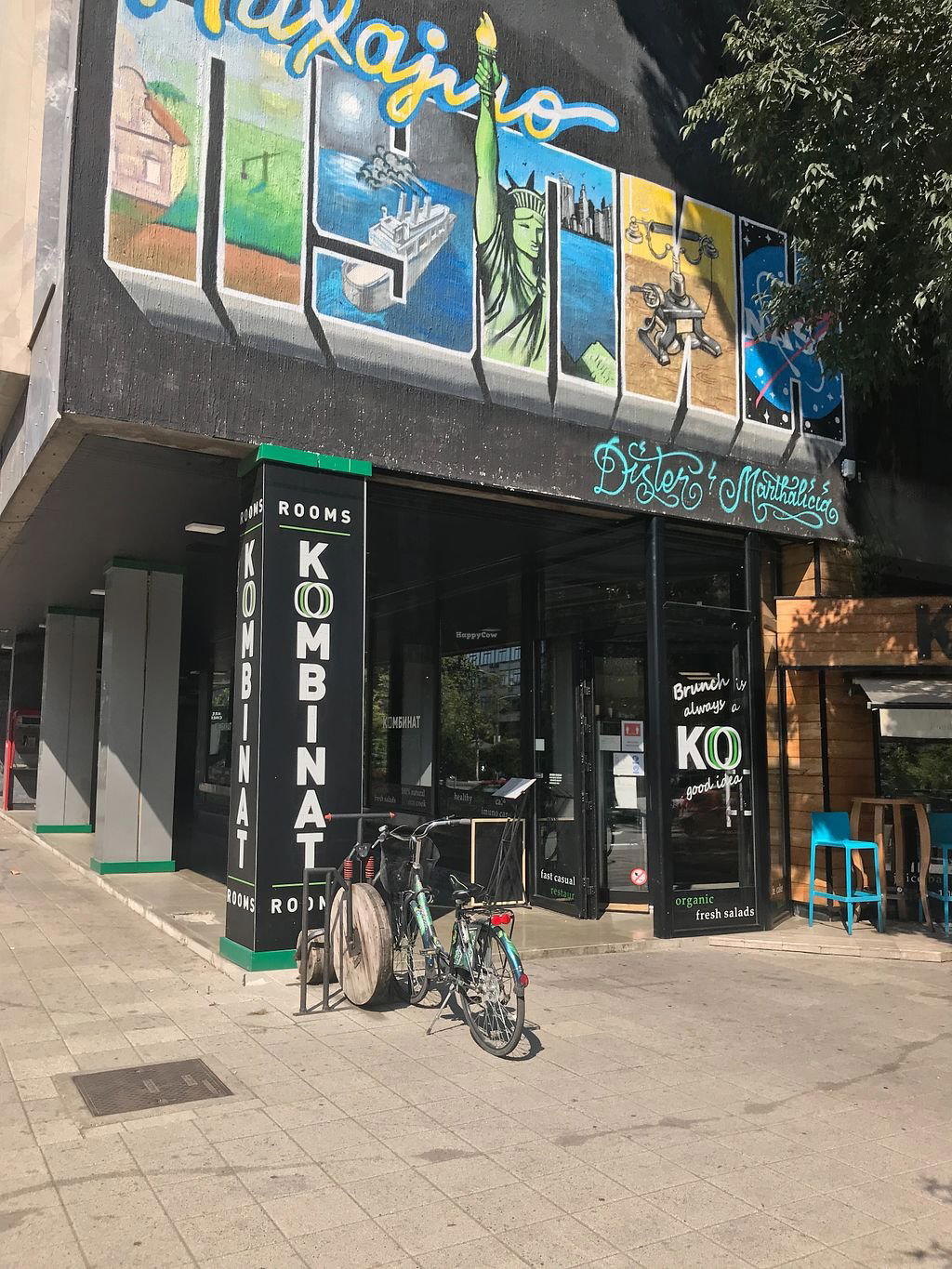
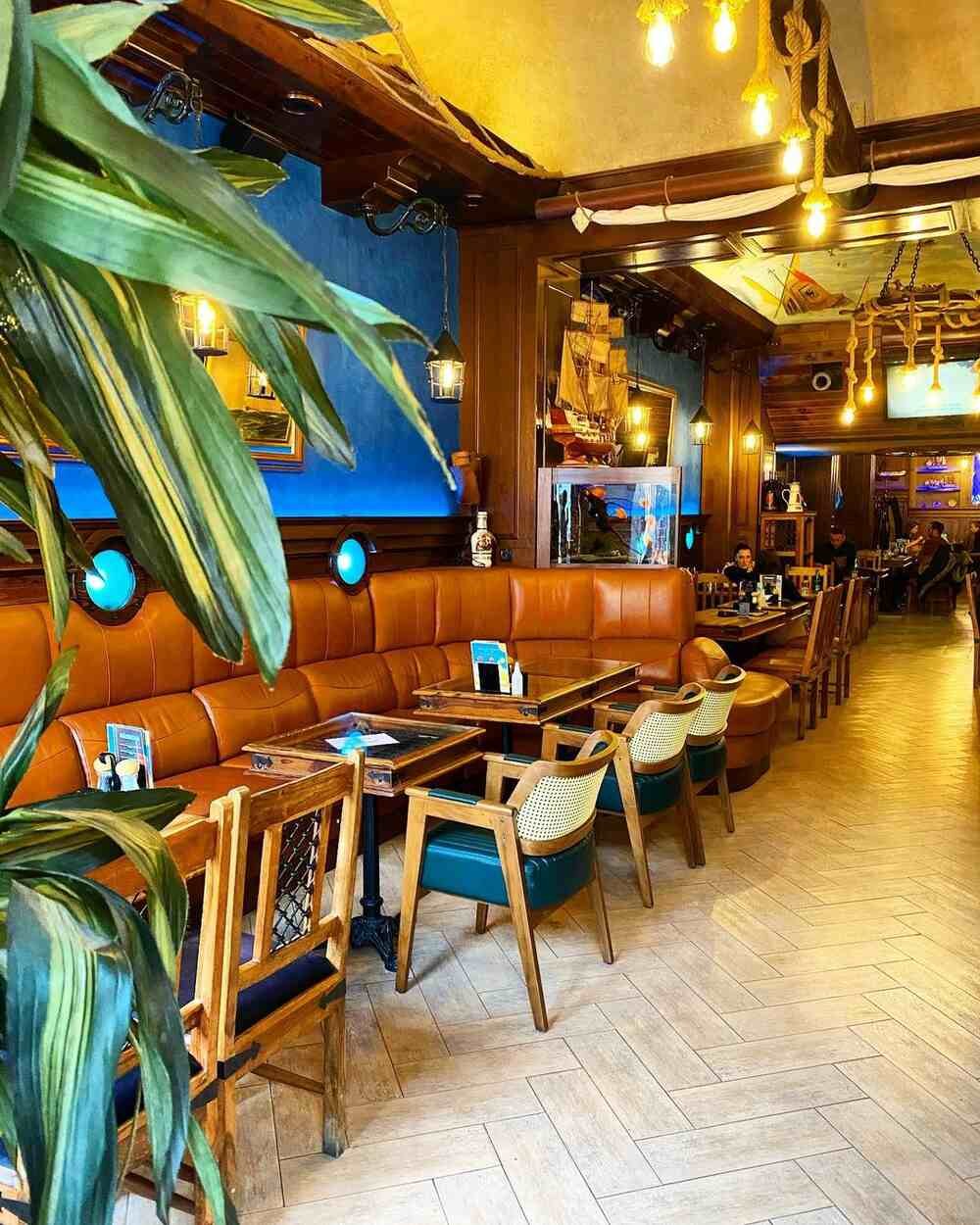
| Venue | Cuisine | Price | Notes |
|---|---|---|---|
| SOKAČEThis venue — the venue you are viewing | Traditional Serbian Grill | $$ | Not listed |
| Pivnica Gusan | Traditional Serbian Beer Pub | $$ | City Center |
| Ananda | Vegan Serbian-Western | $$ | Novi Sad |
| Salaš 137 | Traditional Vojvodina Farmstead Cuisine | $$ | Čenej |
| PROJECT 72 WINE&DELI | Modern Serbian Fusion | $$ | Podbara |
| VIDA | Health-Focused International | $$ | Petrovaradin |
At a Glance
- Cozy
- Rustic
- Classic
- Lively
- Group Dining
- Celebration
- Casual Hangout
- After Work
- Late Night
- Live Music
- Courtyard
- Private Dining
- Beer Program
Current opening hours
- Monday
- 9 AM–12 AM
- Tuesday
- 9 AM–12 AM
- Wednesday
- 9 AM–12 AM
- Thursday
- 9 AM–12 AM
- Friday
- 9 AM–1 AM
- Saturday
- 9 AM–1 AM
- Sunday
- 9 AM–12 AM
Hours can change for holidays and private events. Last verified .
Warm and traditional Serbian atmosphere with antique furnishings, creative ornaments, and period details; lively on evenings with live music performances.