Piknik occupies a riverside address on Ribarsko ostrvo in Novi Sad, placing it within a dining tradition that treats the Danube floodplain as both setting and supply chain. The venue draws on the outdoor-dining culture that defines this stretch of the Serbian north, where the gap between the river and the table is measured in metres rather than kilometres. It belongs to a comparable set defined by geography as much as by menu.
Pearl is the En Primeur Club membership app — saves, bookings, and concierge access live there. Same editors, same standards.
- Address
- Ribarsko ostrvo bb, Novi Sad 21000, Serbia
- Phone
- +381691745645
- Website
- piknik.rs
- Directions
- Get directions
 Saves & bookings on Pearl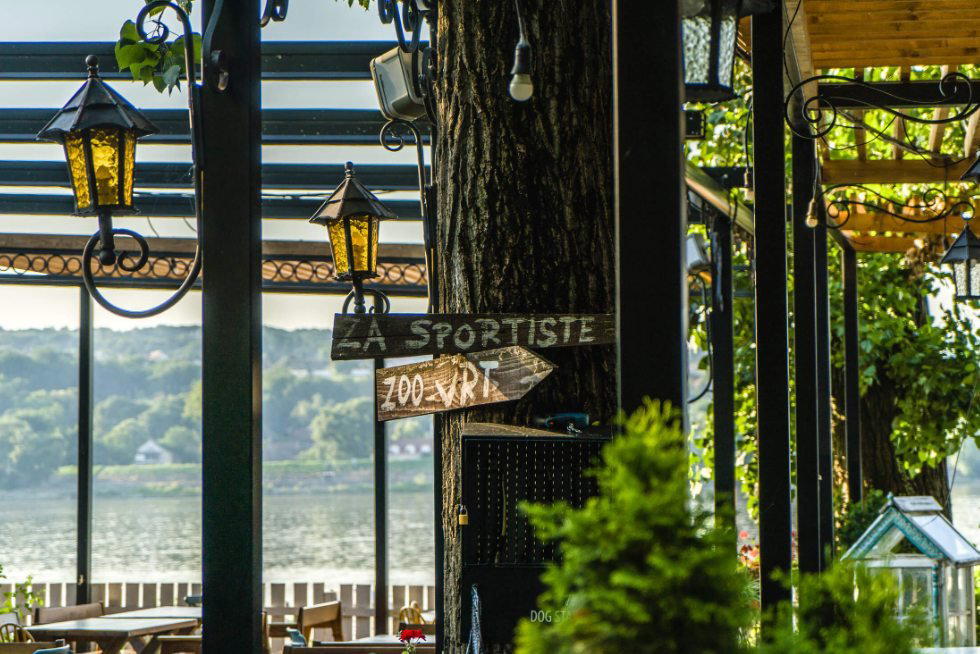
Where the River Sets the Terms
Along the Danube's Vojvodina reach, restaurants don't merely overlook water, they are organised around it. Ribarsko ostrvo, the fishermen's island that curves off Novi Sad's eastern edge, has long operated as the city's most geographically distinct dining zone, a strip where the physical separation from the urban grid creates a different pace and a different expectation. Piknik holds an address here, at Ribarsko ostrvo bb, and that placement is the first editorial fact worth establishing: the setting is not incidental. In this part of Serbia, a riverside location signals a particular kind of hospitality, one built on open-air tables, fish-forward menus, and afternoons that extend well past any reasonable definition of lunch.
The outdoor-dining tradition along this corridor predates modern restaurant culture in the city. Vojvodina's flatland geography and the Danube's wide, slow-moving character made the riverbank a natural gathering point, and the restaurants that took root here shaped their formats accordingly. Piknik's name is itself a statement of intent: the picnic register, the casual-but-considered approach to eating in proximity to nature, is the category this address has always occupied. That framing matters when comparing it to more formally positioned venues in the city centre.
The Novi Sad Dining Context
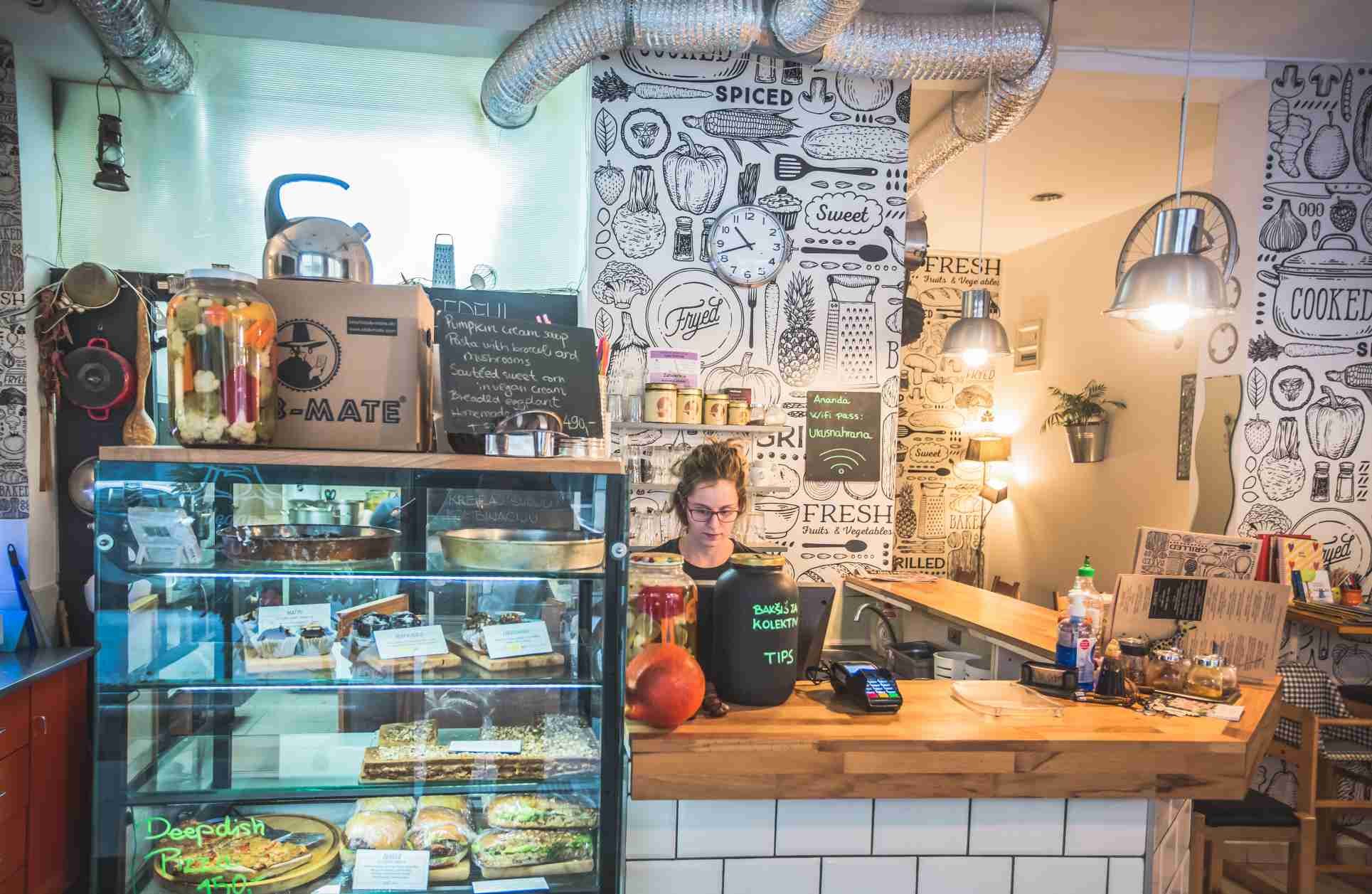
Novi Sad's restaurant scene has developed along two parallel tracks over the past decade. The city's centre and pedestrian zones have attracted a tier of more structured, cuisine-forward restaurants, places like CUBO and Ananda, which operate within a more deliberate fine-dining or contemporary idiom. The riverside strip has developed differently, retaining a format where informality of service and the physical environment carry more weight than tasting-menu architecture or cellar depth. These are not lesser venues, they are differently calibrated venues, and the calibration suits a specific kind of visit.
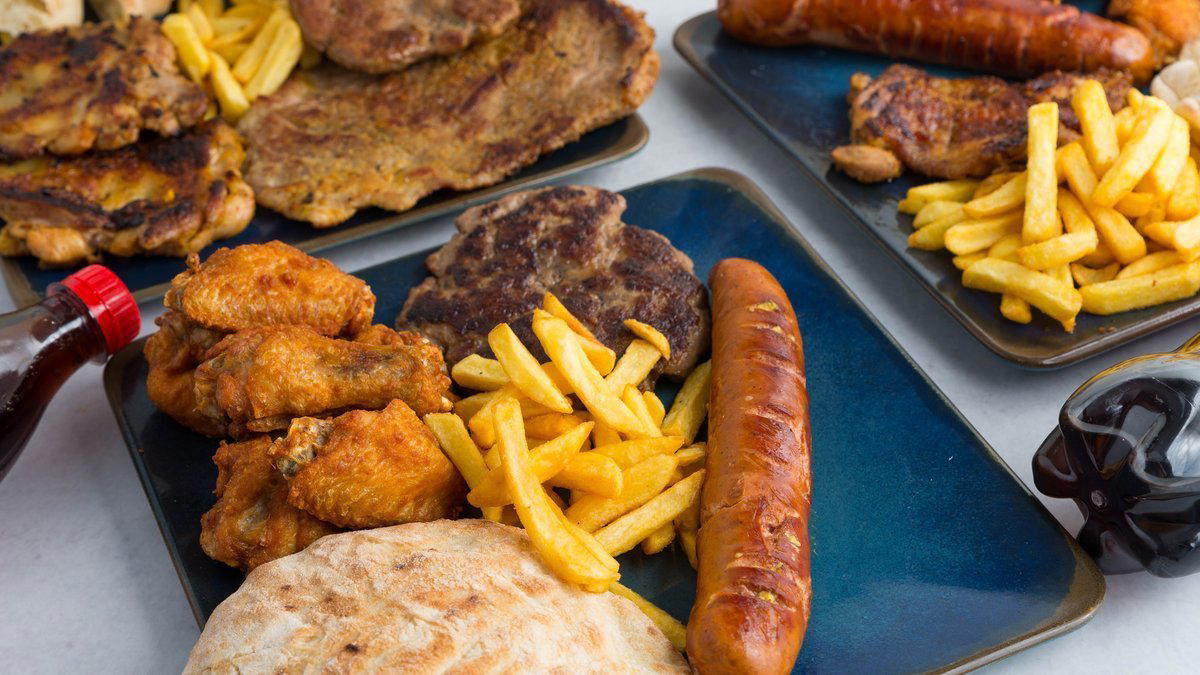
Piknik sits within that second track. The comparable set on and around Ribarsko ostrvo tends toward traditional Serbian and regional fish preparations: carp, catfish, pike, and perch pulled from or sourced near the Danube, served in formats that don't require a reservation made three weeks in advance. The comparison is not with FISH&ZELENI;Š, which occupies a more structured position in the city's dining offer, but with the broader culture of seasonal, outdoor eating that the island has represented for generations.
For visitors arriving from Belgrade, where restaurants like Langouste have pushed urban fine dining toward international reference points, Piknik represents a deliberate gear change. The interest here is in regional specificity rather than technical ambition, and the Danube setting delivers a sense of place that no city-centre address can replicate.
The Wine Question on the Island
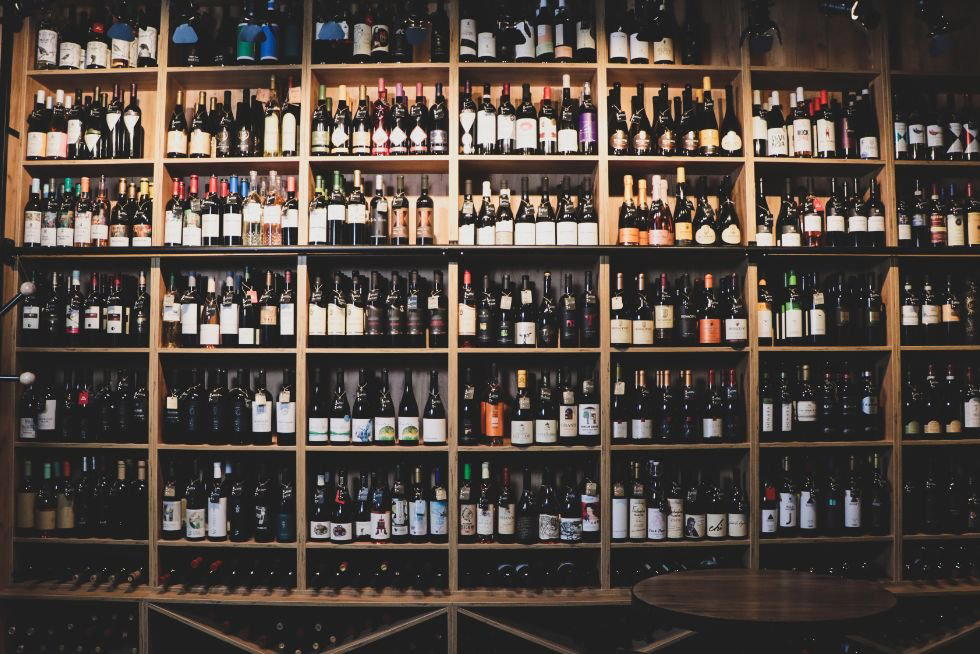
Vojvodina is Serbia's most productive wine region by volume, and its northern position gives it a continental climate that suits aromatic whites, Graševina, Tamjanika, Riesling, along with increasingly credible reds from Frankovka and Cabernet plantings. The region's wine culture is not built around single-estate prestige in the Napa or Burgundy mould; it is built around variety, accessibility, and the pairing logic of regional food. A table of grilled river fish alongside a chilled Graševina from the Fruška Gora foothills is not an approximation of a good pairing, it is the pairing this food tradition was designed around.
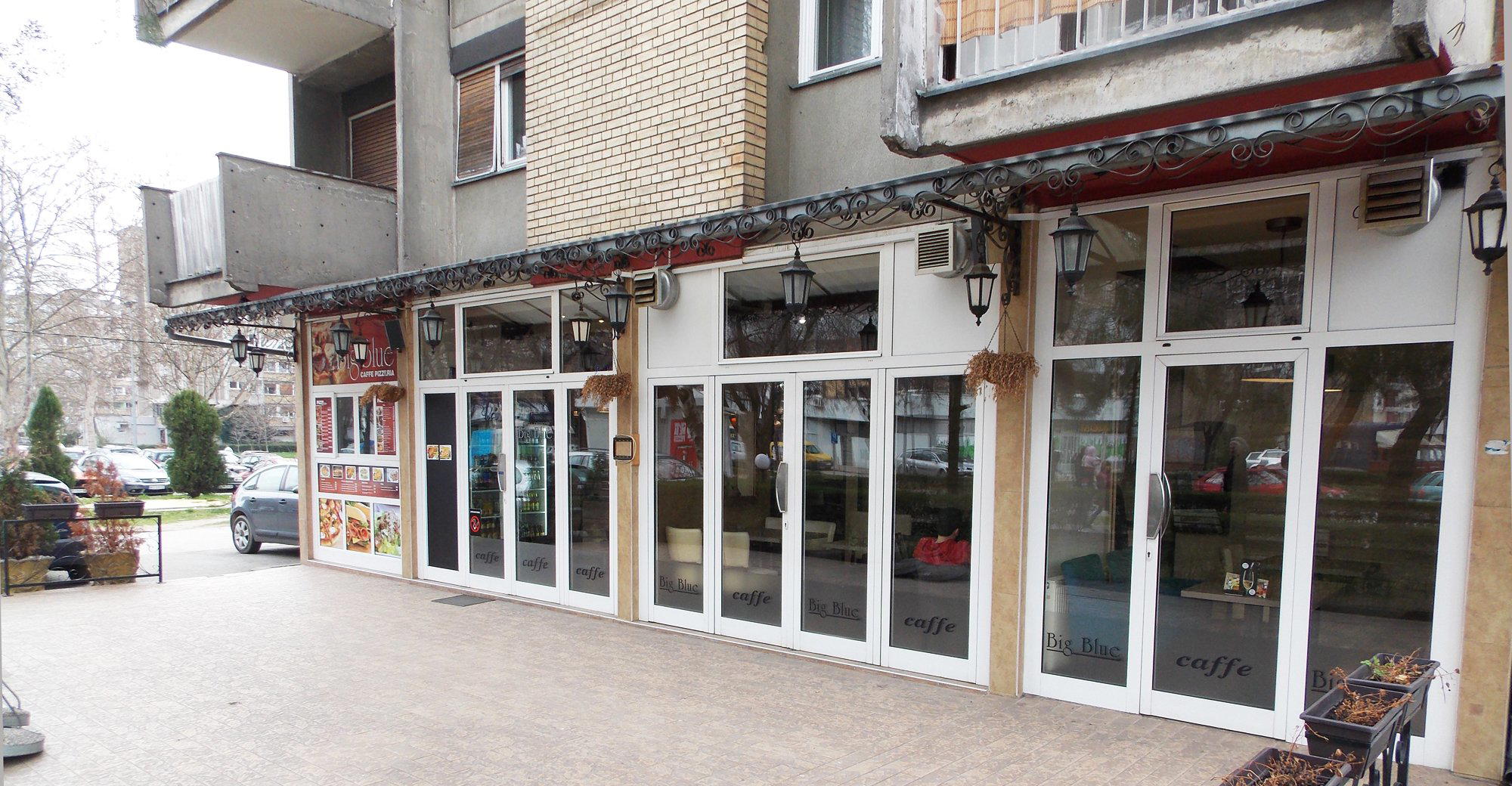
Riverside restaurants on Ribarsko ostrvo have historically leaned into this regional alignment, keeping cellar offerings local and priced to match the informal character of the setting. That approach contrasts with what you find at more urban-facing venues like Comida Sanchez, which occupies a different culinary register entirely, or at more tourism-oriented spots such as Caffe Pizzeria Big Blue. On the island, the wine list tends to be a functional companion to the food rather than an independent editorial statement, and for the format, that is the correct approach.
Serbia's domestic wine offer has improved considerably since the mid-2010s, with producers across Fruška Gora investing in controlled fermentation, lower-intervention techniques, and export-ready packaging. That means regional lists that might once have read as perfunctory now contain genuinely interesting options for the attentive drinker. The question worth asking at any Ribarsko ostrvo venue is whether the list reflects that improvement or is still anchored to bulk-production staples. Without verified current data on Piknik's specific wine offering, that remains an open question, but it is the right question to bring to the table.
Getting There and Planning the Visit
Ribarsko ostrvo is accessible from the city centre on foot or by taxi in under fifteen minutes, depending on your starting point in Novi Sad. The island character means arriving by car is possible but not always particularly practical approach during summer weekends, when the area draws significant local traffic. The address, Ribarsko ostrvo bb, Novi Sad 21000, positions Piknik within the island's main restaurant strip, so orientation on arrival is direct. This is not unusual for venues in this category; walk-in culture is the norm on the island, particularly outside peak summer weekends.
Seasonality matters on the Danube. The outdoor dining format that defines this strip operates most fully between late spring and early autumn. Visiting outside that window may mean a reduced experience, depending on how much of the venue's appeal is tied to the open-air setting. For visitors building a broader picture of Serbian dining beyond Novi Sad, the country's regional restaurant culture extends well into its interior, from Kod Brana in Cacak to Lovački dom in Valjevo and further east to KAFANA DUKAT in Pirot, each reflecting how strongly place shapes the plate in this country.
Within Vojvodina itself, the Danube and its tributary system define a dining corridor that runs south toward ČARDA ZLATNA KRUNA in Apatin and east toward Etno Kuća Dinar in Vrsac. Piknik sits within that corridor, and understanding it as part of a regional pattern rather than as an isolated venue is the more useful frame. For the full picture of what Novi Sad's restaurants offer across formats and price tiers, our full Novi Sad restaurants guide maps the scene in detail.
At-a-Glance Comparison
Comparable venues nearby, for context on price, style, and recognition.
| Venue | Cuisine | Price | Notes |
|---|---|---|---|
| PiknikThis venue — the venue you are viewing | Serbian-European | $$ | Not listed |
| SUSHI FRESH | Fresh Japanese Sushi | $$ | Novi Sad |
| Loft Downtown | International Cafe | $$ | Stari Grad |
| SOKAČE | Traditional Serbian Grill | $$ | City Centre (Pap Pavla Street) |
| SAVOCA | Italian Pizza & Pasta | $$ | Bulevar Oslobođenja |
| CUBO | Modern Mediterranean Bistro | $$$ | near Danube Quay |
At a Glance
- Lively
- Scenic
- Family
- Casual Hangout
- Brunch
- Live Music
- Terrace
- Waterfront
- Waterfront
Current opening hours
- Monday
- 8 AM–11 PM
- Tuesday
- 8 AM–11 PM
- Wednesday
- 8 AM–11 PM
- Thursday
- 8 AM–11 PM
- Friday
- 8 AM–1 AM
- Saturday
- 8 AM–1 AM
- Sunday
- 8 AM–11 PM
Hours can change for holidays and private events. Last verified .
Relaxed outdoor terrace atmosphere by the Danube river with scenic views and family-oriented entertainment.