Our verdict
On the slopes of Fruška Gora, Restoran Vrdnička Kula occupies a position that says as much about Serbian rural dining culture as it does about any single dish. The address alone — Staza zdravlja, the health trail — signals the tradition it sits within: a region where wine, forest walks, and long, unhurried lunches form a coherent way of spending a weekend. For visitors moving through the Srem wine corridor, it is a natural stop alongside neighbours like Vinska Kuca Kovacevic.

Pearl is the En Primeur Club membership app — saves, bookings, and concierge access live there. Same editors, same standards.
Where the Fruška Gora Trail Meets the Table
There is a particular rhythm to dining in the Serbian countryside that has little to do with urban restaurant culture. On Fruška Gora, the low mountain ridge that runs through Vojvodina above the Srem plain, the tradition is organised around the health trail — staza zdravlja — a walking route that connects monasteries, vineyards, and village restaurants in a loop that locals have been following for generations. Restoran Vrdnička Kula sits directly on that route at Staza zdravlja 34 in Vrdnik, a village within the municipality of Irig, and its position is not incidental. The address is effectively a statement of intent: this is a place that earns its role within a specific, culturally grounded way of spending time outdoors in Serbia.
Vrdnik itself is small, known regionally for its thermal spa, the nearby monastery of Ravanica Vrdnik, and the ruins of the medieval fortress from which this restaurant takes its name, Vrdnička Kula, or Vrdnik Tower. That fortification, a remnant of Hungarian-era medieval defence, gives the surrounding area a historical weight that distinguishes it from more generic rural dining stops. Restaurants in this part of Fruška Gora tend to draw on that context, positioning themselves against a backdrop of Serbian Orthodox heritage and pre-Ottoman history rather than purely on food credentials alone.
The Srem Dining Tradition and Where This Restaurant Fits
Srem, the western tongue of Vojvodina wedged between the Sava and Danube rivers, has its own culinary identity that sits at the edge of several overlapping traditions. The cooking here draws from the Pannonian agricultural plains, think roasted meats, freshwater fish from the rivers below, paprika-driven stews, and seasonal produce that reflects the four distinct continental seasons, while also absorbing influences from Austro-Hungarian Vojvodinian cooking and the older Serbian kafana tradition. What you find in a restaurant like Vrdnička Kula is typically not the result of a single culinary philosophy but of geography: this is what people in this corner of Serbia have always eaten, refined over time by proximity to good wine and good farming.
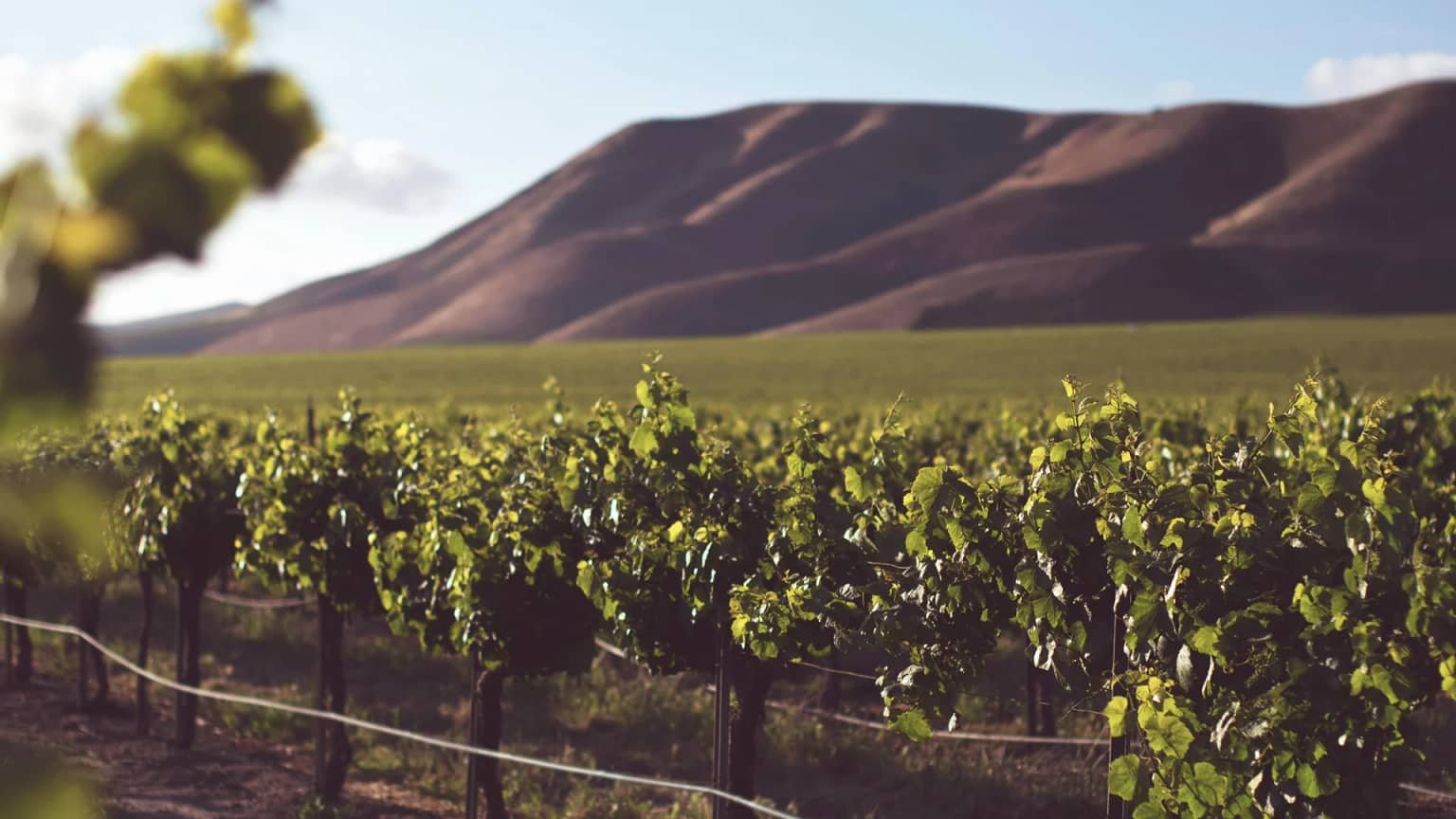
The Irig municipality sits at the heart of Fruška Gora wine country, and the connection between table and vineyard here is organic rather than curated. Visitors moving through the Srem wine corridor are well-served to cross-reference their dining stops with the broader Irig restaurant scene, which we cover in depth in our full Irig restaurants guide. Nearby, Vinska Kuca Kovacevic represents the more wine-forward end of the local offer, where the cellar shapes the menu rather than the other way around.
How Rural Serbian Dining Differs from City Formats
To arrive at Vrdnička Kula expecting the format of a Belgrade restaurant would be to misread the context entirely. The Serbian urban restaurant scene, particularly at the higher end, where venues like Langouste in Belgrade operate with formal tasting structures and wine programs calibrated to international standards, operates on a completely different logic. Rural Fruška Gora dining is organised around time, not courses. Meals tend to be long, portions generous, and the relationship between host and guest is closer to the kafana tradition, where the table is held as long as the conversation continues.
That kafana sensibility, democratic, convivial, structured around shared plates and domestic wine, runs through Serbian rural restaurant culture from the Zlatibor hills to the Srem plain. You see it at Kafana Studenac in Bajina Basta, at Kafana Pećinar Ljubiš in Cajetina, and at KAFANA DUKAT in Pirot. What varies between them is the local ingredient set and the specific regional inflection, the paprika weight, the type of smoked meat, the character of the local wine or rakija. In Srem, the baseline is Vojvodinian: richer, more dairy-forward than the mountain south, with a stronger river fish tradition.
For those moving around Serbia's regional dining circuit more broadly, the contrast is instructive. Etno Kuća Dinar in Vrsac and ETNO PODRUM BRKA in Nis operate in a related register, the ethnographic restaurant format that foregrounds Serbian heritage cooking, though each reflects its own regional palette. Lovački dom in Valjevo tilts further toward the hunting-lodge tradition, game-heavy and forest-adjacent in a way that echoes the Fruška Gora setting without sharing the Srem wine context.
Getting Here and What to Expect on Arrival
Vrdnik is accessible by road from Novi Sad in under an hour, making Vrdnička Kula a realistic lunch destination for visitors based in the city. The route from Novi Sad passes through Irig town before climbing into the mountain, and the final approach along the health trail corridor is part of the experience: the road narrows, the vineyards appear on the slopes, and the density of the urban reduces sharply. For those coming from further afield, Kafe Restoran Maša in Novi Sad is a reasonable urban staging point before heading into Fruška Gora.
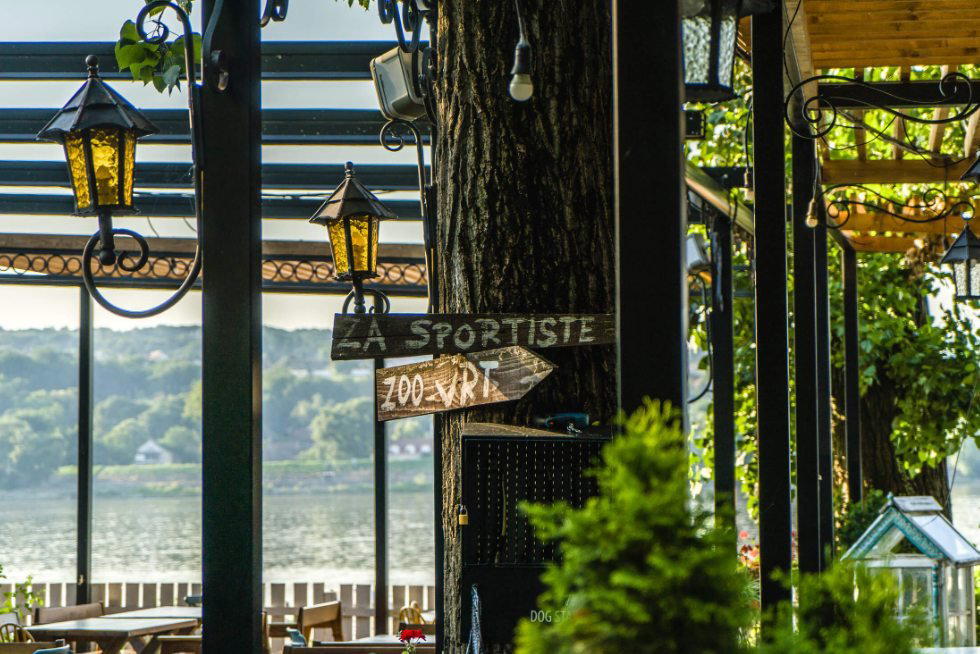
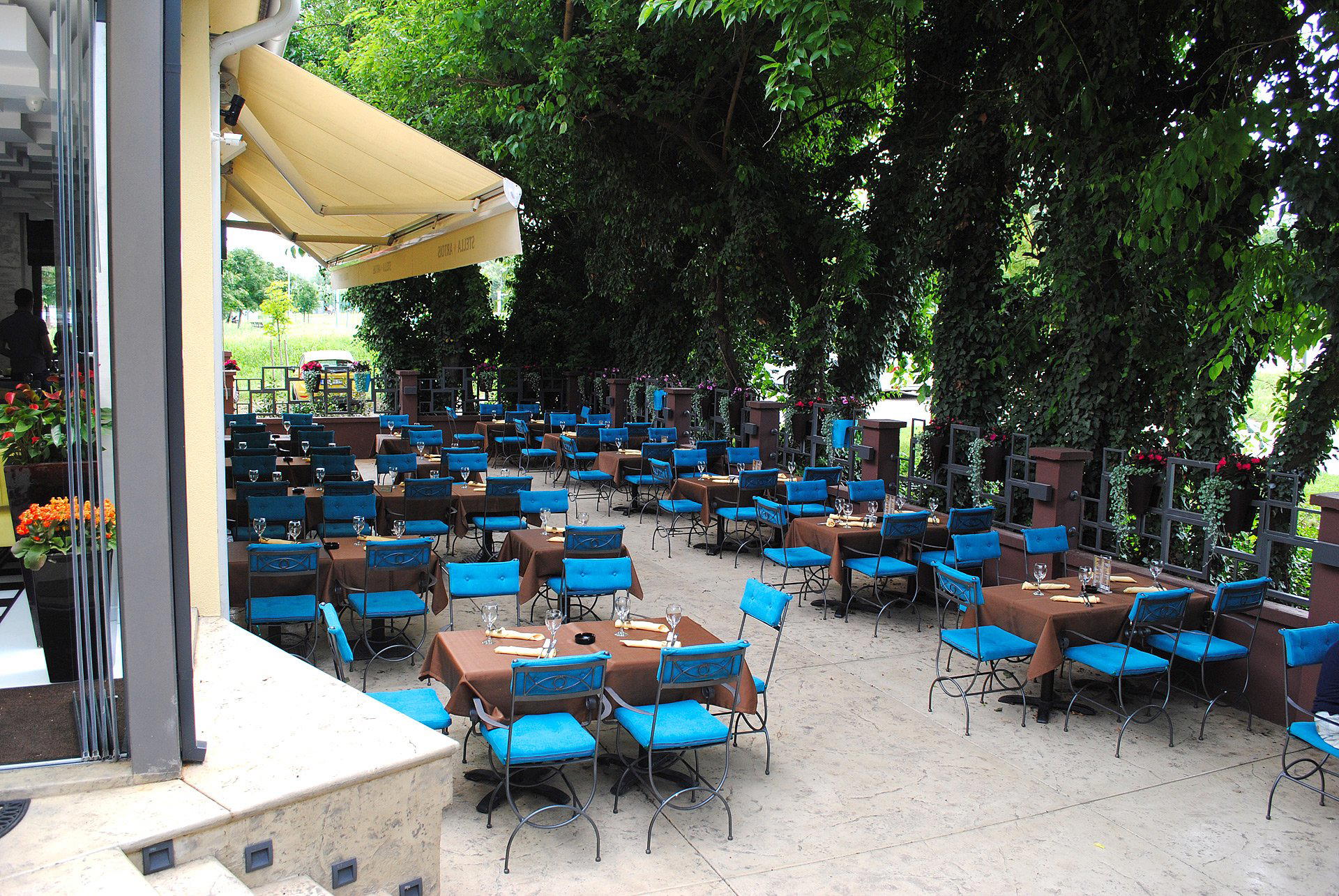
The restaurant's position on the walking trail means it draws a mix of hikers completing the staza zdravlja loop and day-trip visitors from Novi Sad and the Srem lowlands. That dual audience shapes the atmosphere: expect outdoor seating where conditions allow, a pace that accommodates arrivals at various points in the afternoon, and a menu oriented toward the kind of food that makes sense after a walk, filling, seasonal, and built around what is local rather than what is fashionable.
Placing Vrdnička Kula in a Wider Regional Circuit
Anyone building a serious itinerary around Serbian regional dining will find Fruška Gora an anchor point rather than a detour. The combination of wine producers, monastery culture, thermal spa infrastructure in Vrdnik, and walking routes creates a coherent multi-day frame. Vrdnička Kula, positioned on the health trail with a name drawn from medieval history, is the kind of venue that earns its place in that circuit through continuity and setting rather than through awards or a recognisable chef profile.
Across Serbia, the strongest regional dining rooms tend to share a similar characteristic: they are inseparable from their geography. ČARDA ZLATNA KRUNA in Apatin belongs to the Danube fisherman tradition in a way that would be impossible to transplant. Kod Brana in Cacak draws from the Western Morava agricultural belt. Vrdnička Kula's equivalent anchor is the Fruška Gora trail, the Srem wine culture, and the medieval history embedded in the hillside around it. Those are the things worth arriving for.
Frequently asked questions
Would RESTORAN VRDNIČKA KULA be comfortable with kids?
The restaurant sits along Staza zdravlja 34 in Vrdnik, a walking trail area on Fruška Gora, which gives it an open, outdoor-adjacent setting more typical of countryside inns than city dining rooms. That format generally suits families with children better than a formal urban restaurant would. Arrive with flexibility on timing, as rural Serbian establishments outside Irig and Novi Sad often follow a different pace than city venues.
Is RESTORAN VRDNIČKA KULA formal or casual?
Vrdnička Kula operates within the Serbian countryside dining tradition, which runs distinctly casual by default. The address on a health trail (Staza zdravlja) in Vrdnik signals a setting oriented toward walkers, day-trippers from Novi Sad, and locals rather than dress-code dining. Expect a relaxed atmosphere consistent with Fruška Gora's rural character.
Is Restoran Vrdnička Kula a good lunch stop when hiking Fruška Gora near Vrdnik?
The restaurant's address on Staza zdravlja 34 places it directly along the health trail network in Vrdnik, making it a practical mid-hike or post-hike stop rather than a destination requiring a separate drive. Vrdnik itself sits within easy reach of Novi Sad, under an hour by road, so the combination of trail access and a sit-down meal fits naturally into a single-day itinerary on Fruška Gora.
What's the best thing to order at RESTORAN VRDNIČKA KULA?
Dishes drawn from that regional tradition are the logical focus for any first visit to a Fruška Gora countryside restaurant in this area.
Where do I go for RESTORAN VRDNIČKA KULA?
RESTORAN VRDNIČKA KULA is located at Staza zdravlja 34, Vrdnik 22408, Serbia, Irig.
Price and Recognition
Comparable venues nearby, for context on price, style, and recognition.
| Venue | Cuisine | Price | Notes |
|---|---|---|---|
| RESTORAN VRDNIČKA KULAThis venue — the venue you are viewing | Authentic Serbian | $20–30 | Not listed |
| Vinska Kuca Kovacevic | Traditional Serbian with Wine Pairing | $20–30 | Irig, Traditional Serbian with Wine Pairing |
| Pivnica Gusan | Traditional Serbian Beer Pub | $10–20 | City Center, Traditional Serbian Beer Pub |
| Vrelo | Traditional Serbian | Not listed | Perucac, Traditional Serbian |
| Код Брке | Serbian Pub Restaurant | $10–20 | Telep, Serbian Pub Restaurant |
| Restaurant Djerdan | Authentic Serbian Barbecue | $20–30 | Zvezdara, Authentic Serbian Barbecue |

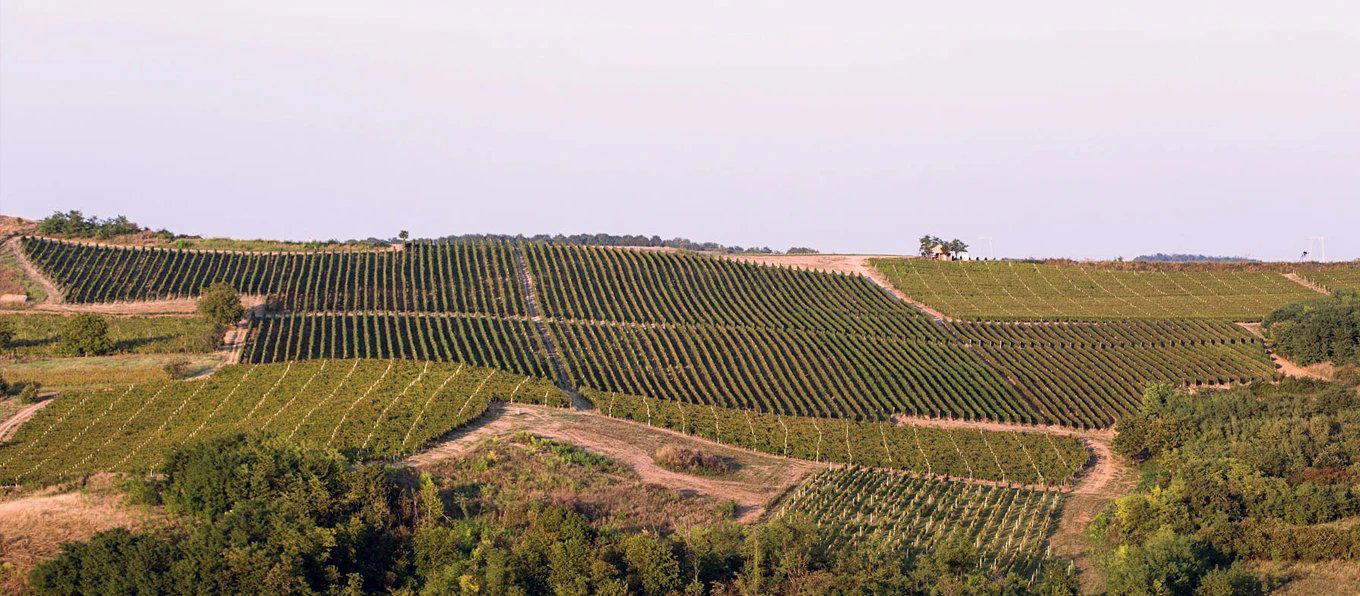
RESTORAN VRDNIČKA KULA
The wine
- Wine program
- Curated wine list
- Beer program
Details
- Rustic
- Cozy
- Scenic
- Family
- Casual Hangout
- Celebration
- Garden
- Historic Building
- Beer Program
- Local Sourcing
- Mountain
- Garden
- A La Carte
- Local Beer
- Brandy
Current opening hours
- Monday
- Closed
- Tuesday
- 12–10 PM
- Wednesday
- 12–10 PM
- Thursday
- 12–10 PM
- Friday
- 12–11 PM
- Saturday
- 12–11 PM
- Sunday
- 12–8 PM
Hours can change for holidays and private events. Last verified .
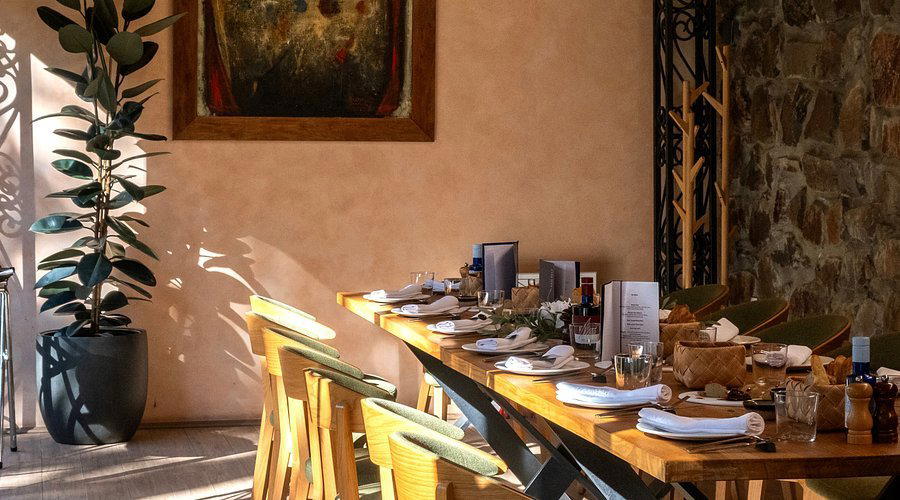
Charming rustic atmosphere connecting guests with nature, providing an oasis of peace away from city hustle.