In the Srem town of Ruma, Jedite kod Svirca occupies the kind of address that locals know without needing a sign: a corner of the old town where the cooking reflects the agricultural plains surrounding it. The kitchen draws on Vojvodina's dense produce traditions, turning the region's pork, grain, and garden vegetables into plates that read as direct but carry real regional weight.
Pearl is the En Primeur Club membership app — saves, bookings, and concierge access live there. Same editors, same standards.
- Address
- Лењинова 7, Ruma 22400, Serbia
- Phone
- +38163521563
- Website
- zoopglobal.com
- Directions
- Get directions
 Saves & bookings on Pearl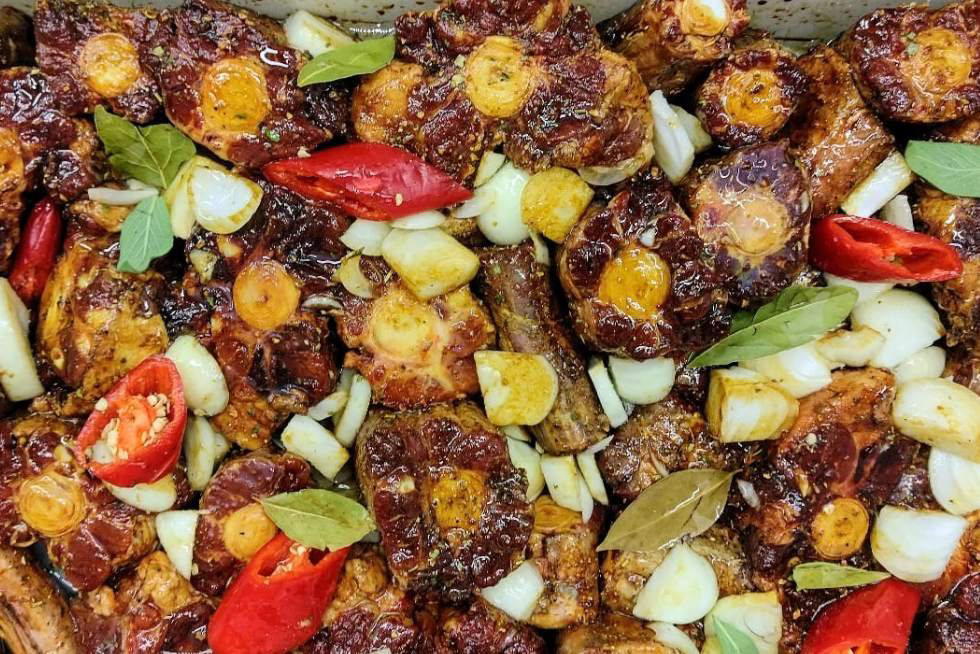
Where Vojvodina's Larder Meets the Table
Ruma sits in the Srem district of Vojvodina, a flat, fertile corner of Serbia that has been producing grain, pigs, paprika, and river fish for centuries longer than any restaurant has existed to serve them. The town's dining options tend to reflect the land directly. Jedite kod Svirca, on Lenjinova Street in the old town core, belongs to that latter category. The address is unglamorous in the way that reliable local institutions often are: just a room where people eat the food of this particular place.
That specificity is the point. Vojvodina's cooking tradition is less about technique flourish and more about raw material quality. The district produces particularly consistent pork in the Balkans, a legacy of Hungarian and Austrian agricultural influence that shaped the region's farming patterns over three centuries. Lard-based cooking, cured meats, layered stews, and slow-rendered stocks are the grammar of this kitchen, and any serious Srem table draws on that grammar whether it announces it or not. Restaurants in this tier tend to succeed on the quality of what arrives from surrounding farms and markets.
Reading Vojvodina Through Its Produce
The ingredient sourcing argument for this region is not subtle. The Srem plain runs from the Danube to the Sava, and the soil density here supports a particular kind of market-garden agriculture that has supplied the towns of this corridor for generations. Paprika cultivation in the wider Vojvodina area feeds a regional cooking style that is richer and more textured than the leaner, charcoal-forward cooking of central Serbia. The contrast is meaningful: where a kafana in Cacak or Uzice might anchor its menu to grilled meats, a Srem table is more likely to layer fat, paprika, and slow heat into the same protein. That distinction separates places like this from, say, Kod Brana in Cacak or Lovački dom in Valjevo, which operate within different regional produce logics entirely.
River fish is the other axis of Vojvodina's ingredient map. The Sava and Danube corridors supply carp, catfish, and pike-perch to the kitchens of Srem, and the tradition of riblja čorba, the dense paprika-spiked fish broth that functions as both starter and restorative, is as much a marker of place here as roast lamb is in the highlands. For a more decorative version of Vojvodinian river cooking, the Danube-adjacent Čarda Zlatna Kruna in Apatin represents the čarda format at its most theatrical; the Ruma context is considerably more plainspoken.
The Srem Town Dining Pattern
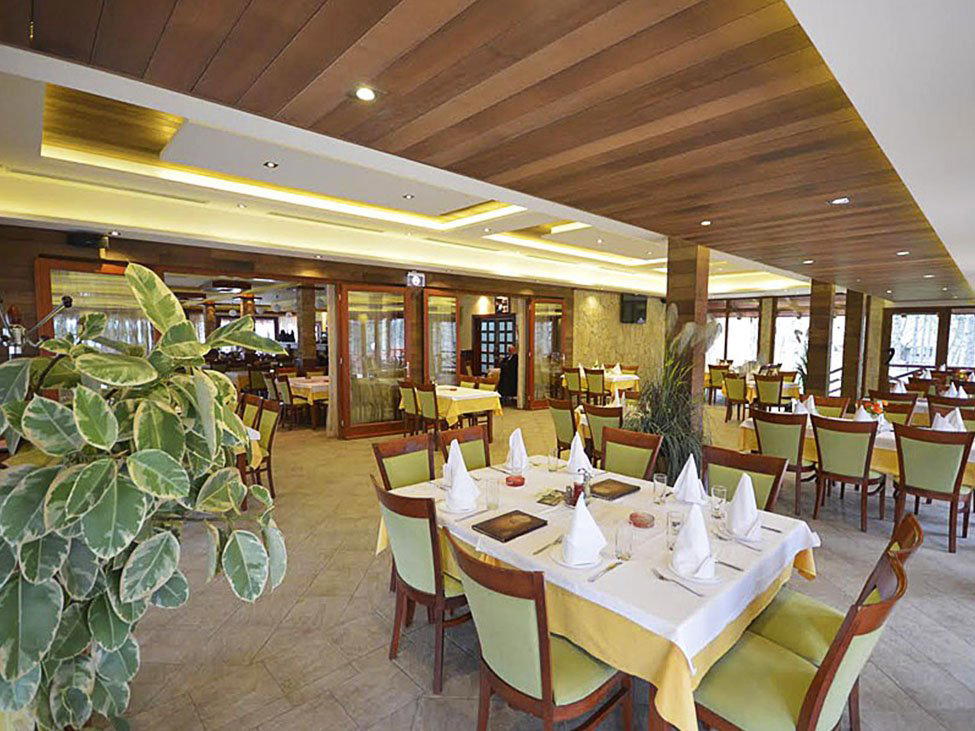
In smaller Serbian towns, restaurants function within a social logic that is different from city dining. The lunch hour carries the traffic. Tables are usually walked into. The room serves as a community space as much as a dining room. Ruma follows this pattern closely, and Jedite kod Svirca sits within it rather than trying to operate outside it.
That community-room quality places it in a coherent regional peer group. Across Serbia's smaller cities and market towns, the strongest local restaurants are rarely the ones chasing design recognition or out-of-town attention. The Kafana Studenac in Bajina Basta and Kafana Pećinar Ljubiš in Cajetina occupy comparable positions in their own towns: institutions that earn their standing through repetition, consistency, and a direct relationship with local supply. The format at Jedite kod Svirca follows the same logic. For context on how this kind of cooking reads in a larger city, ETNO PODRUM BRKA in Nis and Etno Kuća Dinar in Vrsac offer a more curated version of the same Serbian ethno-kafana tradition, with higher production values and a more deliberate heritage framing.
Placing Ruma in Its Wider Dining Circuit
For travellers routing through Vojvodina from Belgrade or Novi Sad, Ruma rarely appears on the itinerary by default. It sits roughly 50 kilometres southwest of Belgrade, close enough for a deliberate detour but far enough to require one. The town is better positioned as a stopping point along the Srem corridor than as a destination in isolation. Borkovac, on the lake of the same name just outside Ruma, represents a different register of local dining, lake-adjacent and more resort-inflected, and the two together give a reasonable picture of what Ruma's food offer actually covers.
The comparison point that clarifies the regional picture most sharply is Novi Sad, 60 kilometres north. A place like Kafe Restoran Maša in Novi Sad operates within a larger, more competitive city market where price differentiation, design investment, and a younger dining public all exert pressure on format. In Ruma, none of those market forces apply in the same way. The result is a dining scene that is more conservative in presentation but often more direct in its relationship to regional ingredients. That directness is the case for visiting rather than a consolation for what is absent.
The wider Serbian dining circuit does contain high-investment, internationally comparable addresses: Langouste in Belgrade represents the modernist end of Serbian fine dining, and references like Le Bernardin in New York City or Atomix define what stronger examples from the international register looks like. Jedite kod Svirca occupies none of that territory. It is a town restaurant in a market town, and the measure of quality that applies here is fidelity to local produce and consistency of execution, not ambition of format.
Planning Your Visit
The restaurant is located at Lenjinova 7 in central Ruma, walkable from the town square. Call ahead or arrive in person during standard lunch hours. The road connections from Belgrade via the A1 and E70 make Ruma direct to reach by car, and a stop here fits naturally into a Srem day route that might also include the Fruška Gora monasteries or the Danube-side villages of the Sava confluence area.
Frequently Asked Questions
- Is the restaurant suitable for children?
- Serbian town restaurants in the Vojvodina region are generally family-oriented by default. The dining culture in smaller cities like Ruma is built around extended family meals, particularly at lunch, and a venue at this price and community level is likely to be accommodating of children. That said, because no confirmed seating or menu data is available, it is worth calling ahead to confirm the setup before arriving with a large family group.
- Is the restaurant better for a quiet night or a lively one?
- In a town the size of Ruma, the rhythm of local restaurants tends to concentrate energy at midday rather than in the evening. Serbian kafana-style venues in this city tier typically see their most animated service during the lunch period, when the room functions as a community gathering point. Evening visits are quieter by comparison, making them better suited to those who want an unhurried meal rather than a social atmosphere. This is a daytime dining address rather than a late-night venue.
- What should I order at the restaurant?
- What the regional context makes clear is that any Vojvodina table worth its address in the Srem corridor will anchor to pork-based preparations, slow-cooked paprika stews, and, where the kitchen has access to good river fish, some form of riblja čorba. These are the categories that reflect the actual produce logic of this district rather than generic Serbian grill options, which are available everywhere and tell you less about the specific place.
- How does the restaurant fit into Ruma's local food scene compared to other towns in Vojvodina?
- Ruma occupies a particular position in Vojvodina's smaller-town dining circuit: close enough to Belgrade to benefit from regional supply chains, but without the competitive restaurant market of Novi Sad or Subotica. Venues in this tier tend to represent one direct expression of local produce sourcing precisely because they are not subject to the design and concept pressures of larger city markets. Within Ruma itself, the restaurant sits alongside Borkovac as one of the addresses that gives the town's dining scene its local character, with each covering a different segment of what the area has to offer.
Quick Comparison
Comparable venues nearby, for context on price, style, and recognition.
| Venue | Cuisine | Price | Notes |
|---|---|---|---|
| JEDITE KOD SVIRCAThis venue — the venue you are viewing | Serbian Gastro | $$ | Not listed |
| Borkovac | Traditional Serbian Barbecue & European | $$ | Ruma, Vojvodina |
| Barrel House | Modern Serbian & International Grill | $$ | Old Dorćol |
| Srpska kafana | Authentic Serbian Kafana | $$ | Old Town |
| Rubin | Traditional Serbian Grill | $$ | Košutnjak |
| Klub Košutnjak | Serbian Game Meat | $$ | Košutnjak |

At a Glance
- Rustic
- Casual Hangout
Current opening hours
- Monday
- 12–6 PM
- Tuesday
- 12–6 PM
- Wednesday
- 12–6 PM
- Thursday
- 12–6 PM
- Friday
- 12–6 PM
- Saturday
- 12–6 PM
- Sunday
- Closed
Hours can change for holidays and private events. Last verified .
Cozy gastro gem with great service and focus on flavorful traditional preparations.