On Bulevar kralja Aleksandra in Belgrade's eastern residential belt, Restoran Cuoco occupies a stretch of the city where neighborhood regulars and curious visitors meet on equal terms. The kitchen leans into Italian-inflected cooking in a dining scene that prizes domestic produce and seasonal discipline. For those tracing Belgrade's shift toward ingredient-led European cuisine, Cuoco offers a practical and grounded reference point.
Pearl is the En Primeur Club membership app — saves, bookings, and concierge access live there. Same editors, same standards.
- Address
- Bulevar kralja Aleksandra 250, Beograd, Serbia
- Phone
- +38162244440
- Website
- cuocorestoran.com
- Directions
- Get directions
 Saves & bookings on Pearl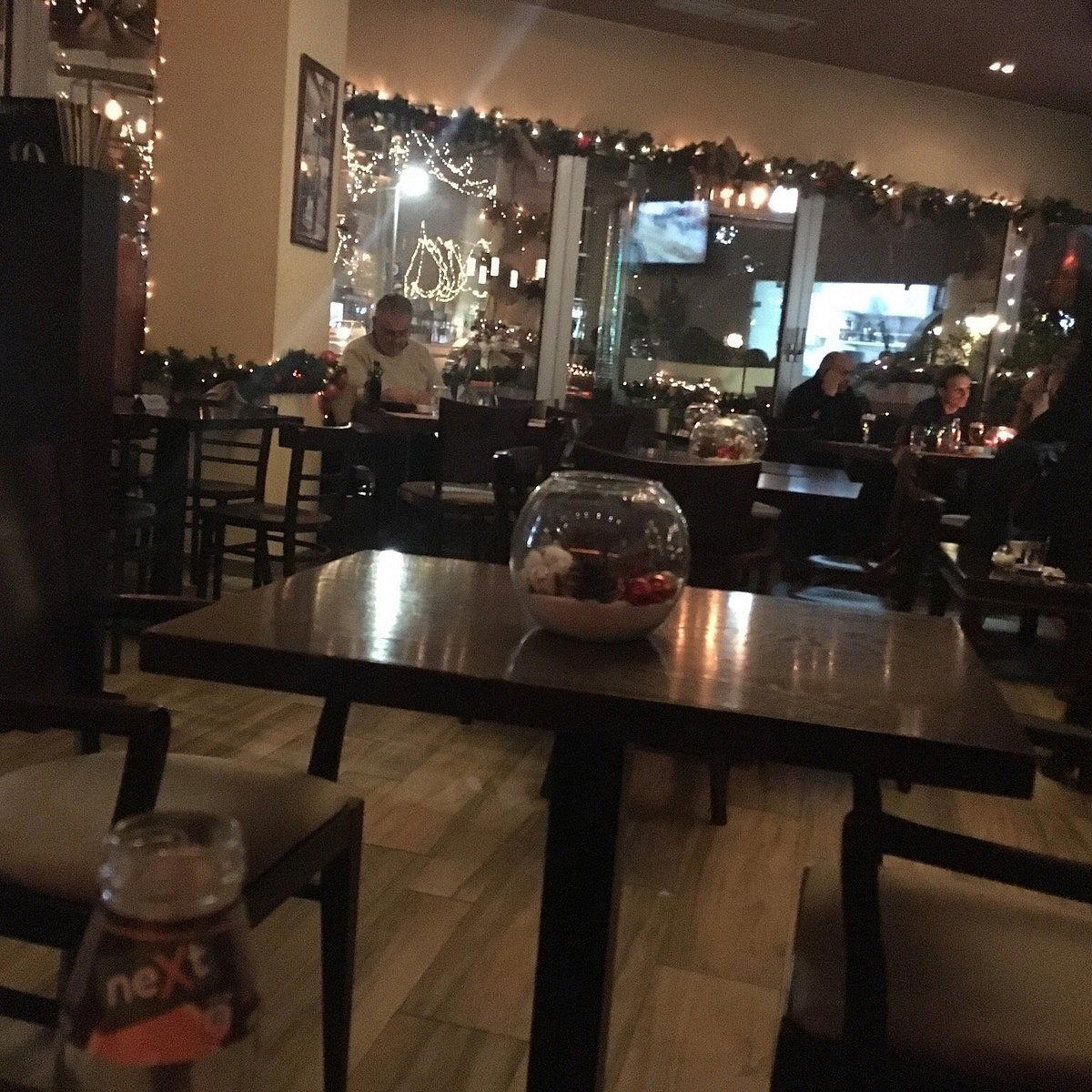
Where Bulevar kralja Aleksandra Meets the Table
Bulevar kralja Aleksandra is not the address you find on most short-stay itineraries of Belgrade. It runs east from the center through neighborhoods that belong, in the main, to residents rather than visitors, apartment blocks, market stalls, the ordinary commerce of a city going about its week. Restoran Cuoco sits at number 250 on that boulevard, which already tells you something about its orientation. This is a restaurant that answers to a local constituency first, and that fact shapes nearly everything about the experience: the pricing logic, the portion calibration, the implicit contract between kitchen and table.
Belgrade's restaurant scene has split, over the past decade, between two broad tendencies. One cluster gravitates toward the old town and Savamala, where converted industrial spaces and tourist-facing menus have driven prices and theatrical presentation upward. Venues like Langouste and The Square operate in that upper register, with tasting menus and wine programs priced against a pan-European comparable set. The other cluster remains embedded in residential Belgrade, serving the city's own appetite for direct, ingredient-focused cooking at prices that reflect local wages. Cuoco belongs to the second group, and that positioning is a feature rather than a limitation.
The Ingredient Question in Serbian Restaurant Cooking
The framing question for any restaurant drawing on Italian culinary vocabulary in Serbia is the sourcing question. Italian cooking, at its most convincing, derives its authority from produce: the tomato's sugar content, the fat distribution in a particular cut, the salinity of a cured meat. When that cuisine migrates, the kitchen faces a choice between importing those specific inputs or finding Serbian equivalents that carry analogous qualities.
Serbia's agricultural output is, by European standards, underappreciated. The country produces significant quantities of raspberries, plums, peppers, and stone fruit, and its domestic pig breeds, particularly those reared in the Šumadija region, carry fat profiles that hold up well against comparison with Italian counterparts. Serbian dairy, especially kajmak and various aged white cheeses, offers textural and salt registers that can substitute intelligently for certain Italian applications. Restaurants operating in the Italian-inflected register outside major import hubs have developed a working literacy in this kind of substitution, and the competent among them treat it as a creative constraint rather than a compromise.
That dynamic plays out across the broader Serbian dining circuit. Ambar in Belgrade grounds its menu explicitly in Balkan produce identity. Outside the capital, venues like Kod Brana in Cacak and Etno Kuća Dinar in Vrsac build their authority around regional sourcing in ways that give the food a grounded sense of place. Lovački dom in Valjevo takes that further into game and forest produce. The pattern is consistent: the restaurants outside the capital's import-friendly supply chains tend to develop a more specific relationship with the land around them, and that specificity translates to the plate in ways that imported ingredients rarely replicate.
Reading the Room on Bulevar kralja Aleksandra
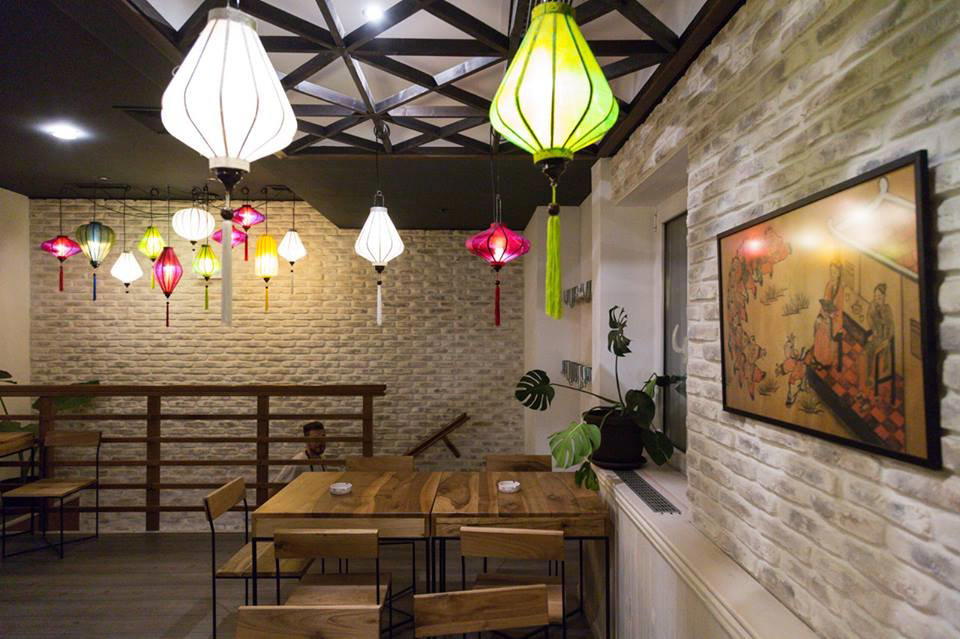
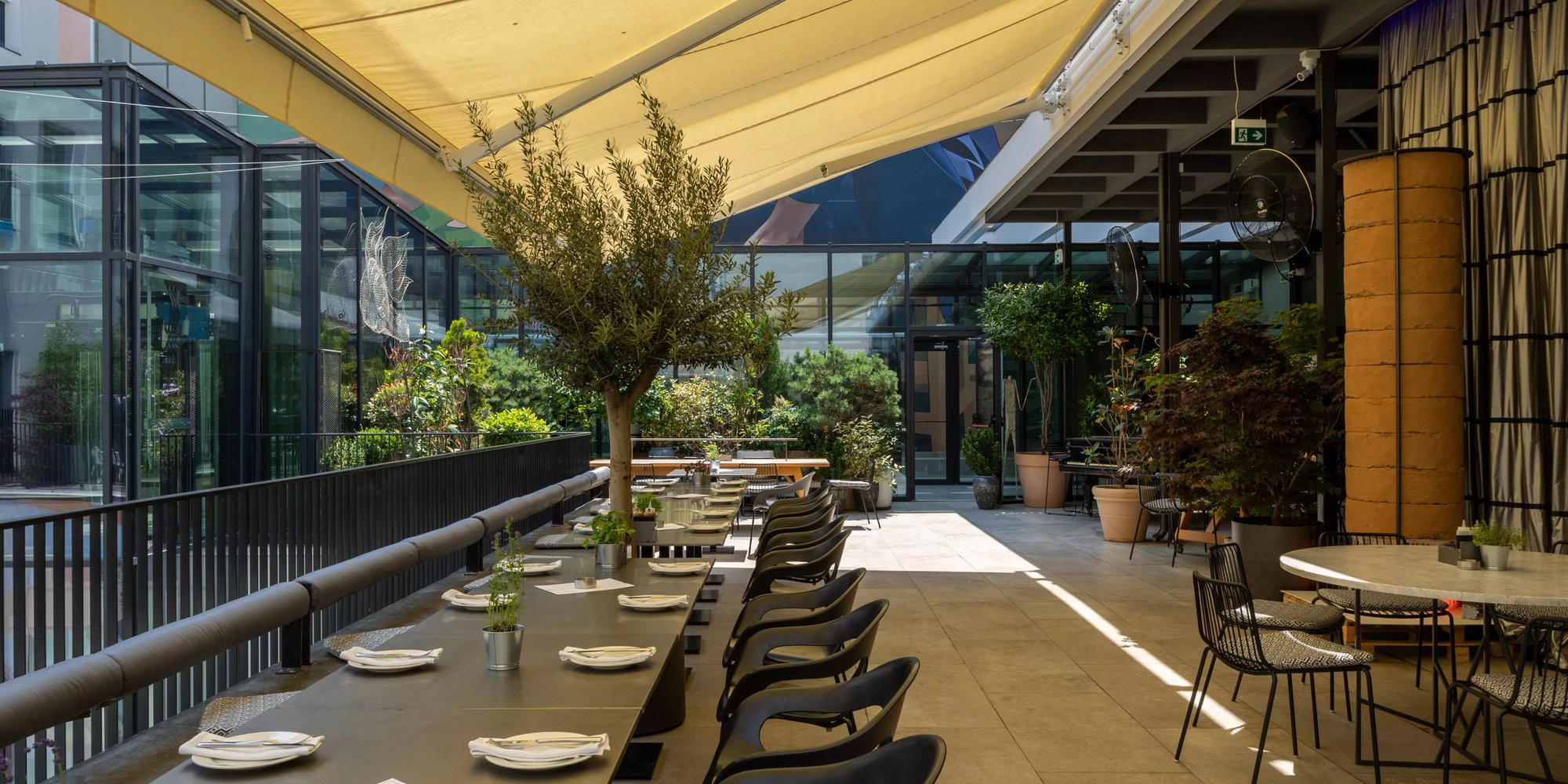
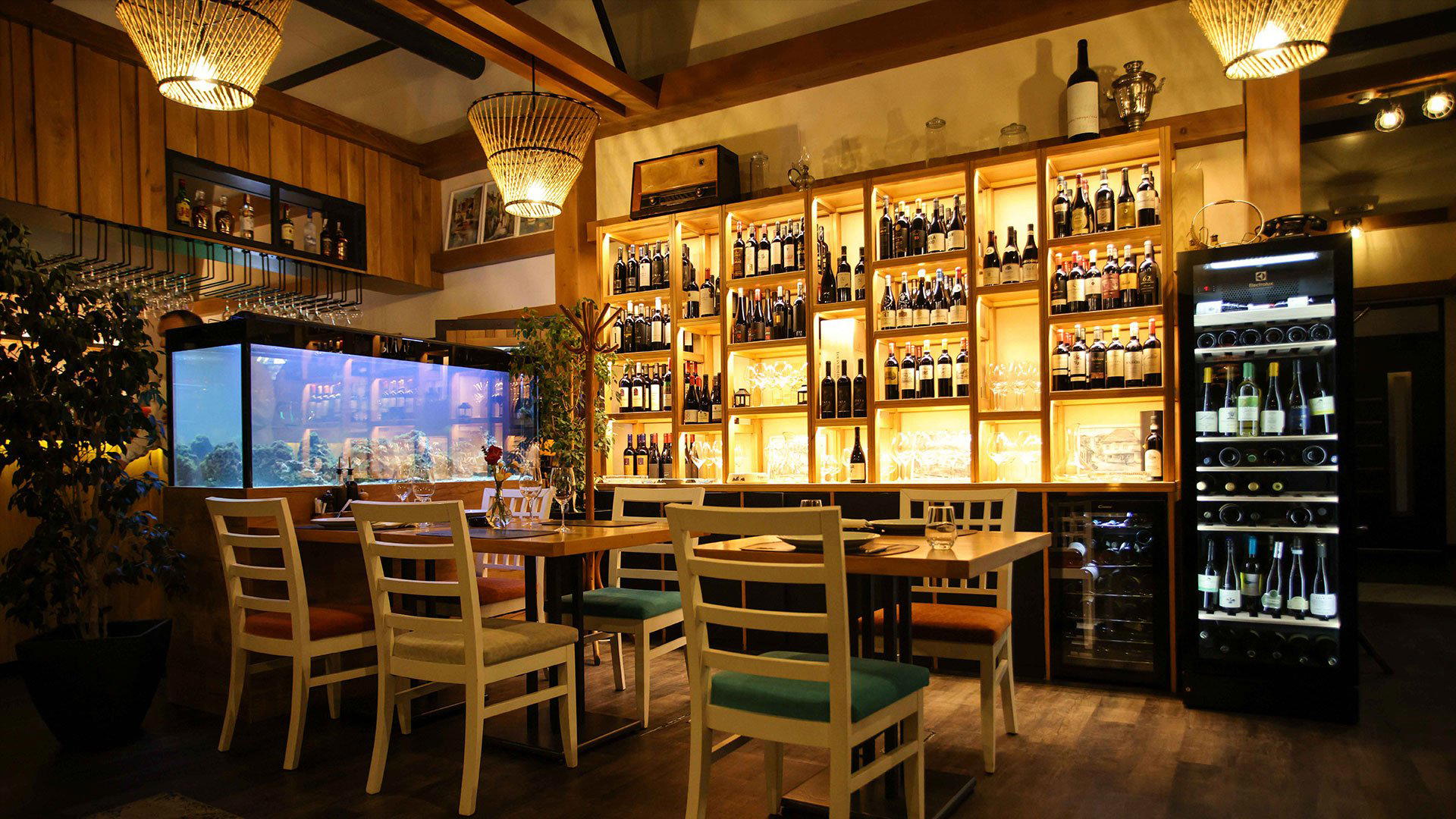
The physical experience of a restaurant on a major residential boulevard in Belgrade carries its own character. These are spaces that tend toward generosity of scale, higher ceilings, more room between tables, an ease of circulation that tourist-district venues sacrifice to seat counts. The social register is typically mixed in the way that neighborhood restaurants in any European city mix: families, couples, small groups of colleagues, the occasional solo diner reading at the corner table. That mix produces a particular kind of background noise, neither the performative quiet of a high-end tasting room nor the competitive volume of a wine-bar crowd.
Venues in this position, mid-boulevard, residential catchment, Italian reference point, tend to time their peak service around Sunday lunch and weekday evenings rather than the late-night weekend surges that drive Savamala. That timing pattern matters for planning purposes: a Thursday evening visit is likely to deliver more attentive service than a Friday night at a comparable tourist-facing address. Similarly, Avala and Barrel House serve different residential and visitor profiles, and the contrast between those experiences and what Cuoco offers on its boulevard is instructive for anyone building a multi-day Belgrade itinerary.
The Wider Serbian Circuit
Belgrade's dining conversation increasingly extends beyond the capital. Travelers arriving via Nikola Tesla Airport who spend additional days in the region find a country where the culinary range is wider than its international reputation suggests. Windmill in Pancevo, just across the river, operates in a register quite different from the city. Kafe Restoran Maša in Novi Sad reflects the cultural blending of Vojvodina, while KAFANA DUKAT in Pirot reaches further into the southeast, where the Ottoman culinary inheritance is more present. ČARDA ZLATNA KRUNA in Apatin and Aleksandar Gold in Uzice each mark a different regional axis. For mountain travelers, Grand in Kopaonik anchors the ski-season dining calendar. Kod poštara in Aran Elovac completes a more rural picture.
Placing Cuoco within that circuit, it operates firmly in the capital's everyday European-inflected tier, the tier that sustains a city's dining culture between the headline venues and the kafana standbys. For comparison points operating at entirely different scales and in different categories, Le Bernardin in New York City and Atomix in New York City illustrate what happens when ingredient obsession meets multi-decade institutional investment, a useful frame for understanding how far the ingredient-sourcing conversation can travel when conditions fully support it.
Planning a Visit
Restoran Cuoco sits at Bulevar kralja Aleksandra 250, Beograd, Serbia, and serves Authentic Italian Pizza & Pasta at about $15 per person. Given the neighborhood profile and the mid-market positioning in a city where comparable restaurants do fill on weekend evenings, arriving with a reservation made in advance is the lower-risk strategy. See our full Belgrade restaurants guide for the broader competitive set and neighborhood-by-neighborhood breakdown.
Credentials Lens
Comparable venues nearby, for context on price, style, and recognition.
| Venue | Cuisine | Price | Notes |
|---|---|---|---|
| Restoran CuocoThis venue — the venue you are viewing | Authentic Italian Pizza & Pasta | $$ | Not listed |
| Campania Pizza Gourmet | Neapolitan Pizza Gourmet | $$ | Novi Beograd |
| Trattoria Campania | Authentic Neapolitan Italian Trattoria | $$ | Belgrade Center |
| PizzaBar | Italian Pizza | $$ | Novi Beograd |
| Figo | Authentic Italian Pizza with Serbian Twists | $$ | Palilula |
| RESTORAN DUOMO | Traditional Italian Pizza and Pasta | $$ | Dorcol |
At a Glance
- Cozy
- Lively
- Classic
- Casual Hangout
- Group Dining
- Family
- Standalone
- Craft Cocktails
- Beer Program
Current opening hours
- Monday
- 8 AM–12 AM
- Tuesday
- 8 AM–12 AM
- Wednesday
- 8 AM–12 AM
- Thursday
- 8 AM–12 AM
- Friday
- 8 AM–12 AM
- Saturday
- 8 AM–12 AM
- Sunday
- 8 AM–12 AM
Hours can change for holidays and private events. Last verified .